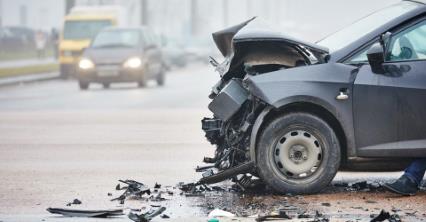
What car brand loses value the fastest?
Shopping for a new or used vehicle requires you to take many different aspects into account. Aside from personal applications and affordability, it's important to consider the future value of the vehicle you plan on buying. Realizing that, at the end of your time with the vehicle, it has lost a terrible amount of money will not only break your heart but may possibly force you to have to downgrade in the future.


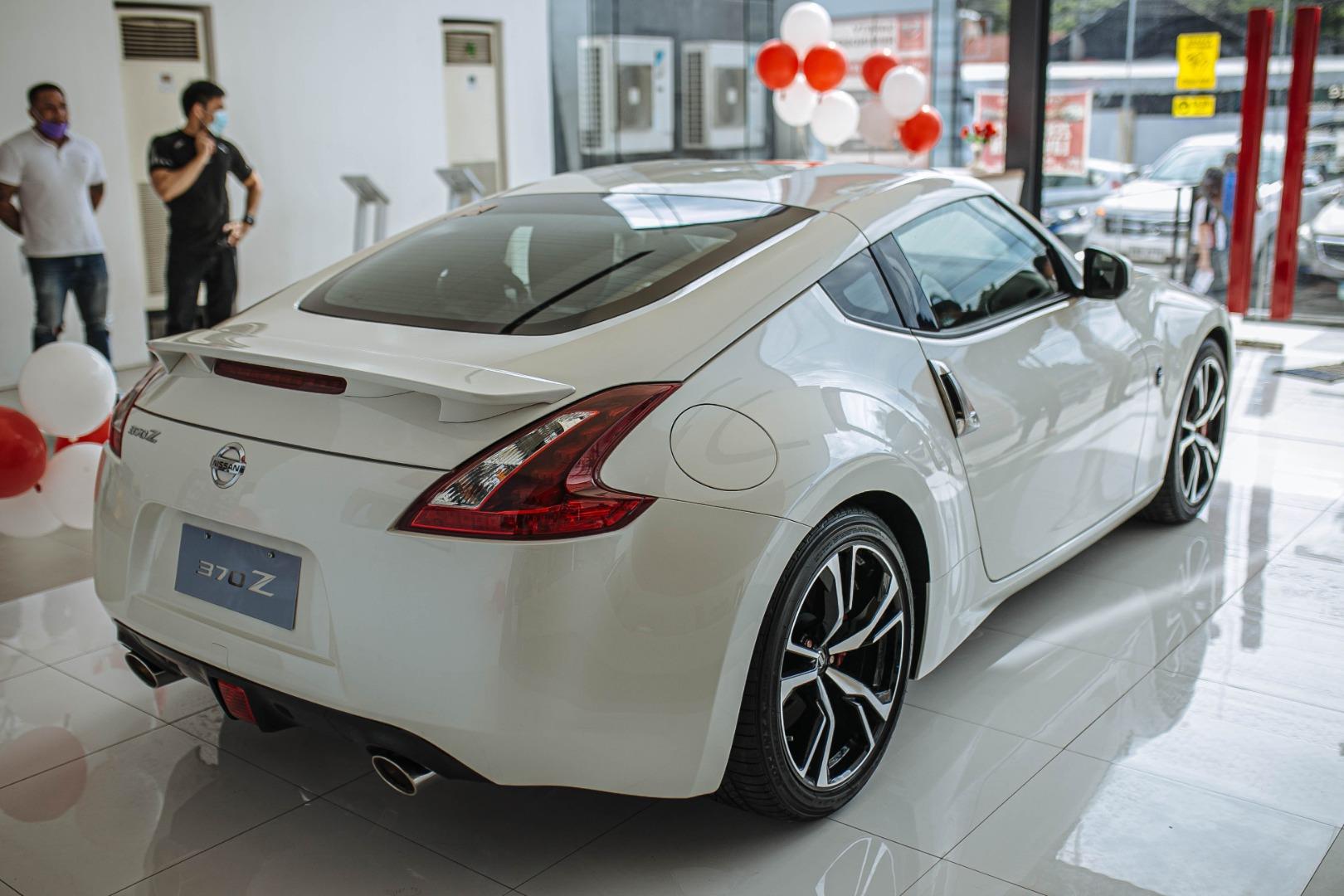
Automobiles are, by and large, depreciating assets. It's foolish to think that you will be able to get into a new vehicle and walk out on the other end having made money. This is reserved for very special cases only and being able to predict which cars will appreciate beyond their initial purchase price is an art unto itself. It's certainly not an exact science. For the rest of us, we will have to live with the fact that any vehicle we purchase will lose money over the years that we own it.
Related: Which cars have the best resale value in South Africa?
What you are able to do is consider the potential future value of the vehicle you intend to purchase by doing some research into the brand and model you have your eye on. Not all brands perform the same in this regard and even if a brand is known for retaining its value well, specific models and trims will affect how it holds up in the long run. As such, one is only able to make a generalized assumption of which brand suffers the worst.

Mitigating circumstances
The make and model are only part of the story and the value of a vehicle will also be dictated by several other factors. With used vehicles, the age and mileage need to correspond and vehicles that have a higher-than-average mileage will feel the depreciation knock. It's not to say that they're any less reliable necessarily, but the likelihood of them running into age-related issues is greater.
The maintenance and upkeep of a vehicle also contribute to its value. A reliable, complete service history does well to help a vehicle retain its value as it indicates that the vehicle was looked after. The brand and quality of the tyres are also an indication of how a vehicle was maintained and one fitted with matching, brand-name tyres show that the previous owner was not afraid to spend money on the upkeep. The inverse is also true; mismatched off-brand tyres indicate that the vehicle was maintained on a budget.

Brands that suffer in South Africa
Vehicle brands that perform well in South Africa are generally those that have a local interest in the way of manufacturing facilities within our borders. The likes of Toyota, Volkswagen, BMW, Mercedes-Benz, Ford, Nissan and Isuzu generally perform well as it is accepted that there will be adequate aftersales support for services and parts. Fully-imported vehicles tend to depreciate more severely as parts are not always available, leading to longer than desired waiting times and delays with repairs. The likes of Jaguar, Land Rover, Alfa Romeo, Citroën, Peugeot, Jeep, and Renault all feel the pinch.
Public perception is the main cause for rapid or severe depreciation in South Africa and the smaller entities that have had a troubled past are still fighting to shake the sigmas attached to the brands. Mismanagement of their earlier efforts tainted the public's perception of the brands and this is still felt in the overall market demand. Many of these brands no longer suffer the same problems that befell them in the decades past, but the lingering association with faults and reliability concerns hurt their future value.
Brands with smaller dealership presence are also prone to a steeper depreciation curve as consumers in outlying areas are less inclined to purchase a vehicle that will require extensive distances be travelled in order to service their vehicles. This reduction in demand negatively affects the make's value in the market. Brands that have exited the country have also struggled to retain their value and is not a true reflection of their quality. Many of the GM products saw their values plummet when GM exited the country and even with the reintroduction of some under different management, the loss of secondhand value is still being felt.

Luxury vehicles and sedans suffer the worst
The shift from sedans to SUVs has resulted in a decline in the demand for sedans. This has the knock-on effect that sedans are prone to a more rapid depreciation as the years tick by. The demand for crossovers and SUVs see them hold their value better while sedans, convertibles and sports cars suffer the worst. This also means that even if you do select a brand that is known to hold its value well, you may end up on the receiving end of a substantial loss as demand for that sedan you purchased dwindles.
The more expensive the initial purchase price, the more you stand to lose. Vehicles like the BMW 7 Series and Mercedes-Benz S-Class feel the hit the worst of the bunch as they fall into both the luxury segment, high-end offerings within the brand, and the fact that they are sedans. Being rather niche products means that the demand for these on the used market is considerably less than their SUV counterparts.