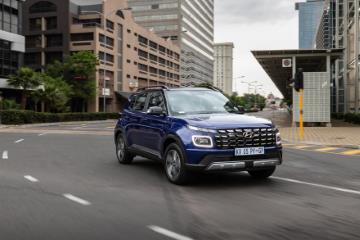
Which cars in South Africa depreciate the fastest?
Several factors influence a vehicle's depreciation. Its ability to retain its value in the coming years doesn't always have to do with the product itself. Find out what mitigating circumstances and market behaviours affect how much a vehicle will be worth in a few years.


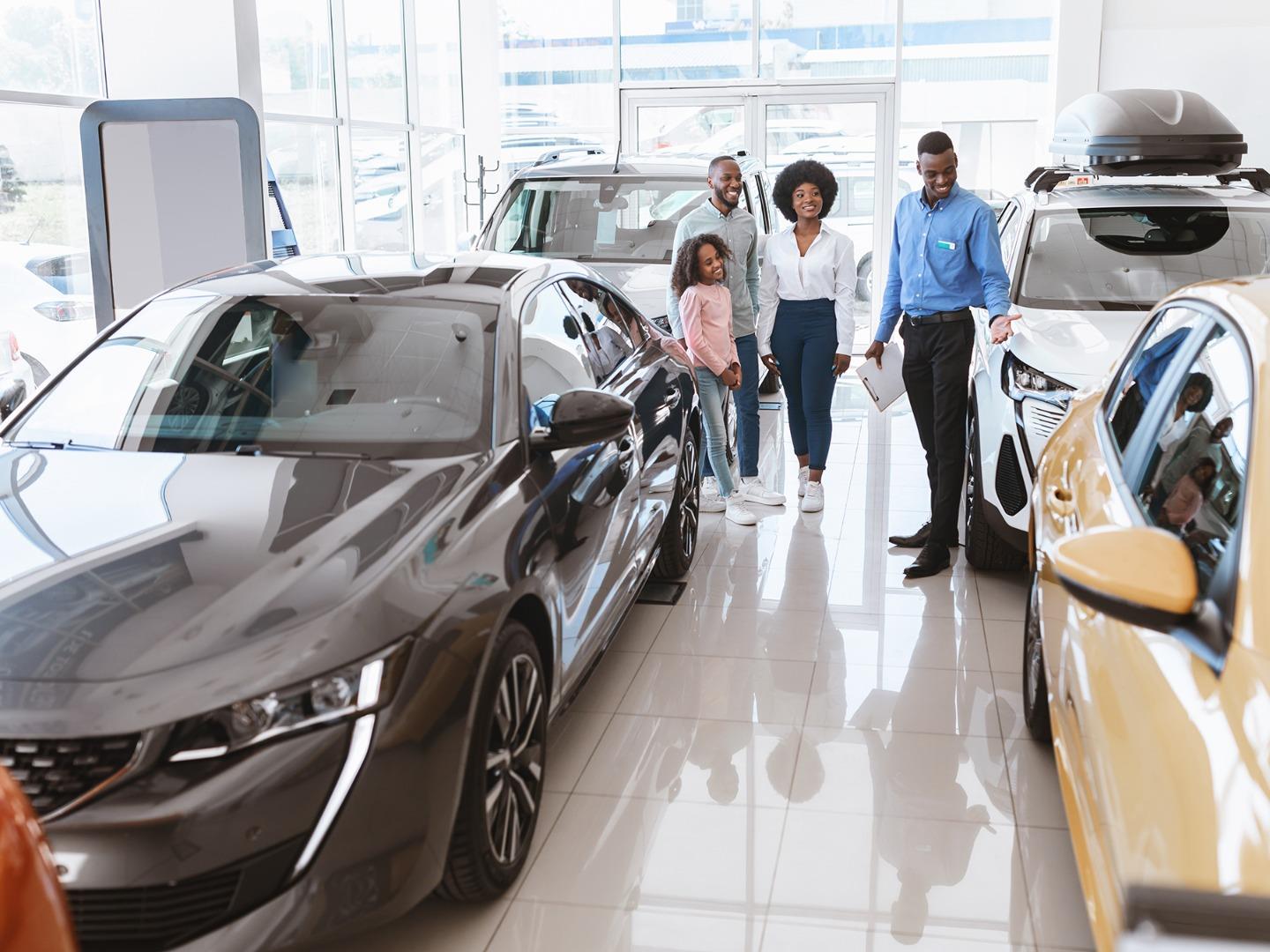

Buying a vehicle requires numerous considerations. Aside from the initial affordability, one needs to consider the long-term implications of a purchase. What will the running costs look like? How often will I have to service it with my typical usage patterns? How far will I have to travel to have it serviced, and if I need repairs, will they prove costly? These factors must be considered before pulling the trigger on that next purchase.
Related: Which new cars hold their value best?
Future value is yet another consideration that needs to be considered when you decide to buy. How much weight will your prospective car retain over the coming years? Determining how much you can expect to lose each year is vital to your long-term financial stability.

Depreciating cars on finance agreements
Most of us will apply for a bank loan to purchase a vehicle. This car finance agreement with the bank will see you charged interest on the outstanding balance. It will take a few years before you hit what is known as the crossover point, the point where you owe the bank less than the car is worth. This is an excellent position, as you have positive equity in the agreement from that point forward. Should you sell your vehicle for what it is worth, you will receive some money and still be liable for the outstanding balance that the car could not cover in the sale.
Naturally, you want to be able to pay the loan off faster than the car depreciates, and this is why we will always recommend against taking out a balloon or residual payment on a vehicle.

Which car depreciates the fastest in South Africa
Some vehicles retain their value better than others. Sometimes, this has nothing to do with the quality of the car, and its perceived value is based on the market. A vehicle is only worth what someone is prepared to pay for, and certain brands hold their value better than others for no reason other than market desirability. Generally speaking, brands like Volkswagen and Toyota retain their value better in the long run, while brands such as Nissan, Alfa Romeo, and Jaguar suffer at the hands of depreciation.
Sometimes, this indicates a poor product; other times; it results from the environment, the dealer network structuring in South Africa and sometimes just perception. Much of the depreciation felt in modern times is a result of an error from the brand in years gone by. Jaguars and Land Rovers were notorious for having faulty components. This was mainly due to their Lucas-manufactured features and the unions' effect in the UK in the late 60s and 70s. Today's Jaguars and Land Rovers no longer use Lucas parts, but the perception remains.

Similar bodes for the likes of Alfa Romeo, who were notorious for being unreliable and expensive to maintain. Modern Alfa Romeos do not suffer the same fate, though; their reliability has improved drastically. Alfa Romeo remains one of the most affordable premium brands to maintain out of warranty, even compared to the German competition.
The French and Italian cars suffer the worst at the moment, although they are slowly clawing back as the current generation forgets about the errors of the past. Peugeot, Citroën, Renault, Fiat and Alfa Romeo went through a troubled time leading up to the turn of the millennium. This lousy form continued into the early 2000s, and locally, the issue was compounded by a mismanaged dealer network that failed to keep the necessary parts on hand to efficiently and effectively repair problems encountered with their products. In recent years, the reliability of these models has drastically improved, as has the build quality. However, the damage has been done, and these brands still suffer at the hands of depreciation.

Other brands that suffer locally are the likes of Volvo and Subaru for no other reason than their smaller dealer network and high initial price. Infiniti and Lexus feel the pinch despite being premium offerings from large Japanese firms. Many brands contained under the GM umbrella are depreciation nightmares, including the less popular models from Jeep, Chrysler, and Hummer. Aston Martin is another one known to lose value fast, compounded by the high initial purchase price due to the fully imported nature of the vehicle.
Does this mean that the rest are safe? No. Finding a Mercedes-Benz, Audi, or BMW that has depreciated largely is still possible. These are usually the large executive sedans, which aren't only isolated to these three brands. The shift towards SUVs has seen the executive sedan market take a knock. No demand means no value.
Sports cars, as a whole, are prone to steep depreciation. Very few can be classed as investment cars, and it's nearly impossible to ascertain which model will hold its value in the coming years.