Nissan Qashqai vs Volkswagen T-Roc vs Mazda CX-30: Which one is the best value for money?
Nissan recently launched the all-new Qashqai to the local market, with a new design language, the latest in-car technologies and a new powertrain. How does the Qashqai compare with key rivals in terms of value, though?

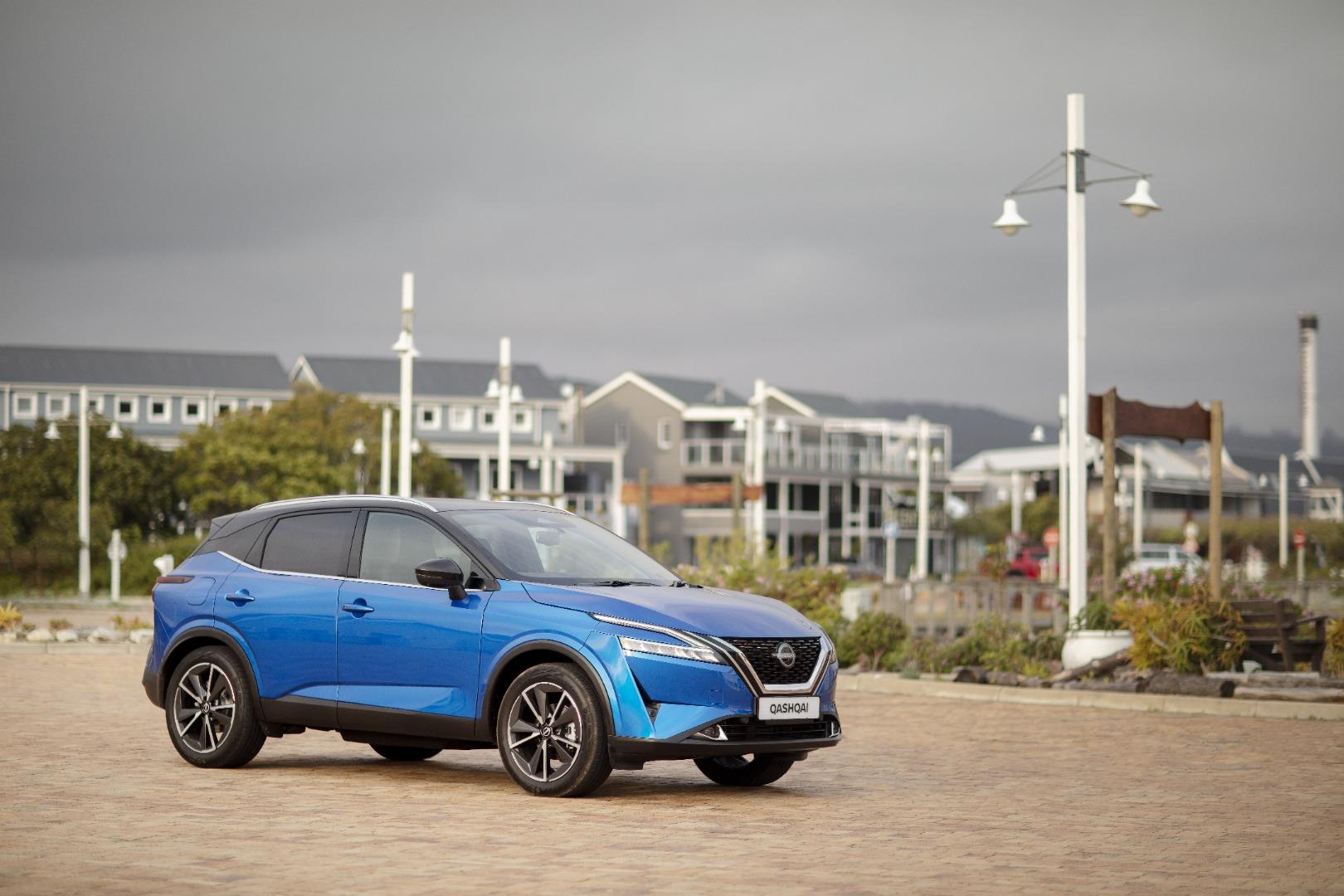
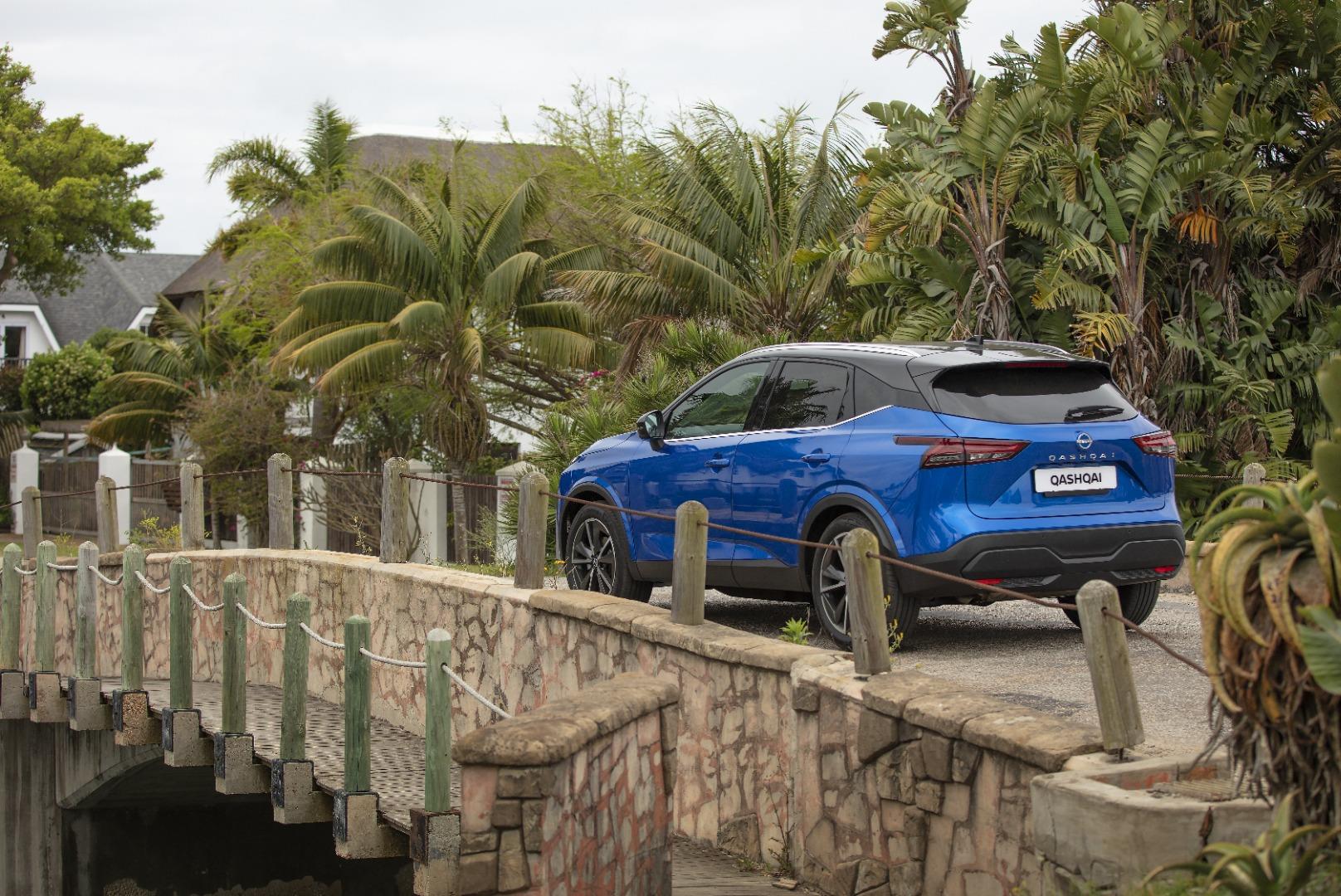
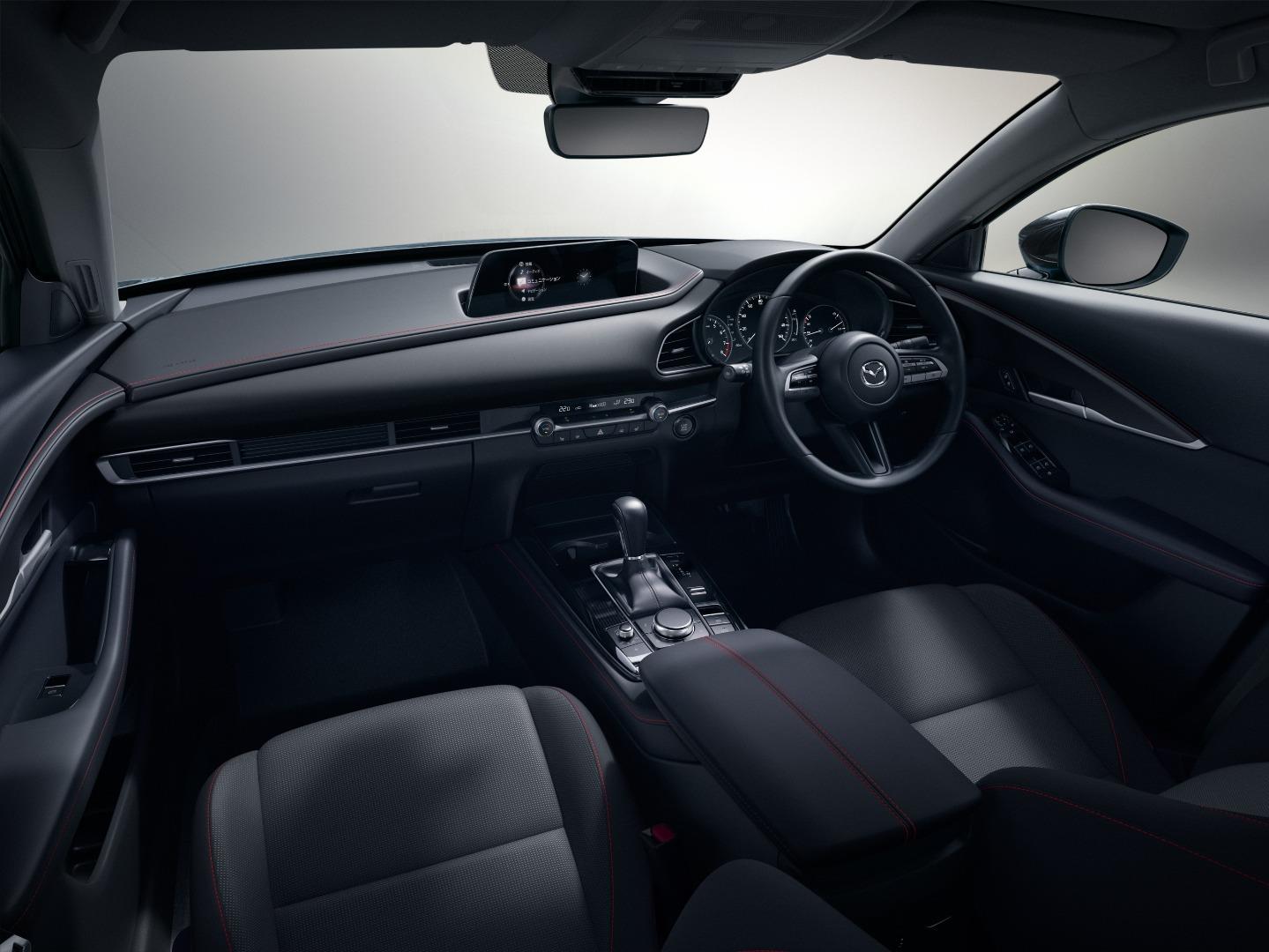
The Nissan Qashqai is often touted as the product that started the mid-size crossover segment, however, since the introduction of the first Qashqai back in 2006, there have been many competent entrants into this increasingly popular product market. The latest Qashqai was recently introduced in South Africa and has the likes of the recently updated Volkswagen T-Roc and Mazda CX-30 for company. For today's comparison, we will be comparing the Qashqai in base model Visia guise with the Volkswagen T-Roc and the Mazda CX-30 in Individual specification to determine which offers the best value for money.

Practicality
In terms of dimensions, the three products are all practical, however, the Nissan appears to offer the most space, boasting the largest dimensions and the biggest boot, followed by the T-Roc and then the CX-30.

Performance
In terms of performance, the T-Roc offers the best power and torque figures and the lowest kerb weight, making it the strongest performer among the three. In terms of fuel consumption, the trio are similar, however, the Volkswagen has the lowest claimed fuel consumption figure.
| Nissan Qashqai 1.3T Visia | Volkswagen T-Roc 1.4TSI 110kW Design | Mazda CX-30 2.0 Individual | |
| Engine | 1.3-litre, 4-cylinder turbo petrol | 1.4-litre, 4-cylinder turbo petrol | 2.0-litre, 4-cylinder petrol |
| Transmission | 6-speed manual | 8-speed automatic | 6-speed automatic |
| Power | 96 kW | 110 kW | 121 kW |
| Torque | 240 Nm | 250 Nm | 213 Nm |
| Kerb weight | 1 331kg | 1 244kg | 1 340kg |
| Boot space | 504-litres | 445-litres | 295-litres |
| 0-100 km/h | 10.3 seconds | 8.4 seconds | 10.2 seconds |
| CO2 emissions | 146 g/km | 143 g/km | 160 g/km |
| Fuel consumption | 6.4 L/100km | 6.3 L/100km | 6.6 L/100km |
| Price | R568 200 | R563 800 | R564 600 |
*This table was compiled with information sourced from www.duoporta.co.za as well as the official press releases of each model.
Specification
All three models feature ABS, traction and stability control, six airbags (seven in the Mazda), ISOFIX child seat anchor points, alloy wheels, multifunction steering wheels, artificial leather seats, airconditioning (climate control in the T-Roc and CX-30), cruise control, multifunction steering wheels, keyless entry/start, cloth-covered seats (leather in the CX-30), touchscreen infotainment systems with Apple CarPlay and Android Auto. The trio also get LED headlights but the Nissan and Mazda get reverse cameras while the Volkswagen gets a park assist system and roof rails and the CX-30 an electrically adjustable driver's seat.

Safety
The Qashqai range was crash tested by Euro NCAP in 2021 and received 5-Stars, with 91% for adult occupant safety, 91% for child occupant safety, 70% for vulnerable road users and 95% for its safety assistance systems. The T-Roc was also tested by Euro NCAP in 2017 and received 5-Stars, with 96% for adult occupant safety, 87% for child occupant safety, 79% for vulnerable road users and 71% for its safety assistance systems. The Mazda was tested by Euro NCAP in 2019 and received a 5-Star rating, with 99% for adult occupant safety, 86% for child occupant safety, 80% for vulnerable road users and 77% for its safety assistance systems.

Warranty and maintenance
In the warranty and service department, the Nissan gets a 6-year/150 000km warranty and a 3-year/90 000km service plan while the Volkswagen gets a 3-year/120 000 warranty and a 5-year/90 000km service plan and the Mazda 3-year/ unlimited km warranty and service plan.

Verdict
While all three of the products assembled here are competitive, there can only be one winner, and that is the Volkswagen T-Roc, which scores well in every category that it competes.