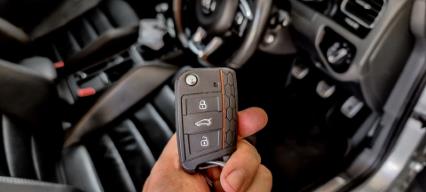


Knowing when the best time to trade a car in is like trying to predict the weather or playing the stock market. It's near impossible to accurately predict the exact moment you need to sell, or when that storm is going to hit. The best you can do is correlate the information at your disposal to make an educated guess. Getting it wrong can prove costly, but sticking to a few rules can help ensure that your risk is limited.
Related: Should you buy a car with high mileage?
A private sale will always yield a greater return on your 'investment' but even this has a few rules that need to be followed in order to extract the most from the transaction. Trading a vehicle in leaves you at the whim of the dealers, the used car landscape, economic trends and influences over and above the age, mileage, and condition of your vehicle. Here are a few things to consider when trying to time your trade-in to help ensure that you don't lose too much money in the process.

Mileage vs age
There's a direct correlation between the age and mileage of a vehicle and dealerships considering your trade-in will compare the two against each other to ascertain whether your car has done more mileage than it should have or if it has less.
The average South African typically puts 25 000 to 30 000 km on their cars every year. This means that a 3-year-old car should only have between 75 000 and 90 000 km on the odometer to be considered average. Less than this will positively affect its value and more than this will negatively affect its value. The less you use your car, the better for your future value. If you're a long-distance commuter, you may be wanting to trade in a little more frequently.

Mileage vs coverage
One of the benefits of buying new is the included, initial warranty and service or maintenance plan. This provides new car buyers with the peace of mind to sleep easy knowing that any manufacturer faults and the costs to replace or repair are covered by the warranty. The rising costs of parts and labour have made servicing your vehicle a pricey exercise, never mind the ever-increasing technology that requires specialised tools and computers to help solve automotive issues. It's here that service or maintenance plans come into the foray, covering most of the costs associated with vehicle ownership.
Buyers looking for a used car will also be more inclined to consider your vehicle if it still has a balance of the manufacturer warranty. This too provides them with some form of security and peace of mind, knowing that even if they do elect to go for a used car rather than a new car, that they have some recourse on the vehicle they're purchasing, should something go wrong. Not having to worry about services in the immediate future also helps add value to the vehicle.
For the above reasons, it is best to confirm what your manufacturer warranty offers in terms of year and mileage as well as your service plan and calculate when the best time to sell is.
Verdict
Seeling the car before it runs out of warranty, both mileage and kilometres, is a wise move. If you have a plan to 120 000 km, selling with 20- or 30 000 km on the clocks will make it attractive to the future buyer. The same goes for the year allocation. If you have a 3-year warranty, selling it at the 2-year mark makes your vehicle more attractive and allows you to sell it for a higher amount.
There are several distinct milestones when it comes to mileage as well. The 100 000 km mark is a big one and cars with under 100 000 km always appear more attractive. Most buyers know this though and understand that the price will drop significantly when the car passes this mark. For this reason, they shop for vehicles over the 100 000 km mark but will cap the mileage at 120 000 km. This is also a critical landmark mileage.