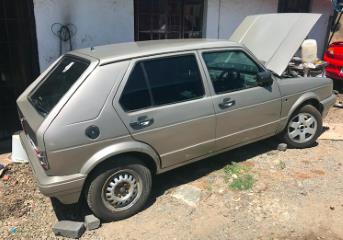
When you reach the point where you need to sell your vehicle, it is usually for one of a few reasons such as your needs have changed or you need a more affordable car. However, since the model you own is still owned by the bank, there are a few considerations to keep in mind before you start marketing the vehicle to potential buyers.
Ownership
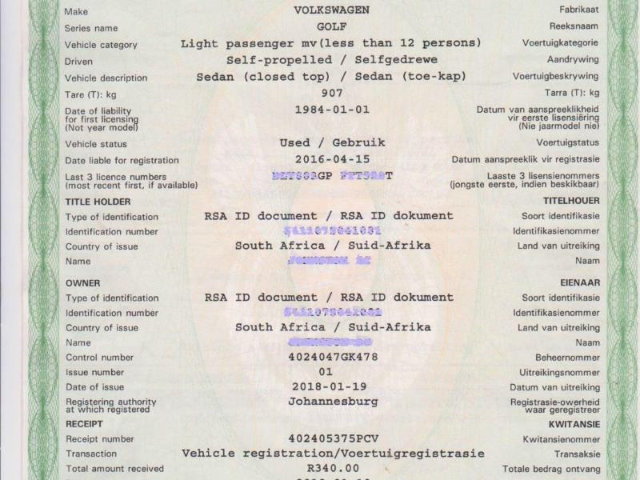
Even though you are the one driving, maintaining and licensing the vehicle, the bank or credit provider is by law still the legal titleholder of the vehicle until the full amount from the finance agreement has been paid back. For this reason, a bank or credit provider will be reluctant to agree to the sale of the vehicle unless there is a guarantee that they will be getting all the monies owed to them.

Trading in
In the event where the vehicle you are currently driving does not meet the needs of you or your family and you are considering a larger and even more expensive model, credit providers and or banks will allow the vehicle to be traded in provided you can afford the larger instalment and can settle the previous agreement.
If the trade value of the old vehicle is less than the settlement amount of the finance agreement, the bank will require you to settle the outstanding amount from your savings or through a personal loan provided you qualify for that option. Certain dealerships will also offer trade assistance which can contribute to some or all of the outstanding fees on the old finance agreement, and add it to the new finance agreement.
Private sale
If you want to sell the vehicle to a private buyer without trading it in on a new vehicle, most of the basic steps remain the same. First and foremost, you need to find out what the settlement amount is on the finance agreement currently in place. This settlement amount will become lower the longer you pay the instalments.
Compare this settlement amount with the trade value or asking price of your vehicle. If the settlement amount is larger, you will be responsible for the difference and unless you can prove to the credit provider that you can pay it, they will be reluctant to allow for the sale to happen. However, if you can sell the car for more than what you still owe, the difference will be deposited into your bank account.
Once approached by a potential buyer, it is important to disclose that the vehicle is still financed and the settlement amount outstanding on the vehicle. This will allow the buyer to deposit the settlement amount for the vehicle directly into the car's loan account which will provide the credit provider with enough reason to allow the deal to happen.
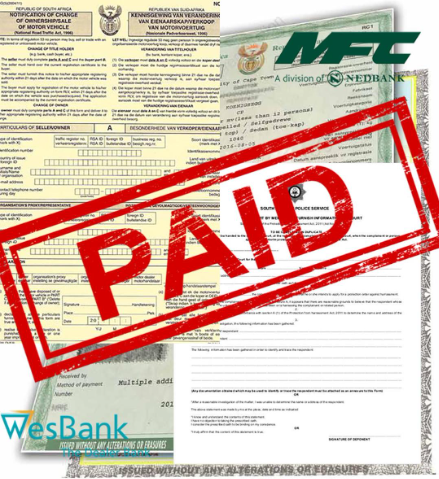
Once the full settlement amount has been paid, the credit provider will release the car's certificate of registration to you or the buyer based on your instruction. With this document and the bill of sale or sale agreement between you and the buyer, and the Notification of Change of Ownership (NCO) provided by the credit provider, the new owner can proceed to register the vehicle in their name.
Should the new buyer want to finance the vehicle themself, much of the process will remain the same, except most of the steps will be completed between your credit provider and the buyer's provider.