We compared Volvo V90 Cross Country engines, and the efficiency crown goes to...
Volvo’s commitment to electrification across their car range is becoming increasingly evident with every model update. The latest model to make the switch will be the Volvo V90 Cross Country, dropping all but one of its previous powertrains for 2022, and slotting in a single mild hybrid for the rest of the range.


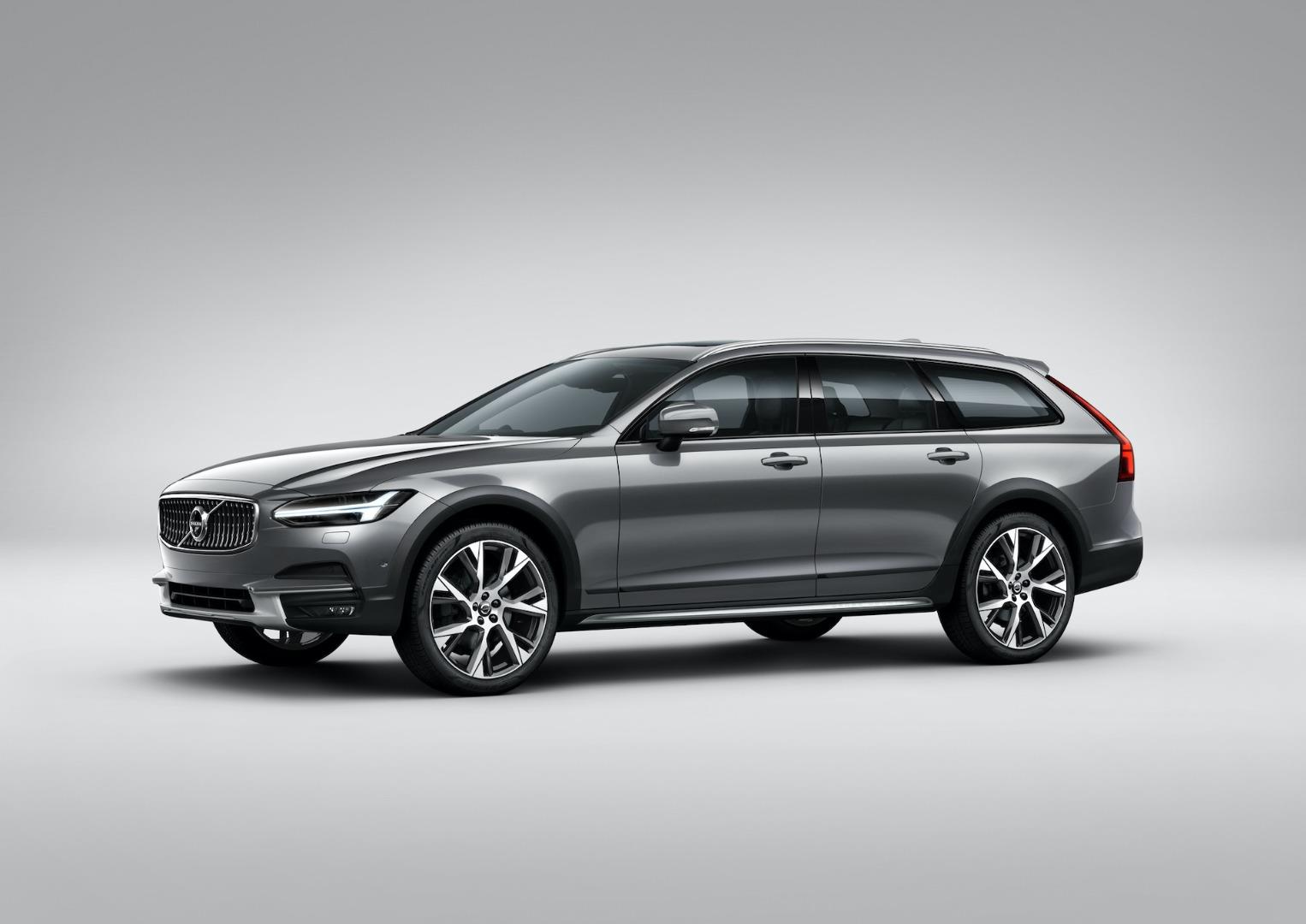

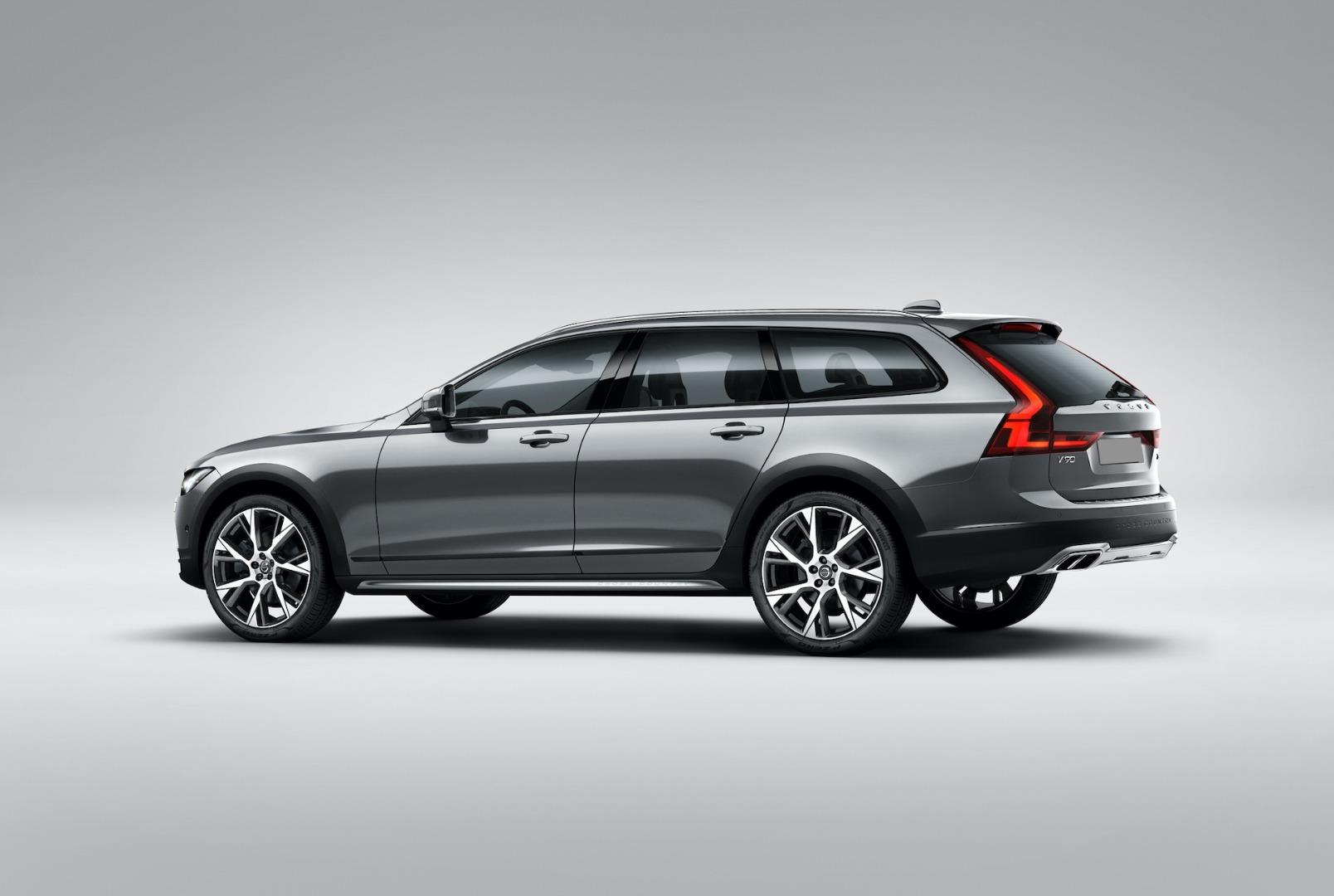
Due to replace the outgoing T5, T6, and D5 variants is the new “B5” – B presumably meaning “Battery”, to indicate the new hybrid variation. Details about this new engine are sketchy, but it is derived from the same Drive-E family as the old units – only re-tuned and fitted with a 48V mild-hybrid setup for this application.
Don’t confuse the B5 with the XC90 T8 Twin Engine’s hybrid design, though, as the B5 delivers similar power to the old T5: 183 kW and 350 Nm, instead of the T8’s system outputs of 300 kW and 640 Nm. The remaining diesel in South Africa will be the D4 with 140 kW and 400 Nm. Pity that the D5 will soon be gone, though – it offers arguably the best balance between performance and fuel efficiency of them all.
Related: Shop for new and used Volvo V90 Cross Country cars for sale here.

The outgoing range
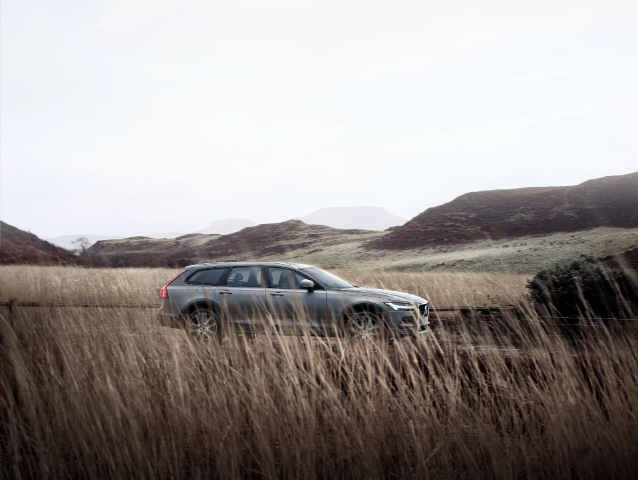
If you’re shopping for a used Volvo V90 Cross Country, you’d have a choice between two petrol engines and two diesels. Outputs for the 2.0-litre, 4-cylinder line-up vary between 140 kW to 235 kW, and even the least-torquey variant in the range has 350 Nm on tap. In other words, performance should, be adequate at worst and strong at best.
|
Volvo V90 Cross Country |
D4 AWD |
D5 AWD |
T5 AWD |
T6 AWD |
|
Engine type |
Single-turbo diesel |
Single-turbo diesel |
Single-turbo petrol |
Turbo- and supercharged petrol |
|
Engine Outputs |
140 kW/400 Nm |
173 kW/480 Nm |
187 kW/350 Nm |
235 kW/400 Nm |
|
Engine Specific Power Output |
70 kW/litre |
86.5 kW/litre |
93.5 kW/litre |
117.5 kW/litre |
|
Claimed Average Fuel Consumption |
5.2 ℓ/100 km |
5.3 ℓ/100 km |
7.4 ℓ/100 km |
7.7 ℓ/100 km |

Which one gets the efficiency crown?
While the extra power on tap with the two petrol options is enticing, their real-world fuel consumption aren’t nearly as impressive as their claimed figures indicate. Bargain on closer to 10 ℓ/100 km in the T6 AWD in mixed-cycle use, dropping into the low-8 ℓ/100 km range on the open road. It’s unlikely that the T5 will be much more frugal, either, so conservative drivers will likely get low-9 ℓ/100 km in normal driving with the less-powerful petrol.
In absolute terms, the petrol engines are much more power-dense than the diesels (as indicated by their specific power outputs), but it's also clear that the diesels offer far greater volumetric efficiency (as shown by their superior torque outputs from the same displacement). Efficiency-wise, this makes the diesel options are far more enticing than either petrol engine. Neither diesel will approach their claimed consumption figures in normal use, either, but the 7.2 ℓ/100 km that we achieved in our review of the S90 D5 AWD is far more palatable than either of the petrols’ mixed-cycle figures – and the V90 should use about the same amount of fuel in either D4 or D5 specification.
Add to that the fact that the D5 has the most torque in its range, and all the factors point towards diesel superiority for the V90 Cross Country. It is therefore unfortunate that the D5 engine option will disappear for 2022, because it really hits the sweetest spot in a very desirable range. We'd suggest buying one if you can find one!