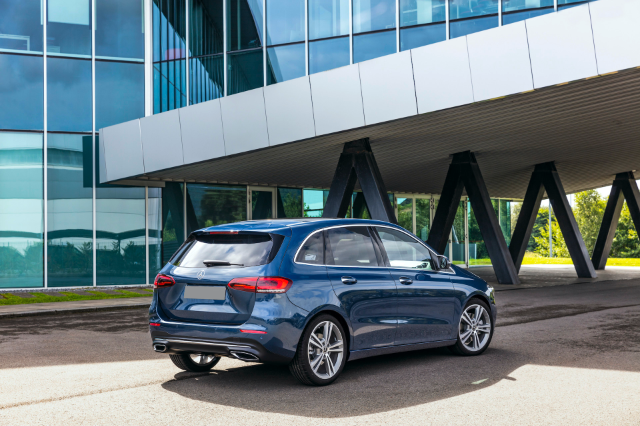
Top 3 things you need to know about the Mercedes-Benz B-Class
Initially conceived as a standalone model to replace the LWB versions of the first-generation A-Class, the Mercedes-Benz B-Class has carved out a lucrative niche as a more-practical alternative to the A-Class hatchback. Let’s investigate the smallest Mercedes-Benz MPV, to find the top 3 things you need to know about the B-Class.


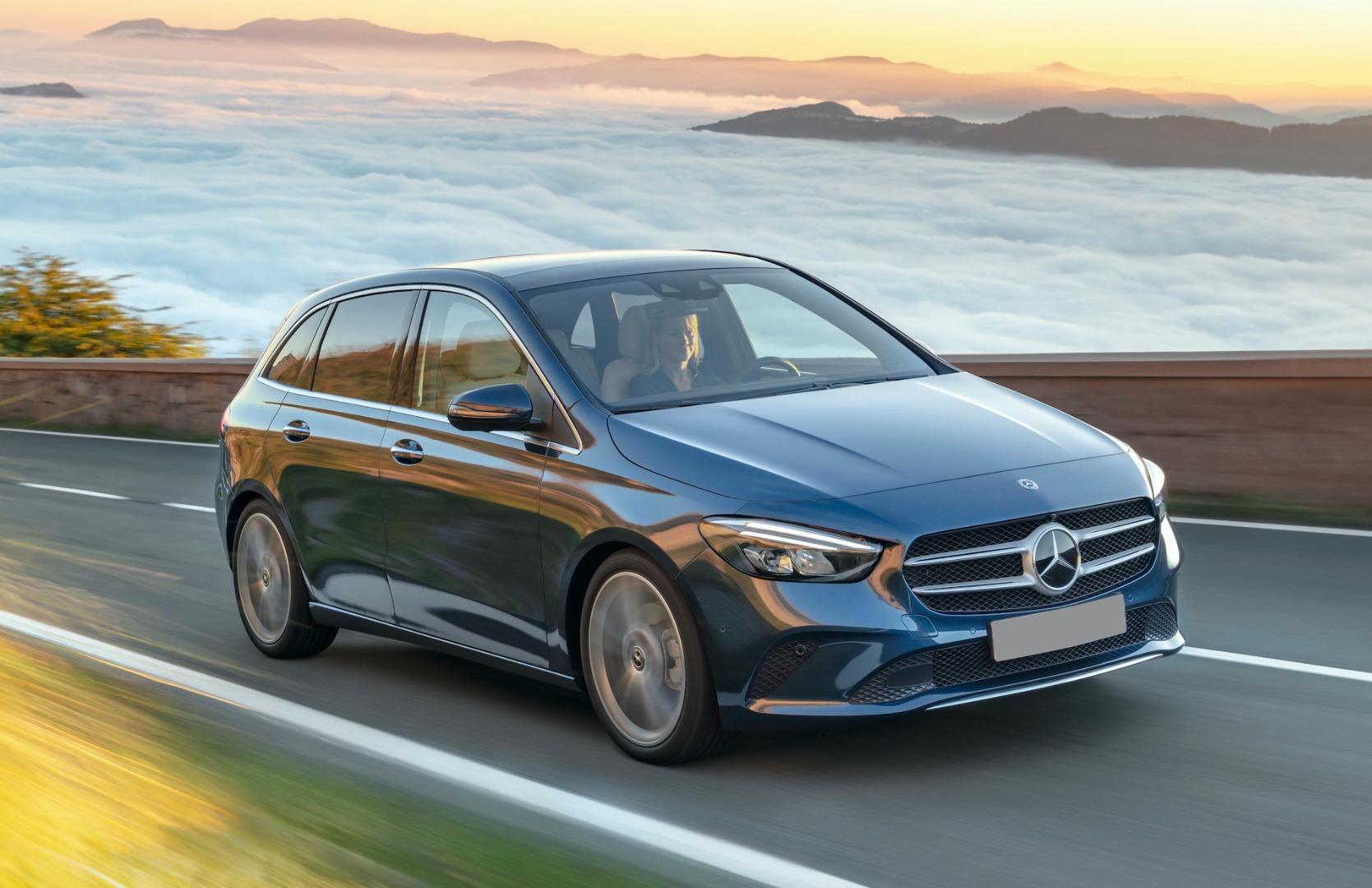
1. Think of it as an A-Class for full-sized people
As before, the latest B-Class is a derivative of the smaller A-Class platform, with a stronger slant towards practicality at the expense of some style. Thanks to a longer wheelbase and raised roofline, the B-Class offers a lot more cabin space than its smaller sibling, which makes it possible for 5 full-sized people to get comfortable inside.
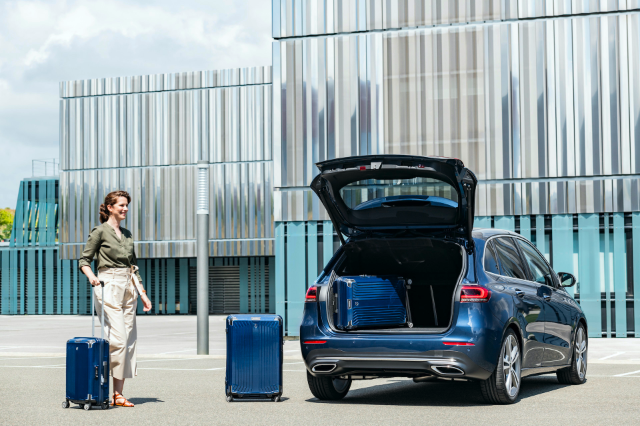
There’s more room for their cargo as well, making this the best choice if you want a compact Mercedes but also need to cart along your family. The best bit is that it still drives much like an A-Class, and offers the same in-cabin design, tech and convenience features as well, so your practical small Mercedes-Benz will feel much like a larger sedan on the road.
2. Forget about an AMG version
Unlike most of Mercedes-Benz’s passenger car range, there isn’t an AMG-badged B-Class in the price lists. In fact, the closest you’d get to an AMG label on a B-Class is the “AMG Line” package, which includes a sportier body kit and bigger wheels, but without mechanical alterations.
In the current Mercedes range, the B-Class and related GLB (7-seater SUV) are the only ones to miss out on intensive AMG attention, which actually makes a refreshing deviation from the “Faster, Louder, Flashier” approach applied to the full-blown AMG variants. Is there a market for a sportier small MPV? Maybe. But there’s an even bigger market for a no-frills, honest and understated workhorse, and that’s exactly where the B-Class hits its target.
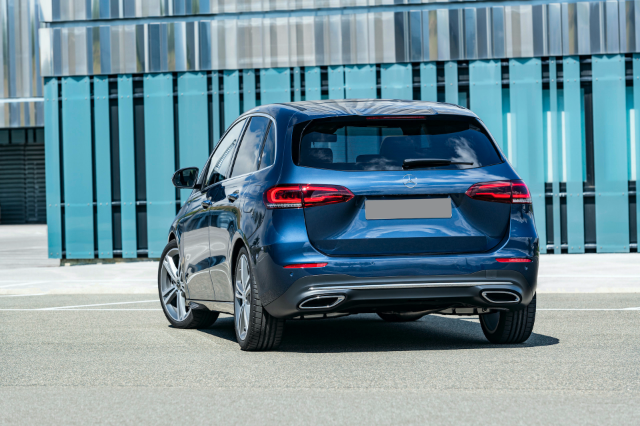
3. Only two engines
Unlike the A-Class, which can be had with various powertrains ranging from adequate (A200) to utterly nutty (A45), the B-Class is only available with the two most-sensible engine options. There’s a downsized petrol 4-cylinder, and the lowest-output diesel 4-cylinder in Mercedes-Benz’s parts bin.
Neither is particularly potent, but they are both well-suited to the B-Class’s generally un-sporty character. The B200 (petrol) employs a 1.33-litre turbocharged petrol, derived from a Nissan/Renault power unit, which delivers 120 kW and 250 Nm to the front wheels through a 7-speed dual-clutch automatic.
We’d recommend the B200d (diesel), however: It features the latest-generation Mercedes-Benz 2.0-litre turbodiesel, tuned to send 110 kW and 320 Nm into a new 8-speed dual-clutch automatic. This drivetrain impressed us greatly in the GLA 200d, with smooth and quiet operation, excellent fuel efficiency, and usefully wide torque spread.