We compared Mercedes-Benz B-Class engines, and the efficiency crown goes to…
The Mercedes-Benz compact car line-up is bigger than ever, with five models sharing the same MFA2 platform, one of which is the B-Class. In today’s piece, we compare the two engines available in the B-Class range and determine which one is the most efficient.

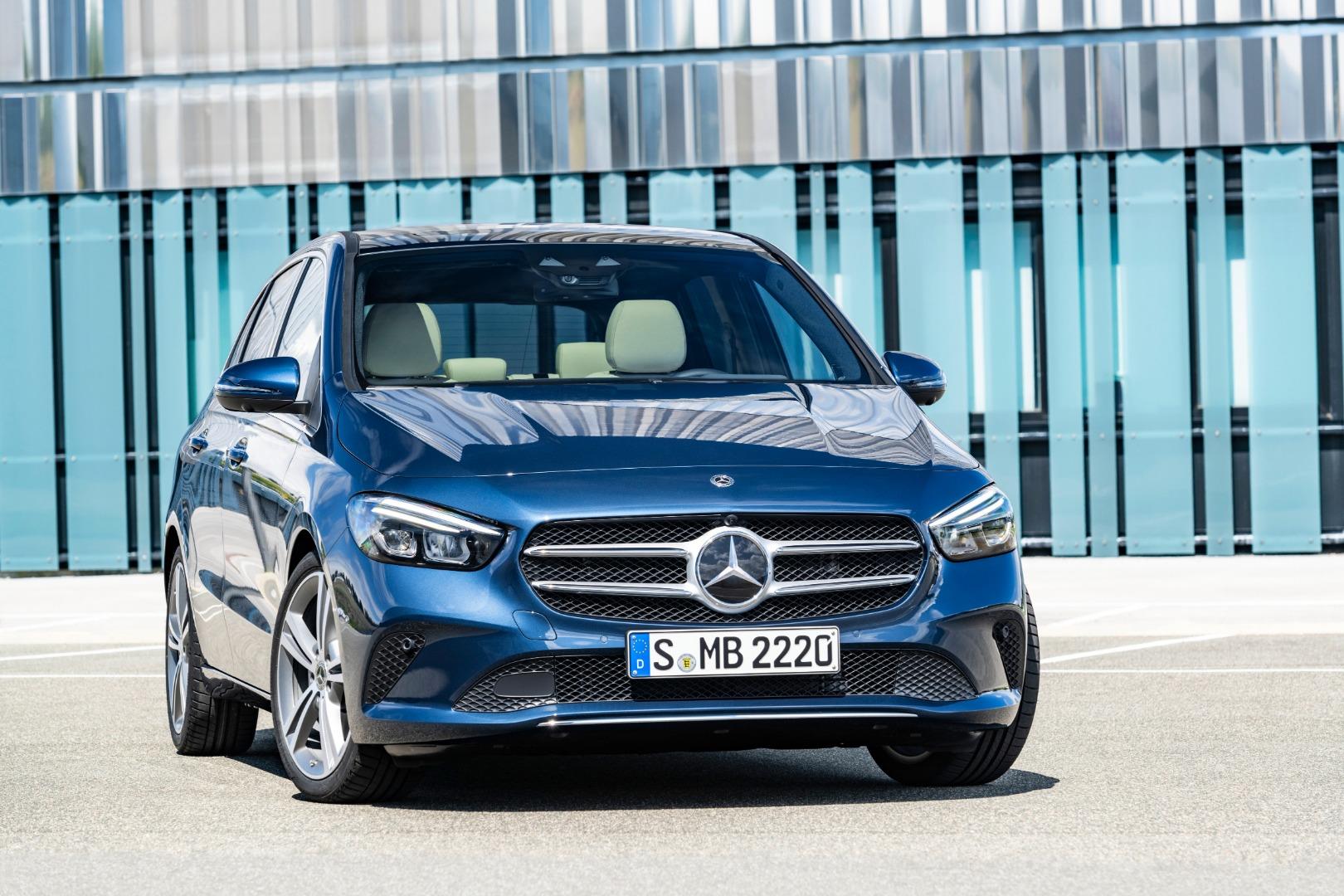
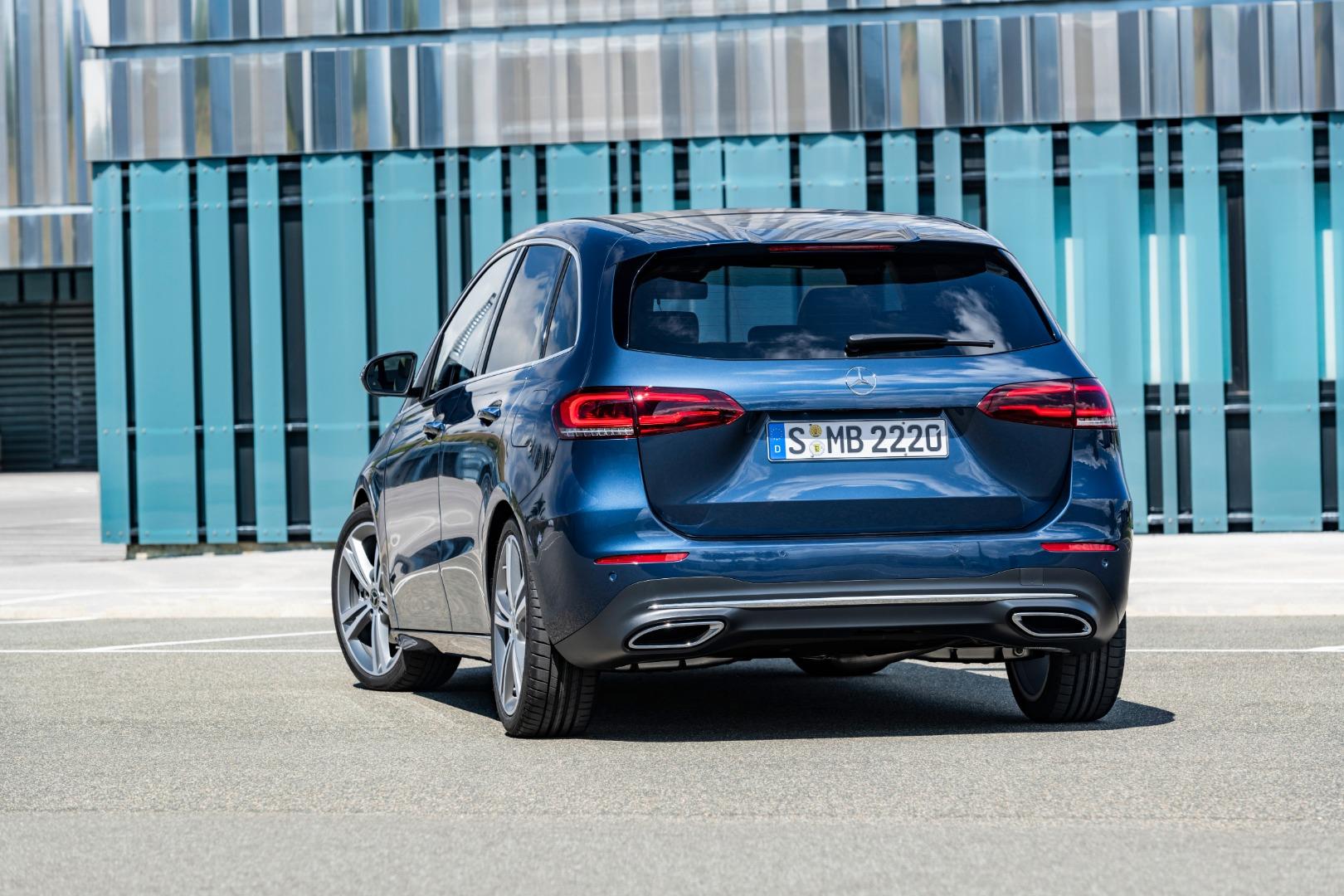

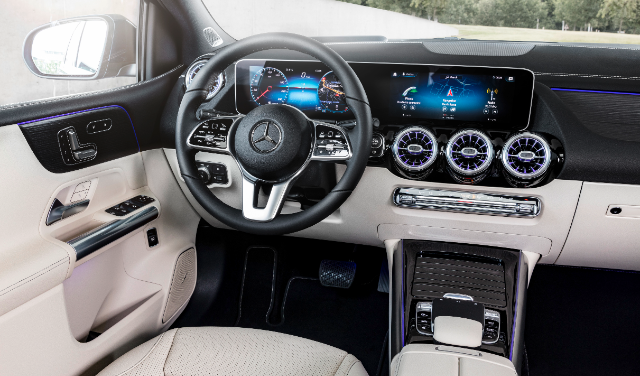
The third generation of the Mercedes-Benz B-Class was released in 2019, sporting an all-new exterior and interior design, complete with the impressive MBUX infotainment system and various semi-autonomous driving technologies.
The local B-Class range currently consists of four models, with two engine options, a 1.3-litre turbo petrol available in Style and AMG Line guise and a 2.0-litre turbodiesel also available in Style and AMG Line trim. Both models feature automatic gearboxes that transmit power to the front wheels. In today’s comparison, we determine which engine is the most efficient by using the claimed fuel consumption figure of each while also comparing the power-to-weight ratio of each product, which is how many kilowatts each car makes per 1000kg of mass.
Mercedes-Benz B200 Style- R616 320
Outputs: 120 kW and 250 Nm
Claimed Average Consumption: 5.6 L/100 km
Power-to-weight ratio: 85 kW/ton
The B200 petrol model, in Style specification tips the scales at 1 410kg and produces a healthy 120kW and 250Nm from its four-cylinder 1.3-litre turbocharged configuration. The engine is paired with a 7-speed dual-clutch automatic gearbox and provides an impressive fuel consumption figure, allowing for 768km of range on a single tank. The petrol model will also reach 100km/h in a claimed 8.2 seconds and reach a top speed of 223km/h.
Mercedes-Benz B200d Style-R653 120
Outputs: 110 kW and 320 Nm
Claimed Average Consumption: 4.5 L/100 km
Power-to-weight ratio: 78 kW/ton
The B200d has a 2.0-litre turbodiesel engine that is down on power versus the B200 petrol, however, it produces a lot more torque than the petrol variant and features an 8-speed dual-clutch automatic gearbox. The diesel model has a lower claimed fuel consumption figure even though it tips the scales at 1 535kg, some 125kg more than the petrol derivative.
If the consumption figures are to be believed, the B200d will cover an impressive 956km on a single tank of diesel. The performance figures of the diesel are similar to the petrol, covering the 0-100km/h sprint in 8.3 seconds and able to reach a top speed of 219km/h.
Verdict
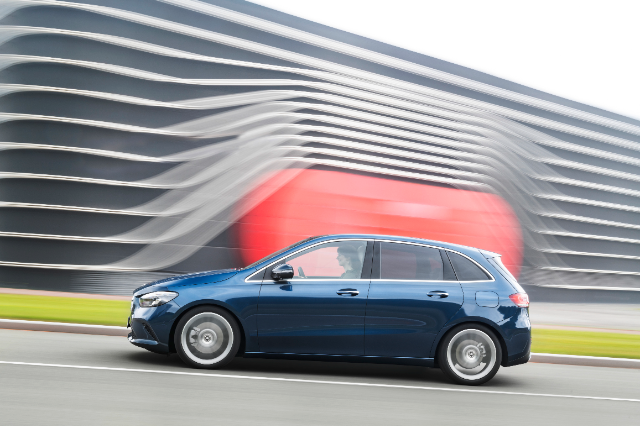
Looking at the figures, the B200d is the more efficient of the two vehicles, consuming some 1.1L/100 less fuel while offering similar acceleration to the petrol, granting it the victory in today’s comparison.
* Prices include VAT and CO2 tax and were accurate at the time of writing but may change without prior notice.