Jaecoo J7 Inferno AWD vs Jaecoo J7 SHS: Which one has the lowest running costs?
With only a R10 000 price gap between the petrol-powered Jaecoo J7 Inferno AWD and the new J7 SHS plug-in hybrid, which model costs less to live with? We compare finance instalments, real-world fuel consumption, wallbox setup costs, and maintenance to see which model makes the most financial sense.

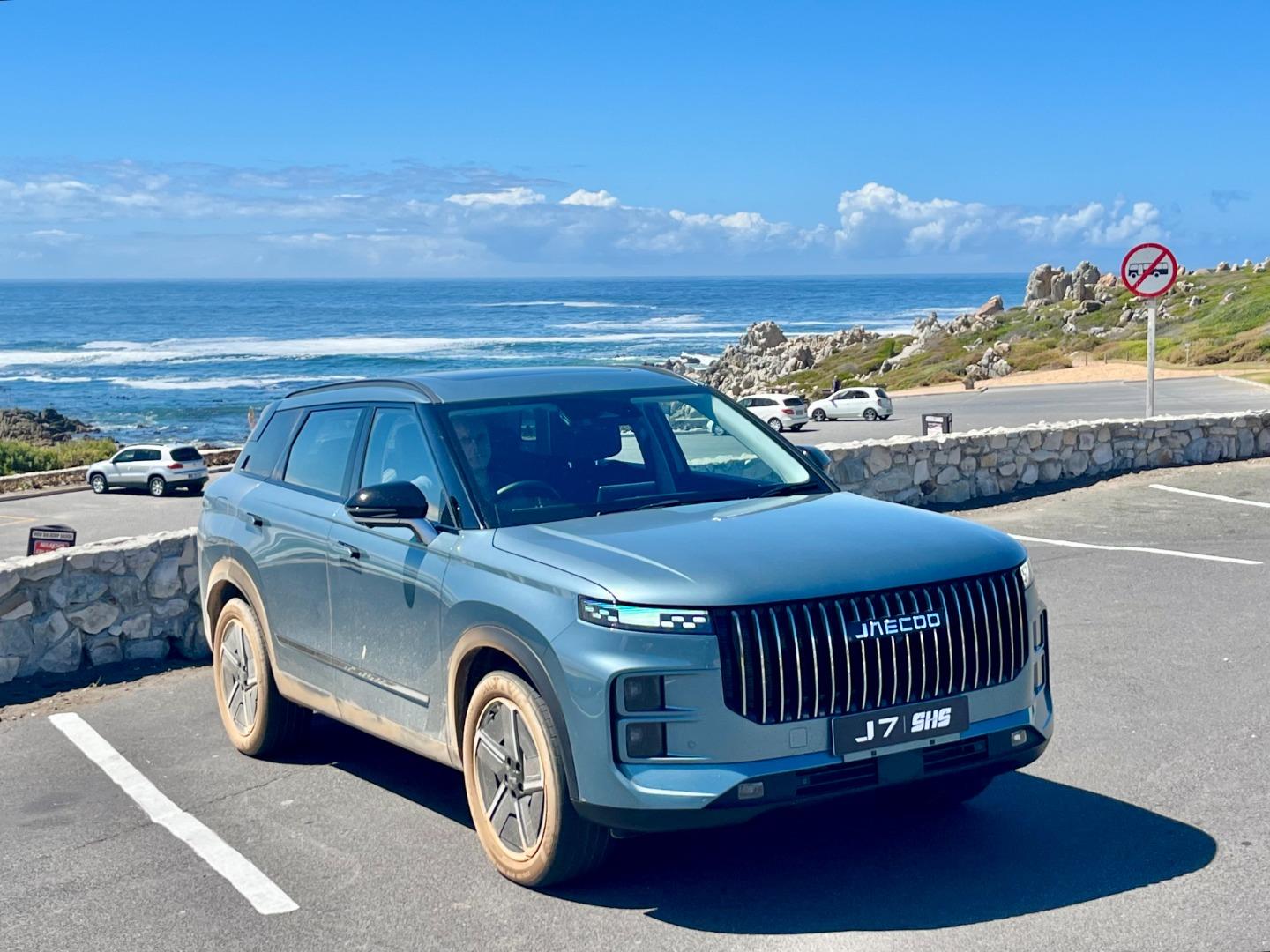
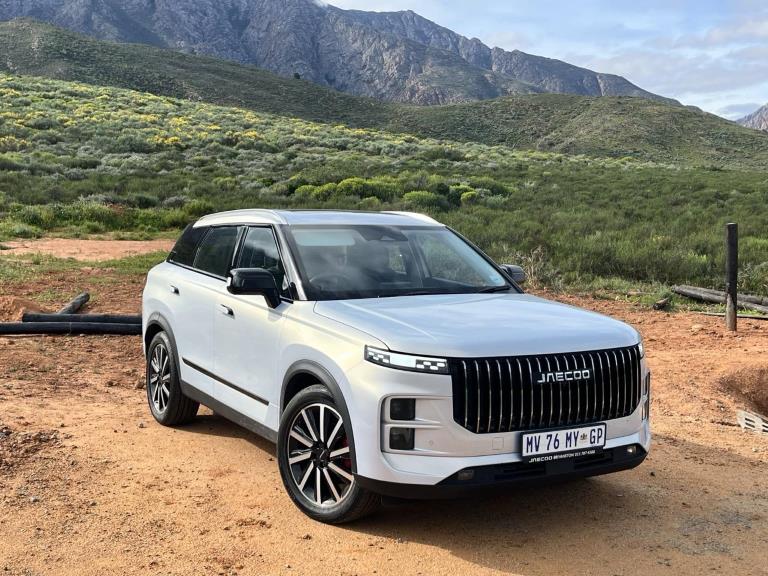
Jaecoo recently released the Super Hybrid System (SHS) plug-in hybrid model to South Africans, and it costs almost exactly the same as the pure-petrol, all-wheel driven Inferno model.
Since both flagship models are priced so closely, deciding between the two comes down to daily living costs. So let's compare its running costs against the new Jaecoo J7 1.5T SHS PHEV to see which one is actually lighter on your wallet in the long run.
1. Purchase price and monthly instalments
Usually, moving from a standard petrol vehicle to a Plug-in Hybrid Electric Vehicle (PHEV) means a significant price increase. That isn't the case here.
Jaecoo J7 1.6T Inferno AWD: R679 900
Jaecoo J7 1.5T SHS PHEV: R689 900
Check out our Car Finance Calculator
2. Fuel consumption
The SHS makes up for that R190 monthly difference almost immediately at the pumps.
The Inferno AWD has a 1.6-litre turbocharged petrol engine. Jaecoo claims an average fuel consumption of 7.8 L/100 km, but in real-world driving, especially in traffic, you can expect that figure to sit closer to 8.5-10 L/100 km on average. (Also see our Jaecoo J7 1.6T Glacier review here.)
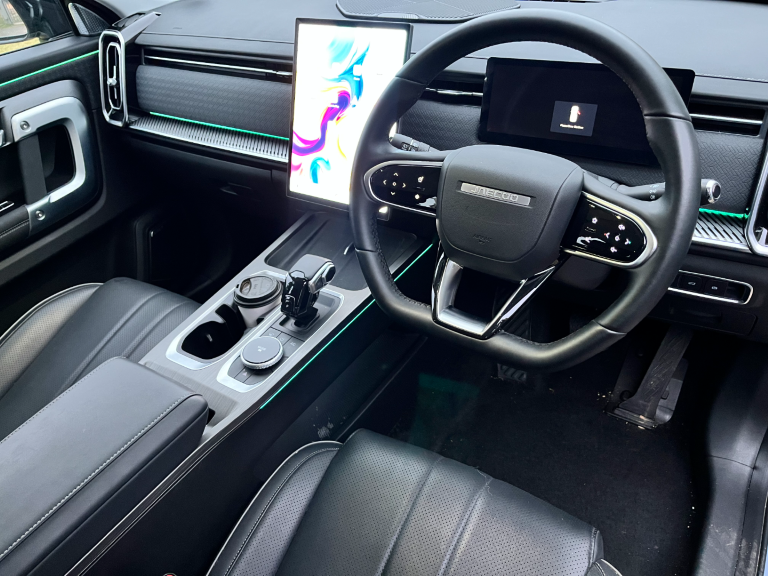
The SHS PHEV pairs a 1.5-litre turbo engine with an electric motor and an 18.3 kWh battery, giving it a claimed consumption of just 4.7 L/100 km. More importantly, it has a claimed pure electric range of up to 90 km. If your daily routine consists of school runs and grocery shopping under 80 km, and you plug the car in at home every night, you can get through the week without using any petrol. Even when you factor in your home electricity tariff, the fuel savings easily outweigh the slightly higher monthly vehicle instalment.
Related: Toyota's most economical cars
3. Maintenance and warranties
You shouldn't have to worry about servicing costs for the first few years since both models are backed by Jaecoo's comprehensive after-sales packages. Just be aware that some local owners across the broader Chery group have reported software glitches and cars randomly going into limp mode, with dealerships sometimes struggling to quickly diagnose these faults. Keep an eye on local Facebook ownership pages to get the skinny, and research thoroughly before you make a decision. Remember that many manufacturers have issues, not just Chinese ones. You can also look at owner reviews on HelloPeter and Reddit.
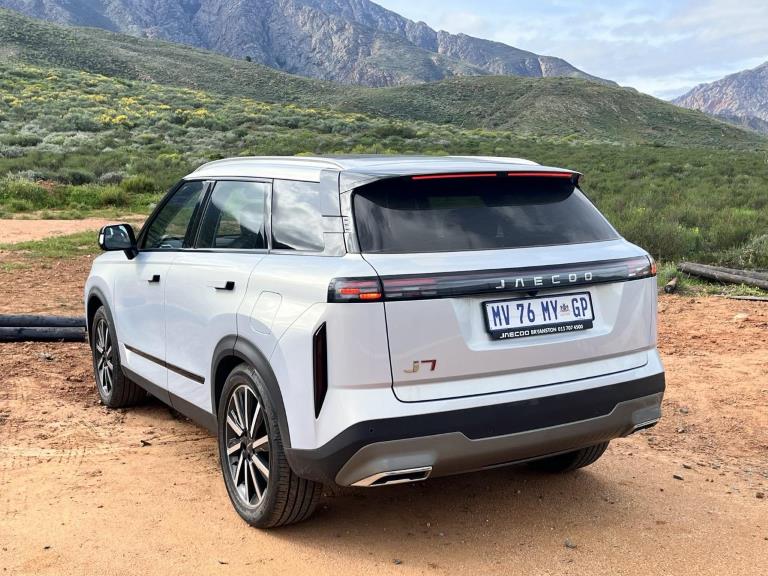
Both the Inferno AWD and the SHS come standard with a 5-year/70 000 km service plan and a 5-year/150 000 km mechanical warranty. First owners also get a 10-year/1-million km engine warranty. The PHEV’s battery is covered by a dedicated 8-year/150 000 km warranty, which gives some peace of mind regarding future replacement costs.
4. Insurance costs
The pure-petrol Inferno might have a slight advantage here. Because the SHS PHEV has a complex hybrid transmission and an expensive high-voltage battery pack, it could attract higher insurance premiums due to the cost of repairs in the event of an accident. Always get a quote for both models from your broker before making a decision.
What about the cheaper front-wheel-drive models?
If keeping your monthly costs as low as possible is your main goal, front-wheel-drive (FWD) ICE models are worth considering. The Vortex is priced from R519 900, and the Glacier from R579 900.
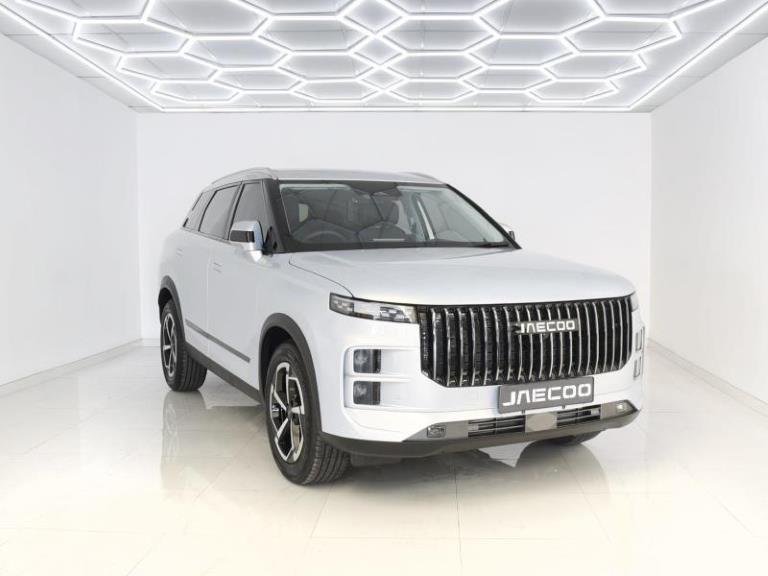
Because they don't have the heavy AWD system or hybrid batteries, they are lighter and have a better claimed fuel economy of 7.0 L/100 km.
Saving between R100 000 and R160 000 on the purchase price means your monthly finance instalment will drop by roughly R2 000 to R3 000 compared to the flagship models. Their lower retail value also translates to cheaper insurance. If you don't actually need AWD or plug-in tech, the mid-spec Glacier remains the most sensible buy.
Verdict
Looking purely at the numbers between the two flagships, the Jaecoo J7 SHS PHEV wins on running costs. For just R10 000 more than the Inferno, you get a much more powerful car (255 kW vs 145 kW) that will significantly cut your monthly fuel bill. If you can commit to plugging it in every night, the SHS is the better long-term financial choice.