Is the iCaur V23 overpriced in South Africa?
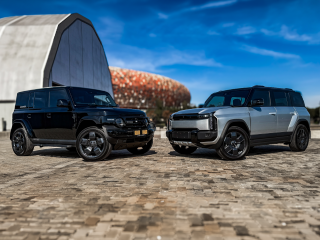
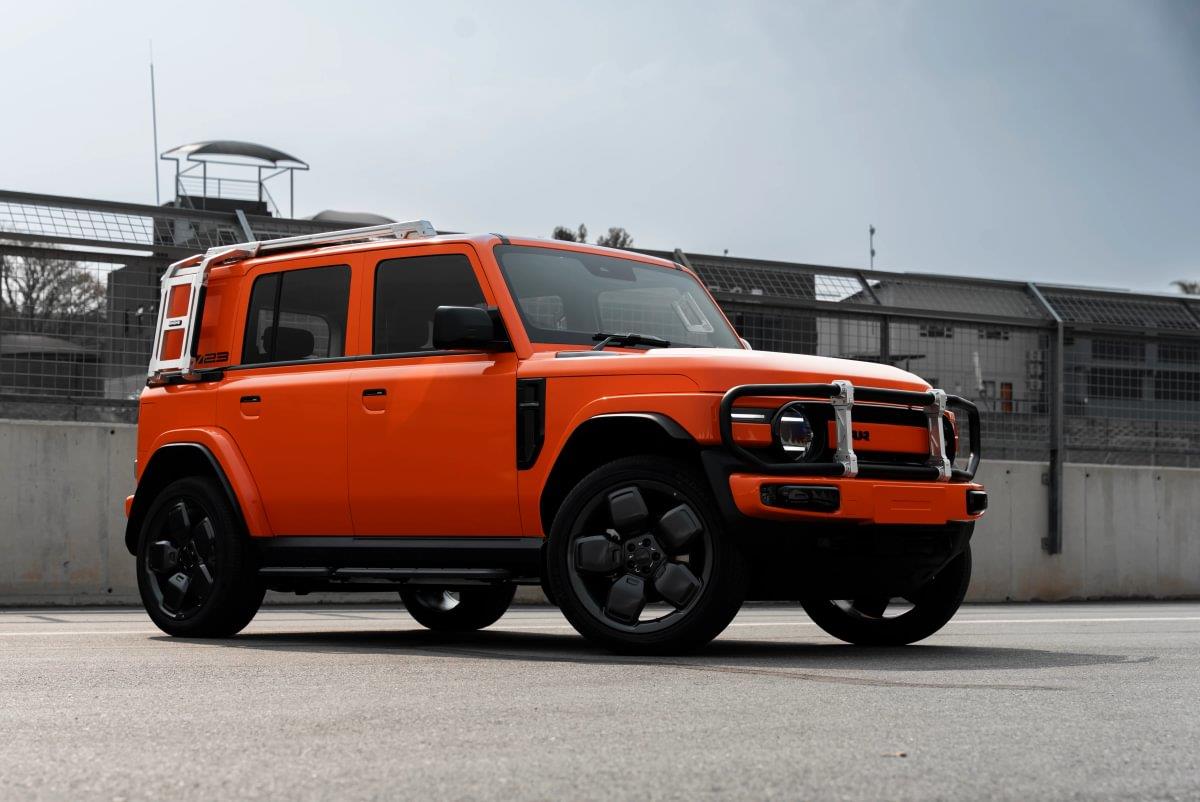
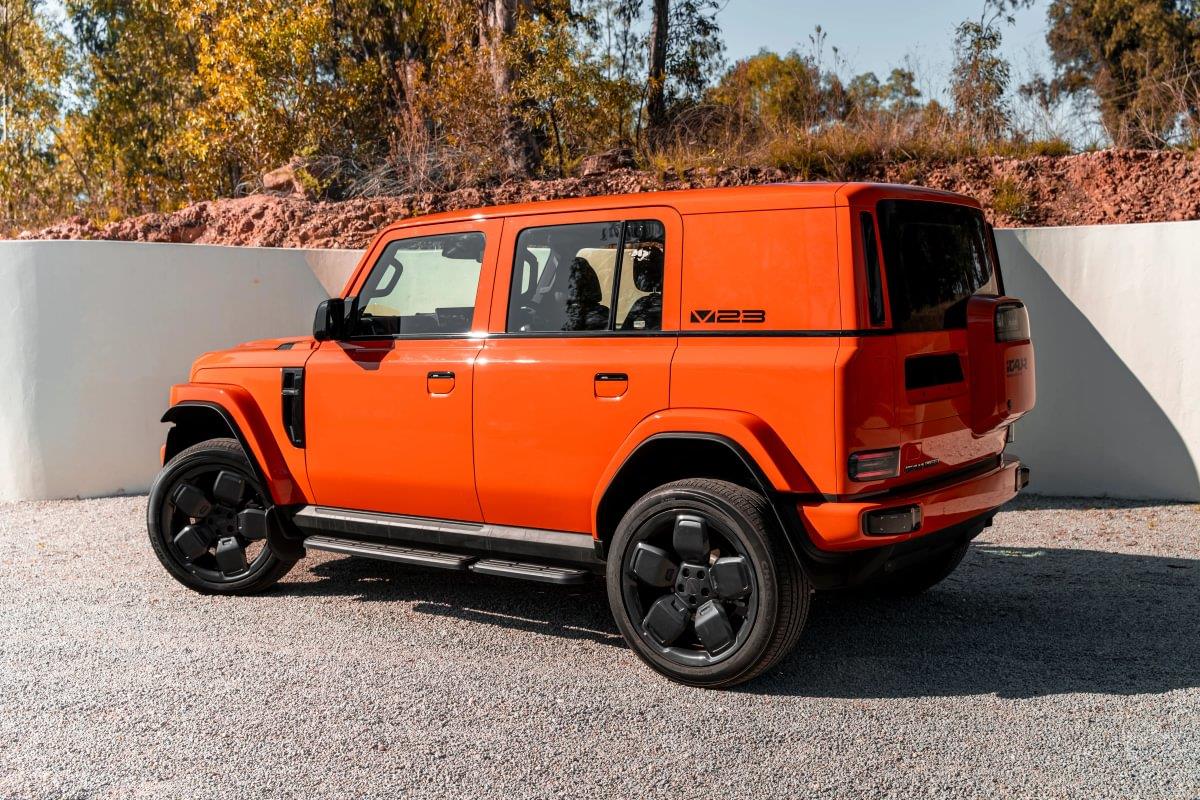
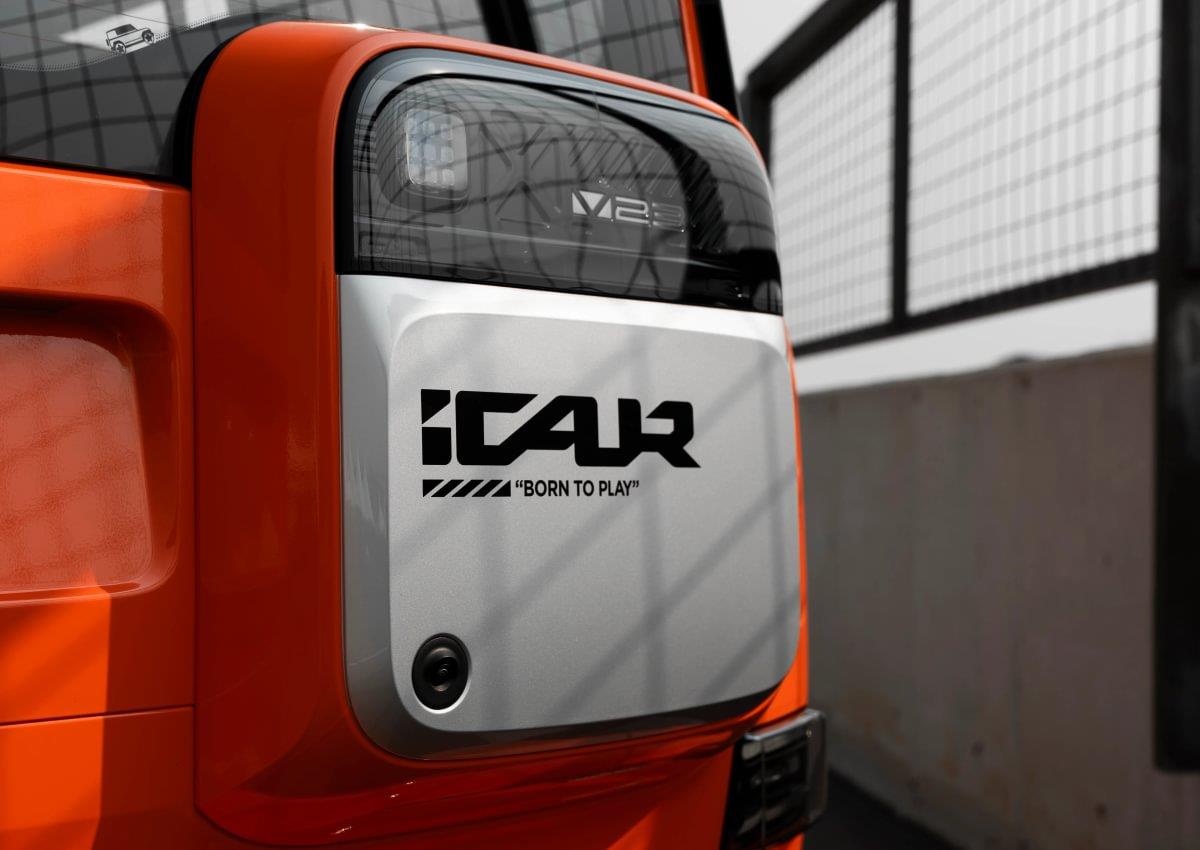
Chery’s newly debuted electric vehicle (EV) sub-brand, iCaur, has officially touched down on South African soil, sparking a massive debate across local automotive spaces. Boasting a distinctively boxy, retro-futuristic styling reminiscent of a high-tech mini Land Rover Defender or Suzuki Jimny, the V23 line-up has undoubtedly turned heads.

Yet, beneath the hype lies a jarring financial reality. While the entry-level iCaur V23 2WD launches locally at R519 900, the exact same car sells in its home market of China for roughly 110,000 RMB—which translates directly to just under R300 000. This 85% markup raises a fundamental question: Is the iCaur V23 a genuinely overpriced vehicle, or is it a good-value car despite being crushed by South Africa's penalising EV tax framework? We address this question as we have seen it being asked frequently on our social media channels.
Spec sheet
To understand the V23’s true value proposition, we first have to look at the baseline hardware arriving on local showroom floors. Despite the price inflation, Chery has packed the local models with specifications.
| Feature | iCaur V23 2WD (Base) | iCaur V23 iWD (AWD range-topper) |
| SA price | R519 900 | R669 900 |
| Est China price | ~R285 000 (110 000 RMB) | ~R310 000 (119 800 RMB) |
| Drivetrain | Rear-wheel drive (single motor) | All-wheel drive (dual motor) |
| Power/torque | 100 kW / 180 Nm | 155 kW / 292 Nm |
| Battery size | 59.9 kWh | 81.8 kWh |
| Claimed range | ~360 km | ~430 km |
| 0–100 km/h | 11.0 seconds | 7.5 seconds |
| Standard tech & features | 6 Airbags, Adaptive Cruise Control, 19-inch Alloys, Keyless Access, ADAS | 6 Airbags, surround view Cameras, 21-inch Alloys, keyless access, ADAS |
Mechanically, the vehicle represents a highly competitive new-energy package. While the base model's 11-second 0–100 km/h sprint won't break any land speed records, the inclusion of Level 2 autonomous driving features, artificial leather, standard climate control, and a massive 8-year/200 000 km vehicle warranty gives it an incredibly dense feature-to-price ratio compared to traditional internal combustion engine (ICE) cars.
Why is it priced like this in SA?
The price disparity between China and South Africa isn't due to Chery aggressively gouging local buyers. Instead, it is the direct result of an outdated, three-tier tax system that treats entry-level green mobility as a luxury. Bear in mind that in China, the government will waive a 5% tax (formerly 10%) on affordable EVs to encourage adoption.
+-------------------------------------------------------------------+
|               THE EV TAX ROADBLOCK IN SOUTH AFRICA                |
+-------------------------------------------------------------------+
|                                                                   |
|   [ Import Duty / Tariff ]                                        |
|   • Electric Vehicles (EVs): 25%                                  |
|   • Internal Combustion (Petrol/Diesel): 18% of brought in from
     Europe/UK due to trade agreements

     [VAT (15%) ]                   |
|                                                                   |
|   [ Ad Valorem Luxury Tax ]                                       |
|   • Based on vehicle value; adds up to an extra 30% but is 10-11%
      for the V23 based on our figures              |
|                                                                   |
|   [ Government Incentives ]                                       |
|   • South Africa: R0 consumer rebate                              |
|   • Global Average: R50 000 - R150 000 tax credit/rebate          |
|                                                                   |
+-------------------------------------------------------------------+
1. The 25% Import Tariff penalty
South Africa uniquely penalises electric vehicles at the border. While a traditional petrol or diesel car imported from Europe or Asia faces an 18% import tariff, full battery electric vehicles (BEVs) are slapped with a 25% import duty.
2. The Ad Valorem luxury trap
Because EVs are inherently more expensive to build upfront due to battery raw materials, their higher base cost triggers South Africa's sliding-scale Ad Valorem tax (a luxury excise tax). This adds an additional 0.75 to 30% to the vehicle's cost before it even leaves the port, transforming an everyday city commuter into an upscale purchase. For the V23, it's roughly 10-11%.
3. Zero consumer subsidies
In Europe, China, and even developing markets like India, governments offer direct tax rebates or cash-back incentives to lower the purchase barrier for the public. In South Africa, the government offers zero consumer incentives to buy an electric car. If you buy an EV today, you will not receive a single cent back from SARS.
4. VAT
All products sold in SA will be subject to a 15% Vale Added Tax.
5. Shipping
The ocean freight cost to ship a vehicle from China to South Africa ranges from $ 1 800 to $ 2 800 per unit. Converted to local currency, that means it costs a manufacturer roughly R33 000 to R50 000 just to secure a spot on a vehicle-carrying vessel from a Chinese port to Durban. While that baseline shipping rate might seem manageable on its own, remember that it triggers the worst of South Africa's tax landscape: because SARS levies import duties, luxury ad valorem taxes, and VAT on top of that shipping amount, it drastically amplifies the car's final showroom price.
When you add everything up, roughly R190 000 to R215 000 of the entry-level iCaur V23’s R519 900 price tag goes purely to shipping and state taxes. Then consider the 5% tax break Chinese consumers have enjoyed on the V23 due to local Chinese EV legislation, and the picture becomes clear.
China pulls back EV support
For over a decade, China offered a 10% purchase tax exemption for New Energy Vehicles (NEVs). When you bought an EV like the iCaur V23 in China, the standard 10% vehicle purchase tax that applied to combustion cars was completely waived.
However, looking at the data shows that this massive incentive just changed:
The decade-long free ride just ended: Starting January 1, 2026, China officially cut that full exemption in half.
The new 2026 reality: Buyers in China now have to pay a 5% purchase tax on EVs priced under 300,000 RMB (R730 000). It's no longer 100% tax-free.
The policy shift
The local automotive sector has reached a breaking point and is actively lobbying the state with a unified message: “You cannot incentivise EV production on one hand and penalise EV adoption on the other.”
Thankfully, the legislative gears are finally beginning to turn, though they heavily favour the long game:
The 150% manufacturing incentive: Effective March 1, 2026, the government officially instituted a landmark tax amendment allowing automotive brands to claim a 150% tax deduction on investments geared toward building localised EV production facilities.
The SADC battery material expansion: As of June 2026, the International Trade Administration Commission (ITAC) proposed expanding local automotive industrial incentives to include critical battery minerals (like lithium, cobalt, and copper) sourced within the Southern African Development Community. This aims to secure the regional supply chain so local assembly lines can go live seamlessly.
- The consumer catch: While the Department of Trade, Industry and Competition (DTIC) expects South Africa to begin rolling local EVs off production lines, these manufacturing policies are designed to protect South Africa's massive auto-export market to Europe. Industry experts estimate that actual demand-side consumer tax relief—such as dropping the 25% import duty to match ICE vehicles or scrapping the ad valorem tax—is unlikely to be phased in for everyday buyers until 2030 or later.
- The cynic in me: We need more government support for electric cars when it comes to taxation. While there appears to be a framework coming into place, the cynic in me can't help but feel that the government isn't too interested in encouraging electric mobility when it makes a large sum on fuel levy tax.
The Nissan Rosslyn Plant Buyout
In mid-2026, the Competition Commission officially greenlit Chery South Africa’s acquisition of Nissan’s historic Rosslyn manufacturing plant in Gauteng. After Nissan ended its 60-year local production run, Chery swooped in to buy the facility, its stamping plant, and its infrastructure with the express goal of manufacturing selected Chery SUV models locally.
This isn't just about creating local jobs or building Tiggos in Pretoria—this is a calculated move to tap into South Africa's highly lucrative Automotive Production and Development Programme (APDP Phase 2).
Jetour to build T1 and T2 in South Africa by 2027
How the "APDP Cheat Code" Works for iCaur
Under the APDP2 regulations, automakers who build cars in South Africa don't just get a pat on the back; they earn Production Rebate Certificates (PRCs).
Here is how that directly benefits an imported EV like the iCaur V23:
Earn: For every vehicle Chery manufactures at the newly acquired Rosslyn plant, the government calculates the "local value addition" (labour, local parts, assembly) and issues PRCs—essentially duty-credit vouchers—to Chery.
Burn: Chery can then take those PRCs to the customs office and use them to offset the import duties on fully built-up cars they bring in from overseas.
Subsidising the V23
Because iCaur operates as a sub-brand under the Chery Overseas Industrial Investment umbrella, they share the same corporate ledger in South Africa.
Even if the iCaur V23 is never assembled in South Africa, Chery can use the PRCs generated by building standard petrol SUVs in Rosslyn to wipe out the 25% import tariff on the V23.
If Chery uses its production credits aggressively, they could effectively subsidise the cost of their EV imports. This gives them two options:
Option A: Keep the V23 at R519 900 and pocket the 25% tax saving as pure profit.
Option B: Pass the APDP tax savings onto the consumer, dropping the V23's price closer to the R400 000 mark. At that price point, it would dominate both the EV and standard ICE compact SUV markets.
Furthermore, if Chery decides to eventually assemble the V23 locally at Rosslyn, they would qualify for the government's new 150% manufacturing investment tax deduction (which went live in March 2026), drastically lowering the cost of setting up their local EV assembly lines.
So, while the iCaur V23 is currently the victim of South Africa's harsh import taxes, Chery's acquisition of the Rosslyn plant means they are uniquely positioned to hack the tax code.
Verdict
If South Africa simply equalised EV import tariffs with petrol cars and dropped the luxury ad valorem penalty, the base iCaur V23 could easily sit closer to R400 000. At that price point, its retro styling, low running costs and standard tech would make it impossible to ignore.
Therefore, the iCaur V23 is not an overpriced car; it is a well-priced car that has been artificially inflated due to our local government's archaic legislation. Local drivers looking at the R519 900 price tag aren't being ripped off by the manufacturer—they are simply paying a steep premium to a state framework that hasn't yet aligned its green goals with its tax codes.