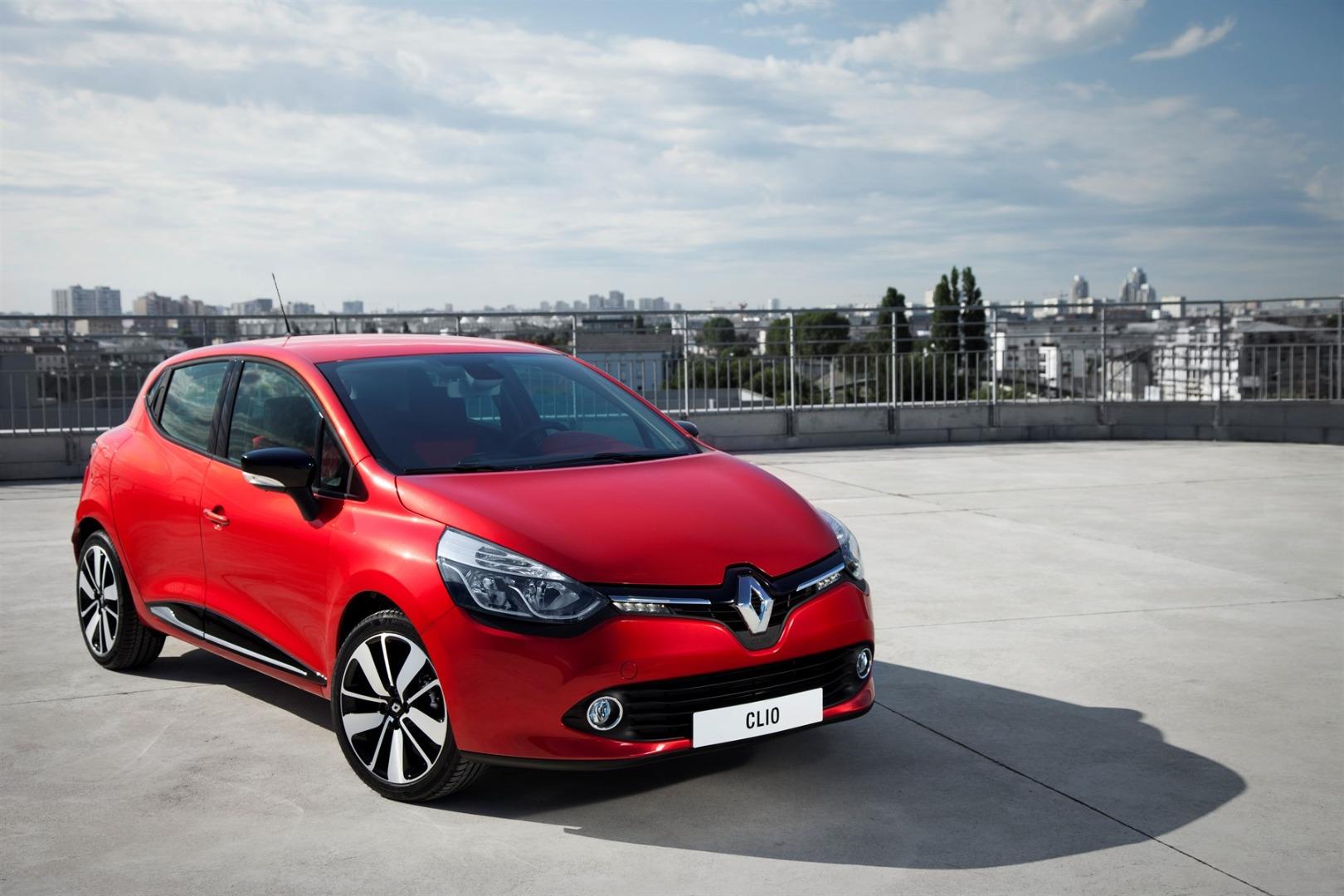
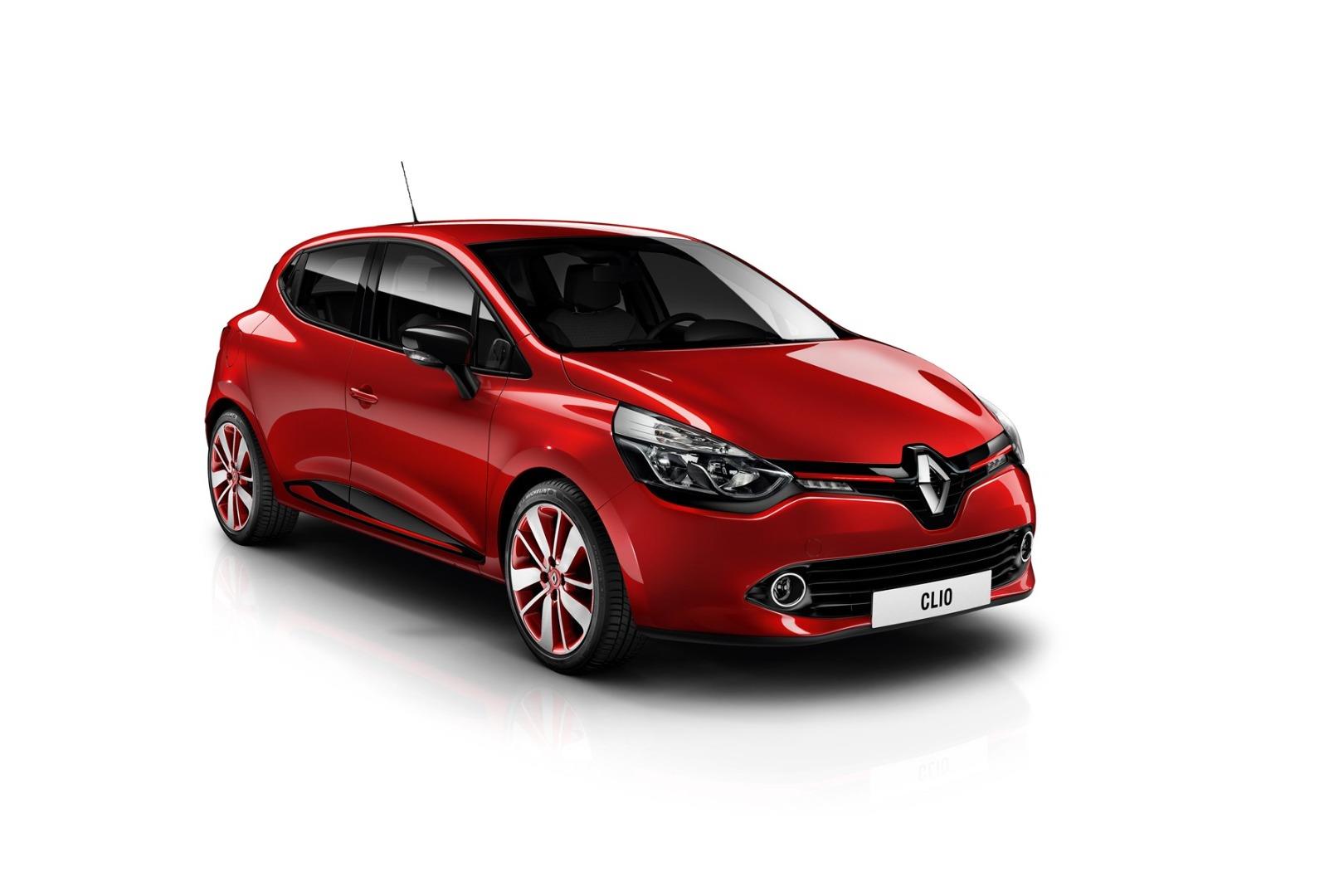
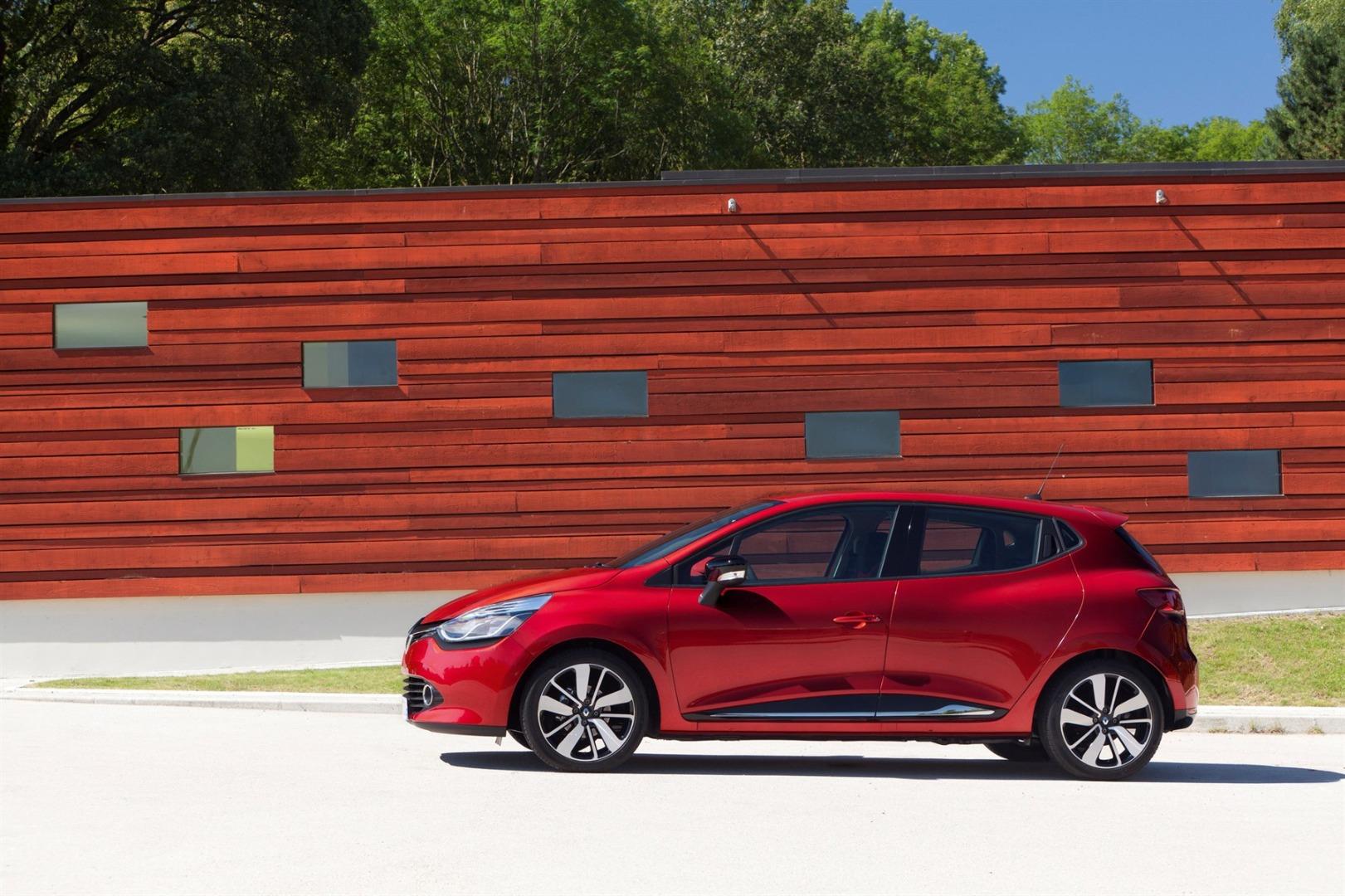
The Mark 4 Renault Clio enjoyed some decent popularity during its run in South Africa. There's a general scepticism surrounding French cars due to an era of reliability issues, as well as quirky engineering that can be difficult to service. The engines in the Clio are also a result of the Renault-Nissan alliance. Things have improved, though, and for this article, we'll look at how reliable the Renault Clio Mk4 is. Let's start with the engines.
Related: Renault Clio GT-Line

Clio Variants
- 1.2 Authentique
- 0.9 Turbo Expression
- 0.9 Turbo Dynamique
- RS 200 EDC Lux
- RS 200 EDC Cup
- 0.9 Turbo GT-Line
- 1.2 Expression Turbo Manual / EDC
- 0.9 Turbo Authentique
- 1.2 Turbo GT-Line
- RS 200 EDC Trophy
- Clio RS 18 F1
Available engines
| Engine Code | Engine Description | Found in |
| H4Bt 400 (0.9 TCe 90) | 0.9-litre turbocharged petrol 3 cylinder |
|
| D4F 740 (1.2 16v 75) | 1.2-litre naturally aspirated petrol 4 cylinder |
|
| M5Mt 401 | 1.6-litre turbocharged petrol 4 cylinder |
|
| H5F 408 (1.2 TCe 120) | 1.2-litre turbocharged petrol 4 cylinder |
|

Engines Pros and Cons
1. 0.9 TCe 90 (H4Bt 400)
This is a 0.9-litre turbocharged 3-cylinder petrol engine. It's one of the more common engines you'll find in this vehicle.
This engine has been considered fairly robust, though some issues have been reported. Namely, the timing chain stretching and ignition coils failing. In terms of catastrophic failure, in some specialist forums, it's been noted that around 150 000km, there have been engine failures after oil consumption was noticed.
2. 1.2 16v 75 (D4F 740)
This is the 1.2-litre naturally aspirated 4-cylinder petrol engine. This engine has been around for some time and has enjoyed some fanfare for being pretty robust. However, it was later replaced by a different turbocharged unit during the Clio Mk4's lifecycle.
Reported issues include failing ignition coils and catastrophic engine failure if the timing belts haven't been changed at the specified intervals. The motor can become noisy if the valves aren't adjusted after some time. Also, this motor is susceptible to oil leaks.
3. 1.6 Turbo (M5Mt 401)
This is a NISMO (Nissan Motorsports International) sourced engine for the Clio RS. This was the same engine used in the Nissan Juke, but it is tuned differently for the Clio RS.
This engine is quite strong but susceptible to timing chain stretch, and it is high-maintenance due to its performance-oriented design. This engine is vulnerable to sensor failures, such as MAP/MAF and boost pressure sensors.
The issues with the RS stem more from the Getrag transmission, which, due to careless behaviour of previous owners, can be damaged, resulting in rough operation.
4. 1.2 TCe 120 (H5F 408)
This is a 1.2-litre turbocharged 4-cylinder petrol engine. Unfortunately, this engine is probably the least reliable out of the lot. To the point that there was a class-action lawsuit surrounding the engine.
Oil consumption is notoriously high, to the point where there were reports of engines consuming 1 litre per 1000km. Timing chain stretch and carbon buildup have been reported in this direct-injection engine. Other oil-leak locations include the crankshaft oil seal and the crankcase ventilation pipe. Finally, overseas, an engine control unit firmware update was released to address engines running roughly.

Miscellaneous issues
There was a front brake hose recall due to hoses being fitted incorrectly, resulting in leaks, and the rear retaining clips may be incorrect. This issue affected vehicles manufactured between 2013 and 2014
Some suspension components wear prematurely, such as the anti-roll bar links, shock absorbers and control arm bushings.
As mentioned earlier, the Getrag transmission, which is also used in the 1.2-litre turbo variants, does suffer from gear change issues. In the performance RS variant, much of it is due to careless operation. Still, other reported problems include early Clio variants experiencing worn mechatronics units and software glitches.
Other faults relate to general electrical issues, such as sensor failures and warning lights on the dash. Another includes the Key Card fob not being detected, resulting in the car refusing to start.

Verdict
If you opt for the later 0.9-litre turbocharged or earlier 1.2-litre non-turbo equipped models, the Clio is not a bad option to consider, provided the vehicle has been maintained accordingly. We'd steer clear of the 1.2-litre turbocharged units, though. If you want something spicier like the RS, then ensure that the vehicle has at least been cared for.
You can search for the latest Renault Clio Mk4 deals and sell your car too.