
Here is a guide to help you navigate the roads safely and stay calm this month.
Prepare for the Janu-worry traffic shift
The most dramatic change in January is the return of the school run and morning commutes.
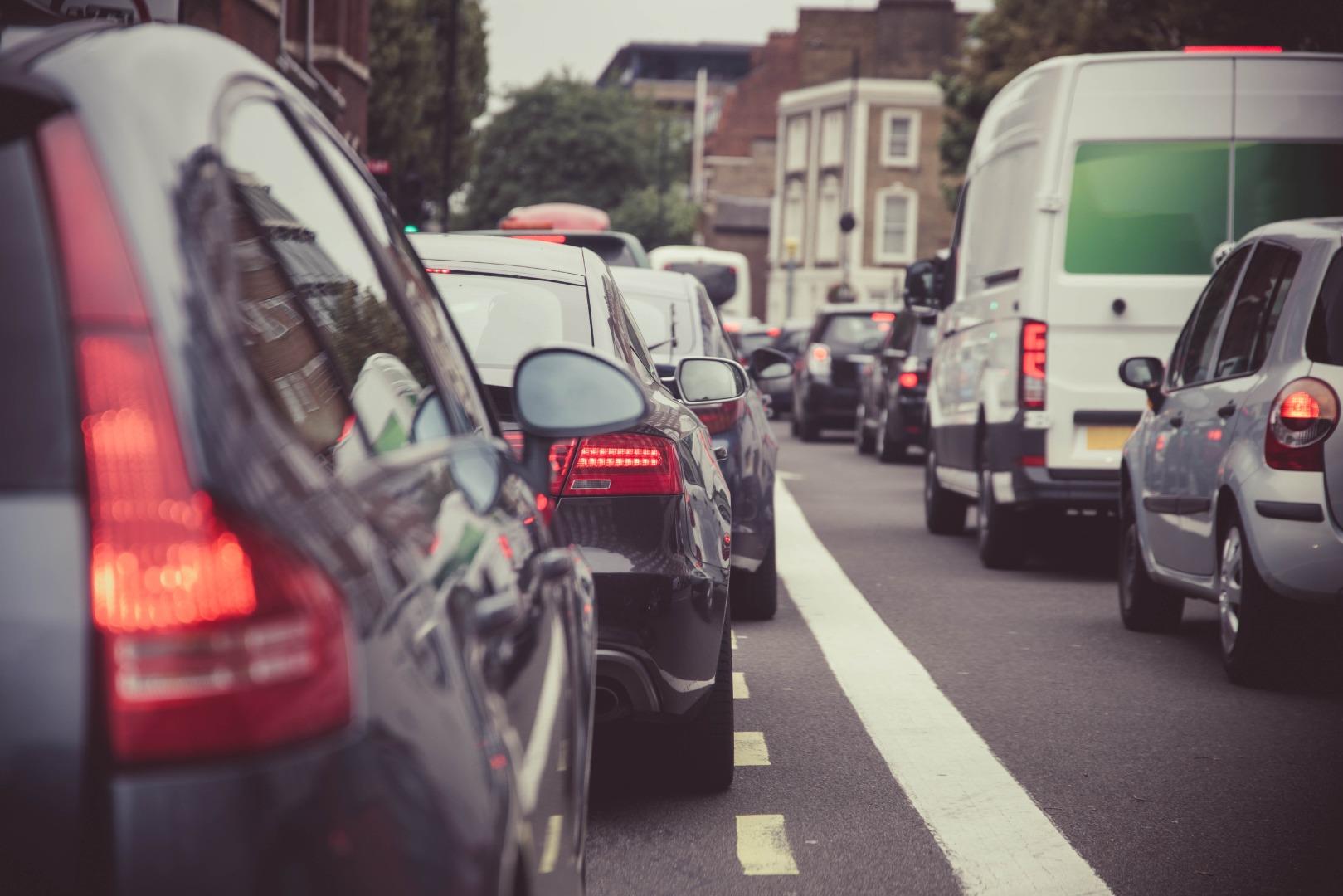
The school surge: Expect a massive spike in traffic around mid-month. School zones become high-risk areas with kids and scholar patrols—default to 30km/h in these zones, even if not signposted.
Update your maps: If you use GPS apps (Google Maps/Waze), start checking them 15 minutes earlier than you did in December. Roadworks often resume in the second week of January.
The "robot" rule: Loadshedding or summer storms often knock out traffic lights (robots). In South Africa, a dead robot must be treated as a four-way stop: the first vehicle to arrive at the line has the right of way.
Master the summer storms
January brings intense afternoon thunderstorms, especially in the interior (Gauteng, Free State, Limpopo).
The 20% rule: In heavy rain, reduce your speed by at least 20% below the limit. Braking distance can increase by up to 50% on wet tar.
Avoid standing water: Just 30cm of moving water can sweep a car away. If you can't see the road surface through a puddle, don't drive through it.
Wiper check: Heat from the December sun often cracks wiper blades. Replace them now before the next cloudburst hits.
Manage the extreme heat
January is often the hottest month of the year, which takes a toll on both the driver and the car.
Tyre pressure: Heat causes air to expand. Check your tyre pressure when they are cold (before a long drive) to avoid blowouts.
Glare management: The January sun is lower and harsher during morning and afternoon commutes. Keep a pair of polarised sunglasses in the car and ensure your windscreen is clean—dust and streaks significantly worsen glare.
Engine coolant: High temperatures put your cooling system to the test. Ensure your coolant is topped up to prevent overheating in stop-and-start traffic.
Defensive driving & safety
The end of the holidays often means tired or impatient drivers are rushing back to the cities.
The "two-hour" rule: If you are still finishing a long-distance trip back from holiday, stop every two hours or 200km. Fatigue sneaks up and is a leading cause of accidents in the early part of January.
Smash-and-grab awareness: As you head back into urban areas, keep valuables (laptops, handbags, phones) out of sight. Keep windows closed and doors locked at all times, especially at intersections.
Patience with Taxis: Taxis will be operating at high frequency as commuters return to work. Give them extra space and be prepared for sudden stops.
Vehicle checklist for January
| Item | What to Check |
| Tyres | Ensure at least 1.6mm of tread (3mm is safer for rain). |
| Lights | Check indicators and brake lights (crucial for low-visibility storms). |
| Battery | Extreme heat can drain older batteries just as much as cold. |
| Emergency Kit | Keep a power bank, water, and a basic first-aid kit. |