Internal combustion engines require three things in order to run; fuel, compressed air, and a well-timed ignition source. Remove one of those, or introduce one of those at the wrong time or in the wrong quantity and the engine will not run correctly. Adding too much of one and not the other will have the same effect. All three work together to produce the power that drives your vehicle forward.
Related: Car engine types explained
It is possible to introduce more air, more fuel and a stronger spark to increase the power of the engine. In a diesel engine, increasing the fuel pressure will see a rise in the power output but with a petrol engine, it's not as simple. Burning more fuel will increase the power provided that the correct amount of air is introduced to allow it to burn at the correct ratio (which is Stoichiometric or 14.7:1 - 14.7 parts air to 1 part fuel). For this you need to pump air in - this is called forced induction.
Ordinarily, in what's known as a naturally aspirated engine, the downward intake stroke of each piston creates a vacuum that sucks in a set amount of air into the combustion chamber. The intake valves close and no more air is able to enter the combustion chamber. The only way to increase this amount (and in turn be able to effectively introduce additional fuel to burn) is to pump air in at pressures above atmospheric.
Turbos and Superchargers
Both turbochargers and superchargers are nothing more than air pumps, pumping air into the engine so that more fuel can be introduced. Their operation differs somewhat but both perform the simple task of introducing additional air into the combustion chambers.

Turbochargers
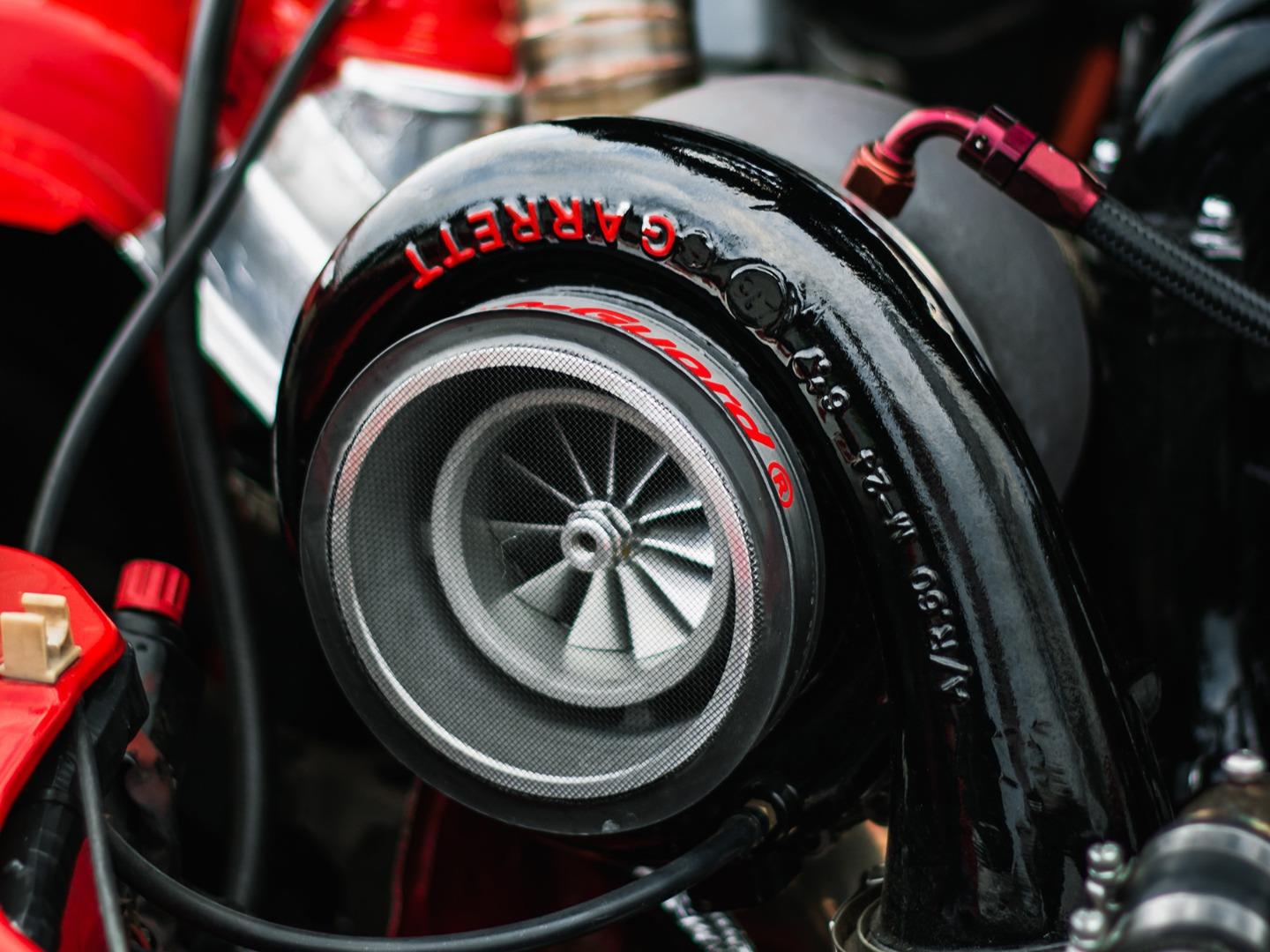
A turbocharger comprises of three key sections; a turbine housing, a compressor housing, and a centre core that houses the shaft and bearings. On either end of this shaft is a bladed wheel that rests inside either the compressor housing or the turbine housing. Each housing has an inlet and an outlet for air to pass through. The bladed wheel sits on the pathway and is excited by the air that passes by, spinning the wheel.
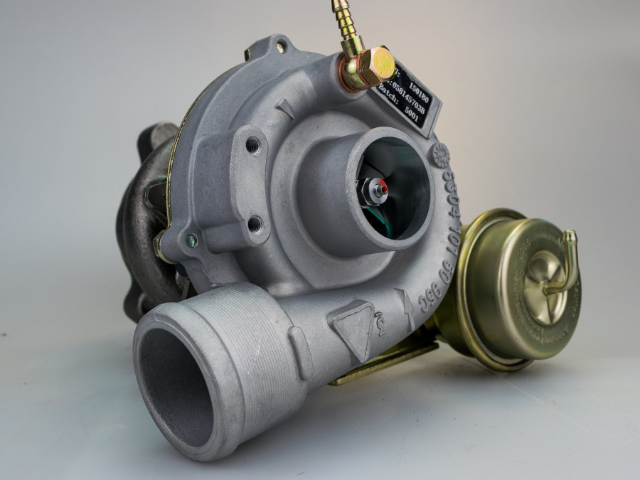
Turbochargers are connected to the exhaust outlet of the engine. The air that is expelled from the engine is passed through the turbine housing, going in the inlet, over the turbine wheel, and out the outlet which is connected to the rest of the exhaust pipe of the car. The passing air spins the turbine wheel and because the turbine wheel is fixed to the shaft, the compressor wheel on the other side of the turbo also starts to spin.

On the opposite side of the turbocharger is the compressor housing with the compressor wheel that is now spinning. Because of the blades on this wheel, the air is sucked into the compressor housing, compressed into a narrow space and forced out of the turbo. This outlet from the compressor is connected to the intake of your engine (via a cooling system as the temperature of the air increases as it is compressed) where the compressed (charged) air is guided into the combustion chamber.
This additional air compensates for the vacuum and creates positive air pressure. This is known as boost pressure. Extra fuel can now be added to achieve Stoichiometric values and this allows the engine to produce more power.

Superchargers
Superchargers work on a similar principle to turbochargers in that they pump air into the engine but their main difference is that they do not use exhaust gasses to start the compression of the air. Instead, superchargers are driven by an accessory belt connected to the crank of the engine. This results in what's known as parasitic loss. In simple terms, with a supercharger, it takes power to make power. The additional strain of having to turn the supercharger draws power from the engine where a turbocharger uses waste gasses instead. It's for this reason that turbochargers are preferred in passenger cars over superchargers.
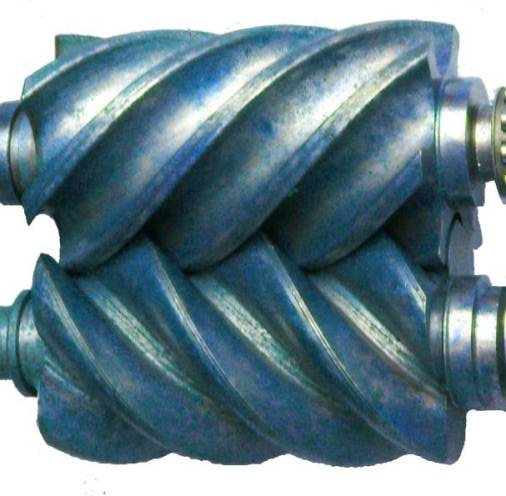
There are several kinds of superchargers but they all perform in a similar way. The positive displacement types include the Roots, Lysholm Twin Screw, Sliding Vane and Scroll-type. The internal mechanism customarily consists of two interlocking lobes that, when rotated, suck in, compress and displace air.
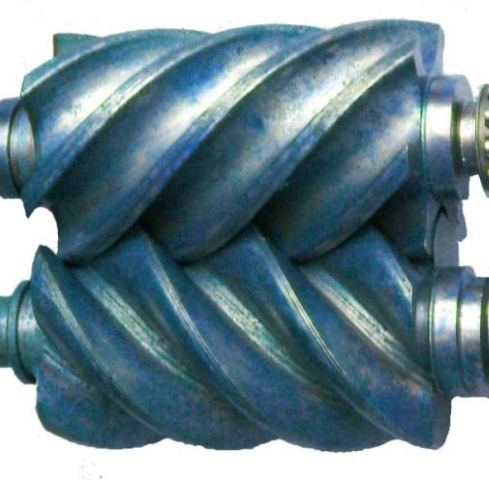
Superchargers benefit from the direct drive from the engine and start spinning the instant the engine turns over as a result. This allows for air to start being pumped in from as low as idle and the volume of air increases as the engine speed increases. This gives supercharged engines a linear power increase as opposed to turbos who rely on the exhaust gas velocity and are only able to produce useable boost pressure higher up in the rev range.