Should you buy an electric car?
There is no getting away from the fact that all-electric vehicles are the future, with all major manufacturers having released or currently developing an electric vehicle (EV) of some sort. With many countries in Europe, the United Kingdom and various other nations committing to an all-electric new car market by 2030 or 2040 respectively, the progress towards the electric future is in full swing.
From a South African perspective, things have gotten off to a slower start, with high taxation for EVs, no government incentives to purchase an EV and a market that still prefers its petrol and diesel cars. The South African market will be inundated with new EVs in 2022, meaning that local drivers, particularly those in the premium space will likely consider one as their next vehicle. The question is, should you consider buying an EV? We will attempt to answer that question today.
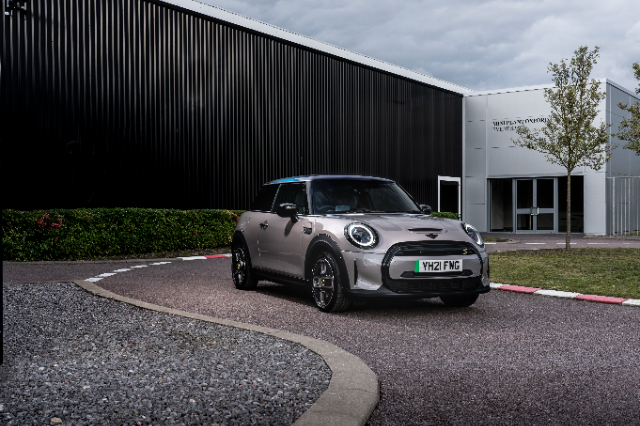
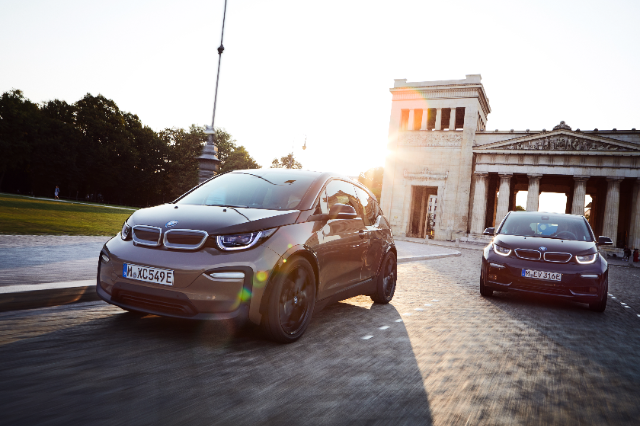
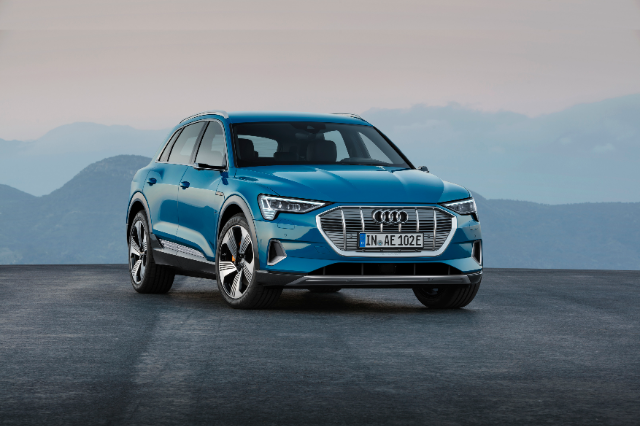
At the time of writing, the cheapest new EV listed for sale in South Africa was the Mini Cooper SE Hatch 3-door, which retails for R686 400 while the costliest was the Porsche Taycan Turbo S, which was listed at R4 061 000. This means that the price range for EVs makes them out of the average South African's budget, with the more affordable EVs such as the Mini Copper SE and BMW i3 offering less than 200km of real-world driving range on a single charge. EVs with more meaningful range such as the Jaguar I-Pace, Audi e-tron and BMW iX command a significant premium, all retailing for over R1.5-million.
Aside from the range to price ratio, the big talking point with EVs is charging, and we're further along in terms of infrastructure than many may think, with over 170 fast chargers located throughout South Africa and a charging point every 200km on our national roads. While fast chargers and infrastructure are important, home charging is really where an EV owner will reap the benefits of the reduced running costs. Once the budding EV owner invests in the installation of a home charging box that is able to charge faster than a regular wall socket, this signifies a commitment to EVs for the foreseeable future.
Which EVs are currently for sale in SA?*
Mini Cooper SE Hatch
BMW i3
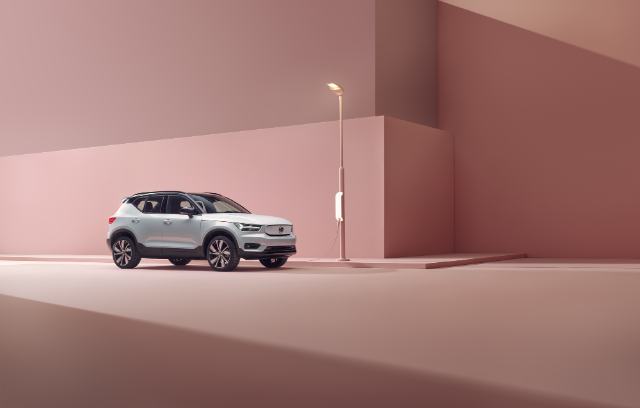
Volvo XC40 P8 Recharge
Audi e-tron
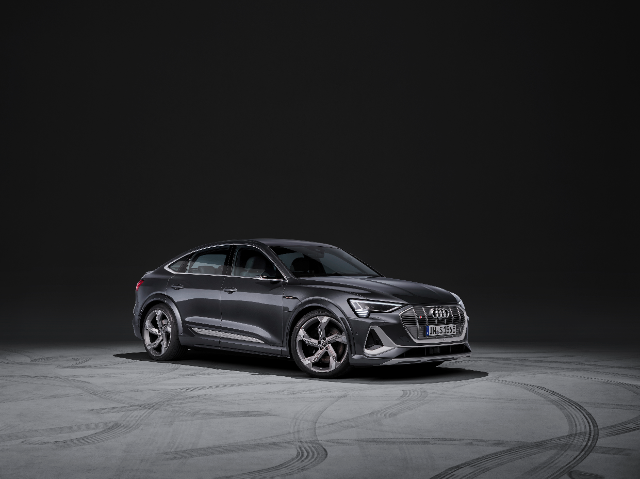
Jaguar I-Pace
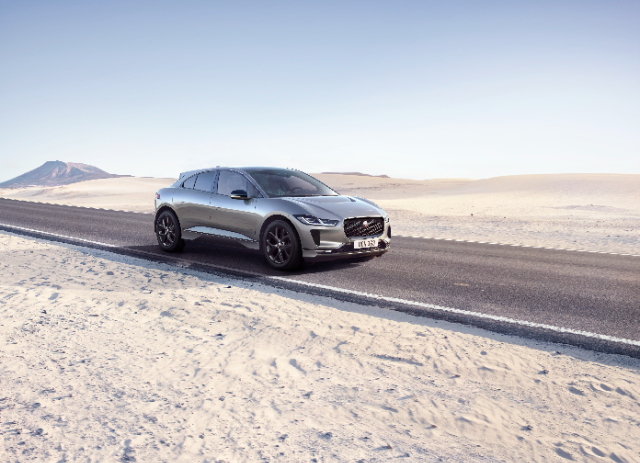
Porsche Taycan
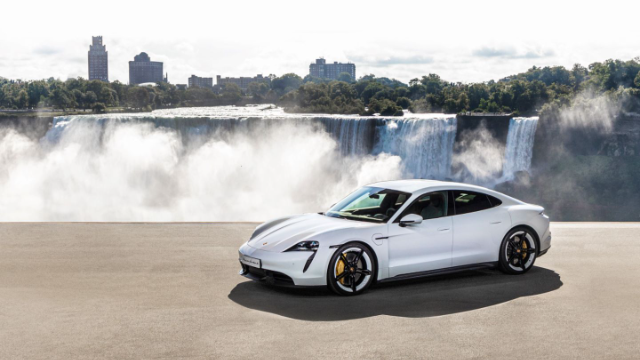
BMW iX
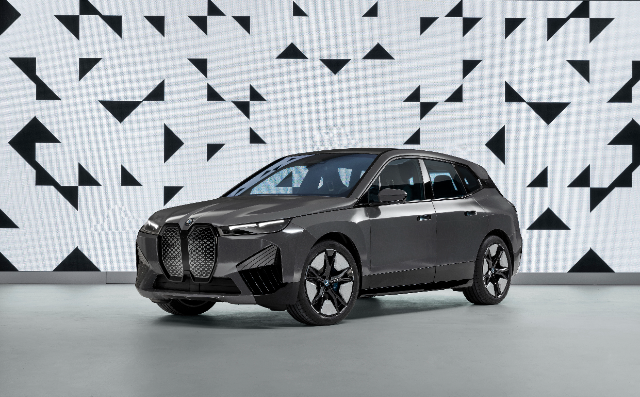
Porsche Taycan Cross Turismo
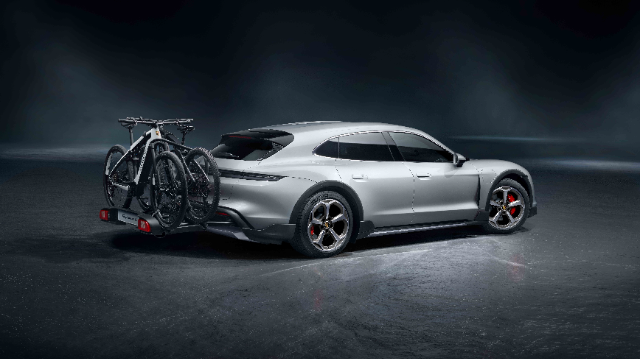
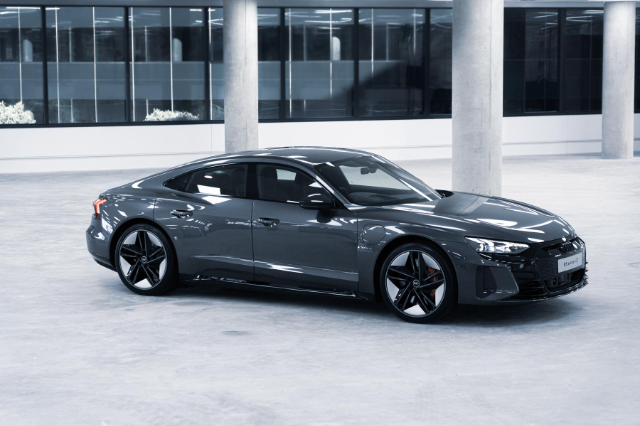
Audi e-tron GT

Audi RS e-tron GT
*The vehicles on this list were the only new EVs listed for sale at the time of writing.
Pros and cons of EVs
When determining whether or not an EV is for you, a 'pros and cons' list will compartmentalize things and make your decision easier. Let's explore the pros and cons.
Pros
-Early adoption of the technology will prepare you for the future
- Zero emissions driving means your local area will have better air quality
-Your personal mobility running costs will be drastically reduced
-Performance is impressive
-Refined and quiet driving experience
Cons
-South Africa still burns coal to produce its electricity, meaning your Ev will still be responsible for emissions
-No government tax break or incentives for EVs yet
-Higher cost of EVs versus similar petrol and diesel-powered cars
-Limited driving range
-Charging time
-Charging points
-The need to plan trips around charging
Verdict
The simple answer is, yes, you should at the very least consider an electric vehicle as this has been deemed the propulsion technology of the future. Once government start supporting EVs and reduce taxation, it will make even more sense to purchase an EV too. Another big step EVs need to make is to provide electric versions of both a bakkie and a small crossover or hatchback such as the Volkswagen Polo Vivo, which will then lure locals to the world of EVs.
The other big step is the advancement of battery and charging technology which will allow for between 500-1000km of range on a single charge while bringing charging time down to less than 20 minutes. These scenarios are all going to be a reality in the future, so if you have the means, it may just be the perfect time to start adapting to electrified personal mobility.