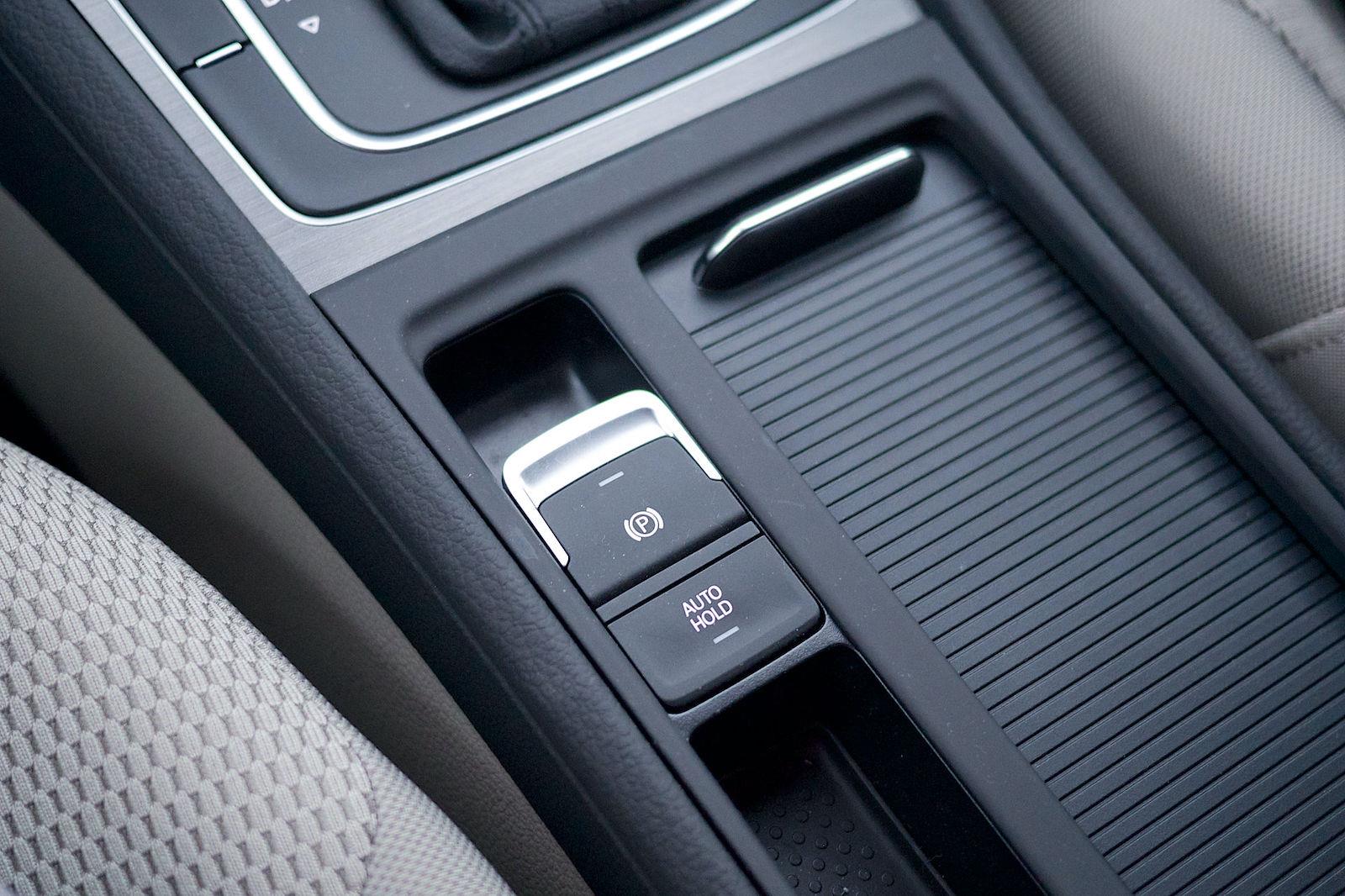
The electronic handbrake made its first public appearance in 2001 when BMW fitted the system to their 7 Series model range. All vehicles are fitted with a handbrake. Not only is it used for when the vehicle is parked but during operation too as it will prevent the car from rolling backwards on inclines or from rolling forward should someone crash into you at a stop or traffic light.
While traditionally and even some cars today feature a manually operated handbrake, a considerable amount of new vehicle comes fitted with an electronic handbrake. Let us take a look at how it works.
How does it work?
With a vehicle fitted with a manually operated handbrake, the driver will pull on a centrally mounted lever. This lever in return will increase tension on a cable fitted between it and the drum or disc brakes at the rear of the vehicle. This tension will pull the brake pads towards the disc or drum which in turn will prevent the wheel from turning.
Cable puller electronic handbrake systems work in a similar fashion, however, utilises an electric motor to increase the cable tension. This is why you might hear a whiz like sound as the electronic handbrake is engaged by pulling on the switch. Other automakers have opted for caliper integrated systems that move all operations to the rear calipers which result in less noise generated.

Operation
As alluded to earlier, the driver can activate the electronic handbrake at any time provided the vehicle is stationary by pulling on the small switch fitted in the cabin. Should drivers want to release the handbrake, they can do so by applying pressure on the brake pedal and by pressing down on the switch.
For vehicles with automatic transmissions, most automakers have incorporated automated electronic hand brake functions such as automatically releasing the brake as soon as the vehicle is shifted into drive and the accelerator pedal is applied. A similar automatic function takes place when the vehicle is placed into Park and the ignition is switched off.
Some vehicles with manual transmissions and an electronic hand brake will offer similar automated functions, however, some vehicles will require the driver to engage or disengage the handbrake by using the switch.

Hill-Start Assist
Most vehicles fitted with an electronic hand brake will offer the driver hill-start assist functionality. This system monitors the level of the road and should the vehicle come to a halt on an incline, will engage the electronic hand brake. In a vehicle with an automatic transmission, the hand brake will automatically disengage once input is given to the accelerator pedal.
The system in a vehicle with a manual transmission works in a similar fashion, however, once the driver intends to set off, monitors both clutch and accelerator pedal to determine the ideal moment to disengage the brake.
Pros and cons
Electronic hand brake systems offer more reliability than the traditional manual operated configurations. Furthermore, it simplifies the overall operation of a vehicle. From a design point of view, it also saves space on the interior and allows for larger central storage compartments.
However, since the electronic hand brake system automatically engages once the vehicle is switched off, on some models, do-it-yourself brake changes at the rear is nearly impossible unless you have specialised diagnostic computers at your disposal.