Fuel Consumption of the Suzuki Swift vs. Hyundai Grand i10
When fuel prices feel like daylight robbery, small hatches like the Suzuki Swift and Hyundai Grand i10 step in as budget-friendly heroes. Both sip lightly at the pumps, but with different tricks up their sleeves. We break down fuel consumption, tank ranges, and real-world value so you know which one stretches your buck further on South African roads.

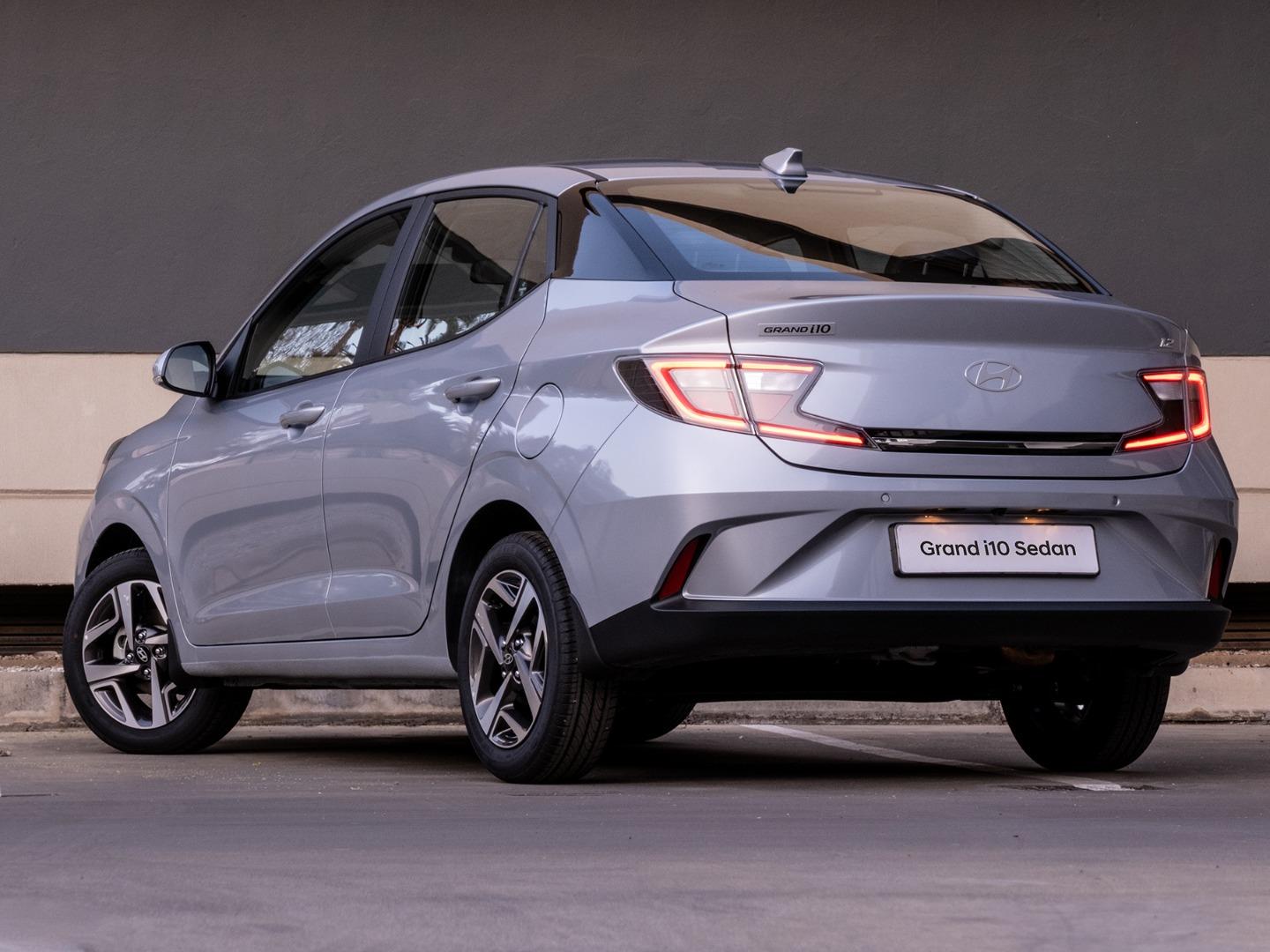
In a day and age where a new car will cost you no less than R178 000, affordability is still the number one consideration factor for South African motorists. It remains, for many, the second most expensive purchase you will make, after your house. Keeping the costs as low as possible is essential for most South African motorists.
Related: 3 Things you'll love about the new Suzuki Swift
Small, compact hatchbacks still offer the best bang-for-buck if you exclude full-electric vehicles, which are still a little expensive to get into to start with. The Suzuki Swift and Hyundai Grand i10 offer great packages for those looking to save at the pumps, but how do they compare against each other? Here's what you need to know.

Fuel Consumption Explained
Simply put, fuel consumption is how much fuel (petrol or diesel) the engine uses to make the car move. Manufacturers will quote their vehicle's fuel consumption as they have tested it. This is done using a set of criteria to help ensure consistency across brands and models. Fuel consumption can be expressed in one of two ways: Kilometres travelled per litre of fuel used (km/L) or, more commonly, litres used for every 100 km travelled. The latter is used because a lower number indicates better fuel consumption.
You'll see a few extra terms used; let's help make sense of those.
- Urban: This is driving around town, where you are most likely to drive only up to 60 or 80 km/h, stop frequently, and then accelerate again.
- Extra-Urban / Highway: This refers to prolonged and sustained speeds, the sort of driving that one would typically do on a highway, where one seldom comes to a complete stop.
- Combined Cycle: This is an average of the two driving styles, a blend of urban and extra-urban driving.
- L/100km: The measurement of the fuel used. This is the fuel the car will consume to travel 100 km.

Suzuki Swift
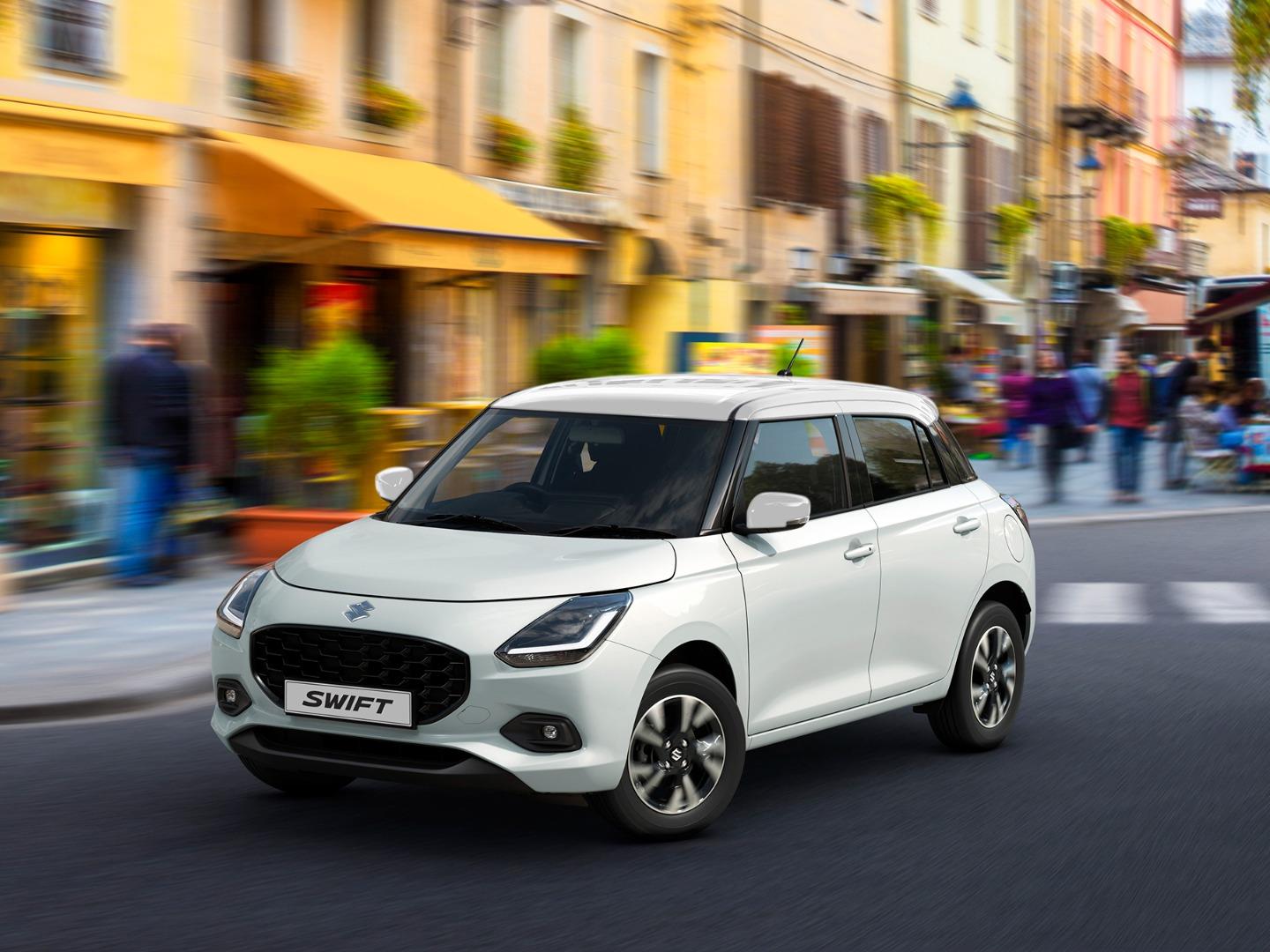
The new, fourth-generation Suzuki Swift is powered by a 1.2-litre, 3-cylinder engine that doesn't use a turbocharger. This engine makes 60kW of power, and 112Nm torque and you can choose between a 5-speed manual gearbox and an automatic-style CVT.
Suzuki claims fuel consumption figures of 4.4 L/100km for the manual versions, with the CVT versions carrying a claimed consumption of 4.6 l/100km. Both of these claims are for the combined cycle, so you can expect to see even lower than this if you tend to do more highway driving.
The Swift is fitted with a relatively small 37-litre fuel tank. At the current fuel price of R21.47 for a litre of 93 unleaded at the Reef, a full tank will cost R794.39. This should give you a range of 841 km in a manual Swift, and 804 km in an automatic Swift.

Hyundai Grand i10
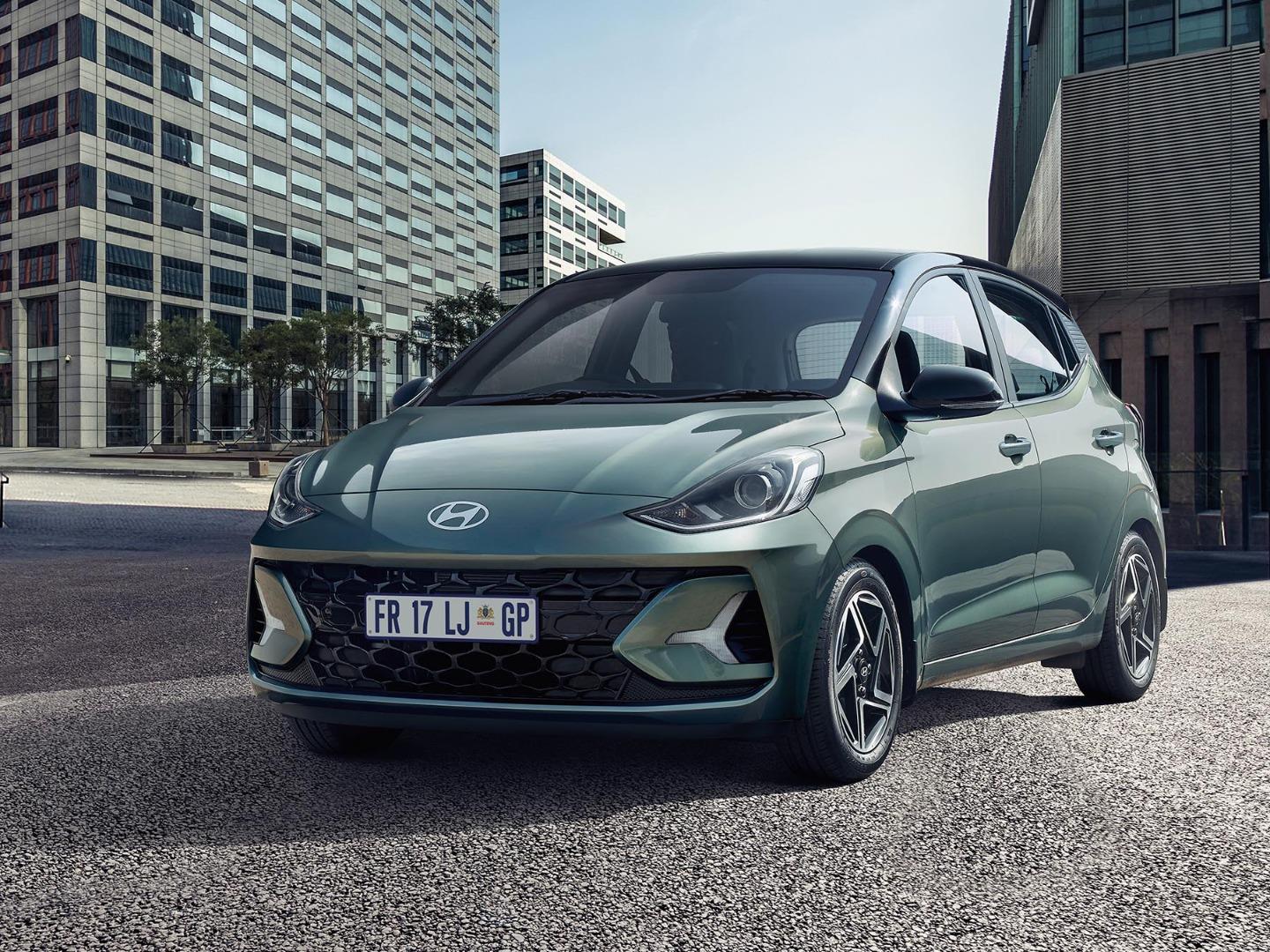
Hyundai's Grand i10 is offered with two different engines and two different body styles. It's available with a 1.0-litre 3-cylinder engine or a 1.2-litre 4-cylinder unit. The 1.0-litre engine makes 49 kW and 94 Nm and is only available with a 5-speed manual gearbox. The 1.2-litre is a little more powerful. This 4-cylinder engine produces 61kW and 114Nm and comes with either a 5-speed manual or a 4-speed automatic, but the automatic is only available in the sedan body style.
Hyundai claims 5.5 L/100km on the combined cycle for the 1.0-litre models and 5.9 L/100 km for the 1.2-litre manual. The 1.2-litre automatic is a little lighter on fuel, with a claim of 5.7 L/100km.
The Grand i10 range also has a 37-litre tank, meaning you can expect to pay around R794.39 for a full tank. The range for the 1.0 is 673 km, the 1.2 manual is 627 km, and the 1.2 auto is 649 km.