Ford Everest Buyer's Guide (2015 - 2022)
The Ford Everest has evolved across three distinct generations in South Africa since its debut in 2009. Originally built as a rugged, utilitarian SUV, it has transformed into a highly refined, premium, seven-seater family adventure vehicle that directly rivals the Toyota Fortuner.


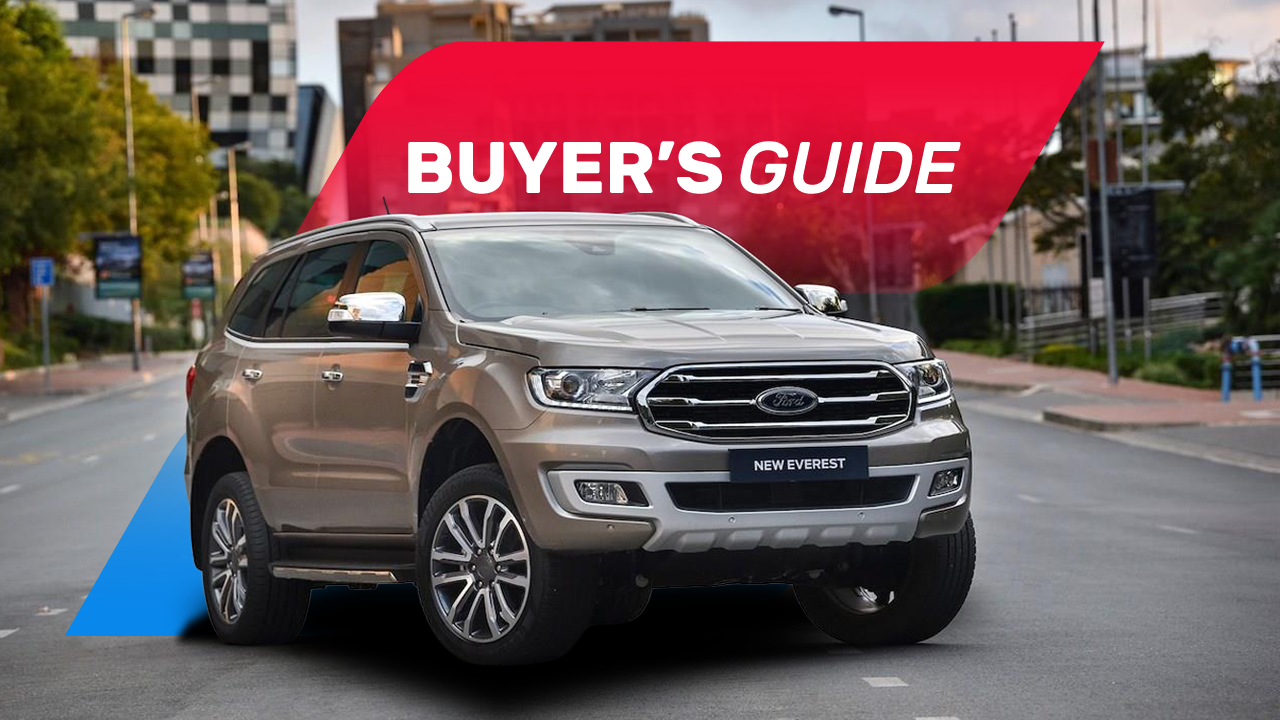
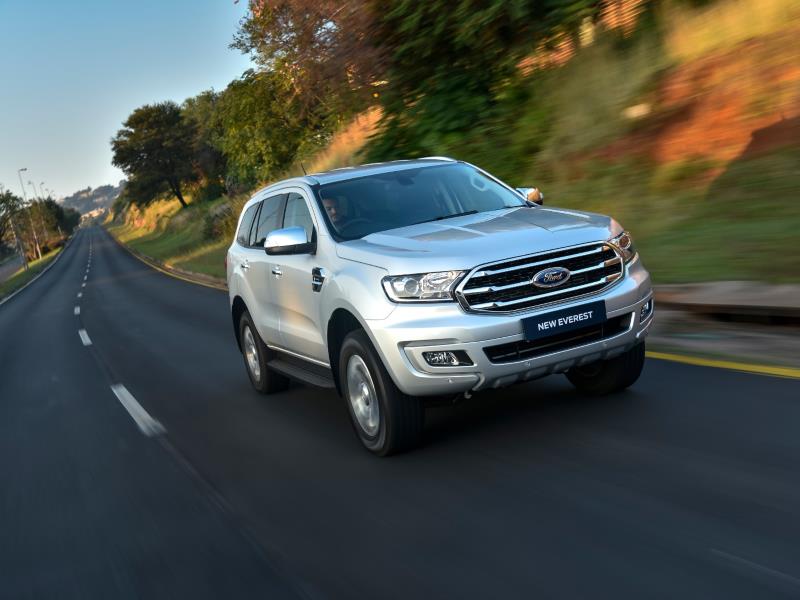
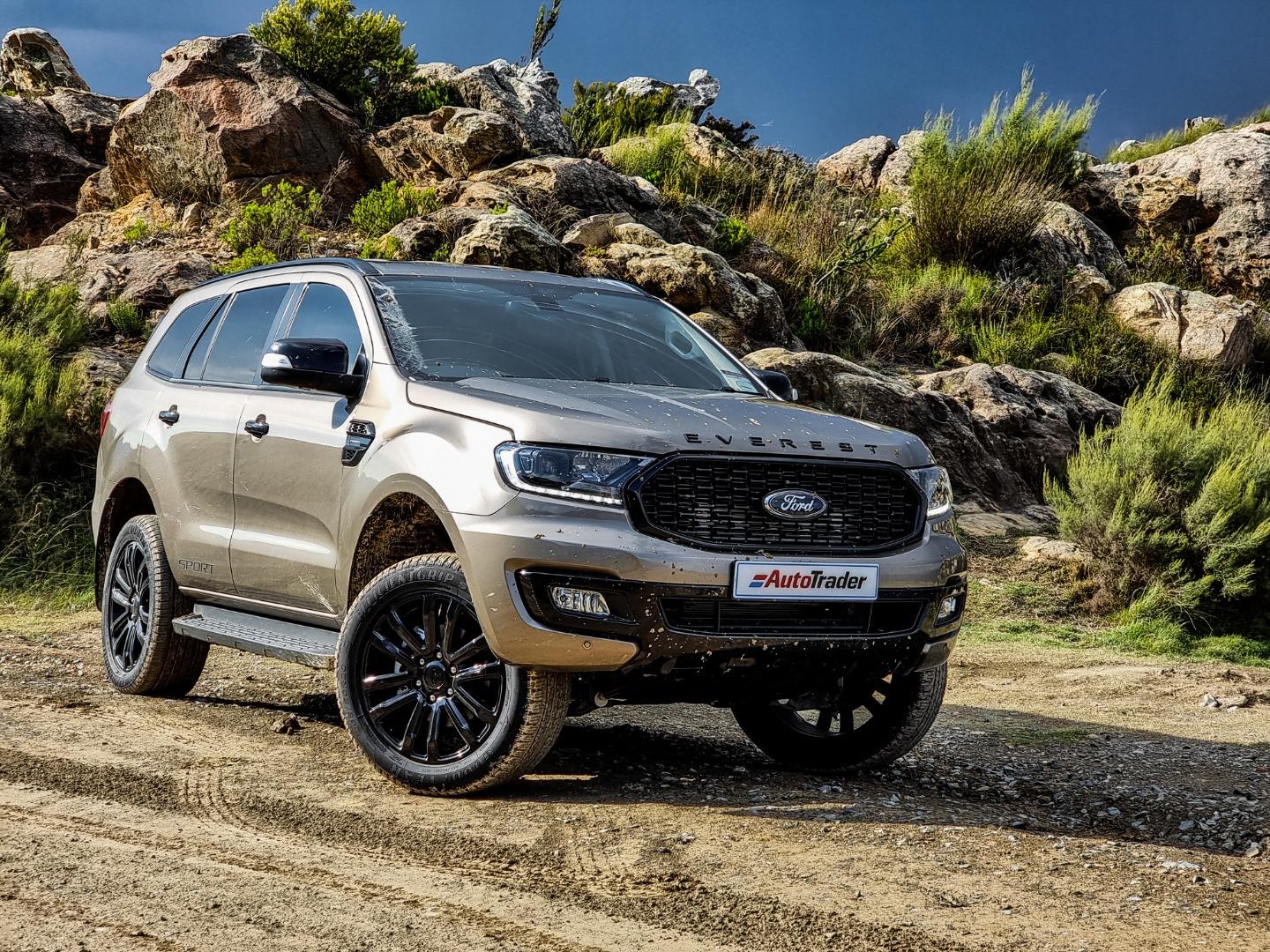
The first iteration of the Ford Everest was launched in South Africa as a rugged, bakkie-based SUV, sharing its platform and underpinnings with the Ford Ranger. It offered uncompromising 4x4 capability, a sturdy ladder-frame chassis, and introduced the nameplate to the local market with decent off-road credentials.
Related: Updated Ford Everest headed to SA
In 2015, the second generation arrived in South Africa and immediately stepped up significantly in the luxury, technology, and size stakes. The second-generation Everest established itself as a major player in the local lifestyle SUV segment. South Africa became so enamoured with this generation that Ford launched a uniquely localised trim, the Everest Sport, which became a massive success and a permanent fixture in the line-up. If you're shopping in this segment, these vehicles are a great value for money. This is everything you need to know about the second-generation Ford Everest.
Ford Everest Tremor Confirmed for South Africa
Common problems and strengths with the Ford Everest
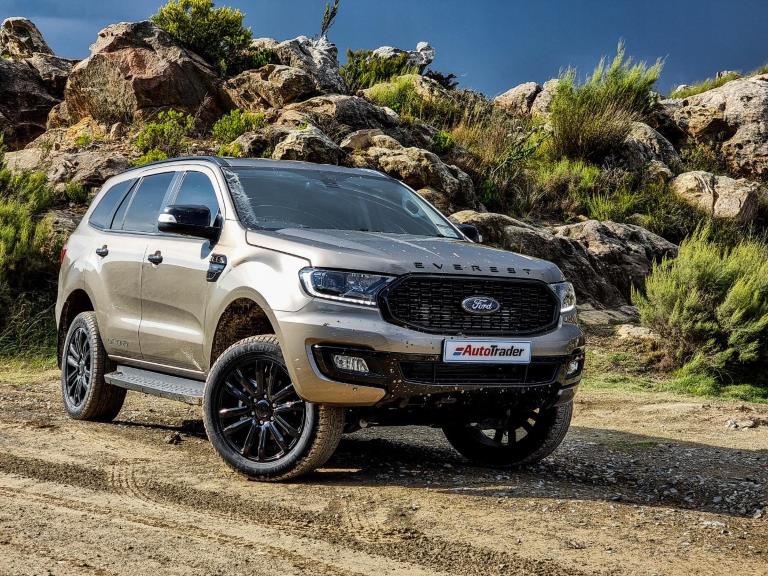
The Ford Everest (2015–2022) remains a powerhouse in South Africa’s SUV market. Locally built in Silverton, Pretoria, it was designed to bridge the gap between a rugged off-roader and a refined family cruiser. However, like any vehicle with a long production run, its reputation is a mix of overland king and mechanical headache depending on which engine you choose.
The strengths:
Superior ride quality: Unlike its main rival, the Toyota Fortuner (which uses leaf springs), the Everest features a Watt’s linkage and coil-spring rear suspension. This results in a significantly smoother, more stable ride on corrugated gravel roads.
Off-road tech: The Terrain Management System allows you to toggle between Sand, Mud, and Rock modes, adjusting the 4WD system and throttle response on the fly.
Wading depth: At 800mm, it has one of the best wading depths in its class—crucial for heavy summer rains or river crossings in the bush.
Interior Tech (SYNC 3): From 2017 onwards, models were equipped with SYNC 3, offering Apple CarPlay and Android Auto, which was ahead of its time compared to the competition.
Local Support: Because it’s manufactured in SA, parts are generally available, and there is a massive community of specialist independent mechanics.
Common problems & engine-specific faults
While the chassis is solid, the powertrains have specific watch-outs that every owner should know.
| Component / Engine | Common Issues |
| 3.2L & 2.2L TDCi | EGR Cooler Failure: The "Coolant Ghost." The EGR cooler can leak internally, causing coolant loss with no visible puddles. If ignored, it leads to overheating and cracked heads. |
| 3.2L TDCi | Oil Pump Priming: These engines use a variable-flow oil pump. If the oil is drained for more than 10 minutes during a service, the pump can lose prime, leading to engine seizure on startup. |
| 2.0L (Bi-Turbo/Single) | Wet Timing Belt: The belt runs in oil. Over time, it can degrade, shedding debris that blocks the oil pickup. This was a significant enough issue that Ford transitioned back to timing chains in later global iterations. |
| 10-Speed Transmission | "Hunting" & Jerkiness: In early 2019/2020 models, the 10-speed gearbox could be indecisive or jerk between 3rd and 5th gear. Often solved with a software "re-learn" or update. |
| Cooling System | Brittle Pipes: The plastic coolant T-pieces are known to become brittle and snap after ~5 years, leading to sudden, catastrophic coolant loss. |
Critical maintenance tips
If you are buying or owning one, these three steps can save you a R100,000 engine replacement bill:
Replace the coolant t-pieces: Swap the factory plastic ones for aftermarket aluminium or brass fittings. It’s a cheap preventative strike.
The "10-minute" rule: Ensure your mechanic knows about the 3.2-litre oil pump priming issue. Never leave the sump open for longer than necessary.
Shorten oil intervals: Ford recommends 15 000km to 20 000km intervals. For SA conditions (heat and dust), most experts recommend 10 000km intervals to protect the turbos and the wet timing belt.
A note on diesel quality: Ford South Africa has historically attributed some 2.0L Bi-turbo failures to contaminated diesel. While controversial, it is highly recommended to stick to reputable fuel stations and change your fuel filter every 20 000km.
Running costs of a Ford Everest
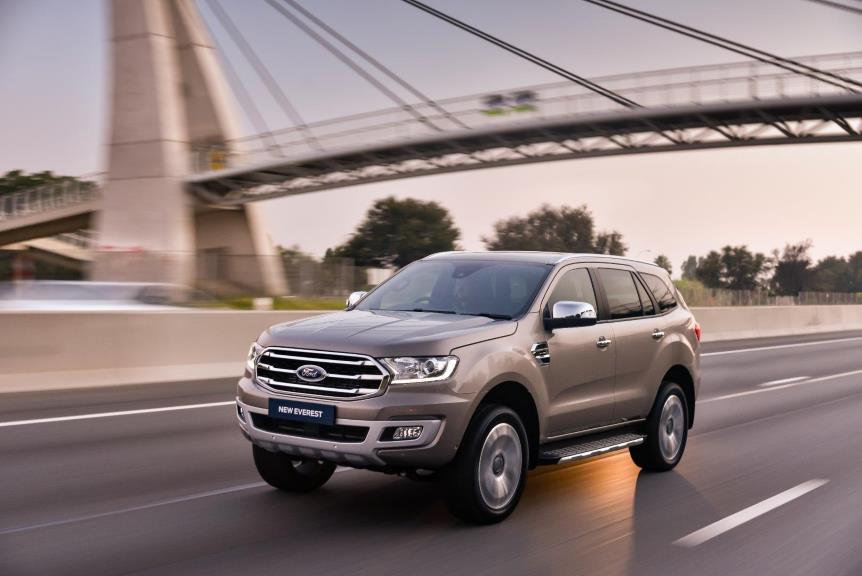
Running costs for a Ford Everest (2015–2022) are generally middle-of-the-pack for a large SUV in South Africa. While parts are widely available due to local manufacturing, the large engine displacements and heavy curb weight mean you need to budget carefully for fuel and wear-and-tear items.
1. Fuel consumption (real-world estimates)
The official figures provided by Ford are notoriously optimistic. In South African conditions—often involving altitude and highway cruising—expect the following:
2.2L TDCi: ~9.5L to 10.5L / 100km. It works hard to move the heavy body.
3.2L TDCi : ~11.5L to 13.0L / 100km. In heavy traffic or when towing, this can easily spike to 14L+.
2.0L Bi-Turbo / Single Turbo: ~9.0L to 10.5L / 100km. The 10-speed gearbox helps keep revs low, making this the most efficient long-distance cruiser.
2. Service & maintenance costs
Because many of these vehicles are now out of their original Ford service plans, you will likely be paying out of pocket or via an extended warranty.
Minor Service: R2,200 – R3,500. (Oil, oil filter, and multi-point check).
Major Service: R4,500 – R7,500. (Adds fuel filter, air filter, cabin filter, and brake fluid).
Note: Independent specialists in SA are often 20-30% cheaper than Ford dealerships and are highly recommended for older 3.2L models to ensure specific maintenance (like the oil pump priming) is handled correctly.
3. Wear and tear items
These are the big ticket items that catch owners off guard:
| Item | Estimated Cost (ZAR) | Frequency / Notes |
| Tyres (18 or 20-inch) | R3 200 – R5 500 per tyre | 20-inch rims (Limited/Sport) are significantly more expensive than 18-inch (XLT). |
| Brake Pads (Front) | R1 800 – R2 800 | The Everest is heavy; expect to change pads every 40 000–60 000km. |
| Battery (EFB/AGM) | R3 500 – R5 000 | Models with Auto Start-Stop require specialised, more expensive batteries. |
| Drive Belt & Tensioner | R4 000 – R6 000 | Should be inspected every 100 000km to avoid snapping. |
4. Insurance Premiums
In South Africa, the Everest is considered a high-risk vehicle for theft and hijacking, similar to the Toyota Fortuner.
Estimated Monthly Premium: R1 200 – R2 500
Factors: This varies wildly based on your area (Gauteng is usually highest), your age, and whether you have a tracking device installed (most insurers will require at least one or two units).
5. Out-of-warranty repairs
If you are buying a used model with over 100,000km, budget for:
Transmission Flush: Roughly R4 500. Ford says "sealed for life," but local experts recommend a flush every 80,000km to preserve the 6-speed or 10-speed boxes.
EGR Delete/Cleaning: Many South African owners choose to "delete" or bypass the EGR system (R3,000–R6,000) to avoid the common engine-cooling failures mentioned previously.
Pro Tip: If you're looking at a 2.0L Bi-Turbo, check if the 120 000km / 6-year timing belt service has been done. It is a labor-intensive job that can cost upwards of R10 000 – R15 000 at a dealership.
General car buying advice
- Tyres: Ensure the tyres are a reputable brand, as this is usually a sign of how well a car is treated. If the owner/dealer cut corners by purchasing cheap tyres for a performance or off-road vehicle, where else did they cut corners?
- Modifications: A modified car is a far greater risk than a used car, especially a standard model. A person who modifies their performance vehicle generally drives it harder, creating a double whammy.
- Service history: The Ranger will provide you with many years of reliable service, provided it has been serviced regularly with high-quality oil. Therefore, ensure your vehicle has a comprehensive service history.
- Accident damage: Inspect the paint and check key weld points under the bonnet and in the vehicle's boot to ensure the car has not been in a major accident. Some spray work on front and rear bumpers is standard, but walking away is better when the vehicle's structure has been damaged.
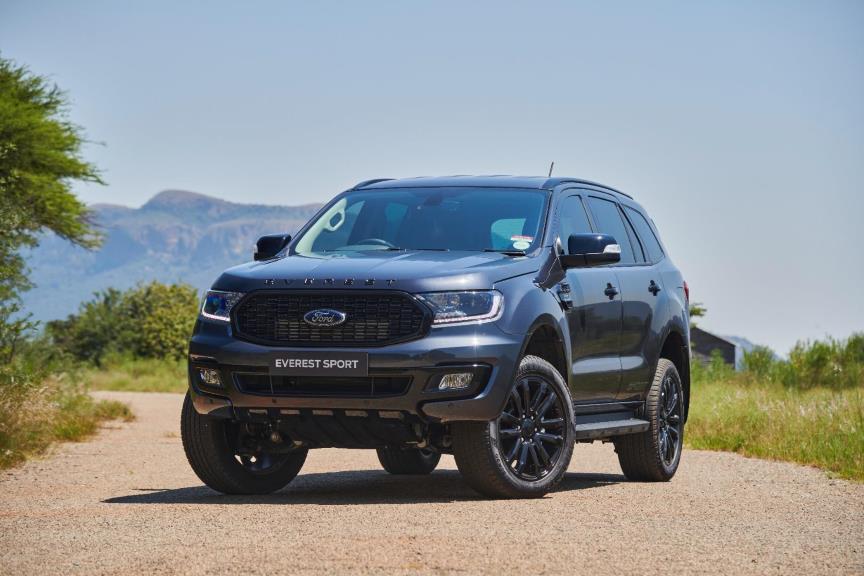
Which Ford Everest model should I buy?
Choosing the right Ford Everest depends on whether you prioritise bulletproof simplicity or modern efficiency and tech. In the South African second-hand market, the "sweet spot" usually shifts depending on how long you plan to keep the car.
1. The safety first choice: 2.2L TDCi XLS/XLT (2017–2021)
If you are looking for a daily family driver and don't plan on towing heavy caravans, this is the most sensible financial decision.
Why: The 2.2L engine is less stressed than the 3.2L and avoids many of the heat-related issues of the larger engine. It’s significantly better on fuel and cheaper to insure.
Best For: School runs, light gravel travel, and budget-conscious owners.
Verdict: Aim for a 2017+ XLT model to get the SYNC 3 infotainment system (Apple CarPlay/Android Auto).
2. The overlander’s choice: 3.2L TDCi XLT/Limited (2016–2018)
This is the famous "five-cylinder" that gave the Everest its rugged reputation. It has a distinctive growl and plenty of torque for deep sand or heavy towing.
Why: While it is thirstier, the 6-speed gearbox is simpler than the newer 10-speed. It feels "unstoppable" in off-road conditions like the Kgalagadi or Richtersveld.
Best For: Towing boats/caravans and serious 4x4 enthusiasts.
Verdict: Buy a well-maintained 2016–2018 model. Ensure the EGR cooler has been checked and that it has a full service history to avoid the "oil pump priming" disaster mentioned earlier.
3. The refined cruiser: 2.0L Bi-Turbo XLT/Sport (2019–2022)
Launched as part of the mid-life facelift, this engine brought the Everest into the modern era with more power (157kW) and a 10-speed automatic.
Why: It’s faster, quieter, and more fuel-efficient than the 3.2L. The Sport trim (launched around 2020) added blacked-out aesthetics that make it look much more modern.
Best for: Long-distance highway cruising and owners who want the latest tech.
Verdict: A 2020/2021 Sport 4x4 is arguably the best-looking and most comfortable "modern" Everest before the 2023 "Next-Gen" price spike.
Quick comparison
| Model | Engine | Best Feature | Biggest Risk |
| 2.2L TDCi | 4-cyl turbo | Fuel economy & reliability | Lacks punch when fully loaded |
| 3.2L TDCi | 5-cyl turbo | Massive torque & character | High fuel consumption & heat issues |
| 2.0L Bi-T | 4-cyl twin turbo | Refinement & 10-speed 'box | Wet timing belt maintenance costs |
The Recommendation
If we were spending my own money in the South African used market:
Look for a 2019 or 2020 Ford Everest 2.0L Bi-Turbo XLT 4x4.
Why? You get the newer, more efficient engine and the better 10-speed gearbox, but you often find them just as they are coming off their original service plans, meaning they've been dealer-maintained. It balances the new car feel"with a much more palatable price tag than the newer 2023+ models.
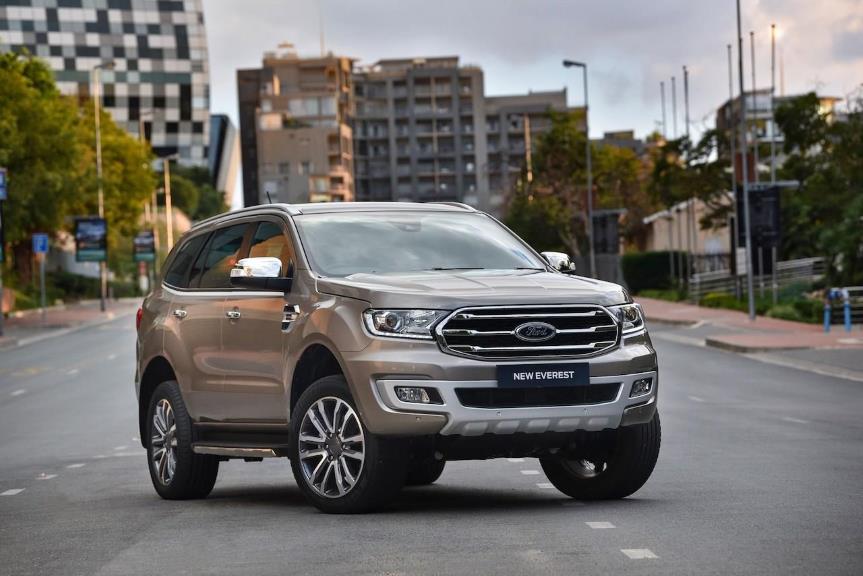
Test drive checklist
| Area | Item to check | Everest specific focus | Status |
| Exterior | Paint, body panels | Check panel gaps, particularly around the rear hatch and bonnet, for signs of accident repair. | ☐ |
| Tyres & wheels | Look for curb rash/scratches on alloys. Check tyre wear: excessive wear on the inner/outer edge can indicate poor alignment or suspension issues. | ☐ | |
| Suspension check | Push down firmly on each corner of the car; it should rebound smoothly once, not bounce repeatedly. | ☐ | |
| Engine bay | Oil/coolant levels | Crucial: Check the coolant reservoir for a white/pink/red powdery residue around the cap or hoses—this is a common sign of a failing water pump/thermostat housing (a known Golf issue). | ☐ |
| Oil condition | Dipstick oil should look clean, not excessively dark or gritty. Check for any sludge under the oil cap. | ☐ | |
| Interior | Seat bolsters | Check the driver's seat side bolsters for excessive wear/tearing, which indicates heavy use. | ☐ |
| Sunroof (if fitted) | Test the open/close operation. Important: Pour a small amount of water into the drain channels (if possible and safe) to ensure they aren't blocked and to prevent leaks inside the cabin. | ☐ | |
| Service history | Confirm that the DSG fluid (every 40k miles/60k km) has been serviced on schedule. | ☐ |
| Test | Action | Expected result | Status |
| Brakes | Perform a gentle stop and a firm, quick stop (safely). | Smooth, straight stopping. No grinding, squealing, or pulsing through the pedal. | ☐ |
| Steering | Turn the steering wheel lock-to-lock slowly while stationary. | Smooth, quiet operation. No clicking or heavy effort, which could indicate power steering or worn suspension joints. | ☐ |
| DSG (Automatic) | Engage drive (D) and reverse (R). | Engagement should be immediate and smooth, without excessive clunking or hesitation. | ☐ |
| Tight turns | Drive slowly in a full-lock circle (left and right). | No clicking or knocking sounds from the front wheels (could indicate worn CV joints). | ☐ |
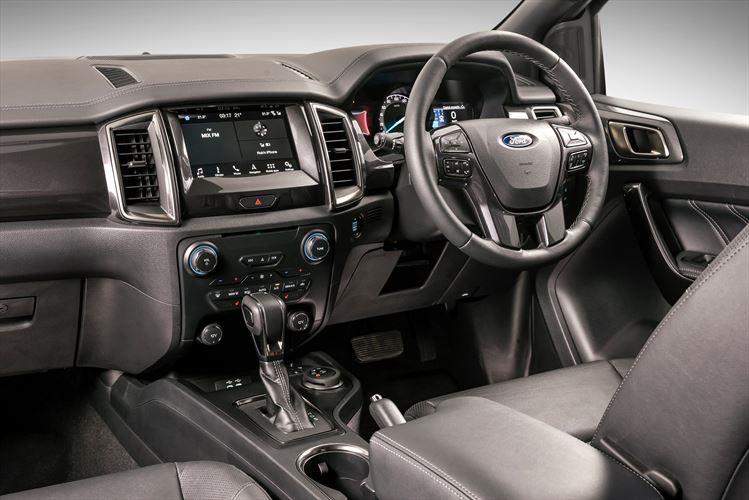
Reliability of the Ford Everest
Reliability is a bit of a Jekyll and Hyde story for the Everest. On one hand, it’s a rugged, locally built tank capable of 300 000km; on the other, it has specific Achilles' heels that can cause catastrophic failure if ignored. Here is the breakdown of its reliability based on common South African experiences and expert mechanic reports.
The Big Three Reliability Threats
If you manage these three issues, the Everest is generally very reliable. If you ignore them, they become engine killers.
EGR cooler (2.2L & 3.2L): The internal tubes in the EGR cooler can crack. This allows coolant to leak into the exhaust, leading to coolant loss and eventually overheating.
Solution: Many SA owners replace these every 100 000 km or perform an EGR bypass.
Oil pump priming (3.2L): This engine uses a variable-flow oil pump. If the oil is left to drain for too long during a service (more than 10 mins), the pump can lose prime. Starting the car without prime will seize the engine within seconds.
Solution: Ensure your mechanic is a Ford specialist who knows the 10-minute rule.
Wet timing belt (2.0L Bi-Turbo/Single): The belt runs inside the engine oil. Using the wrong oil or skipping services causes the belt to degrade, clogging the oil pickup with rubber debris.
Solution: Stick to strict 10 000km service intervals and use only Ford-spec oil.
Gearbox reliability
6-speed auto (Pre-2019): Very robust but prone to clunky shifting if the oil isn't changed. Ford says it’s "sealed for life," but SA experts recommend a flush every 80 000km.
10-speed auto (2019-2022): Initially had software "hunting" issues (finding the right gear). Later models are much smoother, but they are complex. If they fail out of warranty, repairs are significantly more expensive than the 6-speed.
Minor but frequent niggles
While the engine and gearbox are the main concerns, there are smaller reliability issues often reported in local forums:
Intercooler pipes: The rubber hoses can split under boost, causing a sudden loss of power and black smoke. It's a cheap and easy R1,500 fix.
Interior plastics: The silver paint on door handles and the gear shifter tends to peel over time.
Tailgate sensors: On the Limited trim, the electronic tailgate can sometimes "forget" its closing position, requiring a reset.
Dust entry: Some owners report dust entering the cabin through the rear vents during long gravel trips (e.g., in the Tankwa Karoo), often requiring better door seal maintenance.
Reliability scorecard by engine
| Engine | Reliability score | Verdict |
| 2.2L TDCi | 8/10 | The most reliable if you don't tow heavy loads. Simple and under-stressed. |
| 3.2L TDCi | 6/10 | Legendary but high-maintenance. Requires an owner who understands its quirks. |
| 2.0L Bi-T | 7/10 | Very reliable if serviced meticulously. More sensitive to fuel and oil quality. |
Verdict
The Ford Everest is highly reliable as long as it is maintained proactively. It is not a fire and forget vehicle like a naturally aspirated petrol car. If you buy one with a full service history and immediately address the cooling system (T-pieces and EGR cooler), it will likely be a reliable family car cabavle of the school run, family holidays and everything in-between.
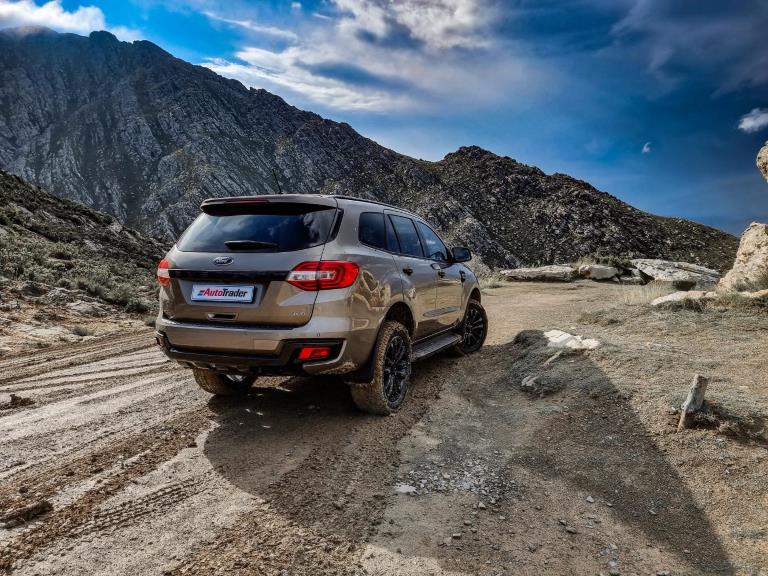
How much should you be paying for a used Ford Everest?
Pricing for a used Ford Everest (2015–2022) in South Africa is influenced heavily by the transition from the older 3.2L engines to the newer 2.0L Bi-Turbo units, as well as the high demand for 4x4 capability. Since we are in 2026, prices have stabilised as these models are now well out of their original factory service plans, though many still hold value due to the high cost of the latest Everest generation.
Estimated price ranges (2026 Market)
| Model Year | Engine / Trim | Mileage Range | Estimated Price (ZAR) |
| 2015 – 2017 | 3.2 TDCi XLT/Limited | 160k – 220k km | R280 000 – R360 000 |
| 2018 – 2019 | 3.2 TDCi XLT 4x4 | 120k – 160k km | R370 000 – R450 000 |
| 2019 – 2020 | 2.0 Bi-Turbo XLT | 80k – 120k km | R460 000 – R560 000 |
| 2021 – 2022 | 2.0 Bi-Turbo Sport | 40k – 80k km | R580,000 – R720,000 |
Factors that swing the price
The 4x4 premium: A 4x4 model usually commands a R40 000 to R60 000 premium over a 4x2 in the South African used market.
Service history: An Everest with a full history at a Ford dealership or a recognised specialist (like Steves Auto Clinic or similar) is worth significantly more because it implies the 10-minute oil pump rule was followed.
The Sport factor: 2020–2022 Sport models (with blacked-out trim and LED lights) are currently the most sought-after on the used market and tend to sell faster and for higher prices than the chrome-heavy XLT versions.
Aftermarket accessories: High-quality additions like a Raptor-style grille, all-terrain tyres (BF Goodrich/Cooper), or a dual-battery system can add R15,000–R30,000 to the asking price, but "over-modified" vehicles with chips or remapping can sometimes lower the value due to reliability concerns.
Buying Advice: The R400k sweet spot
In the current market, the best "value for money" is often found in the 2018/2019 3.2 TDCi XLT models sitting around the R400 000 mark. They have the SYNC 3 infotainment system and the more reliable 6-speed gearbox, but have already taken their biggest depreciation hit.
Warning on cheap deals: If you find a 2016/2017 model for under R250,000, be extremely cautious. It likely has very high mileage (250k km+) or a history of cooling system issues. At that mileage, the turbo, injectors, and suspension bushings are usually due for expensive replacements.
Verdict
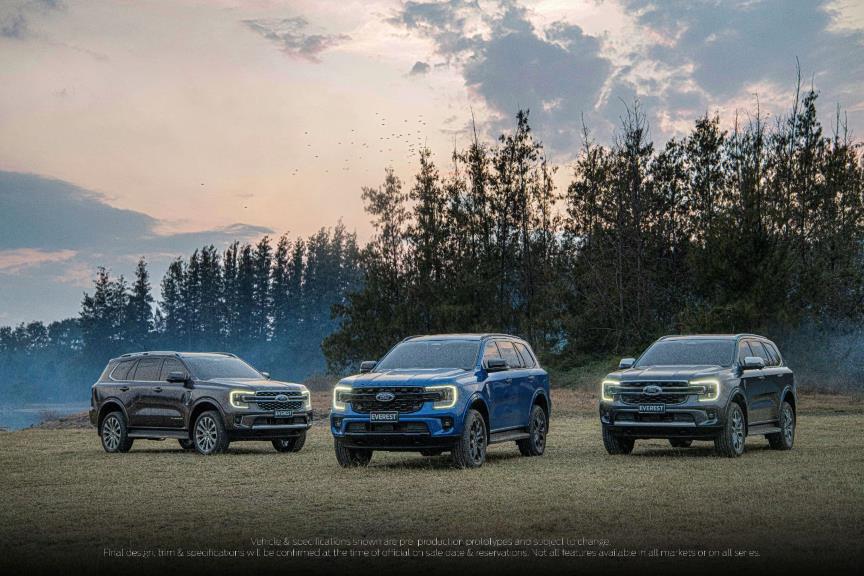
A verdict on the 2015–2022 Ford Everest in South Africa is typically one of calculated reward. It is widely regarded as the most comfortable and technologically advanced vehicle in its segment, but it requires a more hands-on, informed ownership style than its simpler rivals.
| Category | Score | Summary |
| Comfort & ride | 9/10 | Unmatched in the ladder-frame SUV category. |
| Technology | 8/10 | SYNC 3 (2017+) remains very modern even in 2026. |
| Reliability | 6/10 | Solid bones, but let down by specific weak point components. |
| Resale Value | 7/10 | Strong, but still loses out to the Toyota Tax (Fortuner). |
| Ownership ease | 5/10 | Requires a specialist mechanic and strict maintenance discipline. |
The buy/don't buy rule
Buy it if you prioritise a premium driving experience, safety features, and the best gravel-road manners in its class, and you are willing to spend a little extra on preventative maintenance.
Don't buy it if you want a vehicle you can service once a year and forget about. If you are a start-and-go owner, the Toyota Fortuner or Isuzu mu-X will likely be a less stressful long-term companion.