
Electric cars are steadily making their presence felt, with more electric vehicles on the road now than ever. South Africa has faced many challenges in adopting electric vehicle ownership, but manufacturers are still under pressure to help solve these problems. As such, electric vehicles (EVs) often cause rather heated debates with two distinct camps: those for and those against.
Related: AutoTrader's Electric Car Glossary of Terms
EVs have a place in the motoring landscape and there's no denying that it is one solution to a mobility problem. The jury is still out to whether it's THE solution, though. Even we will admit to that. With that said, there are many benefits to EV ownership, and one such benefit is the lowered running costs. We'll take a closer look at some of the financial implications when considering an electric car.

Purchase price
Negative
Locally, EVs are still subjected to a higher tax than traditional internal combustion engine (ICE) vehicles, those of the petrol or diesel variety. The import tax on ICE is set at 18 %, while you will see a 25 % tax levied on an EV. This cost is inherently passed onto the end user, you. As such, the prices of EVs are higher than they should or could be, especially when compared to overseas markets and their immediate peers.
NAAMSA is continually lobbying the government to relook at its taxing structure to help make EVs more affordable for the greater population. Manufacturers know this and are determined to bring in their more affordable offerings.

Running costs
Positive
The running costs of an EV are considerably lower than that of a traditional ICE vehicle. There's no reason to visit a filling station besides checking your tyre pressures. Yes, you are charged for the electricity you use when you charge it, but this can be as low as 30% of your regular cost per kilometre.
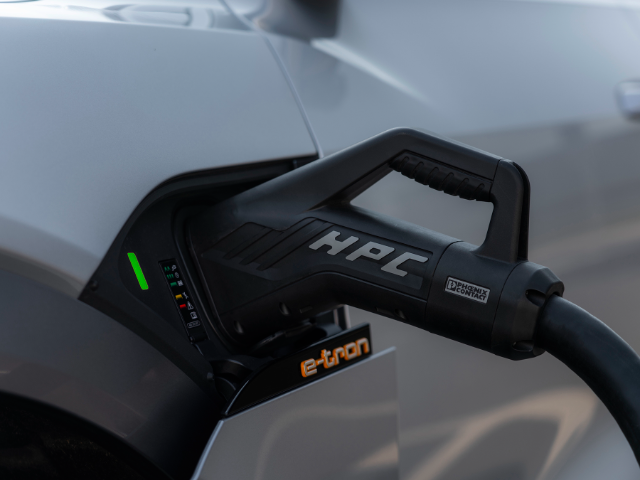
Public charging is the most expensive, and as this isn't regulated, you can be charged as much as the supplier wishes, so it's best to check the costs when opting to charge in public. Naturally, the more powerful the charge (and therefore the quicker it takes to fully recharge a battery), the more expensive the rate. Public DC fast chargers can cost anywhere from R5.88/kWh to R7.35/kWh, while slower AC charging costs approximately R4.66/kWh. Multiplying this rate by your battery size will let you know how much it will cost for a full charge, from 0% to 100%.

For example, a BMW iX3 with an 80 kWh battery will cost R470.40 to fully charge (0-100%) when charging on a public DC charger that is billing you R5.88/kWh. This, in turn, will yield 460 km, according to BMW's claims. Realistically, you'll get 360 km comfortably, which equates to a per km cost of R1.30. By comparison, a BMW X3 20d costs R1 659.20 to fill with diesel and will give you claimed 1 214 km. This is a cost of R1.36 per km in an ideal setting. The figures are worse for petrol and sway considerably when you opt to charge your EV at home.
Charging at home is the cheapest and most convenient way to keep your EV charged. At City Power's most expensive rate of R2.75/kWh, our BMW iX3 example only costs R220 to fully charge. If we only manage 360 km on that charge, it's a per km cost of R0.61 cents.

Service costs
Positive (long-term)
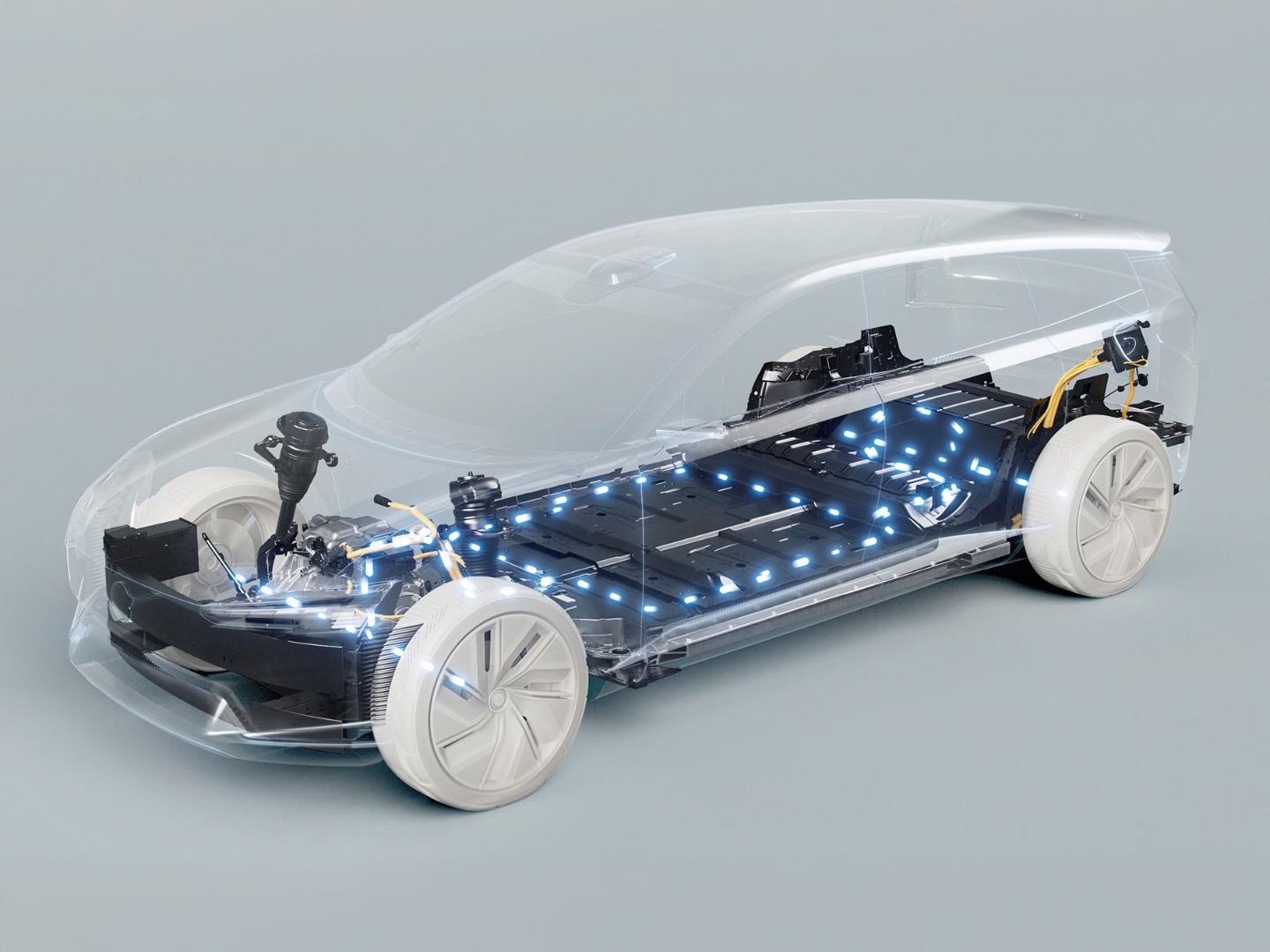
Electric vehicles are rather simple in their design. Considerably fewer moving parts and components are required to put the vehicle in motion. Where ICE vehicles have complex engines with thousands of parts, many of which are subject to friction and combustion, an EV only has a handful and doesn't have to counter the effects of combustion. This means there's no oil to change, no filters for the engine, and no spark plugs or fan belts. There are no timing belts or chains. There's very little that can go wrong.
Some of the advanced EVs will have cooling systems for their battery packs, which will have a pump and coolant, but this sealed system won't cycle at the same rate, and the coolant will hardly ever need attention.
Even the brakes tend to last longer. EVs use a reversing of the polarity in the motor's windings to create a resistance that allows it to slow the vehicle down and plumb some of the charge back into the battery. This regenerative braking means that the actual brakes are only used in emergencies and to bring the vehicle to a complete stop from low speed.
Naturally, service costs are negated when one buys new as most new vehicles are sold with a service or maintenance plan which will look after your service costs for you for the first few years. Additional peace of mind is provided by the extensive, often 8-year, warranty on the battery in an EV.
Verdict
EVs can be considerably more efficient than ICE vehicles if one charges at home and owns the vehicle long enough to offset the higher initial purchase price. This can be done in roughly 3 years, depending on your usage habits. The savings garnered from not having to refuel an EV puts money in your pocket each month and this can comfortably offset the higher instalment premium if you opt for one of the more affordable EV offerings in South Africa.