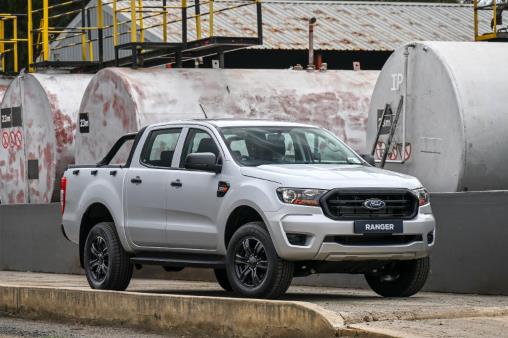
Are cab-and-a-halfs like KingCab and SuperCab the best of both bakkie worlds?
As South Africa's best-selling vehicle type, the humble bakkie has transitioned from workhorse into one of the most versatile vehicles currently on sale locally with double, cab-and-a-half and single cab models available. Is the cab-and-a-half the best of bunch, though?



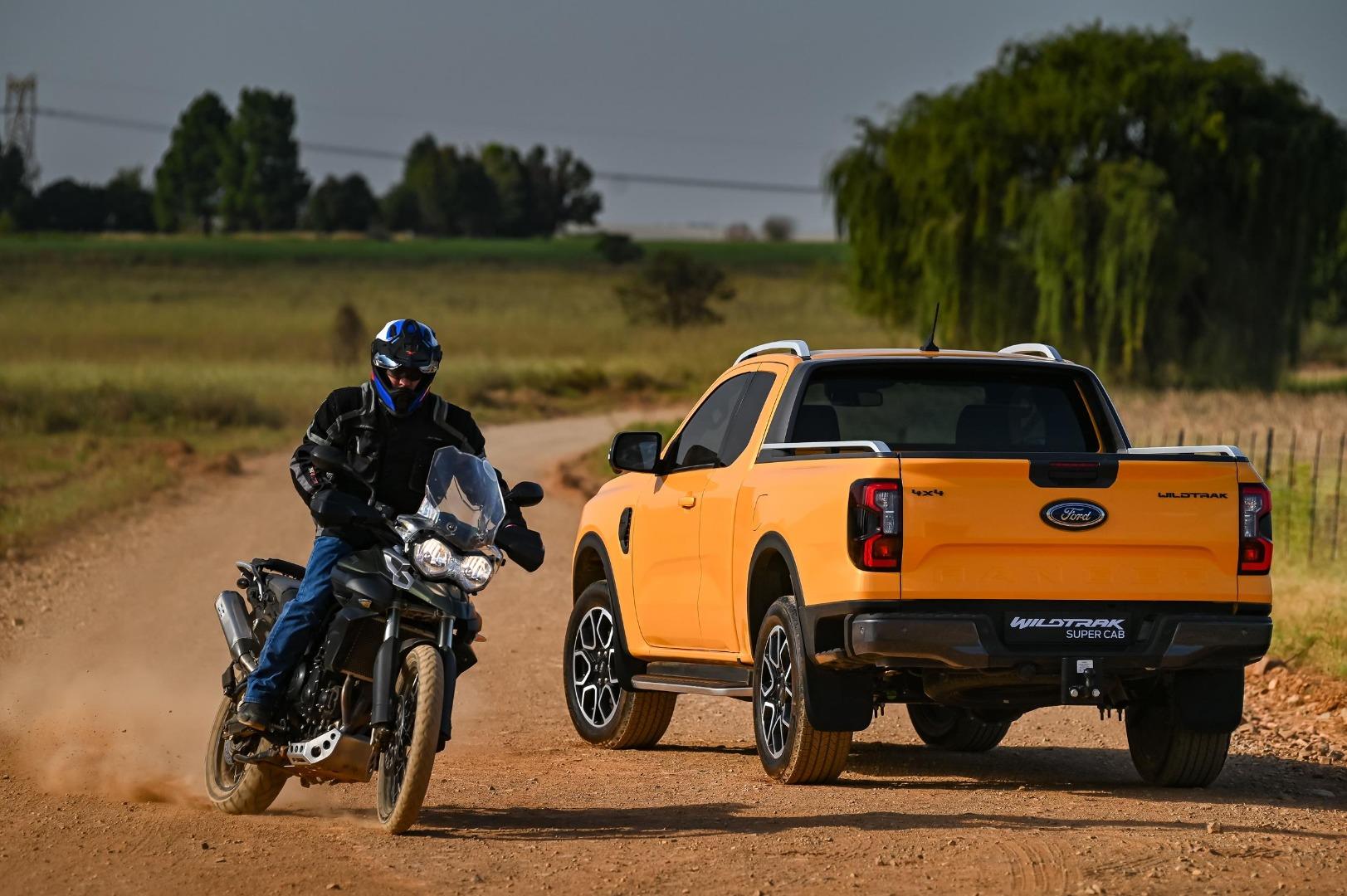
There are the usual single cab bakkies, the usual double cab bakkies, and exactly in the middle we find the cab-and-a-half bakkies. Are these the best of both bakkie worlds?
Related: Everything you need to know about the Ford Ranger single and SuperCab
Names for cab-and-a-halfs
Unlike single cabs or double cabs, these extended cab bakkies have their own something-Cab names, according to brand. In no favoured order other than the alphabet, the 1-tonner cab-and-a-halfs are:
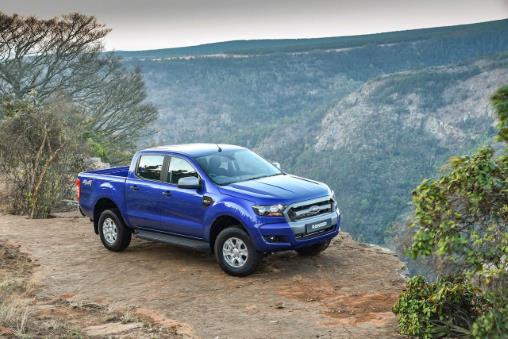
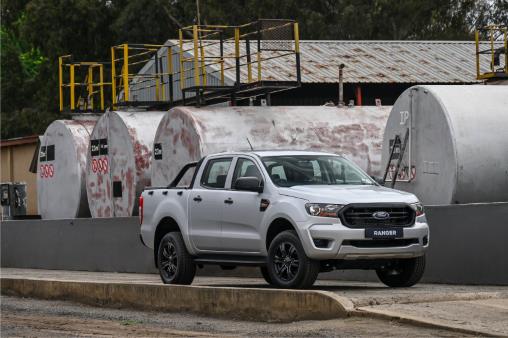
- Ford Ranger SuperCab
- Isuzu KB Extended cab
- Mazda BT-50 FreeStyle Cab
- Mitsubishi Triton ClubCab
- Nissan Navara KingCab
- Toyota Hilux Xtra Cab
Where did it start?
Datsun (later Nissan) was the first local company to offer the King Cab on their Datsun 720 bakkie. The Datsun 720 King Cab had space for a pair of sideways-facing rear seats, which was considered safe in those days. It was replaced by the Nissan 1-Tonner, which did not offer this in SA. Nissan SA was proud of their 1-Tonner V6 3.0 Patrol model, which was the only V6 before the Mitsubishi Colt V6 came along. Then the Nissan Hardbody arrived, joined by the Hardbody KingCab. When Navara arrived, it received a KingCab later.
Ford added the SuperCab to its previous local Ranger, as did the Mazda BT-50 (formerly Mazda Drifter) and Mitsubishi had the Triton ClubCab. Isuzu added their generically-named Extended cab (also in the previous KB) while Toyota, with their best-selling Hilux single cab, only decided to add this fairly recently when the Hilux Xtra Cab joined others in 2011.
Benefits of the extra cab
Where the single cab is universally considered the pure workhorse (ab)used by businesses, the double cab has taken on the leisure private-ownership role. You, generally speaking, buy a single cab because you need to and a double cab because you want to. If you must transport mostly goods, the single cab works, and if you need to have yourself plus household/family/colleagues/friends and chuck the occasional bag of cement or adventure kit in the load bay, a double cab fits.
But both have disadvantages. The single cab restricts you to driver and passenger unless a bench has 3 seats, and if you have personal valuables, including shopping bags, you have nowhere to store them. In the double cab, the space taken up by (usually cramped) rear seats means the load bay is so much smaller than in a double cab, which is a problem with long or dirty objects.
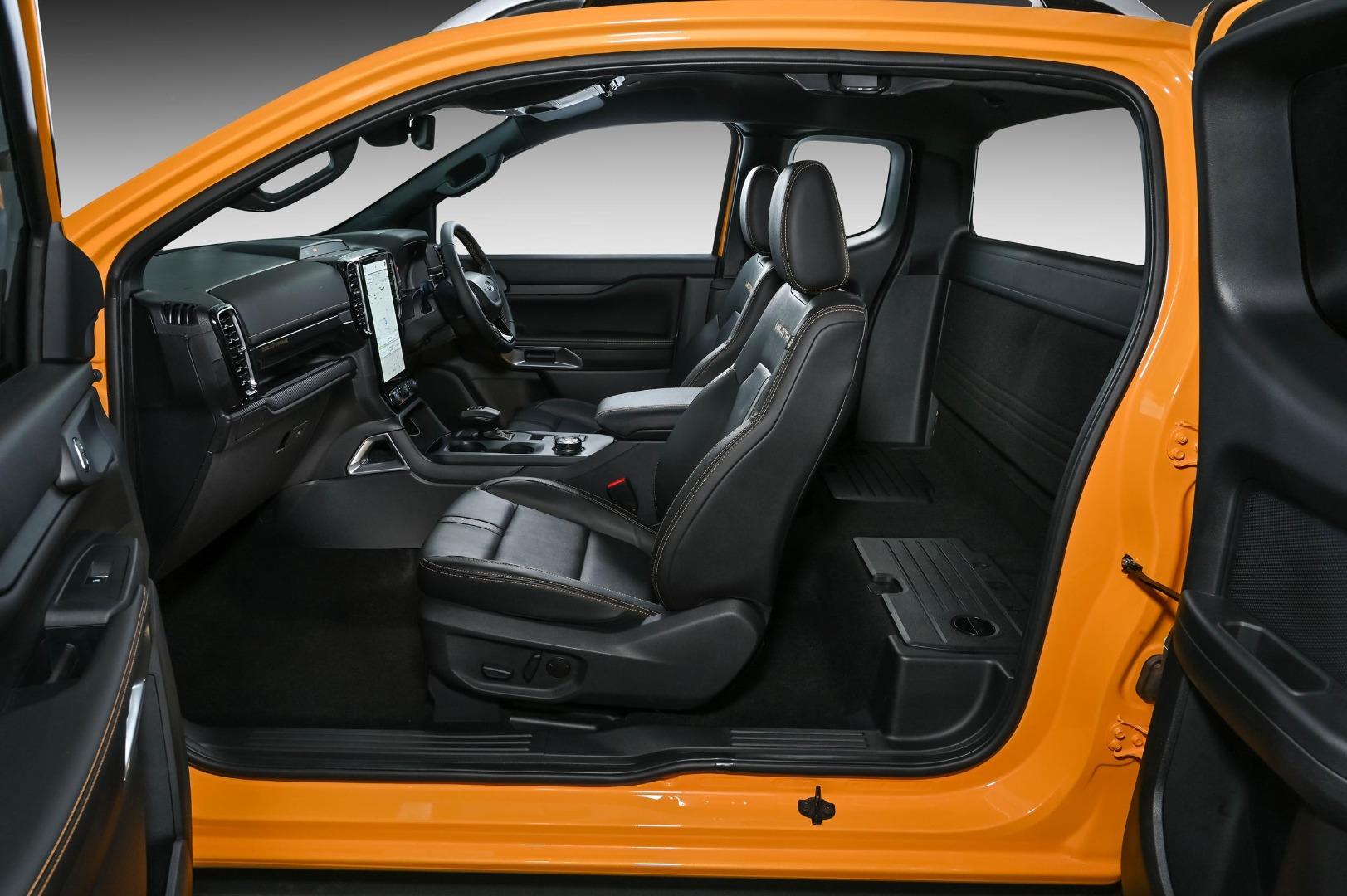
So, what if you would like a bit of both? A hybrid-body bakkie. You need only 2 seats and certainly need storage space where it is safe inside the bakkie, or if you travel, some easy-to-access belongings like padkos (food for eating in the car along a road trip). Sure, it can only take 2 people, legally, but you will have much more space inside. A single cab cannot offer that, and some of these actually have very restricted seat slide adjustment or a small backrest angle rake, as the dividing cab panel is “in the way”.
Where a double cab needs to sacrifice a lot of loadspace length, despite often being on a longer wheelbase, and carry along all that extra body with 2 big doors, the cab-and-a-half is a solution-and-a-half. The load bay is only slightly shorter (about 50cm, depending on which bakkie) than a single cab, so you have more space in the cab plus in the load bay.
Some extended cabs even have rear-hinging doors, giving you an easy way to lift in or out the goods in the free room between the seats and the body. Ford SuperCab, Mazda FreeStyle Cab, Isuzu Extended Cab and Nissan KingCab all have 2+2 barn-style doors to swing outwards. Some have storage boxes which fit in the cab or are accessories you can purchase at a dealer. Very handy, these – doors and boxes. Also, these bakkies come with hinged rear windows in those rear doors, so you can open these small glasses for ventilation while keeping the doors locked.
Another benefit. Take an extended cab over a single one at once; it looks like your personal bakkie rather than as if you’re arriving home or your destination in the company’s bakkie.
The extended cabs are higher priced than the equivalent single cab, but remember all those benefits and the cost of the extra doors and glass and cab – these come at a very agreeable price of between R12 000 and around R30 000, average, depending on the vehicle.
The financial benefit: Single cabs are commercial vehicles and double cabs are classified by the government as passenger vehicles, so single cabs are exempt from emissions tax, and VAT-registered business owners can claim back the VAT on the buying price, so they save on both taxes (emissions tax can amount to a couple of thousand Rand, and you can get back the 14% VAT you paid). A win-win.
Pick of the bunch?
This type of bakkie is well suited to work and personal applications, so some luxury would be nice. Just because you buy something with fewer seats than a double cab doesn’t mean you automatically want less comfort or safety, surely.
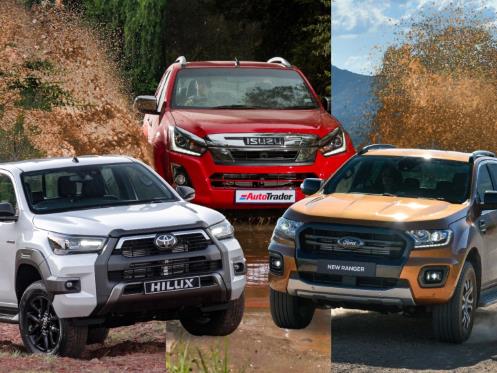
While Nissan may have started this smart, clever bakkie layout, the King Cab is no longer, as is the case with the BT-50 and the Triton. This leaves the race between the Ford Ranger SuperCab, Toyota Hilux Xtra Cab and Isuzu D-Max Extended Cab.
Bakkie builders do offer rear-wheel-drive or 4x4 extended cabs, but what you really want is the 4x4, for when you pack your backpacks in the backspace (you will only realise you should have bought the 4x4 when you’re in the moment where the front wheels dig into the soft sand, and the rear diff lock only makes painful mechanical clunking noises as it forces the rear axle, bouncing up&down, with rear wheels spinning sand into the air, digging you into more trouble).
Okay, the criteria are extended cab, diesel (definitely diesel – the most powerful one, please), 4x4, and luxury spec. Going around town or away, would you want to change gears by hand? No. You want an automatic bakkie. Right, Isuzu, Ford and Toyota all offer options here.
Since the Ranger will be replaced soon and the Hilux is getting on, the recently released and best-priced D-Max is likely the best option in this segment at the time of writing.
Extended cab bakkies currently on sale
- Ford Ranger SuperCab
- Isuzu D-Max Extended Cab
-Toyota Hilux Xtra Cab
Prices of extended cab bakkies in South Africa*
| Model |
Price | Engine |
Drive |
Gears |
| Ford Ranger 2.0 SuperCab XL manual | R 504 900 | 4/2.0TD | rear | 5m |
| Ford Ranger 2.0 SuperCab XL auto | R 524 900 | 4/2.0TD | rear | 6a |
| Ford Ranger 2.0 SuperCab 4x4 XL auto | R 570 100 | 4/2.0TD | 4x4 | 6a |
| Ford Ranger 2.0 SuperCab XLT | R 574 500 | 4/2.0TD | rear | 6a |
| Ford Ranger 2.0 SuperCab XLT auto | R 723 400 | 4/2.0TD | 4x4 | 10a |
| Ford Ranger 2.0 SuperCab Hi-Rider XLS auto | R 788 300 | 4/2.0TD | 4x4 | 10a |
| Isuzu D-Max 1.9 Ddi Extended Cab HR | R 469 800 | 4/1.9TD | rear | 6m |
| Isuzu D-Max 1.9 Ddi Extended Cab HR L | R 484 900 | 4/1.9D | rear | 6m |
| Isuzu D-Max 1.9 Ddi Extended Cab HR LS | R 520 200 | 4/1.9TD | rear | 6m |
| Isuzu D-Max 1.9 Ddi Extended Cab HR LS A/T | R 541 000 | 4/1.9TD | rear | 6m |
| Isuzu D-Max 3.0 Ddi Extended Cab HR LSE A/T | R 629 100 | 4/3.0TD | rear | 6m |
| Isuzu D-Max 3.0 Ddi Extended Cab LSE A/T | R 643 100 | 4/3.0TD | rear | 6a |
| Isuzu D-Max 3.0 Ddi Extended Cab LSE 4x4 A/T | R710 500 | 4/3.0TD | 4x4 | 6a |
| Isuzu D-Max 3.0 Ddi Extended Cab LSE 4x4 A/T (radar) | R724 500 | 4/3.0TD | 4x4 | 6a |
| Toyota Hilux 2.4GD-6 Xtra cab Raider | R 553 200 | 4/2.4TD | rear | 6m |
| Toyota Hilux 2.4GD-6 Xtra cab Raider auto | R 575 200 | 4/2.4TD | rear | 6a |
| Toyota Hilux 2.8GD-6 Xtra cab Legend | R 664 200 | 4/2.8TD | rear | 6m |
| Toyota Hilux 2.8GD-6 Xtra cab Legend auto | R 693 800 | 4/2.8TD | rear | 6a |
| Toyota Hilux 2.8GD-6 Xtra cab 4x4 Legend | R 749 200 | 4/2.8TD | 4x4 | 6m |
| Toyota Hilux 2.8GD-6 Xtra cab 4x4 Legend auto | R 779 200 | 4/2.8TD | 4x4 | 6a |
*Pricing was correct at the time of writing and is subject to change without notice.