Buying your first car in South Africa is an exciting milestone, but it's a major financial decision that requires careful planning. Unfortunately, many new car buyers did not benefit from being taught the finer nuances of purchasing a car from an elder, and many do not have the faintest idea of what is involved with the car-buying process.
Related: Car Finance 101: Understanding car loans in South Africa
Not to fear, though. We have a comprehensive list of things you need to do and know before signing on the dotted line. Here are ten essential things every first-time car buyer in South Africa must know.
Understanding car ownership costs for 5 popular SA models

1. Set a comprehensive budget
The total cost of ownership is much more than the monthly instalment. Your realistic budget must account for all expenses:
Purchase price / Monthly instalment: Use affordability calculators to determine what vehicle price and monthly payment you can afford.
Running costs: Budget for essential ongoing expenses, such as fuel, car insurance, and annual vehicle licence renewal.
Maintenance & servicing: Factor in the cost of routine services, replacement of parts such as tyres and brake pads, and funds for unexpected repairs. You can research Kinsey reports for cost-of-parts comparisons for various models.
Rule of Thumb: Financial experts often recommend that your total car-related expenses, such as finance, insurance, fuel, and maintenance, should ideally not exceed 30% of your gross monthly income.

2. Understand all financial options
Most first-time buyers will need vehicle finance, typically an Instalment Sale Agreement from a bank or dealership. These are the key terms you should be familiar with.
Interest rate: This significantly impacts the total amount you pay back. A good credit score will help you secure a better rate.
Deposit: A deposit (often 10–25% of the purchase price) is not always compulsory, but paying one will reduce your loan amount, lower your monthly instalments, and help you get a better interest rate.
Balloon payment: This reduces your monthly payments by deferring a large, lump-sum amount until the end of the loan term. Be very cautious; you must save and plan for this final payment, or you'll have to refinance it.
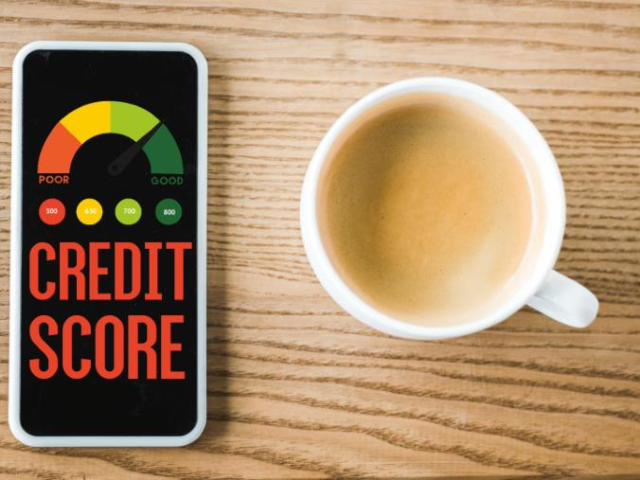
3. Check and improve your credit score
Your credit score is your financial report card and is crucial for getting finance approval and a favourable interest rate.
Get a free credit report from a reputable credit bureau annually to check your score and fix any errors.
Before applying for car finance, ensure all your other debt payments (credit cards, store accounts) are up to date and paid on time.

4. Comprehensive car insurance is non-negotiable
While not legally mandatory in South Africa, comprehensive insurance is required if you finance a car, as the bank retains ownership of the car until the loan is paid off. Even if you buy cash, full coverage is vital given the high rates of accidents and vehicle theft.
Shop around: Get multiple quotes for the specific car model you want, as premiums vary widely by vehicle.
Credit shortfall cover: Consider this extra cover, which pays the difference between what your insurer pays out (market value at the time of loss) and what you still owe the bank if your car is written off or stolen.

5. Do extensive research on the vehicle
Please don't buy a car solely based on its appearance. Research the following for any model you are considering:
Safety: Look for features such as ABS brakes and at least two airbags. For pre-owned cars, consider crash-testing reports, such as those from Global NCAP's #SaferCarsForAfrica initiative.
Fuel efficiency: Petrol is a significant ongoing cost in South Africa, so prioritise a car with good fuel economy.
Reliability and resale value: Opt for brands and models known for reliability and good parts availability. This will reduce maintenance costs and make it easier to sell later.

6. New vs. Used - Know the trade-offs
Both options have pros and cons for a first-time buyer:
| Option | Pros | Cons |
| New Car | A manufacturer's warranty and often a service plan are included. Latest safety and tech features. Peace of mind from being the first owner. | Immediate and steep depreciation. Higher purchase price and often higher insurance premiums. |
| Used Car | Lower purchase price. The depreciation rate is slower after the first few years. You get "more car for your money." | It may require more maintenance and repairs sooner. Warranty/Service plan may have expired—greater risk of undisclosed issues. |

7. Insist on a professional inspection for used cars
An independent technical inspection is non-negotiable if buying a used car, even from a dealership.
Pay for a comprehensive inspection from a reputable third-party company, such as Dekra or the AA Technical Inspection Service, to uncover hidden mechanical issues, structural damage, or undisclosed accident history.
Always check the car's service history, and look for a stamped service book and accident history.
Verify the car's legitimate status and check for outstanding finance using its VIN (Vehicle Identification Number).

8. Test drive and inspect thoroughly
A short drive around the block is not enough.
Feel and Listen: Pay attention to unusual noises, feel how the brakes and steering respond, and ensure smooth gear changes (if automatic).
Test Everything: Check the air-conditioning, radio, windows, central locking, and all lights.
Match Documents: Ensure the VIN on the car chassis matches the one on the vehicle's registration document (NaTIS/Logbook).

9. Don't skip the fine print and negotiate
Buying a car is a transaction, not an emotional decision.
Read the Contract: Before signing, carefully read all the terms and conditions of the sales agreement and the finance contract. Ask questions if anything is unclear, especially about fees, warranties, or service plans.
Negotiate: Be prepared to negotiate the selling price. Research the car's market value beforehand. When negotiating for new vehicles, consider requesting extras like free maintenance plans instead of a price drop.

10. You must have a valid driver's licence
While you can secure a finance deal with a learner's licence (as the bank secures the loan against the car), you cannot take ownership or legally drive the car off the premises without a valid driver's licence. Make sure this is secured before finalising the purchase.