
Thinking about taking the car-buying plunge?
With the Reserve Bank's recent rate cut in May 2025, dropping the repo rate to 7.25%, there's never been a better time to understand precisely what you're getting into with car finance. Let's break down the options in plain English.
The May 2025 interest rate cut: What it means for your car loan
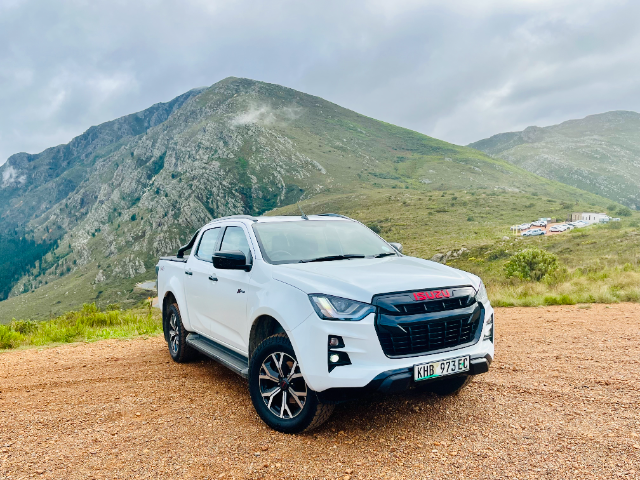
The Reserve Bank's decision to cut the repo rate by 25 basis points in May has direct implications for anyone looking to finance a new set of wheels.
Banks use the repo rate (now 7.25%) to determine the prime lending rate (currently around 11.25%). Your car loan interest rate will typically be prime plus a few percentage points, depending on your credit profile.
For a R300,000 vehicle over 60 months with a 10% deposit, pre-cut and post-cut rates could save you about R150- R200 per month. Not much, but more or less the price of a bag of groceries, and R200 x 60 = R12 000, enough for a lovely little holiday.
How to get the best car finance deals in South Africa

Understanding your financing options
Traditional instalment sale
Most South Africans consider this when discussing car finance – you make monthly payments until you own the car outright. It's straightforward: you agree to a loan amount, term length (usually 12-72 months), and interest rate, then make equal monthly payments until it's paid off.
This option is perfect for people who want to build equity and eventually own their vehicle outright. The longer you keep the car after it's paid off, the more value you get from your purchase.
Cash purchase
If you're fortunate enough to have the funds available, paying cash eliminates interest and sometimes gives you negotiating leverage at dealerships. However, even if you have the money sitting in your account, consider whether it might be better utilised elsewhere – perhaps earning interest or invested in something with better returns than the negative returns of a depreciating asset.
Balloon payment financing
We've seen the allure of the balloon payment trap catching too many car buyers. The sales pitch sounds fantastic – lower monthly payments! More car for your money! What's not to love?
Here's how it works: a portion of the car's cost (typically 20-30%) is deferred until the end of the loan term. Your monthly payments are calculated only on the remainder, lowering them throughout the loan period. However, when the term ends, you'll face a large lump sum payment – the "balloon."
For example, on a R300 000 car with a 20% balloon, your monthly payments are based on R240 000, but you'll owe R60 000 as a final payment. The catch? Interest is calculated on the full R300 000 throughout the term.
Many South Africans find themselves unprepared when that balloon payment comes due. They end up refinancing (extending the debt cycle) or being forced to sell the car, sometimes for less than what they owe.
This option makes sense primarily for people who regularly upgrade vehicles or have a concrete plan for handling that final payment.
Guaranteed future value (GFV)
This represents a more sophisticated approach to car financing that's gaining popularity in South Africa. Different manufacturers brand it differently – Mercedes-Benz calls it Agility Finance, BMW has Select, Audi offers Audi Assured, and Toyota markets it as FutureDrive. Mazda calls it Mazda Assure Finance.
The concept is clever: the manufacturer guarantees the future value of your car upfront. You only pay for the vehicle's depreciation (the difference between the purchase price and the guaranteed future value) plus interest during your ownership period.
At the end of the term, typically 3-4 years, you have three choices: pay the guaranteed amount and keep the car, trade it in for a new vehicle, or return it with no further obligations (provided you've stayed within the mileage limits and maintained the car properly).
The primary catch is that you must adhere to mileage limits (typically 15,000-30,000km per year) and maintain the vehicle according to schedule at approved service centres. Exceed these limits or skip maintenance, and additional charges will apply.
This is ideal for people who enjoy driving newer cars and want predictable costs with flexible end-of-term options.
Leasing a car
While not as common in South Africa as in Europe or North America, vehicle leasing is slowly gaining traction, especially among businesses and professionals.
Leasing is a long-term rental. You make monthly payments for a fixed period (typically 2-3 years), and most maintenance costs are covered in your payment. At the end of the lease, you return the vehicle – you never own it.
The advantages are clear: lower monthly payments, no worries about depreciation or resale value, maintenance typically included, and the ability to drive a new car every few years. The downsides are equally apparent: no ownership or equity building, mileage restrictions, potential charges for excessive wear and tear, and limited customisation options.
Leasing makes the most sense for businesses (which can claim tax benefits), people who enjoy driving new cars regularly, and those who prefer predictable monthly costs over building equity. The fine print is very, very important here, so ensure you read through it properly and ask all the right questions.
Car subscription
The newest entrant in the South African vehicle financing landscape is the subscription model, exemplified by Toyota's Kinto One and alternatives like FlexClub. These services offer a fundamentally different approach to car access – bundling almost everything into one predictable monthly payment.
Toyota launched Kinto One in South Africa in 2022, and it's been gaining significant traction as consumer preferences shift toward flexibility over traditional ownership. The service requires no deposit and includes vehicle payment, comprehensive insurance, maintenance (including tires), licensing, and roadside assistance at a monthly fee. You only pay for fuel separately.
How Kinto One works:
- Available across Toyota's entire range, from the affordable Vitz at R2,999 per month to premium models like the RAV4 at R11,671
- Contract lengths range from 6 months to 5 years, with the ability to adjust your mileage allowance
- No large upfront deposit required – just your monthly subscription
- You return the vehicle at the end of your term—there is no balloon payment or ownership transfer.
Other providers like FlexClub (please note that we have no experience with them) offer even more flexibility with their pay-as-you-go model. They require no credit checks and allow subscribers to swap vehicles or cancel without penalties. Their service starts from just one month, with unused mileage (3 000 km per month) rolling over.
Subscription advantages:
- True all-in-one payment simplifies budgeting
- No deposit requirements mean lower barriers to entry
- Maximum flexibility with minimal long-term commitment
- Everything is handled by the provider, reducing administrative hassle
- Access to newer vehicles more frequently
The catch? Monthly costs are typically higher than traditional financing methods, reflecting the convenience, flexibility, and bundled services you're paying for. For example, financing a Toyota Starlet might cost less per month than the R4 267 subscription fee, but wouldn't include insurance, maintenance, and other costs that Kinto One covers.
Car subscriptions are ideal for those who value convenience and flexibility over long-term equity building and businesses looking to simplify their vehicle fleet management with predictable monthly costs.
Related: What you need to know about car finance

Qualifying for car finance
Getting approved for vehicle finance in South Africa requires meeting several basic criteria. You'll need to be at least 18 years old, have a valid South African ID or driver's license, provide proof of residence (less than 3 months old) and income (recent payslips or bank statements), maintain a good credit history, and typically earn a minimum monthly income of R6,000-R10,000, depending on the lender.
If you're facing credit challenges, there are still options. Those with limited credit history might consider having a parent or family member sign a surety (as guarantor), save for a larger deposit to reduce the lender's risk, or look into entry-level vehicle options with smaller loan amounts.
For those with poor credit history, improve your credit score before applying, be prepared for higher interest rates, and consider in-house financing from certain dealerships (though interest rates may be higher).
When someone signs a surety for your car finance, they take on serious responsibility. They become legally liable for the debt if you default, and the lender will consider their own credit rating and financial standing. This approach is ideal for first-time buyers with limited credit history, with parents or close family members commonly acting as sureties.
Related: Top 10 cheapest new cars in SA in 2025

The hidden costs of car ownership
The sticker price and monthly instalment are just the beginning of your car ownership costs. Comprehensive insurance is mandatory for financed vehicles and can add R500-R2 000+ to your monthly expenses depending on the car and your risk profile.
To reduce your insurance premium, choose a car with a good safety record and lower repair costs, consider a higher excess (but ensure you can afford it if you need to claim), maintain a clean driving record, install security features like tracking devices, and park in a secure location overnight.
Fuel efficiency varies dramatically between vehicles and can significantly impact your monthly budget. A fuel-efficient car might use 5-6 L/100km, while a large SUV could use 12-18 L/100km (or more!) – a difference that could amount to thousands of rands annually, given South Africa's fuel prices.
Maintenance costs also add up quickly once warranty and service plans expire. New cars typically come with service plans (covering regular servicing, including labour and standard parts) or maintenance plans (more comprehensive, covering wear-and-tear items like brakes and clutches). Once these expire, the annual maintenance budget is R5 000-R15 000, depending on the vehicle.
Don't forget annual license renewal fees range from around R400 for small cars to around R1 500+ for larger vehicles.

Making your final decision
When evaluating car finance options, look beyond the monthly payment to calculate the total cost of ownership: purchase price + total interest + insurance + maintenance + fuel + depreciation. This gives you an accurate picture of your vehicle's cost over time.
Before signing any agreement, ask critical questions: What is the total amount I'll pay over the loan term? What is the interest rate, and is it fixed or variable? Are there any additional fees or charges? What happens if I want to settle the loan early? If choosing a balloon or GFV option, what are my obligations at the end of the term?
Always take time to understand the contract thoroughly. Ask questions or seek independent advice before signing if something is unclear.