Isuzu D-Max 7th Gen Buyer's Guide (2022-2026)
The Isuzu D-Max has earned its reputation as a no-quit bakkie across both the agricultural and lifestyle segments. If you are in the market for one and want to be sure what to look for, then this buyer's guide will help you along the way.



The 7th-generation D-Max debuted globally in 2019 and launched in South Africa in 2022 (built locally at Isuzu’s Gqeberha plant). It replaced the long-running RT50 generation.
Engine options in South Africa
1.9TD (RZ4E-TC 1.9-litre turbodiesel)
Power: 110 kW
Torque: 350 Nm
6-speed manual or automatic
Rear-wheel drive or 4x4
Focus: economy, fleet use, lighter-duty applications.
3.0TD (4JJ3-TCX 3.0-litre turbodiesel)
Power: 140 kW
Torque: 450 Nm
6-speed manual or automatic
4x2 or 4x4
Focus: towing, heavy loads, off-road use, premium trims.
Both engines are Euro-5 compliant and use common-rail direct injection. The 3.0-litre is an evolution of Isuzu’s long-running 4JJ engine family, widely respected in South Africa for durability.
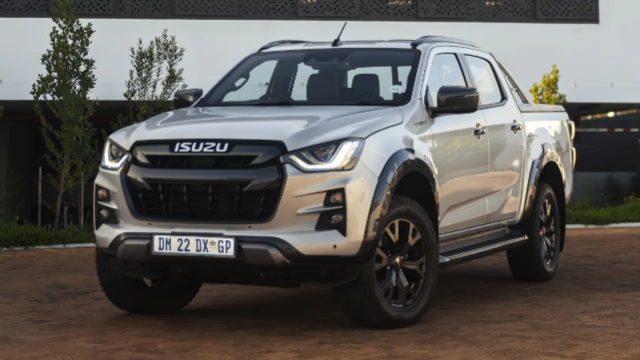
Trim levels available in SA
South African buyers typically see the following trims (availability varies by year):
L – Entry-level, work-focused.
LS – Mid-range comfort and safety.
- LS X-Rider - Mid-range with cosmetic upgrades.
LSE – Added tech and cosmetic upgrades.
V-Cross – Range-topper with distinctive styling and high spec.
- AT35 - Arctic Trucks modified version with improved wheels, suspension, ground clearance, wading depth and towing capacity.
Single Cab, Extended Cab and Double Cab body styles are offered, depending on trim.
Near-new 2024–2025 double-cab V-Cross models are already appearing on the used market.
Common strengths of the 7th-generation D-Max
Proven 3.0-litre heritage:
The 4JJ3 3.0-litre builds on Isuzu’s long-standing diesel reputation in Africa and Australia. Strong low-end torque makes it ideal for towing (rated up to 3 500 kg braked in 4x4 form).
Improved refinement:
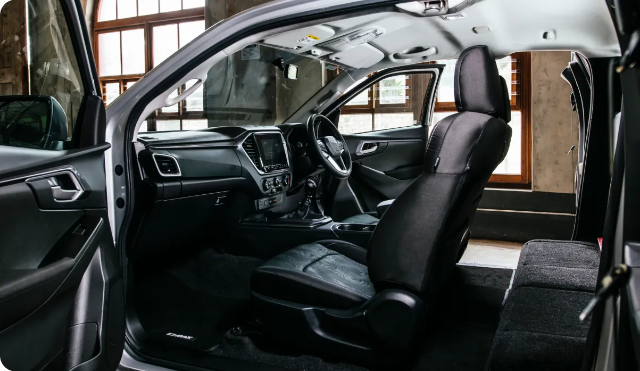
Compared to the previous generation, this D-Max features better noise, vibrations and harshness suppression, improved ride quality and a more modern cabin.
Strong safety credentials:
The 7th-gen D-Max achieved a 5-star ANCAP safety rating (Australian testing body), with advanced driver-assistance systems such as autonomous emergency braking and lane-departure warning on higher trims.
Fuel economy:
Real-world consumption:
1.9TD: 7.0–8.0 L/100 km
3.0TD: 7.5–9.5 L/100 km
(Actual figures vary depending on load, tyres and terrain.)
Common problems and known concerns
While generally regarded as durable, no bakkie is perfect.
EGR & DPF considerations (all modern diesels)
Like competitors such as the Toyota Hilux and Ford Ranger, the D-Max uses emissions-control systems that can suffer if the vehicle is driven only short distances. DPF clogging risk increases with repeated cold starts and city-only driving.
Tip: Ensure periodic highway runs and use low-ash oil.
Injector sensitivity
Common-rail systems require clean diesel. Contaminated fuel can lead to injector issues, and repairs can become expensive. This is not unique to Isuzu but applies to all modern turbodiesels.
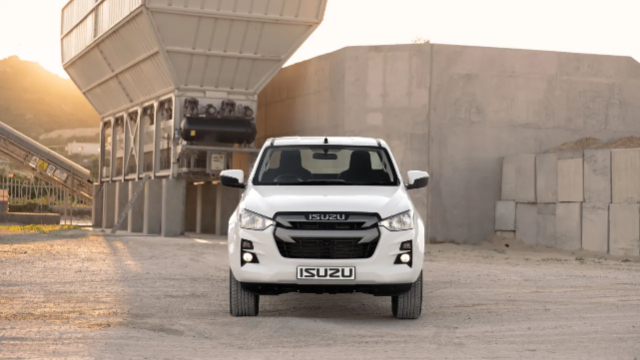
Electronic driver-assist calibration
Some early models globally had complaints about overly sensitive lane-keeping systems. Most concerns were addressed via software updates.
Suspension wear (work vehicles)
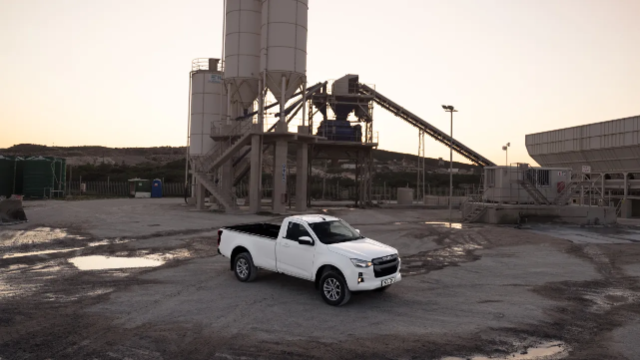
Fleet or heavily loaded single-cabs may show:
Rear leaf-spring fatigue
Worn bushings
Steering play over 100 000 km
This depends largely on load history.
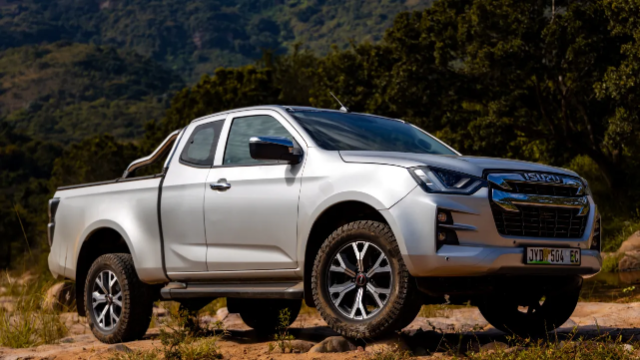
Running costs: What to expect
| Variant | Real-World Fuel | Service Costs | Risk Notes | Parts Availability |
|---|---|---|---|---|
| 1.9TD | 7–8 L/100 km | Moderate | DPF clogging if short-trip use | Very good |
| 3.0TD | 7.5–9.5 L/100 km | Moderate | Injector sensitivity to bad fuel | Excellent |
Isuzu service intervals are typically 15,000 km.
Insurance is generally competitive due to strong resale and a low theft ranking compared to some rivals.
Parts availability in South Africa is strong thanks to local production.
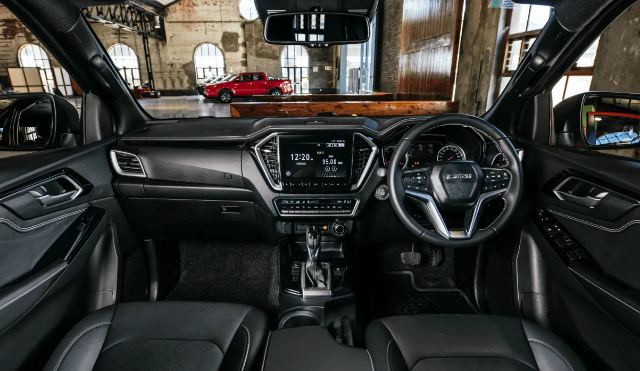
Driveline & 4x4 system
4x4 models use a part-time system with a low-range transfer case.
Strengths
Simple, durable layout
Proven reliability
Strong towing stability
What to check
Engage 4H and 4L during test drive
Listen for transfer-case whining
Check for vibration under load
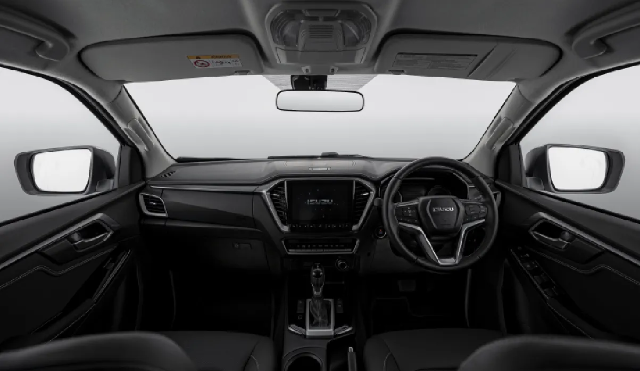
Interior & exterior - strengths and concerns
Strengths
Noticeably improved dashboard design vs the previous generation
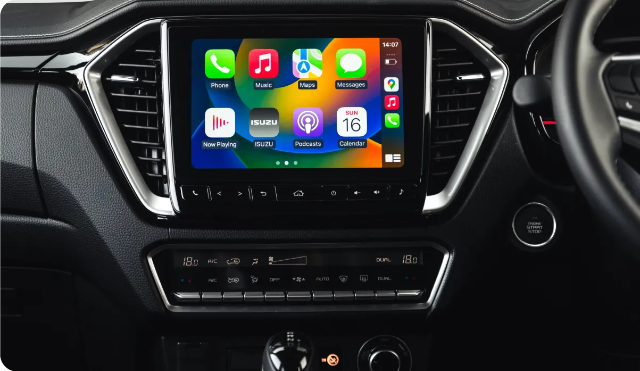
V-Cross offers leather, touchscreen infotainment, Apple CarPlay/Android Auto
Improved cabin insulation
Common checks
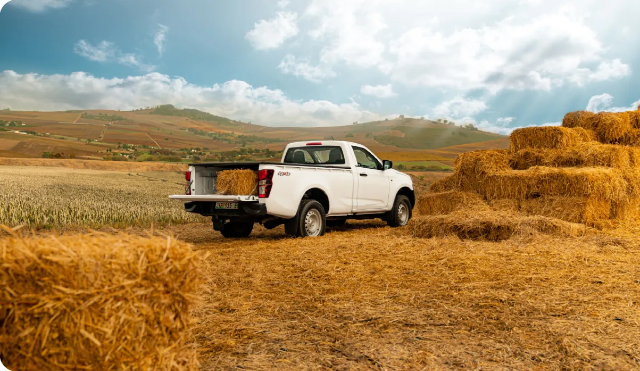
Inspect the load bin for excessive abuse
Check for accident repairs around chassis rails
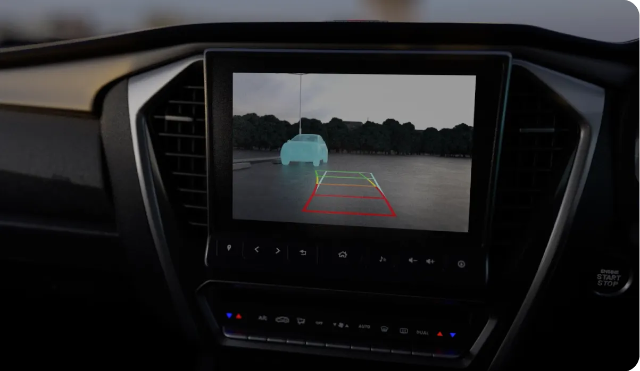
Ensure all driver-assist features function correctly
General car-buying advice
Service history is critical.
Full dealer or reputable specialist history matters more than trim level.
Check the underbody condition.
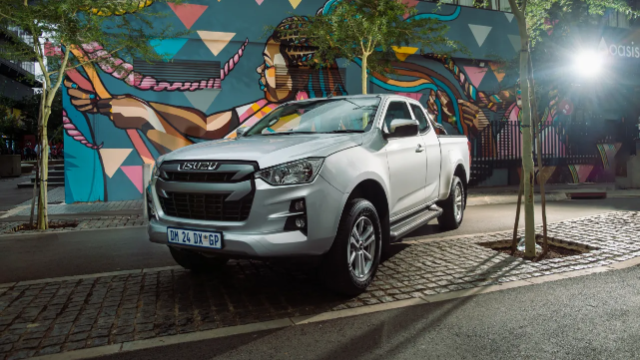
Many bakkies live hard lives. Inspect diff housings, suspension mounts and crossmembers.
Avoid poorly modified examples.
Heavy suspension lifts or power remaps can shorten driveline life.
Which 7th-gen D-Max is for me?
| Buyer Profile | Recommended Variant | Why |
|---|---|---|
| Budget fleet / light duty | 1.9TD L | Best fuel economy and lower purchase price |
| Farmer / towing user | 3.0TD LS 4x4 | Strong torque and durability |
| Family + lifestyle buyer | 3.0TD LSE Auto | Comfort + power balance |
| Premium lifestyle buyer | 3.0TD V-Cross 4x4 | Full feature set and resale strength |
Test drive checklist
| Checkpoint | What to Do |
|---|---|
| Cold start | Listen for excessive injector knock |
| Gear shifts | Ensure smooth automatic shifts |
| 4x4 engagement | Confirm 4H/4L engages cleanly |
| Steering | Check for play or vibration |
| DPF warning lights | Ensure no warning lights remain illuminated |
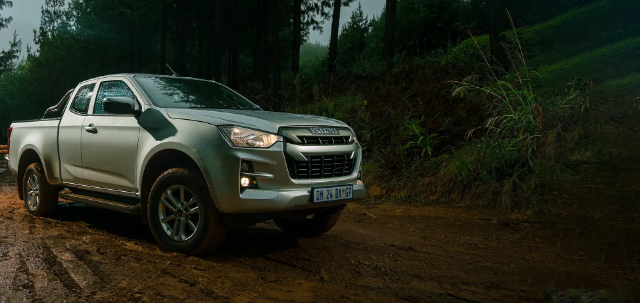
| Underbody | Look for off-road damage |
How much should you pay in South Africa? (2026 used market estimate)
Early 2022 1.9 LS Double Cab: R350 000 – R420 000
2022–2023 3.0 LSE 4x4: R480 000 – R620 000
2024–2025 V-Cross 4x4: R650 000 – R800 000+
Condition, mileage and service history significantly influence pricing.
Recalls
Always run a VIN check with Isuzu South Africa to confirm:
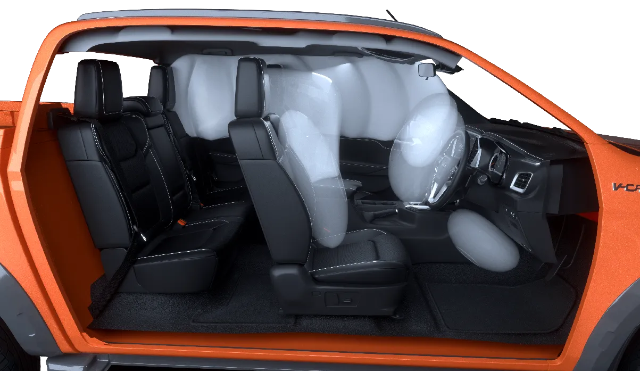
Airbag-related recalls (industry-wide Takata campaigns affected many brands globally).
Software updates for safety systems.
Any outstanding emissions-related campaigns.
Our verdict: Which Isuzu D-Max should you buy?
If I had to pick a sweet spot for the South African market, it would be a 2022–2024 3.0TD LSE 4x4 automatic with full service history.
Why this one?
Proven 3.0-litre engine
Strong towing and resale value
Better comfort than base LS
Lower purchase cost than V-Cross
Ideal balance of work and lifestyle use
Final tip: The D-Max’s reputation for durability is well-earned — but only if it has been serviced correctly and not abused. A clean service record and careful inspection matter more than a badge or trim.