Mercedes-Benz C-Class Buyer's Guide (2014-2021)
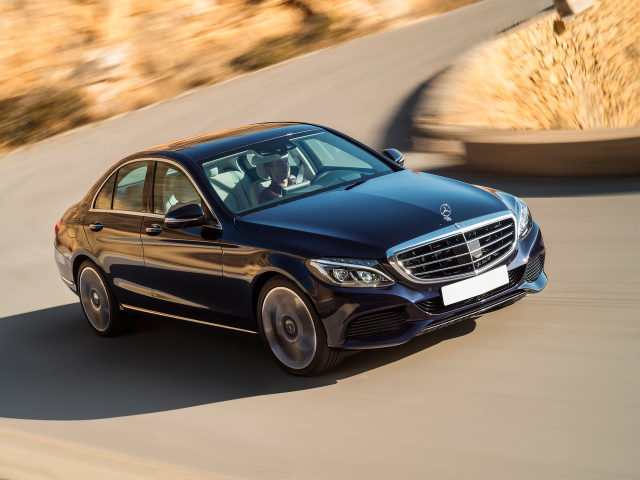
Looking at buying one of SA's most popular used cars? Here's our handy Buyer's Guide for the Mercedes-Benz C-Class from 2014 to 2021!



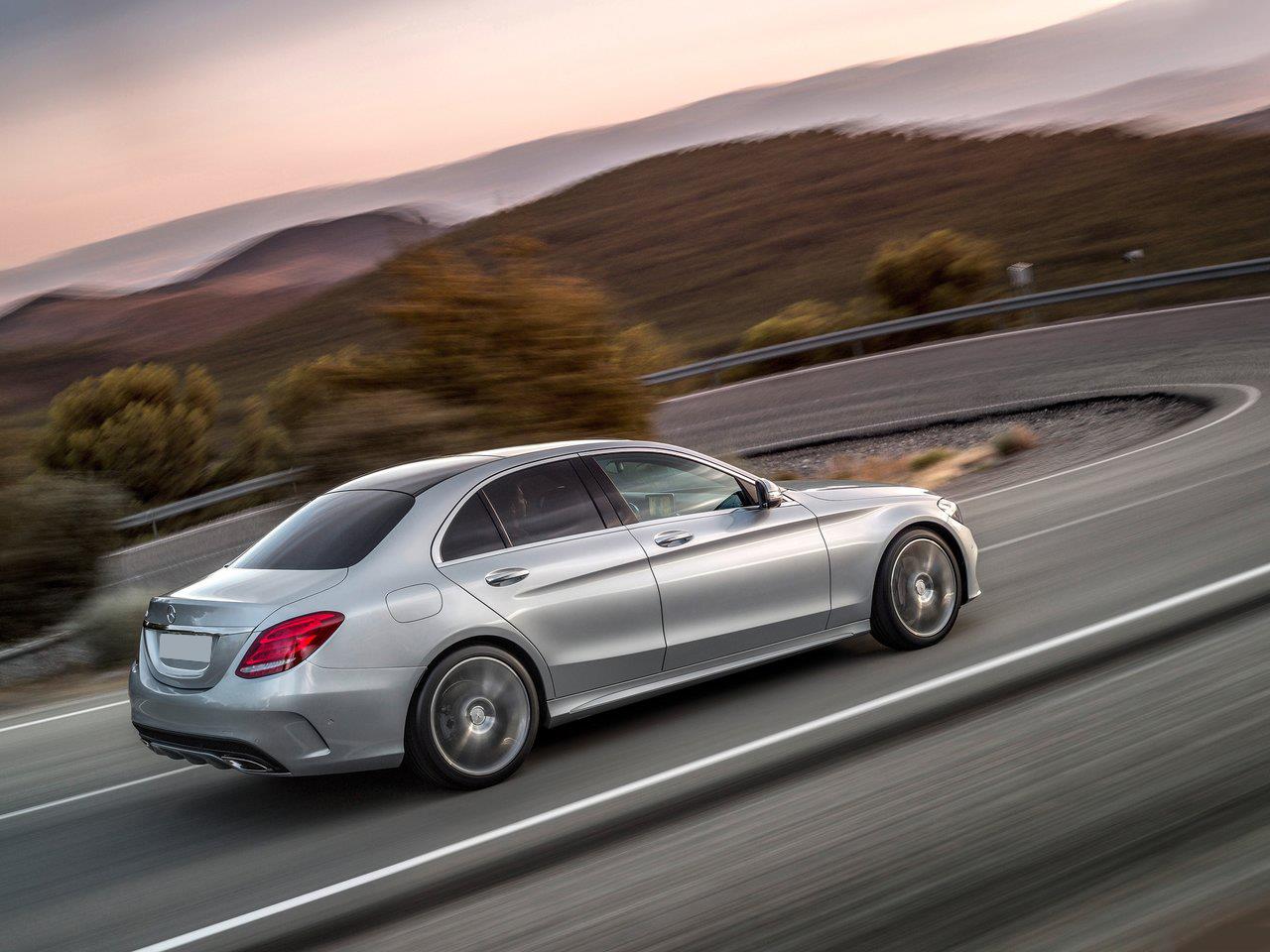

So, you're considering a Mercedes-Benz C-Class? Whether you are looking for a practical family sedan or a premium vehicle to show you have arrived, a die-hard Mercedes fan who loves the styling, a prospective buyer just looking for a solid car, or a non-car person trying to make sense of it all, this guide is for you. We'll break down the details in a way that’s easy to understand and help you find the perfect C-Class for your needs.
Mercedes-Benz C-Class Model line-up and special editions
Here is a list of the Mercedes-Benz C-Class models and special editions available in South Africa from 2014 -2021, comprising the W205's two main phases.
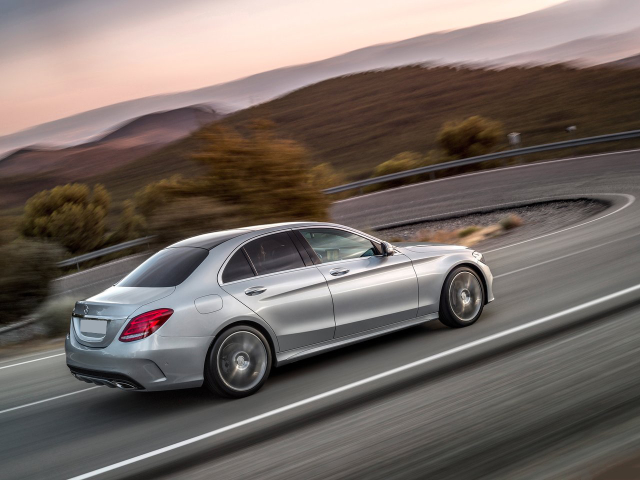
Original 2014 to 2017 (W205)
This was the fourth generation of the Mercedes-Benz C-Class.
C 180: This was an entry-level sedan available with manual and automatic transmissions. It features a 1.6-litre, turbocharged, 4-cylinder petrol engine with ample power (115 kW, 250 Nm) for the daily commute, while still being frugal.
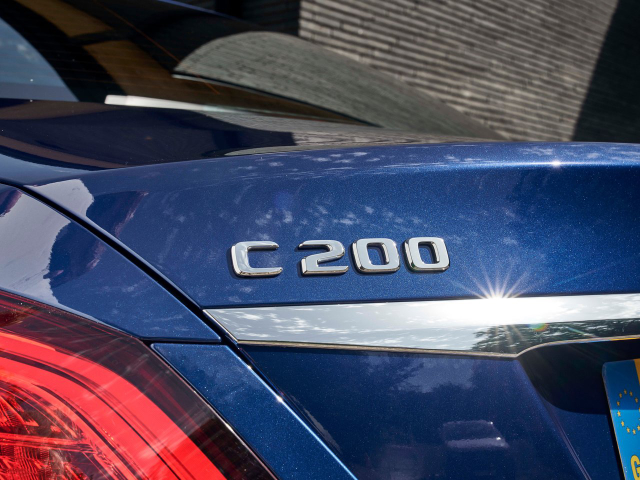
C 200: A step up from the C180, offering 20 kW and 50 Nm more pulling power as it was equipped with the 2.0-litre, turbocharged, 4-cylinder petrol engine with the same options in transmissions.
C 250: The C 250 utilises the same M274 DE20 LA engine as the C200; however, with clever tuning, it produces 20 kW and 50 Nm of torque more than the C 200.
C 220 BlueTEC: The only diesel offering at the time of the local introduction of the W205 C-Class, the C220 BlueTEC comes fitted with a 2.1-litre, turbodiesel motor that offers 125 kW and 400 Nm of torque.
Pre-facelift additions - 2016
- C 350 e: The C350 e is a plug-in hybrid variant that was added to the range and combined the power from a 2.0-litre, turbocharged, 4-cylinder petrol motor with that of an electric motor to produce a total maximum output of 205 kW and 600 Nm of torque. It offers a full electric driving mode for up to 31 kilometres from the 6.38 kWh lithium-ion battery. The main benefit is in hybrid mode, where Mercedes-Benz claims an average fuel consumption figure of 2.1 L/100 km.
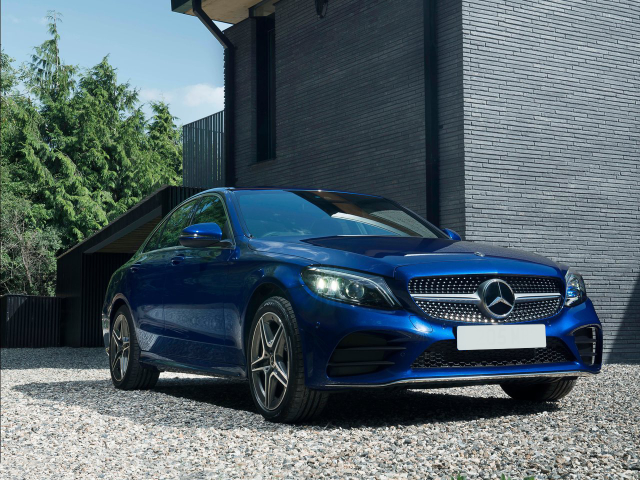
Facelift - 2018 to 2021
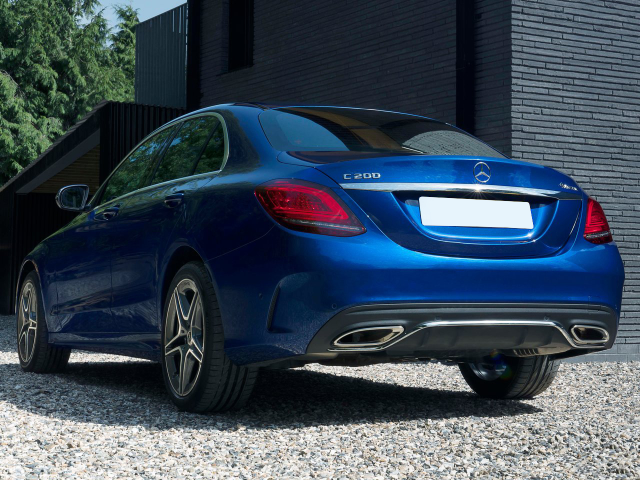
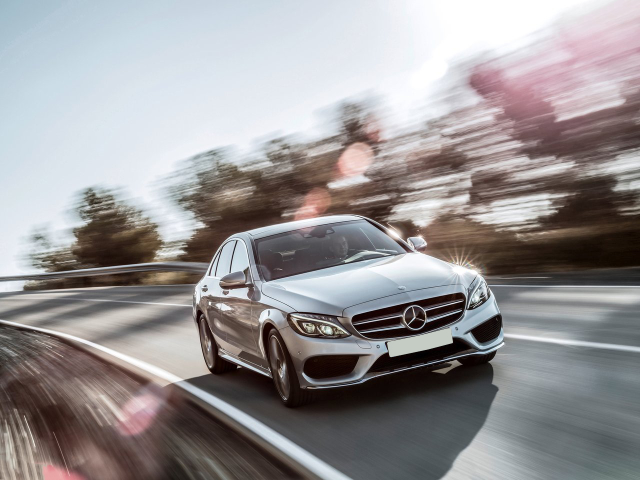
This facelift brought a significant design overhaul, featuring new LED headlamps and LED daytime running lights, updated semi-autonomous driving aids, larger infotainment screen options, and major engine updates.
C 180: In place of the 1.6-litre, turbocharged motor, Mercedes-Benz installed a 1.5-litre, turbopetrol engine producing 115 kW and 250 Nm of torque while capable of sipping less fuel.
C 200: The downscaling of engines continued in the C200 with it being fitted with the same M264 E15, 1.5-litre, turbopetrol engine, however, bolstered with a 48V mild-hybrid configuration. This resulted in an output of 135 kW and 280 Nm of torque with a lower claimed fuel consumption.
C 300: The C 250 was replaced altogether with the C 300 range, which now utilises a 190 kW and 370 Nm, 2.0-litre turbopetrol engine.
C 220d: The C 220 BlueTEC just became the 220d and replaced the 2.1-litre with a 2.0-litre, turbodiesel motor delivering 143 kW and 400 Nm of torque with very frugal fuel consumption figures.
Common problems and strengths of the Mercedes-Benz C-Class
Engine & drivetrain
This is the key difference between the derivatives and also the overall reliability of the range. While the Mercedes-Benz C-Class W205 generation is generally considered a reliable vehicle, like most cars, there are items to pay attention to.
Pre-facelift
1.6-litre C 180 (M274 DE16 LA)
Engine & Production Era: 2014-2018
Strengths:
- Being the smaller, entry-level turbo petrol, this engine offers good fuel economy for the size of the car. It tends to carry fewer of the heavy emission/after-treatment systems of diesels.
- In general, the W205 petrol models are considered to offer simpler ownership compared to the diesels.
- Acceptable performance for daily driving and decent refinement.
Common problems:
Timing chain/chain tensioner issues: For the M274 petrol engines, there is repeated mention of timing chain‐related problems (rattling on startup, idle noise), especially after around 80,000-100,000 km.
Oil consumption: The M274 is reported by some owners to use oil at a higher rate than expected, especially if maintenance has been lacking.
Turbocharger, injectors and general accessory issues: Some owners report turbo loss of power or injector/fuel system faults.
2.0-litre C 200, C 250 (M274 DE20 LA)
Engine & Production Era: 2014 -2018
Stengths
The 2.0 L turbo petrol M274 used in the C200/C250 offers significantly more power/torque than the 1.6 L, while retaining good fuel use, making it a good balance.
It has been noted that a useful breather/PCV system on the M274 that vents back into the crankcase (rather than throttle body) helps keep intake valves cleaner than many direct‐injection engines.
Common problems
Timing chain/chain tensioner issues: For the M274 petrol engines, there is repeated mention of timing chain‐related problems (rattling on startup, idle noise), especially after around 80,000-100,000 km.
Oil consumption: The M274 is reported by some owners to use oil at a higher rate than expected, especially if maintenance has been lacking.
Turbocharger, injectors and general accessory issues: Some owners report turbo loss of power or injector/fuel system faults.
2.1-litre C 220d BlueTEC (OM651 DE22 LA)
Production Era: 2014 - 2018
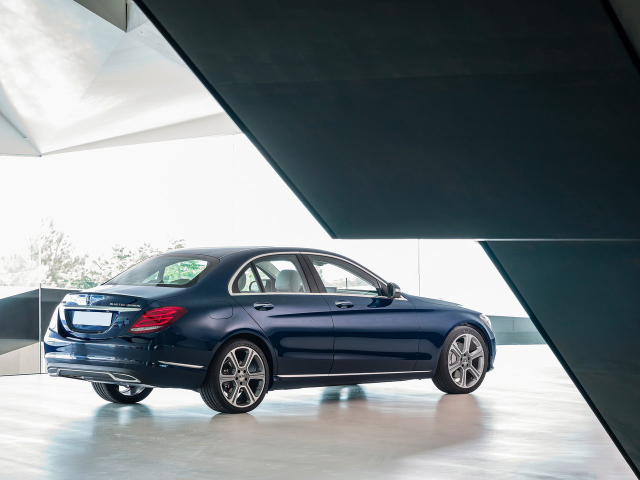
This was the one diesel engine available from launch for the W205 generation Mercedes-Benz C-Class. The engine was shared with a variety of derivatives and even vehicle models within Mercedes-Benz's product line-up.
Strengths
- The diesel variant (BlueTEC) offers strong torque for daily driving, very good fuel economy on the open road, making it very attractive for higher-mileage users.
Common problems
- Emissions/after-treatment system issues: Diesels in W205 (including BlueTEC) are prone to exhaust gas recirculation (EGR) valve clogging, Diesel Particulate Filter (DPF) warnings or failures, especially if driving short distances/not getting up to temperature.
2.0-litre C 350e (M274 DE20 LA) + Electric Motor (PHEV)
Production Era: 2014 - 2018
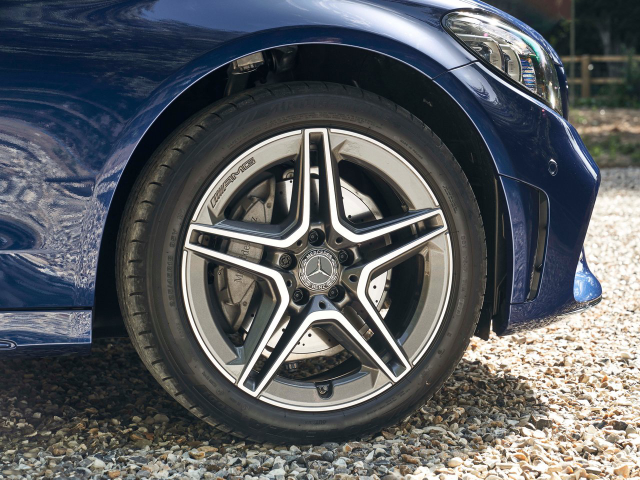
This was the plug-in hybrid derivative that was added at a later stage. With a small customer base for this model and it being a more recent addition to the range, very little information regarding its reliability is available.
Strengths
- Very good fuel economy (claimed 2.1 L/100 km for the hybrid).
- Ability to drive short distances in electric mode and not rely on the engine whatsoever.
Common problems
- Additional complexity: Hybrid system, battery, electric-motor components could potentially incur a higher cost of repair outside warranty.
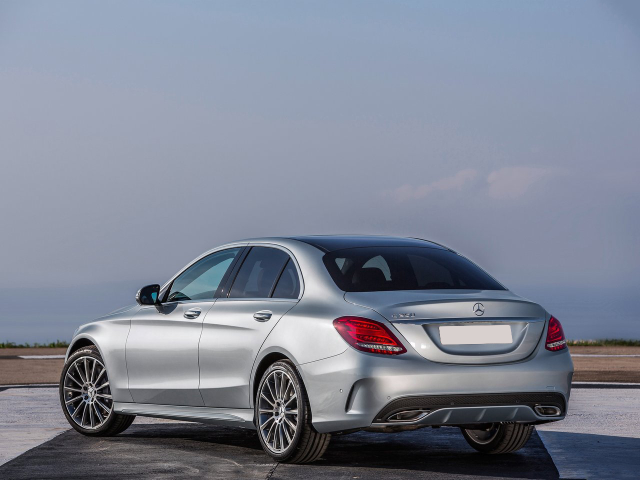
Post facelift
1.5-litre C 180 (M264 E15 DE LA)
Production Era: 2018 - 2021
Strengths
Modern small-displacement direct-injection turbo design: good power for size, low CO₂ and competitive fuel consumption for city/highway use. The M264 family is praised in reviews for refinement and economy.
Simple, quiet operation at cruising speeds — typical Mercedes NVH (noise-vibration-harshness) advantages retained.
Common problems
Valvetrain / cylinder-head reports: Owners and service bulletins/forums have reported premature cylinder-head, valve seat, valve stem-guide issues on some M264 engines (symptoms: misfire, sudden power loss).
PCV/crankcase ventilation (P052E71) and oil deposits: We have found complaints regarding the crankcase ventilation and/or intake-line assemblies causing codes like P052E71, oil contamination at connectors, and related issues.
Oil consumption & carbon build-up: As with many direct-injection turbo petrols, carbon on intake valves and above-average oil use have been reported — regular oil checks and correct oil spec are important.
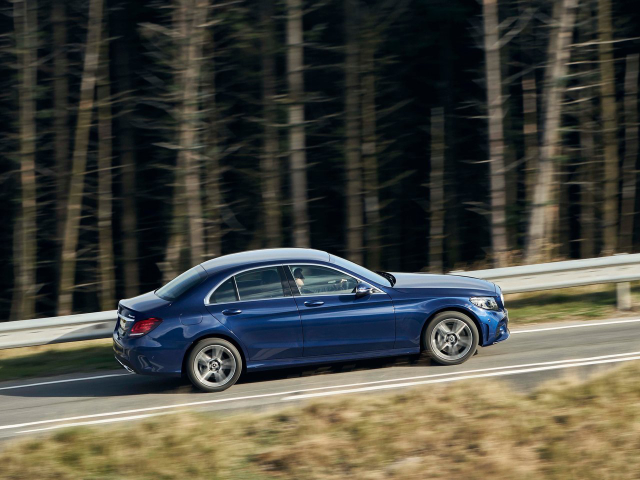
1.5-litre C 200 (M264 E15 DEH LA + 48V ISG mild-hybrid)
Production Era: 2018 - 2021 (Technically, the same 1.5 L M264 block with an integrated starter-generator mild-hybrid system)
Strengths
48V mild hybrid (ISG) benefits: smoother stop/start, brief torque/horsepower boost at low revs, improved fuel economy and faster, quieter restarts — real-world reviewers note improved drivability and lower urban fuel use. The mild-hybrid system (ISG + 48V battery) is an efficient way to gain hybrid benefits without the complexity of a full PHEV.
Common problems
All M264 mechanical issues still apply. The mild-hybrid variants share the same mechanical weak points (valvetrain/cylinder head, intake ventilation faults) as the M264 in the C 180.
48-V system items: Dealer and owner reports show occasional faults tied to the 48V battery/ISG system (battery faults, hybrid-system error messages). These are less frequent than core engine failures but can require dealer-level diagnostics and replacement of 48V battery modules or ISG components. Forum reports and dealer notes recommend checking any stored fault codes and battery health.
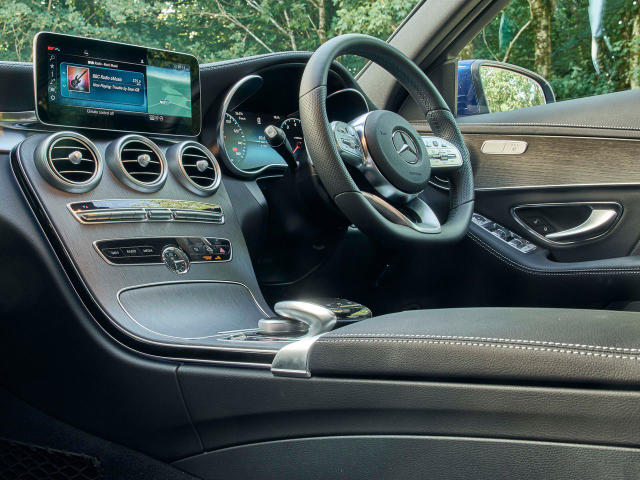
2.0-litre C 300 (M264 E20 DEH LA + 48V ISG)
Production Era: 2018 - 2021 (Higher-powered 2.0 L member of the M264 family plus mild hybrid assist)
Strengths
Strong torque and power for the class: The 2.0-litre turbopetrol with 48V boost gives brisk acceleration with good mid-range pull. Test drives and reviews note the combination yields confident overtaking and highway performance while still delivering good economy for an entry-level luxury car.
Mild-hybrid smoothing & efficiency: As with the C200, ISG gives extra low-end torque and improves stop/start behaviour.
Common problems
M264 family mechanical faults: The same issues appear in higher-output M264 variants — cylinder head/valvetrain concerns, oil consumption, intake-line/PCV faults (P052E71) and isolated reports of turbo/fuel-rail issues.
Higher stress = higher repair cost: The higher-output M264 variants can show the same failure modes but with potentially higher service/repair costs (turbo, injectors, head work).
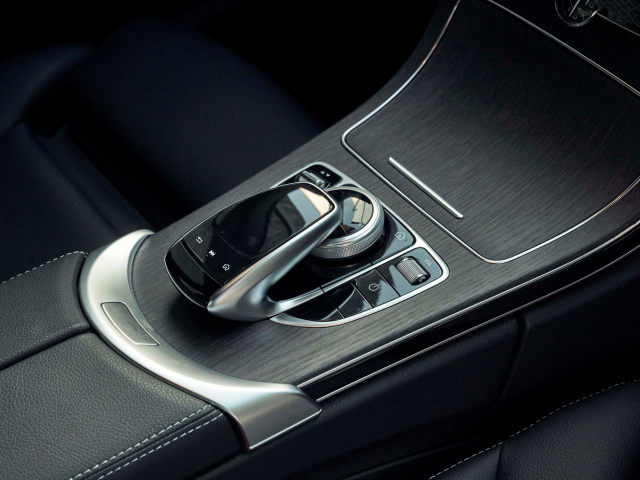
2.0-litre turbodiesel C 220d (OM654 DE20 SCR)
Production Era: 2018 - 2021 (OM654 is Mercedes-Benz's modern 4-cyl diesel introduced mid-late 2010s)
Strengths
Fuel efficiency & torque: OM654 is widely praised for its efficiency, low NVH for a diesel, and strong low-end torque — very suitable for long-distance/high-mileage users. Reviews and tech summaries treat OM654 as a technically advanced and efficient diesel.
Cleaner emissions architecture: Built with SCR (AdBlue) and other emissions tech to meet Euro6 rules while maintaining performance.
Common problems
DPF/EGR/AdBlue service items: As with nearly all modern diesels, owners report DPF clogging, EGR deposits and AdBlue system faults — especially on vehicles used mainly for short urban trips that don’t allow high-temperature DPF regeneration. These lead to frequent dealer visits if not managed by proper driving patterns and maintenance.
Timing chain/cam/timing recalls (OM654): OM654-family diesels have been subject to recalls in several markets for timing chain or timing-component actions (manufacturers issued service programs to replace chain links/bolts in some serials). Check VIN history, as some vehicles were recalled or called into service.
Mercedes-Benz C-Class W205 Running Costs:
When purchasing a used Mercedes-Benz C-Class in South Africa, running costs are not just about fuel economy.
Pre-facelift
| Factor | C 180 (1.6 L turbo petrol) | C 200 / C 250 (2.0 L turbo petrol, M274) | C 220 BlueTEC (2.1 L diesel) | C 350 e (2.0 L petrol + plug-in hybrid) |
|---|
| Real-World Fuel Economy (Best) | ~7.0-7.8 L/100 km — smaller petrol engine, good economy in mixed use. | ~7.5-8.5 L/100 km — 2.0 L petrol fairly efficient but higher output than the 1.6. | ~5.0-6.0 L/100 km (long-distance) — diesel economy is strong especially on highway. | ~3.0-4.0 L/100 km (when hybrid‐mode used properly) — plug-in hybrid variant offers lowest fuel figure in optimum conditions. |
| Routine Service Cost | Moderate — conventional petrol, widely supported; typical premium compact maintenance cost. | Moderate to High — M274 petrol 2.0L introduces more complexity (turbo, direct injection) and possible higher maintenance cost. | Moderate — diesel servicing includes DPF/AdBlue systems which may raise cost, especially if usage is urban/short-trip heavy. | High — hybrid system adds extra components (battery, electric motor, high-voltage system) and may require more specialised diagnostics/service. |
| Risk of Catastrophic Failure | Low → Moderate — petrol 1.6L simpler, fewer extreme faults documented, but still needs maintenance vigilance. | Moderate → High — M274 2.0L is documented with issues (timing chain/valvetrain, oil consumption, piston failures) which in some cases lead to major engine repair. | Low → Moderate (usage-dependent) — Diesel engine generally robust, but failures from misuse (short trips, DPF/EGR neglect) or major component failure (injectors/turbo) can be expensive. | Moderate — Hybrid introduces more system complexity and potential additional fault domains (battery, high-voltage wiring) though not as many documented catastrophic failures yet; still higher risk than basic petrol. |
| Parts Availability (SA) | Good → Excellent — high volume petrol engine, many parts available aftermarket and via dealer. | Good → Moderate → Excellent — large parts base for M274 given volume, but some high-spec components may be relatively cost-lier. | Excellent — Diesel components broadly available; many workshops familiar with diesel servicing; large parts network. | Good → Moderate — Hybrid parts are less common than purely petrol/diesel, but still supported; some specialist parts may be costlier and lead-time longer. |
| Cost of Ownership Verdict | Balanced / Good value — if maintained well, fuel economy is decent and ownership cost manageable. | Higher risk / higher cost — good performance but increased complexity, higher repair risk means ownership cost can escalate if service history is weak. | Very good for higher-mileage or long-distance use — diesel ownership cost is favourable if driven appropriately; for primarily city use, DPF/EGR service may raise cost. | Best fuel economy potential but highest complexity — potentially lowest daily fuel cost but ownership cost risk (repair/diagnostics) is higher and usage must exploit the hybrid benefits. |
Post-facelift
| Factor | C 180 — M264 E15 DE LA (1.5 L) | C 200 — M264 E15 DEH LA + 48V ISG (1.5 L mild-hybrid) | C 300 — M264 E20 DEH LA + 48V ISG (2.0 L mild-hybrid) | C 220d — OM654 DE20 SCR (2.0 L diesel) |
|---|
| Real-World Fuel Economy (Best) | ~6.0–6.8 L/100 km (real-world/WLTP) — small-displacement petrol with good economy in mixed driving. | ~6.0–6.5 L/100 km (real-world/WLTP) — 48V ISG delivers small but measurable urban savings vs non-hybrid petrol. | ~6.5–8.0 L/100 km (real-world) — higher output 2.0-L with 48V ISG; highway economy is very decent but sporty use raises consumption to ~7–8 L/100km. Test and review figures commonly fall in this band. | ~4.0–5.0 L/100 km (real-world) — OM654 diesels are very frugal on the highway; realistic mixed-use figures often reported around mid-4s L/100 km when used for long runs. |
| Routine Service Cost | Moderate — modern petrol M264 requires synthetic oil, dealer diagnostic tools for direct-injector/PCV items; routine service parts widely available at MB SA dealers and independent Mercedes specialists. Expect typical premium-compact costs. | Moderate – slightly higher than C180 — same M264 base plus 48V system checks (battery/ISG) add some diagnostic steps; still within dealer/independent specialist capability. | Moderate to High — 2.0-L, higher output and turbo support parts increase potential labor/costs (turbo, injectors). 48V ISG system adds diagnostic/possible battery module costs. | Moderate to High — diesel after-treatment (DPF/AdBlue) servicing and occasional injector/DPF regeneration or SCR work make diesel servicing more frequent/expensive for urban use; however diesels are well-understood by specialist shops. |
| Risk of Catastrophic Failure | Low → Moderate — no single systemic “instant total loss” design fault but M264 family has documented cylinder-head/valvetrain, PCV (P052E-type) and oil-consumption issues that can become costly if ignored. Watch for early symptoms. | Low → Moderate — same mechanical risks as other M264 engines; 48V ISG adds a low-frequency electrical/hybrid fault risk (48V battery/ISG fault can immobilise the car until diagnosed). Not usually catastrophic, but can be inconvenient and pricey to correct. | Moderate — higher outputs put more stress on the M264 hardware (turbo, injectors, valvetrain). Documented M264 mechanical issues exist — if neglected they can lead to major head or turbo work. 48V adds another potential failure domain. | Low → Moderate (pattern dependent) — OM654 is generally robust, but diesel timing-component recalls and issues with cam/cam-bearing/chain have been reported in some serials; catastrophic outcomes are relatively rare but timing/cam failures are expensive. DPF/EGR misuse leads to repeated failures if used only for short hops. |
| Parts Availability (South Africa) | Good → Excellent — Mercedes SA dealer network + established aftermarket/used-parts suppliers (local Mercedes parts houses and specialist aftermarket sellers). Widely supported. | Good → Excellent — same as above; 48V components are more specialist but MB SA / authorised agents and specialist suppliers stock ISG/48V modules or can source them. | Good — common 2.0-L parts are available via MB SA dealers and aftermarket; some higher-spec turbo/ISG parts may be dealer-sourced and costlier. Overall availability in SA is solid. | Excellent — OM654/2.0-L diesel is high-volume and well supported by dealer and independent markets in South Africa (genuine + aftermarket + used components widely available). |
| Cost of Ownership Verdict | Moderate / Balanced — excellent daily fuel economy on mixed use; be disciplined with oil checks and verify PCV/recall work on purchase to avoid M264 repair costs. Good long-term if maintained properly. | Moderate (better urban economy) — small fuel benefit from the 48V ISG in town; slightly higher maintenance complexity (48V checks). Good option if you value lower urban consumption and quiet restarts. | Moderate-High (performance focus) — best for buyers wanting stronger performance with decent economy; higher repair/consumable exposure (turbo/valvetrain) means total-cost-of-ownership can rise if service history is poor. | Cost-effective for high mileage, conditional for city use — lowest fuel cost for highway/long-distance drivers; higher risk of repeated DPF/AdBlue work for mainly urban drivers. If you do long runs and keep AdBlue/DPF in check, ownership is economical. |
Summary for the SA Buyer
The "cheapest to run" isn't the most straightforward answer.
For Predictability, Choose the C 180 (pre- and post-facelift — 1.6-L M274 & 1.5-L M264): It has good real-world fuel economy (~6.0–7.5 L/100 km) and moderate service costs, with fewer complex systems than the mild-hybrid or diesel models. Best balance of cost, simplicity, and reliability for daily use.
For Maximum Fuel Saving, Choose the C 220d (pre- and post-facelift —2.1-L OM651 & 2.0-L OM654): Real-world averages around 4.0–5.5 L/100 km, making it the most fuel-efficient of the W205 range. Best for high-mileage or highway drivers who want the lowest running cost — provided you maintain the DPF system and use quality diesel.
Mercedes-Benz C-Class (W205) Driveline & Suspension
Strengths
The W205 uses a multi-link rear suspension and well-tuned front geometry, which gives it a refined ride and solid handling for a premium compact executive sedan. Steering and suspension systems are designed for comfort and stability, with optional adaptive damping (Agility Control) in some variants improving ride quality and body control. The driveline (automatic gearboxes, 4-cyl engines, rear differential) is generally robust when maintained; many workshop owners describe the platform as “solid” when service history is good.
Common Problems
Inspect the vehicle for clunking or knocking noises when going over bumps, often traced to worn bushings, control-arms, ball-joints or sway-bar links. On models fitted with AIRMATIC/air suspension, leaks, sagging corners or compressor failures are relatively common as mileage increases.
There have been recalls and/or service bulletins for the steering coupling/column in some early W205 units — symptoms include strange noises or stiffness when turning. On poorly maintained roads or when subjected to lots of potholes, suspension geometry faults can lead to uneven tyre wear, loose feel or vibration.
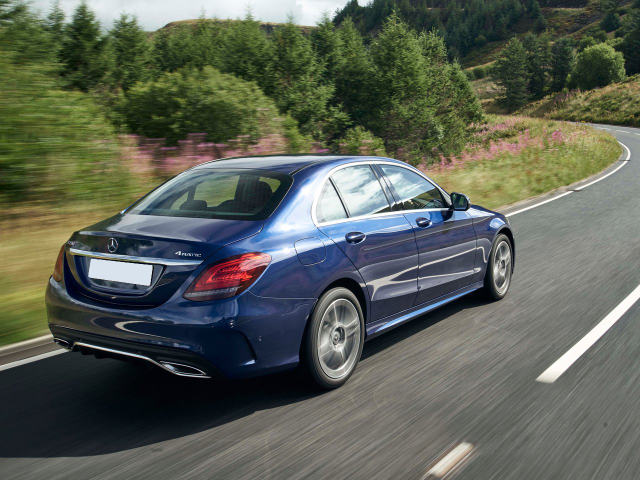
Mercedes-Benz C-Class W205 exterior & interior common problems and strengths
C-Class W205 Strengths
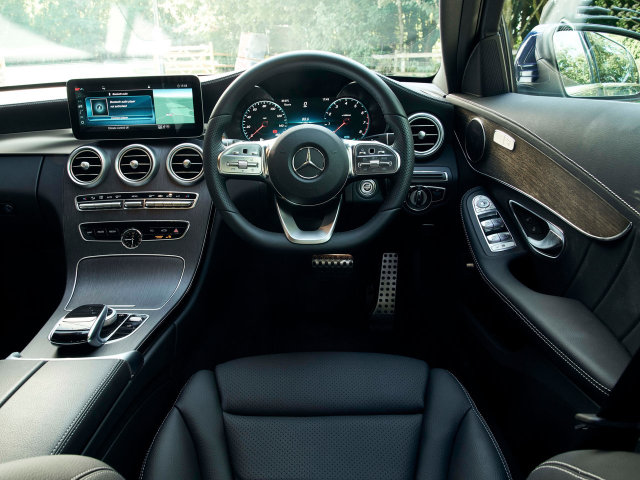
The W205 presents a refined, premium look and feel, with strong visual appeal for its class. Fit and finish in many units is good with a well-designed cabin layout, solid materials and good NVH (noise/vibration/harshness) control. The cabin offers good spec and comfort and good infotainment features on later models.
Common Problems of the C-Class W205
Many owners report interior plastics, trim panels or seals become noisy with age. There are also reports of sagging headliners, issues with sunroof shade assemblies and occasional leaks. Some owners have experienced infotainment system freezing, touchpad/menu responsiveness issues, door-handle LED failures, central locking or keyless-go problems. Some vehicles report door-seal creaks, wind noise from poorly sealed doors or sunroofs. General wear and tear such as the seats especially the artificial leather (MB-Tex) showing wear, leather cracking or fading in sun-exposed areas; seat adjustment motors or mechanisms failing.
General car buying advice
- Tyres: Ensure the tyres are a reputable brand, as this is usually a sign of how well a car is treated. If the owner/dealer cut corners by purchasing cheap tyres for a performance or off-road vehicle, where else did they cut corners?
- Modifications: A modified car is a far bigger risk than a used car buy than a standard model. A person modifies their performance vehicle generally drives their car harder, creating the double whammy.
- Service history: The Ranger will give you many years of reliable service, provided it has been serviced regularly with good quality oil, so make sure your vehicle has a full service history.
- Accident damage: Inspect the paint and check key welding points under the bonnet and the vehicle's boot to ensure the car has not been in a big accident. Some spray work on front and rear bumpers is standard, but walking away is better when the vehicle's structure has been damaged.
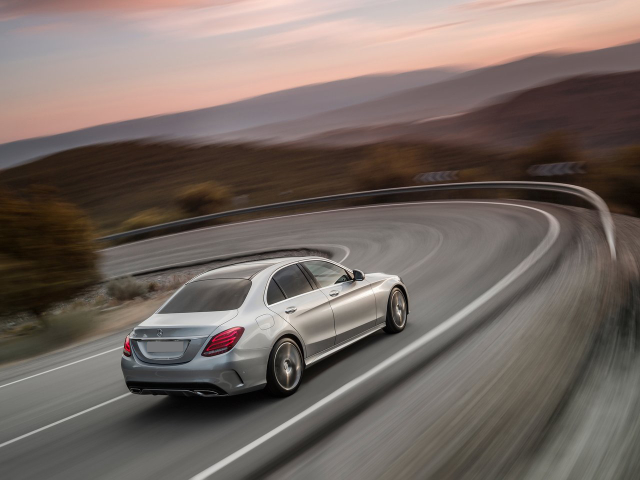
Which Mercedes-Benz C-Class is for me?
| Buyer profile | Recommended engine | Rationale for the recommendation |
| Urban commuter | C 180 | Low entry price and frugal for the urban commute and is generally reliable especially if the minor oil or PCV-related issues are taken care of. |
| Regular traveller | C 220d | Excellent long-distance economy and torque. Comfortable and reliable. Keep an eye on the DPF and AdBlue systems. |
| Fuel saver | C 350e | While a high risk and rather complex with potentially high repairs and servicing costs, it will return the best fuel consumption figures in the range. |
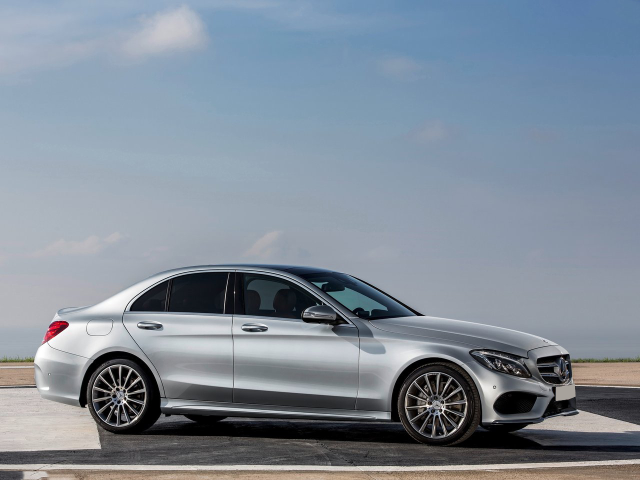
Mercedes-Benz C-Class test drive checklist
| Critical Checkpoint | Engine Affected / Variant | What to Do / Listen For |
|---|---|---|
| 1. Cold Start Idle Quality | All petrol (M274 / M264) and diesel (OM651 / OM654) | Start the car cold — idle should be smooth, with minimal vibration. Rough idle, rattles, or metallic ticking may point to timing chain wear (petrol) or injector issues (diesel). |
| 2. Turbocharger Whine or Whistle | C180, C200, C250, C300, C220d | During gentle acceleration, listen for excessive turbo whine or flutter — loud whooshing or siren-like noises can indicate worn bearings or boost leaks. |
| 3. Hesitation or Flat Spots Under Acceleration | C200 / C300 (especially M264 mild-hybrid) | A delay in throttle response or uneven acceleration could signal problems with the 48V EQ Boost system or MAF sensor issues. |
| 4. Transmission Smoothness | All (7G-Tronic / 9G-Tronic) | Shifts should be crisp but smooth. Jerky upshifts or flaring between gears suggest old transmission fluid, worn valve body, or software adaptation issues. |
| 5. Engine Temperature Stability | All | Ensure the temperature gauge rises steadily and stays centered. Overheating or temperature drops indicate thermostat or coolant system faults. |
| 6. Diesel DPF / BlueTEC Function | C220 BlueTEC (OM651), C220d (OM654) | Watch for excessive smoke, sluggishness, or frequent regeneration. These point to a clogged DPF or faulty AdBlue/NOx sensor. |
| 7. Steering & Suspension Feel | All (especially AMG Line models) | Listen for knocking or creaking at low speeds — may indicate worn control arms, anti-roll bar links, or front top mounts. The ride should feel tight but composed. |
| 8. Noise from Rear Axle / Driveshaft | All RWD variants | A dull hum or clunk on overrun could suggest worn differential bearings or prop shaft coupling. |
| 9. Brake Pedal & Feel | All | Pulsation or grinding under braking may point to warped discs or seized calipers. |
| 10. Parking Sensors & Cameras | All (especially facelift models) | Verify all sensors work — false alarms or black screens are common due to water ingress or failed camera modules. |
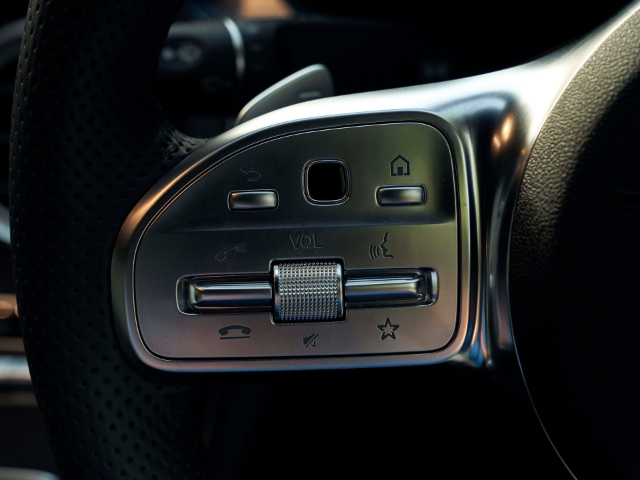
| 11. Infotainment & Dashboard Electronics | All | Test COMAND / infotainment system, Bluetooth, and steering controls. Lag or screen freezes suggest software issues or failing central display units. |
| 12. Sunroof & Interior Rattles | Panoramic roof models | Open and close the sunroof fully. Listen for squeaks, rattles, or wind noise while driving. Water leaks or a jammed shade are known issues. |
| 13. Air Conditioning & Climate Control | All | Test full hot/cold range. Weak cooling or odd smells may indicate a clogged cabin filter or refrigerant leak. |
| 14. Start/Stop & EQ Boost Operation | M264 Mild-Hybrid (C200 / C300 facelift) | Engine restart should be nearly seamless. Any harsh shudder or delay can point to belt-driven starter generator (BSG) faults. |
| 15. Vibration at Idle or Highway Speeds | Diesels and AMG Line models | May indicate worn engine mounts or propshaft coupling. A noticeable vibration under load can also mean imbalance in driveshaft or differential wear. |
| 16. Check for Warning Lights After Test Drive | All | Scan the cluster after driving — even temporarily extinguished warnings (check engine, ESP, or hybrid system) can reveal underlying issues. |
| 17. Exterior Fit and Finish | All | Inspect panel alignment, door seals, and paint. Look for mismatched panels (accident repairs) and check that doors close firmly without rattling. |
| 18. Ride Quality Over Bumps | Air suspension or AMG Line models | Listen for air leaks, hissing, or uneven ride height — signs of failing AIRMATIC components or worn dampers. |
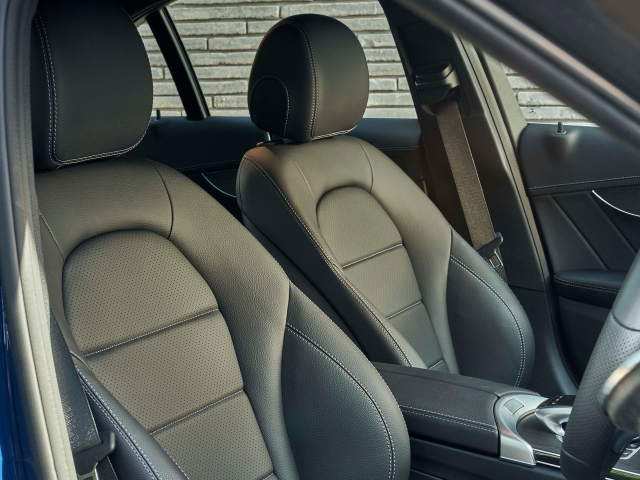
Reliability of the Mercedes-Benz C-Class W205
Overall, the 2014–2021 Mercedes-Benz C-Class (W205) is regarded as one of the most refined and technologically advanced generations of the C-Class at the time, offering a strong balance of comfort, performance, and efficiency. For a discerning buyer, it represents a premium ownership experience when maintained correctly. The model’s build quality, safety tech, and wide engine variety make it appealing to both daily commuters and luxury enthusiasts.
The early petrol engines (2014–2017) particularly the 1.6L and 2.0L M274 units in the C180, C200, and C250 are generally robust and well-understood by independent mechanics. These engines are known for smooth power delivery and decent fuel efficiency, provided regular oil changes are done with high-quality synthetic oils. The C220 BlueTEC diesel (OM651) is frugal and durable, but it can suffer from EGR, DPF, and AdBlue-related issues if driven mostly on short trips.
With the 2018 facelift, Mercedes-Benz introduced the newer M264 petrol engines and OM654 diesel, paired with a 9G-Tronic transmission. These brought improved refinement and lower emissions, but also added complexity. The mild-hybrid versions of the C200 and C300 deliver excellent real-world fuel economy and smoother stop/start performance, yet the 48V EQ Boost system can develop faults in the starter-generator or battery module if neglected. Similarly, while the OM654 diesel is quieter and cleaner than its predecessor, its emissions components can be expensive to repair when they fail.
In terms of reliability, the W205’s main weak points tend to lie outside the engine including electrical gremlins, infotainment issues, suspension wear, and interior trim rattles, especially on AMG Line models with larger wheels or air suspension. The 7G- and 9G-Tronic transmissions are generally dependable but require timely fluid changes to prevent harsh shifting or solenoid wear.
When bought with a complete service history, the W205 C-Class can be a dependable and rewarding ownership experience. The C220d (OM654) and C200 (M264 mild-hybrid) offer the best balance between efficiency and long-term reliability, while the C300 provides the strongest performance with slightly higher maintenance risk. Regular maintenance, high-quality fuel, and adherence to service intervals are key to keeping the W205’s premium experience intact.
How much should I pay for a Mercedes-Benz C-Class W205?
Based on current used car listings in South Africa, the price of a C-Class from 2014 to 2021 can vary significantly depending on the engine, model year, mileage, and trim level.
C 180: Prices for these can start from as low as R170 000 for older, high-mileage models (e.g., a 2014) and range up to R599 990 or more for newer, well-maintained examples (e.g., a 2021 model with lower mileage).
C 200: Known for their power and popularity, these models typically cost around R149 900 for older models up to R609 900 for models in excellent condition with lower mileage.
- C 220d/BlueTEC: Being the only diesel option in this range, these models sometimes command a higher price. You can expect to see prices from R189 900 for a 2016 model up to R599 900 or more for a 2020 or 2021 model with a higher trim level like the AMG Line.
C 250: Being more performance oriented in this range, you might see higher prices. You can expect to see prices from R175 000 for a 2014 model up to R419 995 or more for a 2018 model with a higher trim level like the Edition C.
- C 300: Offering the most powerful engine before you wander over to a C43 or C63, you can expect to see prices from R179 500 for a 2014 model up to R599 900 or more for a 2020 AMG Line derivative.
- C 350e: There were only one model available at the time of writing and was priced at R479 900 for a 2016 model.
This is a general guide. Before making a purchase, it is always recommended to check multiple sources and consider a vehicle's specific history, condition, and service records.
Our Verdict: Which Mercedes-Benz C-Class W205 should you buy?
For a buyer who wants the best overall ownership cost and reliability, our recommendation is the 2014-2021 Mercedes-Benz C 180 (both generations: 1.6 L M274 & 1.5 L M264)
Why this one?
The C 180 offers the simplest and least stressed version of the petrol engines in the W205 range. It has good real-world fuel economy (~6.0–7.5 L/100 km) and moderate service costs, with fewer complex systems than the mild-hybrid or diesel models. It is also widely supported by South African mechanics and independent Mercedes specialists, with excellent parts availability.
Final Tip: A full and documented service history is your most powerful tool when buying a used C-Class. Avoid any C-Class with a "patchy past," as the cost of a major repair will quickly erase any initial savings. Happy hunting!
Shopping for a Mercedes-Benz C-Class W205?