
Few cars in South Africa carry more heritage and aspirational value than the Volkswagen Golf. This 5-door hatch has served South African drivers for more than four decades. If you are in the market for one of these phenomenal machines from the last three generations, then this is everything you need to know before buying one.
Volkswagen Golf model lineup and special editions (2012-2024)
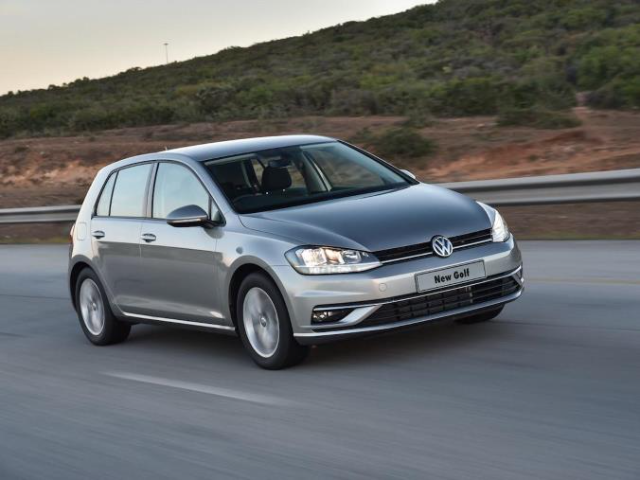
Volkswagen Golf 7 (2012 -2016)
1.2 TSI 77kW
1.4 TSI 90kW
1.4 TSi DSG 103kW
2.0 TDi 81kW
2.0 TDI 110kW
GTI 162kW
R 228kW
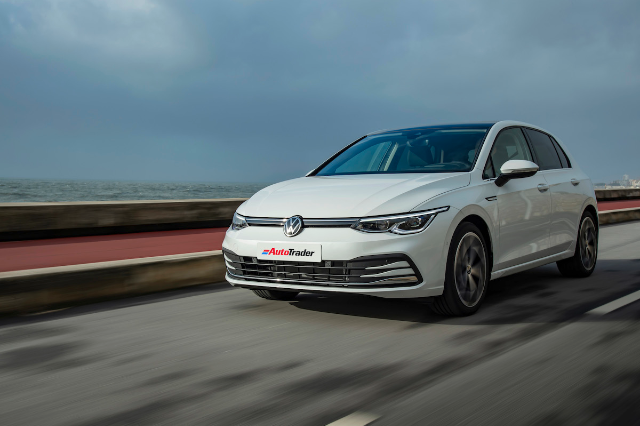
Volkswagen Golf 7.5 (2016 - 2020)
1.0 TSi 81kW
1.4 TSI 92kW
2.0 TSi 169kW
2.0 TDI 130kW
2.0 TSI R 213kW
GTD
R
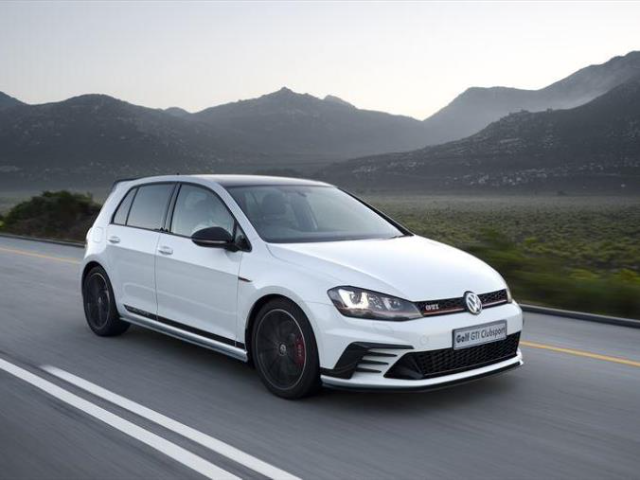
ClubSport
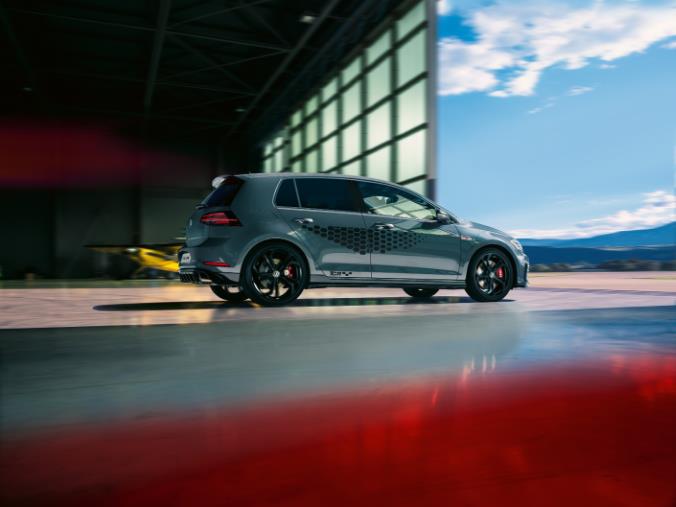
TCR
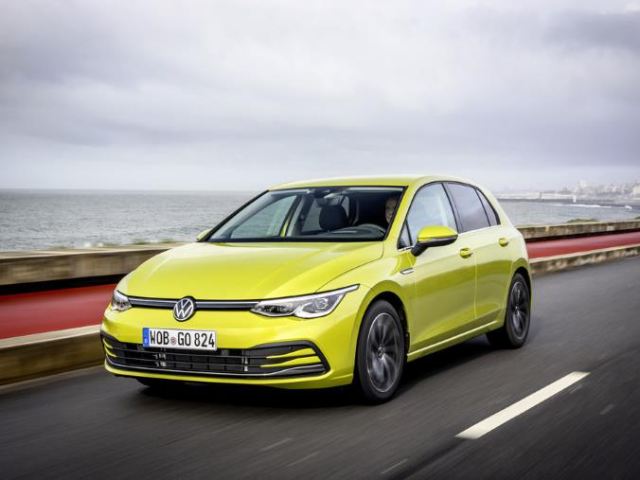
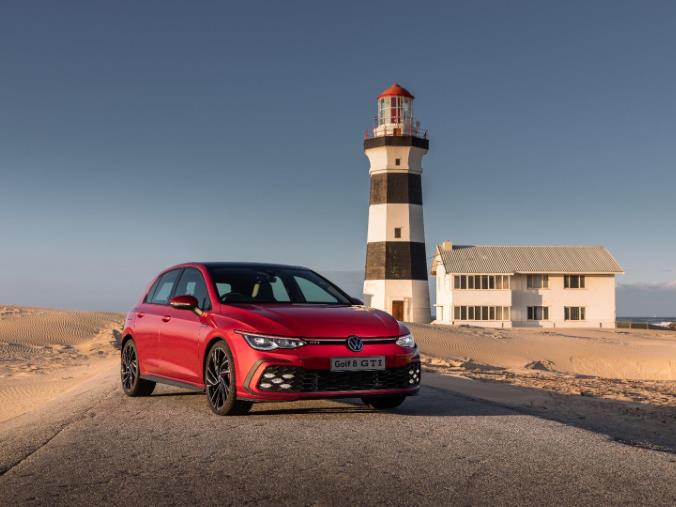
Volkswagen Golf 8 (2020 - 2024)
2.0 TSi GTi 180kW
2.0 TSI R 235Kw
Common problems and strengths with the Volkswagen Golf
1.0 TSi
The Volkswagen Golf 1.0 TSi is an economical, refined, and surprisingly capable engine choice for a driver whose motoring is primarily urban and general commuting. However, a driver who frequently tackles mountain roads, drives with a heavy load, or spends a lot of time "ragging" the car for acceleration may find it lacking power and could potentially experience the noted clutch or turbo actuator issues sooner.
Strengths
Excellent fuel economy: This is a significant selling point. The small engine size, combined with turbocharging and direct injection, makes it highly fuel-efficient, especially in urban and mixed driving conditions.
Good real-world performance: Despite its compact size, the turbocharger delivers impressive low-end torque. This makes it feel nippy and responsive for around-town driving and everyday commuting. It often doesn't feel like a small 1.0L engine.
Refinement: The three-cylinder engine is often noted for being smooth and quiet for its class, especially when cruising. It is a refined unit compared to many older or less sophisticated three-cylinder engines.
Reliability (general): Apart from the specific actuator/clutch concerns, the engine design itself is generally considered reliable if maintained correctly (e.g., regular oil changes with the correct oil type) and not consistently driven very short distances. The timing belt has a long service interval, replacing the older, sometimes troublesome, timing chains.
Lower running costs: In addition to fuel efficiency, the smaller engine typically results in lower road tax/licensing fees, as well as more affordable insurance compared to larger engine variants.
Problems
The issues reported for the 1.0 TSi engine and related components are often linked to how the car is driven or specific parts.
Turbocharger actuator failure: This is one of the more commonly reported issues. The turbo actuator can seize up, particularly if the car is regularly used for very short, low-mileage journeys. This causes the turbo not to function correctly.
Clutch wear (manual models): Some owners, particularly in early models, have reported the clutch being delicate or prone to wear at relatively low mileages (sometimes between 15,000 to 35,000 km), especially when starting off aggressively or on steep inclines. This can be attributed to the engine's lower torque at very low RPM, requiring the clutch to work harder.
Perceived lack of power (gutlessness): For a car the size of the Golf, the small 1.0L engine can feel underpowered if you are used to larger engines. It may require downshifting and higher revs for quick acceleration, such as when overtaking or going uphill, compared to the larger 1.5L TSi or 2.0L engines.
DSG (automatic) Issues: While not unique to the 1.0 TSi engine, some versions of the optional 7-speed "dry clutch" DSG automatic transmission can be "grabby" or jerky at low speeds (like in parking manoeuvres), and the DSG unit itself has a history of potential reliability concerns in some older VW Group models.
Intake valve Carbon Build-up: Like most direct-injection engines (TSI), the engine is susceptible to carbon deposits on the intake valves over time, which can affect performance and efficiency.
1.2 TSi
The Volkswagen Golf 1.2 TSi engine was primarily featured in the Golf Mk6 and early Mk7 models. Its reputation is more complex than the latter 1.0 TSi due to some specific historical mechanical issues.
Strengths
When running correctly, the 1.2 TSi offers several distinct advantages, particularly as a smooth and economical runabout.
Smooth and quiet refinement: For a small four-cylinder engine, the 1.2 TSi is generally noted for its smoothness and low noise levels once warmed up, making for a pleasant driving experience.
Excellent fuel economy: With its small, turbocharged engine, it delivers excellent fuel efficiency, particularly in mixed and urban driving conditions, resulting in lower running costs.
Torquey Low-End Performance: The turbocharger provides a surprising amount of torque from very low r/min (often around 1,400 r/min), making the car feel "punchy" and responsive in city traffic and when pulling away. It feels more capable than a non-turbocharged 1.2-litre engine.
Affordability: The 1.2 TSi was often the entry-level option, making it a more affordable way to experience the premium feel of the Golf hatchback.
Problems
The most critical concerns with the 1.2 TSi (especially the earlier engine codes, known as the EA111 series) revolve around its design. However, many of these issues were addressed in later revisions (the EA211 series).
- Timing chain tensioner failure and chain stretch: This is the most significant and widely reported issue on the earlier 1.2 TSi engines (pre-2013). The timing chain tensioner was prone to failure due to design weakness, which led to the timing chain itself becoming stretched. Owners often report a loud rattling or thrashing noise from the engine bay, particularly during cold starts, which quickly dissipates once the oil pressure builds up.
- Excessive oil consumption: Some owners, particularly those with higher-mileage models, have reported that the 1.2 TSi engine burns oil at an alarming rate, necessitating frequent oil top-ups. Issues with the piston rings can cause this.
- DSG Automatic Gearbox Issues: Similar to other small-engined VAG models, the 7-speed 'dry clutch' DSG (DQ200) used with the 1.2 TSi can experience problems:
Mechatronic Unit Failure: The gearbox's control unit can malfunction, resulting in jerky shifting, power loss, or complete transmission failure.
Low-Speed Jerkiness: The 'dry clutch' system can feel jerky or rough during low-speed manoeuvres (e.g., in traffic or parking).
Turbocharger Defects: Although less frequent than timing chain issues, turbocharger problems, such as wastegate actuator defects or wear caused by carbon build-up, can occur, resulting in a loss of power.
1.4 TSi
The Volkswagen Golf 1.4 TSi engine has been offered in two distinct generations with very different reliability profiles: the older, more problematic EA111 (often found in the Mk5/Mk6 Golf) and the newer, generally reliable EA211 (found in the Mk7 Golf and later).
Strengths
The 1.4 TSi, especially the later version, is a highly regarded engine in terms of power delivery, efficiency, and driveability.
- Proven reliability: This version (post-2013, belt-driven) largely solved the timing chain and piston issues. It is considered a very robust and durable engine, provided it receives proper maintenance.
- Excellent balance of power & economy: The 1.4 TSi is arguably the sweet spot in the Golf's engine line-up, offering significantly more effortless performance than the 1.0L/1.2-litre engines while remaining highly fuel-efficient.
- Strong torque delivery: Turbocharging ensures maximum torque is available from very low RPM (as low as 1 400 r/min), making acceleration responsive and effortless. It feels muscular in everyday driving.
- Cylinder deactivation (ACT/COD): Higher-powered versions feature Active Cylinder Technology, which shuts down two cylinders under light load (coasting, low-speed cruise) to dramatically boost fuel economy without impacting performance when power is needed.
Problems(EA11)
This generation is largely responsible for the 1.4 TSi's poor reputation, particularly among higher-powered versions.
Timing chain/tensioner failure (major issue): This is the most infamous and costly problem. The chain tensioner in earlier designs was prone to failure or chain stretching, which could lead to the chain slipping or snapping, resulting in catastrophic engine failure.
Twincharger Complexity (High-Power Models): The 118kW versions used both a turbocharger and a supercharger. This complex system added multiple potential failure points:
Turbo/Supercharger Clutch/Actuator Failures
Piston failure: Some early Twincharged versions had pistons that were not robust enough for the high boost, leading to premature failure, especially if aggressively driven or poorly maintained
Excessive Oil Consumption: Some EA111 engines were known to consume oil excessively, which was often exacerbated by piston issues.
Carbon Build-Up (Direct Injection): As a Direct Injection engine, fuel does not wash over the intake valves. This means oil vapour and exhaust gas residue can accumulate, causing carbon build-up over time. This leads to rough idling, misfires, and reduced performance, typically requiring cleaning (like walnut blasting) at high mileage.
Water Pump/Thermostat Housing: Failures or leaks from the integrated water pump and thermostat housing are relatively common across VAG's TSI range.
DSG Automatic Gearbox Issues: If the car is equipped with the 7-speed "dry clutch" DSG (DQ200), there is a risk of mechatronic unit failure, jerkiness at low speeds, and clutch pack wear (see 1.2 TSi notes).
2.0 TSI
The Volkswagen Golf 2.0 TSi engine, most famously found in the Golf GTI and Golf R models, is part of the robust but complex EA888 engine family. Its performance capabilities are highly praised, but reliability is heavily dependent on the engine generation and maintenance history.
Strengths
The 2.0 TSi is the performance heart of the Golf range and is celebrated by enthusiasts for its capabilities.
Exceptional performance: This is the primary strength. The engine provides strong power and torque delivery across the entire rev range, making the Golf GTI and Golf R class-leading hot hatchbacks.
Tuning potential (mod-friendly): The EA888 platform is renowned for its robust foundation and high tolerance for performance modifications. With simple ECU tuning (Stage 1 or 2), significant power gains can be easily achieved while maintaining daily drivability.
Refinement and sound: For a high-performance engine, it remains smooth and refined during everyday driving, but delivers a satisfying and sporty sound when pushed.
Proven technology (later gens): The Gen 3 EA888 (Mk7/Mk7.5 and later) with the revised timing tensioner and other updates is generally considered very reliable and durable, provided regular, high-quality maintenance is performed.
Problems
The issues below primarily relate to the earlier generations (Gen 1 and Gen 2), often found in Mk5/Mk6 GTI and early Mk7 models. Many were addressed or reduced in the later Gen 3 (Mk7/Mk7.5 GTI).
- Timing chain tensioner failure: The early design of the lower timing chain tensioner (Gen 1 & Gen 2 EA888, up to around 2013) was a serious weak point. It could lose hydraulic tension, causing the timing chain to jump.
- Excessive oil consumption: This issue is most notorious in the Gen 2 EA888 engine (often found in late Mk6 and early Audi models). It was caused by overly thin piston rings that allowed oil to pass into the combustion chamber.
- Intake valve carbon build-up: Like all direct-injection (TSI/TFSI) engines, the 2.0 TSi is susceptible to carbon deposits on the intake valves since fuel does not wash over them.
- Cooling system component failures: The integrated plastic water pump and thermostat housing are a common failure point across all EA888 generations. The plastic components can crack or seals can fail due to heat cycles, leading to coolant leaks and potential overheating.
- PCV Valve failure: The Positive Crankcase Ventilation (PCV) system can malfunction, often resulting in a noticeable whining or whistling noise emanating from the engine bay.
- Turbocharger issues (Gen 3): Although generally robust, some Gen 3 turbos (found in the Mk7 GTI) have been known to experience wastegate actuator rattle or failure due to worn components.
2.0 TDI
The Volkswagen Golf 2.0 TDI (Turbocharged Diesel Injection) is the highly popular diesel option, renowned for its torque, efficiency, and highway capability. Like the TSI, it has been produced in several iterations, most notably the older Pumpe Düse (PD) and the newer Common Rail (CR) engine generations, each with specific strengths and weaknesses.
Strengths
Despite the maintenance considerations, the 2.0 TDI is an exceptional engine choice for drivers with high mileage.
Effortless torque and driveability: The high torque figure, often available from low RPM, gives the Golf TDI a powerful, muscular feel, making it excellent for towing, overtaking, and cruising up hills without effort.
Phenomenal fuel economy: This is the main reason to buy a TDI. On long highway journeys, it can achieve genuinely outstanding fuel economy figures, often allowing for a significantly long driving range on a single tank.
Longevity and durability: When properly maintained, the core 2.0 TDI engine block is exceptionally durable and is known to reach high mileages (over 200,000 miles) without significant issues. It is a genuine long-distance workhorse.
GTD performance (hot hatch diesel): The high-powered 2.0 TDI in the GTD models offers a superb blend of hot hatch performance with daily-driver diesel economy, creating a compelling all-rounder.
Timing belt driven (Newer CR): Modern Common Rail engines use a timing belt, which—unlike the problematic timing chains of some TSI variants—is a predictable wear item with a known replacement interval (e.g., 60 000–120 000 km, depending on the model/year).
Problems
The most problematic areas relate to emissions equipment and the high-pressure fuel system, mainly if the car is used primarily for short, urban journeys.
- Diesel Particulate Filter (DPF) issues: The DPF captures soot from the exhaust. It needs regular "regeneration"—a process requiring the engine to run hot, usually through sustained highway driving. If the car is driven mainly on short trips (city driving), regeneration will fail, leading to the DPF becoming clogged.
- EGR Valve and cooler problems: The Exhaust Gas Recirculation (EGR) valve and cooler can become heavily clogged with carbon deposits over time, restricting air flow and causing the engine to run poorly.
- High-Pressure Fuel Pump (HPFP) failure (specific engines): On certain Common Rail (CR) engines (e.g., in some Mk6 and Mk7 models), the HPFP has been known to fail. When it fails, it can shed metal shavings into the entire fuel system (injectors, lines), causing widespread damage.
- Dual Mass Flywheel (DMF) wear: As a high-torque engine, the DMF (on both manual and DSG models) absorbs vibration. It is a wear item and can fail, especially on vehicles used heavily in stop-start traffic or driven aggressively.
- Pumpe Düse (PD) Engines (pre-Common Rail): Older models (Mk5 generation) were known for porous cylinder heads and injector failure of specific Siemens injectors on the PD 170 PS engines (often subject to recall/extended warranty)
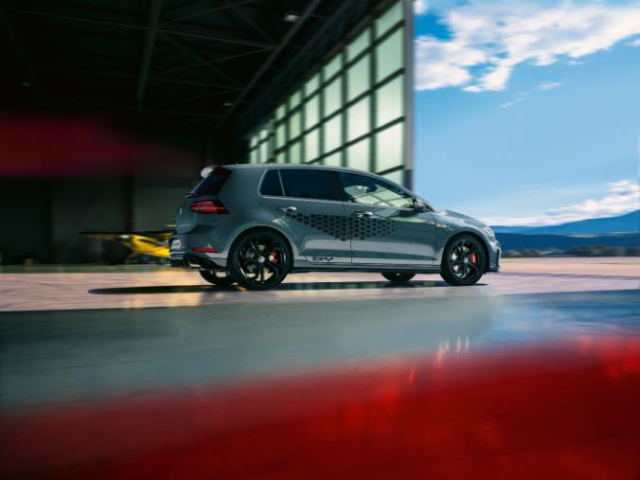
Running costs
| Engine Model | Typical Fuel Economy (MPG/L/100km) | Fuel Type | Routine Maintenance Cost | Potential Long-Term Repair Costs | Ideal Usage Profile |
| 1.0 TSI | Best | Petrol | Lowest | Lowest (Good modern reliability) | City driving, lower annual mileage, budget-focused. |
| 1.2/1.4 TSI | Very Good (slightly less than 1.0) | Petrol | Low to Medium | Low (Generally reliable) | Mixed driving, good balance of power and economy. |
| 2.0 TSI | Lowest of Petrol (Performance-focused) | Petrol | Medium (More complex, higher performance parts) | Medium to High (Performance components can be costly) | Performance-focused, enthusiast, low to medium annual mileage. |
| 2.0 TDI | Excellent (Diesel efficiency) | Diesel | Medium (Requires DPF and AdBlue checks, diesel fuel filter changes) | Highest (Potential for costly DPF, turbo, or injector issues if mainly used for short journeys) | High annual mileage (20 000+ km/year), predominantly highway driving. |
Fuel Economy:
The smaller displacement TSI engines (1.0, 1.2, 1.4) are generally the most fuel-efficient for mixed or city driving.
The 2.0 TDI will achieve the best highway fuel economy and the most incredible cruising range per tank.
The 2.0 TSI (typically found in GTI/R models) prioritises performance, resulting in the highest fuel consumption.
Fuel Cost:
TSI and high-performance 2.0 TSI require premium fuel.
TDI models use diesel, which can be cheaper and are generally more frugal
Maintenance & Repair:
TSI (Petrol) Engines are typically cheaper for routine servicing (oil changes, spark plugs).
TDI (Diesel) Engines generally have slightly higher routine maintenance costs due to components like the diesel fuel filter and the requirement for AdBlue fluid in newer models.
For diesel cars, if the DPF (Diesel Particulate Filter) system fails due to too much short-distance city driving, the repair can be very expensive, making them ill-suited for low-mileage urban use.
For a final decision, you would need to calculate the fuel cost over your expected annual mileage, taking into account the cost difference between the car's initial purchase price and its estimated depreciation.
Would you like me to search for the specific manufacturer-claimed combined fuel economy figures for a particular generation of Golf (e.g., Golf 7 or 8) to help you calculate your fuel costs?
Summary for the SA Buyer
| Feature | Mk7 (2012–2017) | Mk7.5 (2017–2020) | Mk8 (2020–Present) |
| Best Value | Excellent | Very Good | Good (Highest Depreciation) |
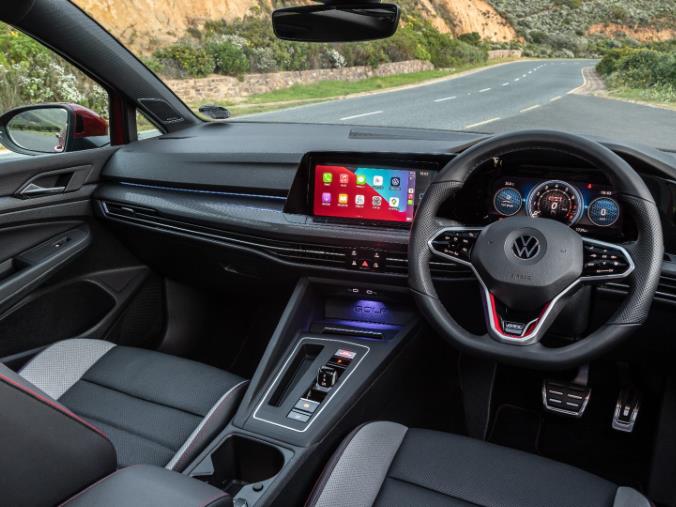
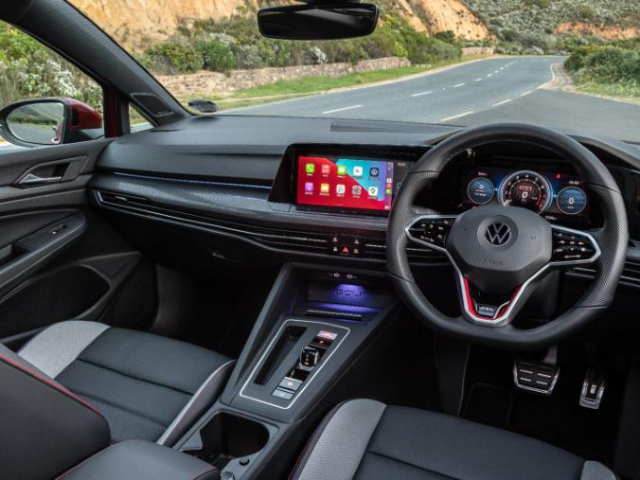
| Interior Controls | Tactile & User-Friendly. Features physical buttons and knobs for climate and infotainment. | Balance. Retains most physical controls while adding more screen-based features. | Digital-Focused. Almost all controls, including climate, are on the screen or haptic steering wheel buttons. |
| Technology | Good (Older Infotainment, less driver assist) | Very Good (Improved Infotainment, available Digital Cockpit) | Excellent (Large screens, Travel Assist, newer features) |
| Chassis/Driving | Very good (Solid, refined) | Very good (Minor refinements) | Objectively Better (Newest evolution of the MQB chassis, more nimble) |
| Known Issues | Water pump/Thermostat failures (common on all EA888 engines), minor infotainment issues on early models. | Primarily carry-over mechanical issues (like the water pump). Considered highly reliable. | Infotainment & Software Glitches. Bugs and slow systems plagued early models. Haptic steering buttons are polarising. |
| Summary | The Analogue Favourite. Proven, reliable, and straightforward to use. Best for buyers prioritising cost and simplicity. | The Sweet Spot. The most polished version of the chassis with a great balance of modern tech and physical usability. | The Digital Leap. Better handling and latest tech, but the user experience is dominated by screens, which can be frustrating. |
General car buying advice
- Tyres: Ensure the tyres are a reputable brand, as this is usually a sign of how well a car is treated. If the owner/dealer cut corners by purchasing cheap tyres for a performance or off-road vehicle, where else did they cut corners?
- Modifications: A modified car is a far bigger risk than a used car buy than a standard model. A person who modifies their performance vehicle generally drives their car harder, creating the double whammy.
- Service history: The Ranger will provide you with many years of reliable service, provided it has been serviced regularly with high-quality oil. Therefore, ensure your vehicle has a comprehensive service history.
- Accident damage: Inspect the paint and check key welding points under the bonnet and the vehicle's boot to ensure the car has not been in a big accident. Some spray work on front and rear bumpers is standard, but walking away is better when the vehicle's structure has been damaged.
Which Golf should I buy?
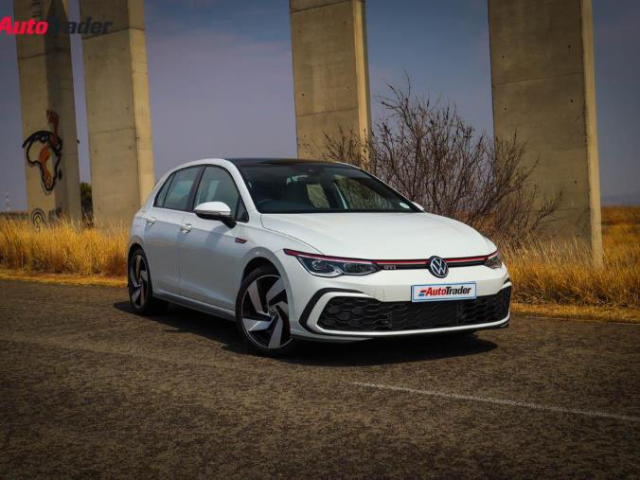
If you can find a Mk7 Volkswagen Golf with relatively low kilometres that hasn't been abused, you will be in the money. The updated Mk7.5 with the 1.4 TSI is the model to have and represents the best value for money option. The GTi is the model everyone wants and thus is the most expensive and likely most abused, so unless you find a clean example, avoid it at all costs if you are after reliability and fuel savings.
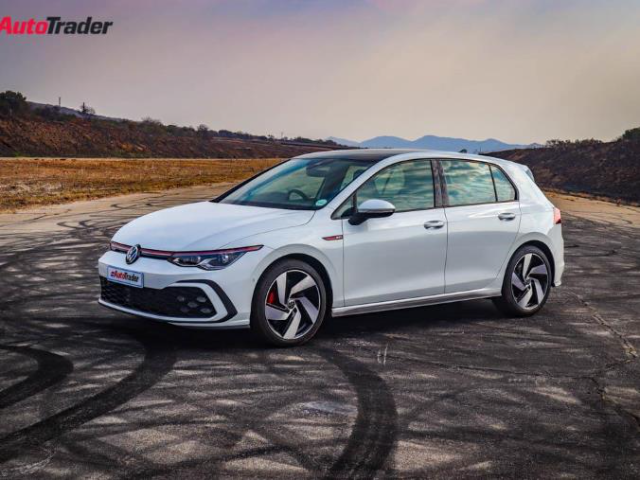
VW Golf test drive checklist
| Area | Item to Check | Golf-Specific Focus | Status |
| Exterior | Paint, Body Panels | Check panel gaps, particularly around the rear hatch and bonnet, for signs of accident repair. | ☐ |
| Tires & Wheels | Look for curb rash/scratches on alloys. Check tire wear: excessive wear on the inner/outer edge can indicate poor alignment or suspension issues. | ☐ | |
| Suspension Check | Push down firmly on each corner of the car; it should rebound smoothly once, not bounce repeatedly. | ☐ | |
| Engine Bay | Oil/Coolant Levels | Crucial: Check the coolant reservoir for a white/pink/red powdery residue around the cap or hoses—this is a common sign of a failing water pump/thermostat housing (a known Golf issue). | ☐ |
| Oil Condition | Dipstick oil should look clean, not excessively dark or gritty. Check for any sludge under the oil cap. | ☐ | |
| Interior | Seat Bolsters | Check the driver's seat side bolsters (especially on GTI/R) for excessive wear/tearing, which indicates heavy use. | ☐ |
| Sunroof (if fitted) | Test the open/close operation. Important: Pour a small amount of water into the drain channels (if possible and safe) to ensure they aren't blocked, preventing leaks inside the cabin. | ☐ | |
| Mk8 Digital Controls | Test the sliding controls for volume and climate (if equipped), and the haptic steering wheel buttons. Check for sticky/non-responsive buttons. | ☐ | |
| Service History | Confirm that the DSG fluid (every 40k miles/60k km) and Haldex fluid (if AWD R/Alltrack) have been serviced on schedule. | ☐ |
| Test | Action | Expected Result | Status |
| Brakes | Perform a gentle stop and a firm, quick stop (safely). | Smooth, straight stopping. No grinding, squealing, or pulsing through the pedal. | ☐ |
| Steering | Turn the steering wheel lock-to-lock slowly while stationary. | Smooth, quiet operation. No clicking or heavy effort, which could indicate power steering or worn suspension joints. | ☐ |
| DSG (Automatic) | Engage drive (D) and reverse (R). | Engagement should be immediate and smooth, without excessive clunking or hesitation. | ☐ |
| Tight turns | Drive slowly in a full-lock circle (left and right). | No clicking or knocking sounds from the front wheels (could indicate worn CV joints). | ☐ |
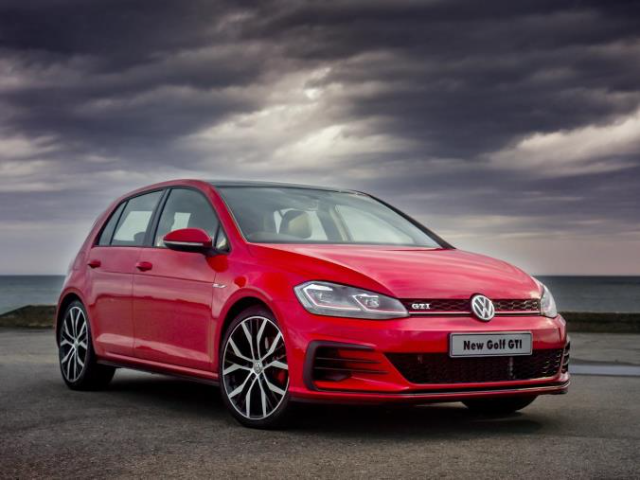
Reliability of the VW Golf
Volkswagen has prided itself on the reliability of the Golf nameplate for decades, and for the most part, the cars are very reliable, often easily reaching 6-digit mileage with ease. Reliability is highly dependent on consumer behaviour, such as regular maintenance and driving habits. Therefore, ensure you check the service history and avoid vehicles that have been modified or have had aftermarket software tuning, especially in GTi models, as this can lead to issues down the road.
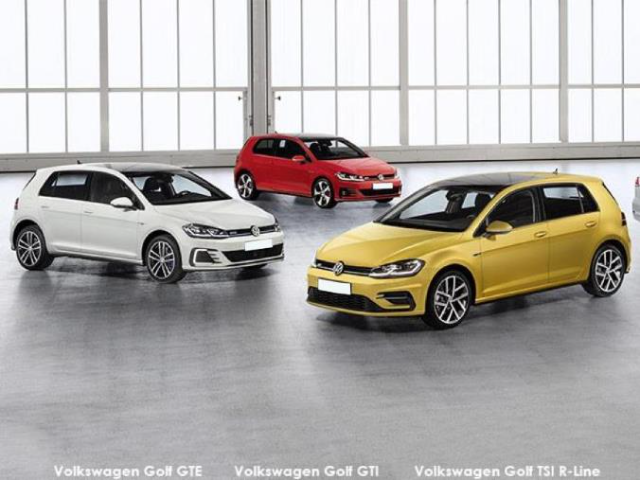
How much should you be paying for a used Volkswagen Golf?
The prices of Volkswagen Golfs vary wildly depending on model variant and engine size.
| Model Generation & Years | Price Range (ZAR) - Non-Performance Models (e.g., 1.4 TSI) | Price Range (ZAR) - Performance Models (GTI/R) |
| Mk7 (2012 - 2017) | R150 000 to R350 000+ | R250 000 to R550 000+ |
| Mk7.5 (2017 - 2020) | R200 000 to R400 000+ | R400 000 to R650 000+ |
| Mk8 (2020 - 2024) | R550 000 to R700 000+ | R600 000 to R1 000 000+ |
This is a general guide. Before making a purchase, it is always recommended to check multiple sources and consider a vehicle's specific history, condition, and service records. Make use of AutoTrader price ratings to see what live market data has to say about the vehicle's price.
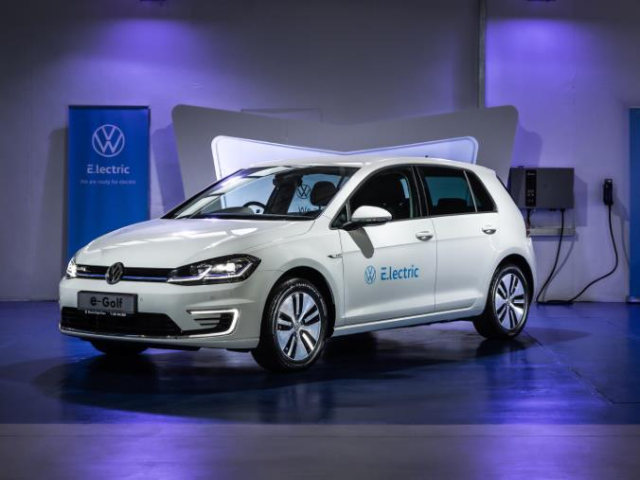
Verdict - Which model should you buy?
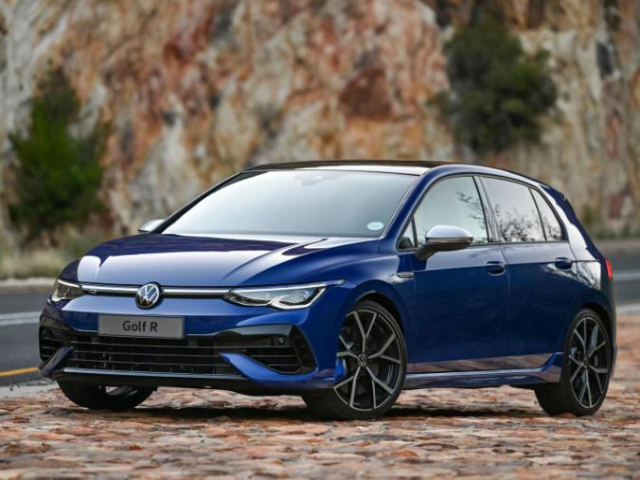
The heart wants a performance hatchback like the GTi or R, and special editions like the ClubSport and TCR are highly sought after; thus, they command very high prices, putting them far outside most folks' wheelhouses. Given the choice, we would opt for the Mk7.5 1.4 TSI Comfortline.
Why this one?
The Volkswagen Golf Mk7.5 1.4 TSI occupies a sweet spot in the used market, offering a fantastic balance of modernity, usability, and value compared to both the older Mk7 and the newer Mk8. It is substantially cheaper than a used Mk8, making premium Golf ownership more accessible. It delivers an appealing package by giving you the essential visual and technological updates of the facelift while retaining the user-friendly interior design and efficient engine that made the Mk7 platform so successful, all at a lower used price than the latest generation.
Final Tip
When purchasing any Volkswagen Golf model, check the service history, try to find out about the previous owners' driving habits and most importantly, any modifications that have been made before signing on the dotted line.