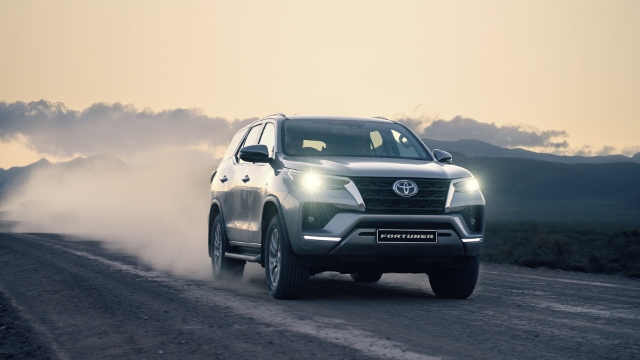
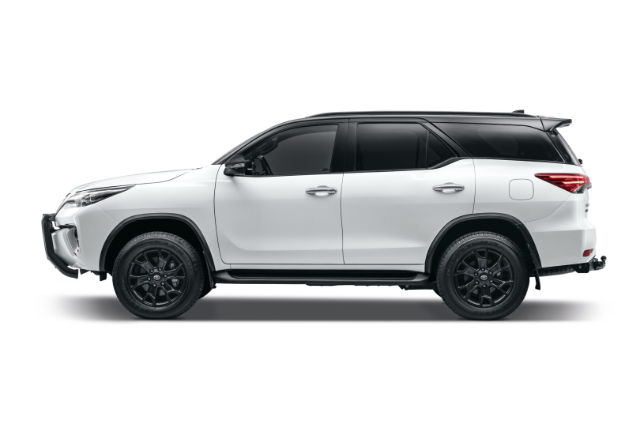
| Factor | 2.4 GD-6 (Turbo-Diesel) | 2.7 VVT-i (Petrol) | 2.8 GD-6 (Turbo-Diesel) | 2.8 GD-6 MHEV (Mild-Hybrid Diesel) | 4.0 V6 (Petrol) | Fortuner GR-S (2.8 GD-6 Sport Derivative) |
|---|---|---|---|---|---|---|
| Real-World Fuel Economy (Best) | 7.0–8.0 L/100 km — Very efficient in mixed & long-distance driving; best in the range for consistent economy. | 10.0–12.0 L/100 km — Naturally aspirated petrol, smooth but thirsty, especially in urban driving. | 7.5–9.0 L/100 km — Strong performance; typically slightly thirstier than 2.4, especially with 4x4 or towing. | 6.5–7.9 L/100 km — Hybrid assistance improves stop-start and low-speed economy; best efficiency of the 2.8 derivatives. | 12.0–15.0 L/100 km — High-displacement petrol V6; consumption increases significantly with 4×4 or heavy loads. | 8.5–10.5 L/100 km— sport suspension + larger tyres increase drag and rolling resistance. |
| Routine Service Cost | Moderate — Basic diesel servicing; parts widely available; cost-effective if maintained regularly. | Low → Moderate — Simple, naturally aspirated engine; fewer complex components keep routine maintenance affordable. | Moderate → High — DPF/EGR, injectors and turbo add complexity; dealership servicing more costly than 2.4. | High — Adds hybrid components (motor-generator, battery, power electronics); requires specialised diagnostic procedures. | High — Larger oil capacity, more spark plugs, and consumables raise costs; fewer units sold means some parts pricier. | Moderate → High — same cost base as 2.8 GD-6 but with GR-S-specific suspension/trim components. |
| Risk of Catastrophic Failure | Low → Moderate — Very reliable GD-series diesel; failures typically due to poor fuel quality, neglected DPF, or missed services. | Low — Very few major engine failures; main risks are from neglect rather than inherent design weaknesses. | Moderate — Generally robust, but failures can be expensive: injectors, turbocharger, DPF-related issues if misused. | Moderate → Slightly High — Newer system introduces hybrid-specific failure modes; long-term durability is promising but still less proven. | Low → Moderate — Engine itself extremely durable; catastrophic failures are rare but fuel pump/overheating issues can be costly. | Moderate — engine is proven; added sport components increase wear risk. |
| Parts Availability (SA) | Excellent — Very common engine in Hilux/Fortuner; wide dealer and aftermarket support. | Excellent — Used widely in Toyota’s global lineup; parts affordable and abundant. | Excellent — One of SA’s most supported diesel engines; injectors, turbos, filters widely stocked. | Good → Moderate — New hybrid-specific parts less common; some components may have longer lead times. | Good — Still supported but less common than diesels; some components imported at higher cost. | Good → Excellent — GR-S body/suspension parts can be pricier but core drivetrain parts are common. |
| Cost of Ownership Verdict | Strong value if your usage includes regular long drives. Very economical and long-lasting. | Reliable and predictable, but fuel economy makes running costs high for daily commuting. | Excellent long-distance SUV if maintained; can become costly if DPF/EGR/turbo issues occur. | Potentially best efficiency of the range but highest complexity; ideal for city + mixed use owners who want lower diesel consumption. | Expensive to run but bulletproof reliability; best for owners who want power and don’t mind fuel costs. | Performance-oriented Fortuner; higher tyre/suspension wear + higher fuel consumption. Best for enthusiasts. |
Summary for the SA Buyer
The “cheapest to run” Fortuner dependably isn’t the simplest answer — driving style, kilometers per year and whether you tow make the biggest difference. Below we cut straight to practical recommendations for South African buyers, based on real-world fuel figures, typical running costs, and known reliability trends.
For Predictability: Choose the 2.4 GD-6: It has good real-world fuel economy (~7.0–8.0 L/100 km) and moderate service costs, with fewer complex systems. Best balance of cost, simplicity, and reliability for daily use.
For Maximum Fuel Saving: Choose the 2.8 GD-6 MHEV (Mild-Hybrid Diesel): Real-world averages around 6.5–7.9 L/100 km, making it the most fuel-efficient of the Fortuner range. Best for urban commuting or those who want the lowest running cost.
Driveline & Suspension
Strengths
Body-on-frame robustness: The Fortuner’s ladder-frame chassis and heavy-duty underpinnings suit towing, load-carrying and rough roads — a big reason Fortuners keep value in SA.
Strong diesel torque (2.8 GD-6): The 2.8 diesel delivers excellent mid-range torque that makes highway overtaking, steep climbs and towing straightforward — widely regarded as the best all-round driveline choice for South African conditions.
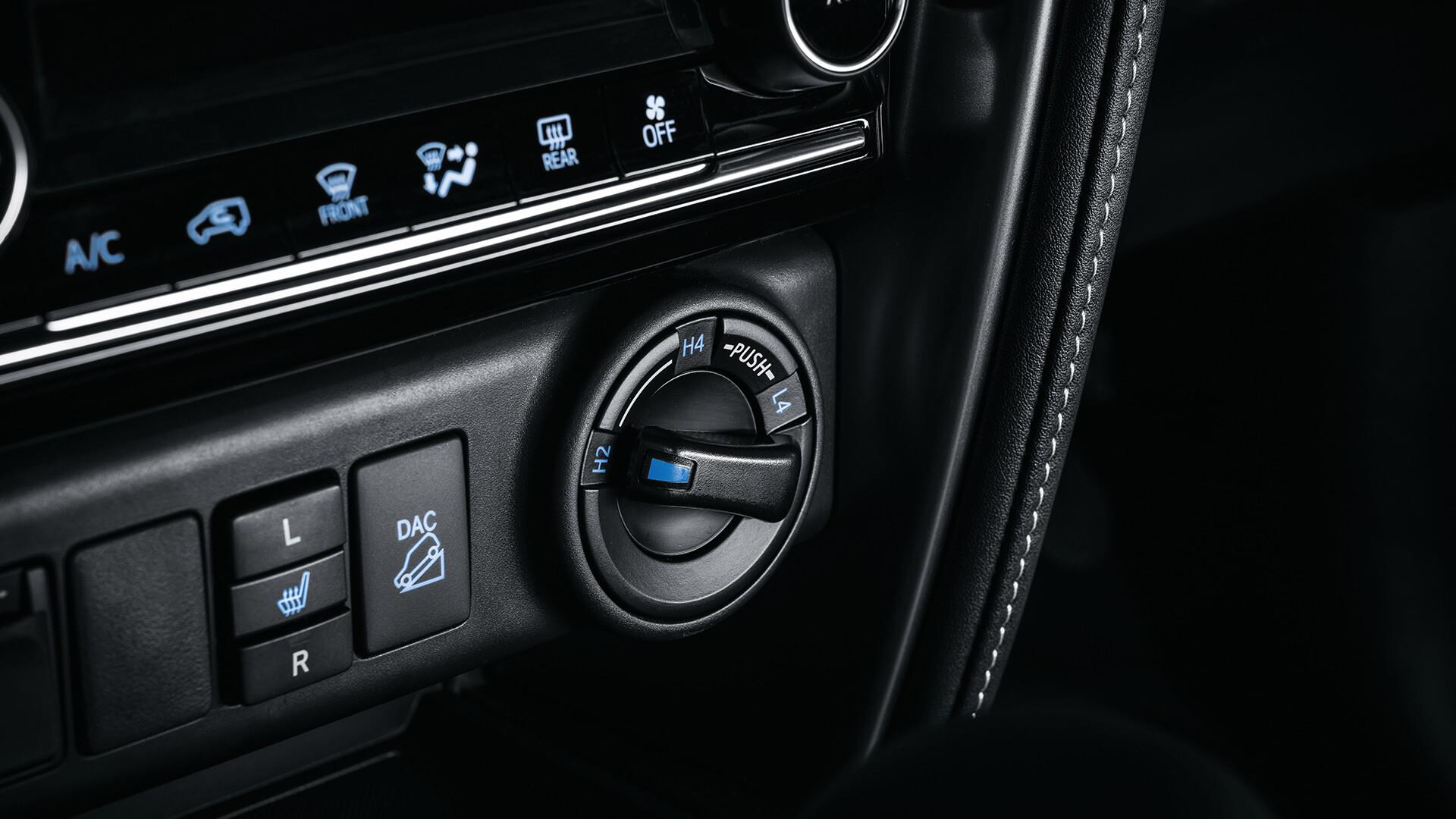
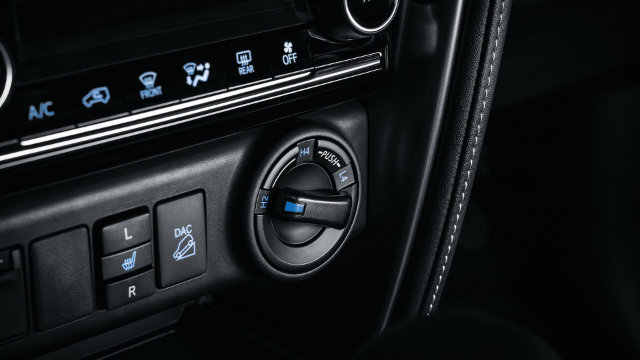
4×4 capability where fitted: Fortuner 4×4 variants have low-range and part-time systems giving genuine off-road traction for gravel and farm roads.
Common problems
Diesel after-treatment (DPF/EGR) sensitivity: Modern GD diesel engines (especially 2.8) use DPFs and EGR systems — frequent short urban trips or poor-quality fuel can lead to blocked DPFs, regen failures and associated warning-light faults. This is the single most commonly reported driveline issue on forums and service threads.
Injectors & turbo wear on high-mileage units / poor fuel: Injector failures and turbo trouble appear in real-world reports, often correlated to contaminated fuel, missed services or heavy towing without proper servicing. Expect these items to be more costly to repair than basic consumables.
Firm / busy ride on some specs: The Fortuner’s heavy-duty suspension (designed for load and durability) can feel firm or busy on tar and urban commutes, and over time worn bushings/shocks will show as knocks or reduced comfort — many owners upgrade or re-spring for a softer road ride.
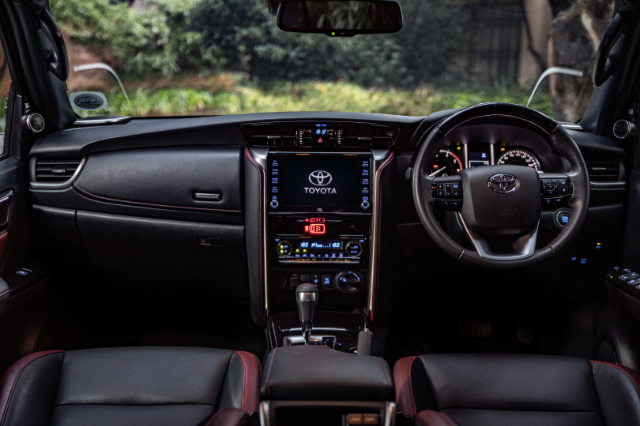
Exterior & interior
Strengths
Practical, durable interior & flexible seating: The Fortuner’s 7-seat layout, durable trims and simple mechanical controls make it practical for family and work use — seats fold to create cargo space and materials stand up to heavy use.
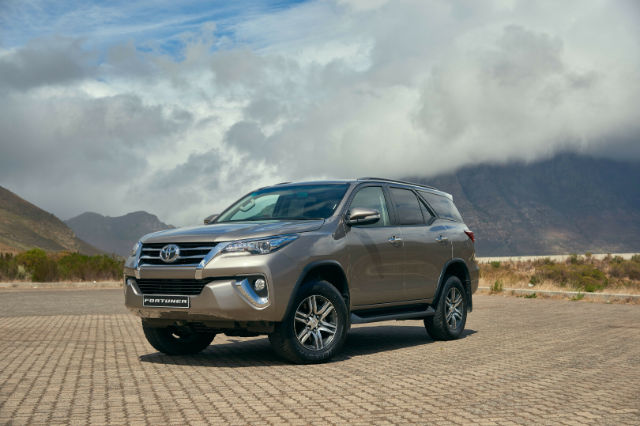
Robust exterior design and off-road geometry: Good ground clearance, approach/departure angles and protective bodywork mean the Fortuner is well suited to rural South African roads and occasional off-road use.
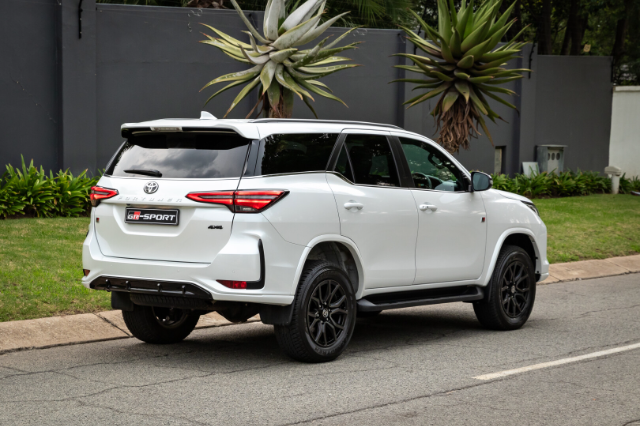
GR-S: improved road manners and looks (newer buyers): The GR-S trims add GR-tuned suspension, monotube shocks and sport styling — owners note better road-holding and a more premium, sporty feel while still retaining Fortuner utility.
Common Problems
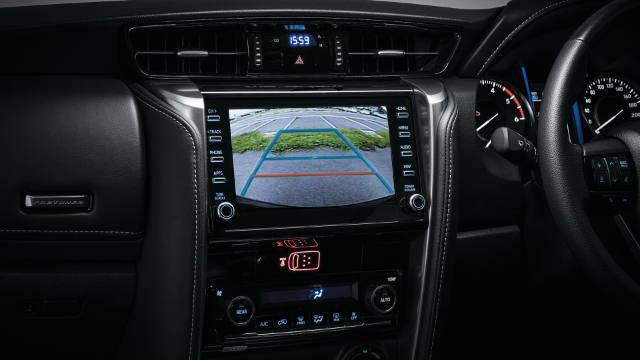
Interior tech & infotainment aging: Several reviews note the Fortuner’s infotainment and interior tech lag behind newer rivals — dated UIs, lack of wireless CarPlay/Android Auto and limited advanced cabin tech on older units. Expect upgrades needed for a fully modern in-car experience.
Trim/paint finish & dealer delivery defects: New-car threads sometimes record small finish or paint defects found at delivery; inspect for panel gaps, respray signs or paint overspray as part of pre-purchase checks.
Theft/desirability issues (security): Fortuners are high-value targets in some areas. Owners should prioritise security (tracking, immobilisers, secure parking) and check insurance costs — especially for popular trims.
General car buying advice
- Tyres: Ensure the tyres are a reputable brand, as this is usually a sign of how well a car is treated. If the owner/dealer cut corners by purchasing cheap tyres for a performance or off-road vehicle, where else did they cut corners?
- Modifications: A modified car is a far bigger risk than a used car buy than a standard model. A person modifies their performance vehicle generally drives their car harder, creating the double whammy.
- Service history: The Ranger will give you many years of reliable service, provided it has been serviced regularly with good quality oil, so make sure your vehicle has a full service history.
- Accident damage: Inspect the paint and check key welding points under the bonnet and the vehicle's boot to ensure the car has not been in a big accident. Some spray work on front and rear bumpers is standard, but walking away is better when the vehicle's structure has been damaged.
Which Toyota Fortuner is for me?
| Buyer profile | Recommended engine | Rationale (South Africa — concise & evidence-backed) |
|---|---|---|
| Urban commuter | 2.4 GD-6 (2.4-litre turbo-diesel) | The 2.4 GD-6 gives the best balance of everyday economy, lower running costs and proven durability for mixed urban + occasional highway use — lower real-world consumption than petrol options and cheaper routine servicing than larger diesels. Good local availability of parts and used examples keeps ownership predictable. |
| Regular traveller (long distances / highway & towing) | 2.8 GD-6 (2.8-litre turbo-diesel) | The 2.8 GD-6 is the strongest all-round diesel for torque, overtaking, towing and high-speed cruising — widely regarded in SA reviews and buyer guides as the go-to Fortuner for long runs and heavy use. It also has excellent parts/support locally, but watch DPF/after-treatment history on used cars. |
| Fuel saver (lowest real running costs, mixed city/highway) | 2.8 GD-6 48V MHEV | The 48-volt mild-hybrid 2.8 combines the torque of the 2.8 with electrical assist that improves low-speed/stop-start efficiency, and spec listings show average combined figures around ~7.3 L/100 km for the 48V derivatives, making it the most economical choice among the high-torque Fortuner options for mixed SA use. Verify hybrid-system warranty and service support when buying used. |
Toyota Fortuner – Test Drive Checklist
| Critical Checkpoint | Engine / Variant Affected | What to Do / Listen For |
|---|---|---|
| Cold start behaviour | All GD-6 diesels (2.4, 2.8, 2.8 MHEV) | Start the engine from cold. Listen for long cranking, rough idle, or metallic ticking → could indicate injector wear or timing-related issues. |
| Excessive smoke | GD-6 diesels | Ask someone to stand behind the vehicle during a rev. Look for black smoke under light throttle (possible injector/turbo issues) or white smoke (compression/fuel issues). |
| DPF health | 2.8 GD-6 (especially facelift & MHEV) | During the drive, check for lack of power, high revs, or DPF warning lights. After the drive, ask the dealer for a DPF regeneration history from diagnostics. |
| Turbo whistle / siren sound | 2.4 & 2.8 GD-6 | Listen for a high-pitched siren when accelerating — may indicate turbo wear. Light whistle is normal; a rising siren is not. |
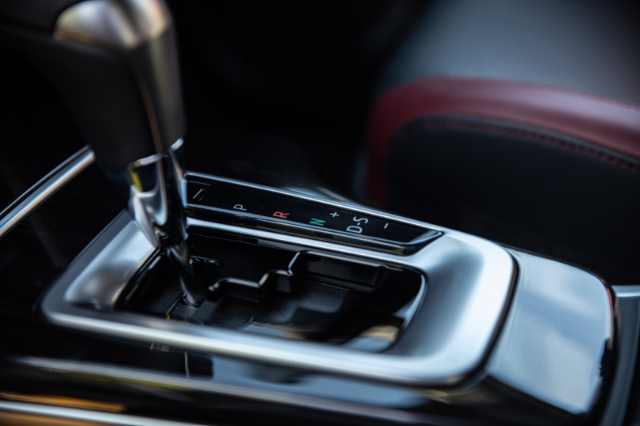
| Gearbox smoothness | 6-speed auto (all Fortuner variants) | On gentle acceleration, the gearbox should shift silky smooth. Any jerking, slipping, or harsh downshifts may mean transmission servicing is overdue. |
| 48V mild-hybrid operation | 2.8 GD-6 MHEV | Listen for smooth restart during stop–start. If the restart is harsh or delayed, the mild-hybrid starter-generator may be struggling. |
| Engine vibration | GD-6 diesels | At idle in Drive with foot on brake, check for excessive vibration entering the cabin — could indicate engine mount wear or injector imbalance. |
| Steering tightness & tracking | All variants | On a straight road, release the steering lightly — it should track straight. If it pulls to one side, suspension alignment may be out (common on 4×4s). |
| Suspension clunks or rattles | All variants, GR-S (sports suspension) | Drive over speed bumps at low speed. Listen for front-end clunks or rear leaf spring chatter — can indicate worn bushes or shocks. GR-S should feel firmer, not crashy. |
| Brake performance | All variants | Perform gentle and then firm braking. Look for steering vibration, ABS pulsing before needed, or long stopping distance (pads/discs worn). |
| 4×4 system engagement | 4×4 models (all engines) | Shift into 4H and 4L in a parking area. The system should engage quickly and quietly. Grinding or refusal to engage means the actuator may need servicing. |
| Driveline shudder | 4×4 & 4×2 GD-6 with auto | On pull-away, feel for shuddering or vibration — common symptom of propshaft centre bearing or universal joint wear. |
| Air-con performance | All variants | Set to cold. Ensure air becomes cold within 60–90 seconds. Weak air-con could be a gas leak or failing compressor (not cheap). |
| Interior squeaks & rattles | Pre-facelift more affected | Drive on a rough road. Listen for dashboard or rear boot panel rattles — known minor annoyance on older Fortuners. |
| Infotainment system lag | All variants but worse on pre-facelift | Test Bluetooth, Apple CarPlay/Android Auto. Slow or glitchy performance may require software updates. |
| Check for flood / off-road damage | 4×4 models | Inspect underbody for deep scratches, dented fuel tank, or mud packed into chassis rails — can indicate heavy off-roading. |
| Tyre wear pattern | All variants | Check for inside shoulder wear on front tyres — sign of alignment issues or worn control arm bushes. |
| Oil leaks | 2.8 GD-6 & V6 | Look around oil filter housing, sump and turbo. Oil seepage can indicate gasket wear or minor leaks. |
| Engine overheating history | 4.0 V6 | Rev engine slightly for 30 seconds; temperature must remain stable. Any rise indicates cooling system issues. |
| Performance check | 2.4 GD-6 | Ensure the engine accelerates smoothly and doesn’t feel unusually sluggish, which may indicate clogged EGR or DPF. |
| Towing vibration test | 2.8 GD-6 / V6 | On a hill, accelerate moderately. Hesitation or vibration may signal torque converter wear (auto models). |
| GR-S handling feel | GR-S derivative | GR-S must feel tighter and more controlled due to sport suspension. Excessive harshness or noise indicates worn bushes/shocks. |
Reliability of the Toyota Fortuner 2015 - 2025
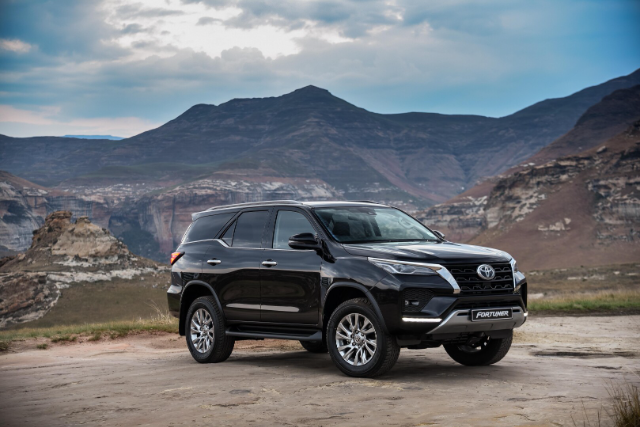
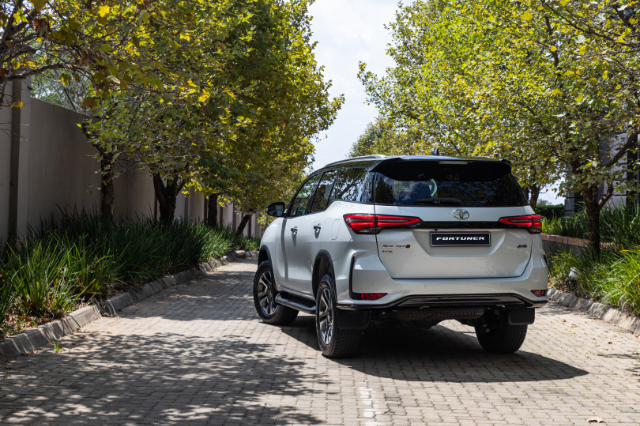
The second-generation Toyota Fortuner (2015–2025) is widely regarded in South Africa as a durable, practical SUV that ages well when cared for — but it isn’t completely trouble-free. Toyota’s ladder-frame construction, generous service network and proven diesel engines (2.4 and 2.8 GD-6 families) make the Fortuner a dependable choice for mixed urban, highway and rural use; Toyota South Africa’s model/spec pages and service plans underline the brand’s support network and scheduled servicing approach.
Real-world owner feedback in South Africa and specialist reviews confirm excellent long-distance reliability: many Fortuners routinely hit high mileages (200k–400k km) with basic wear items only, which helps explain the model’s strong resale and continued popularity. Independent buyer guides and long-term reviews note the truck-like durability that suits towing, farm work and rough roads.
That said, the Fortuner’s common fault pattern is predictable and maintenance-driven rather than catastrophic. Modern GD-series diesels bring complexity: DPF/EGR and after-treatment systems can give problems (regeneration failures, warning lights) if the vehicle is used mainly for short urban runs; turbo and injector issues appear on high-mileage, poorly-serviced examples or where fuel quality is bad. Buyers should prioritise documented service history and evidence of regular highway runs to keep the DPF healthy.
Higher-spec variants (GR-S, MHEV 48V) add refinement, power and tech — but also incremental complexity and higher running costs (tyres, suspension wear, potentially hybrid-system checks). Reviews of recent GR-S and facelifted models praise improved NVH and handling, while still recommending routine inspection of turbo, injectors and underbody after off-road use.
Bottom line for the South African buyer: buy a Fortuner for its proven durability and strong parts/support network, but insist on full service history (DPF/regen notes), check injector/turbo records on high-km units, and match engine choice to real-world use (2.4 for economy/urban+highway, 2.8 or MHEV for towing and heavy work).
How much should I pay for a Toyota Fortuner?
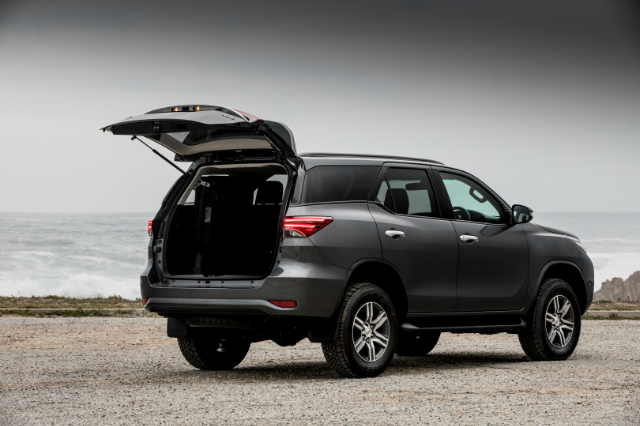
Based on current used car listings in South Africa, the price of a Fortuner from 2014 to 2021 can vary significantly depending on the engine, model year, mileage, and trim level.
2.4 GD-6: Searching on AutoTrader, you will find that earlier pre-facelift examples can start from around R300 000 and range all the way up to around R750 000 for nearly new examples. Items such as 4x4, trim level, mileage and condition will greatly affect the pricing.
2.7 VVT-i: Fewer used examples of the 2.7 VVT-i derivatives are available on the website, however, based on the condition, mileage and trim, one can expect to pay between R310 000 and R380 000 for 2017 - 2018 year model examples.
2.8 GD-6: What could probably be refered to as the staple variant of the Fortuner range, the 2.8 GD-6 has quite a lot of offerings available on AutoTrader. Prices range between R285 000 for early pre-facelift and lower specified models to R999 000 for near new GR-Sport derivatives. If you require additional security for you and your family, a variety of companies also offer armoured examples ranging for prices between R1 700 000 and R2 400 000 based on the vehicle trim level and armour specifications.
4.0 V6: Like with the 2.7 VVT-i, there are only a few second-generation examples of the 4.0 V6 derivatives available on AutoTrader. Based on the condition and mileage, you can expect to pay between R440 000 and R480 000 for a 2017/2018 model year.
Our Verdict: Which Fortuner Should You Buy?
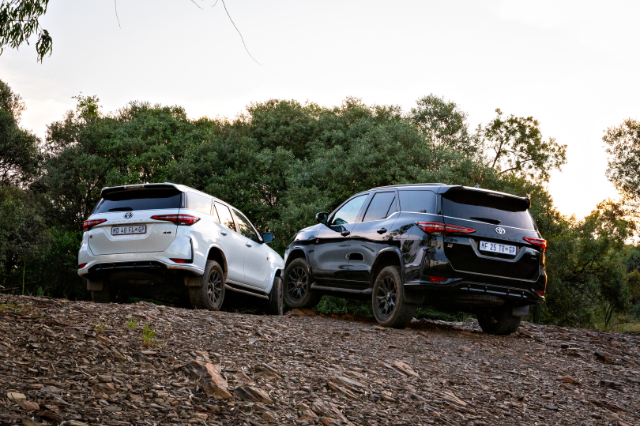
For a buyer who wants the best overall ownership cost and reliability, our recommendation is the 2.4 GD-6 (diesel).
Why this one?
The 2.4 GD-6 balances fuel economy, reliability, and maintenance simplicity better than any other engine in the range. Independent fuel-consumption testing in South Africa shows real-world averages around 7.2 – 7.6 L/100 km under mixed use. It’s less stressed mechanically than the larger 2.8 diesel, meaning fewer high-cost components (turbo, heavy load stress, higher fuel & maintenance costs).
Routine servicing is simpler and cheaper than for bigger diesels or hybrid variants, and parts/support for the 2.4 are plentiful across SA. For many users urban commuting, occasional highway travel, periodic load/towing, it delivers good performance, reasonable fuel bills, and solid long-term durability without overpaying for power you don’t always need.
Final Tip:
Lastly, but not least, be sure to get insurance quotations and a full explanation of what can be done to reduce the monthly installment. Due to the Fortuner's popularity and shared drivetrain components with other Toyota models, they do carry an elevated theft/hijack risk. If you choose a Fortuner, especially a 2.4 GD-6, insist on full documented service history, including diesel service, injector/turbo servicing, and proof of regular longer drives (not just short urban hops). Make sure suspension, tyres and 4×4 components (if applicable) are in good condition — because overloading or heavy off-road use without proper maintenance increases wear dramatically.