The luxury sports car manufacturer has announced a significant shift to meet new market realities and changing customer demands, particularly in a global market where the uptake of all-electric vehicles (EVs) has been slower than anticipated.
A new Flagship SUV with a twist
One of the most notable changes is the decision to offer the new flagship SUV, which will be positioned above the Cayenne, exclusively with combustion engines and plug-in hybrid models at its launch. This vehicle was initially planned as an all-electric model.
Existing combustion engine models like the Panamera and Cayenne will remain available well into the 2030s. Porsche has even added new generations of these models to its future production plan, ensuring that customers who prefer petrol engines will still have options.

AI-generated image of what the new flagship Porsche SUV could look like
Electrification timeline shifted
While the brand isn't abandoning its electric future entirely, the timeline for some all-electric vehicles is being pushed back. The development of a new electric vehicle platform, previously scheduled for the 2030s, will now be rescheduled and technologically redesigned in coordination with other brands within the Volkswagen Group.
This is a direct response to the slower growth in demand for exclusive battery-electric vehicles. The brand will still pursue an all-electric version of its Boxster and Cayman models; however, expect more combustion-powered 911 models, and potentially more manual gearboxes, too!
Porsche CEO Oliver Blume explained that these decisions build on previous initiatives to create a more balanced portfolio. "We want to meet the entire range of customer requirements with a convincing mix of combustion engines, plug-in hybrids and battery-electric vehicles," he said.




 New Porsche Cayenne GTS headed to SA!There's a new version of the Porsche Cayenne GTS, and we have some of the basic information ahead of its local introduction!
 4 extras to retrofit on a used Porsche CayenneDo you own a first-generation Porsche Cayenne? We have compiled a list of 4 extras that we think will enhance your luxury SUV.
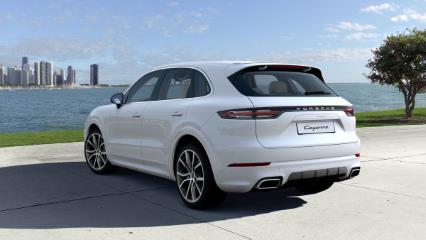 5 extras you should fit on a new Porsche CayenneWe sat with the Porsche Configurator to see what 5 extras are critical must-haves when deciding what equipment to include with your new Porsche Cayenne order.
 Porsche gets ready for a huge Kyalami birthday bashPorsche gets ready for a huge Kyalami birthday bash