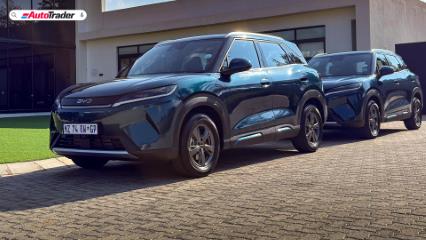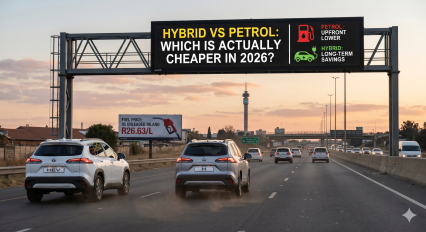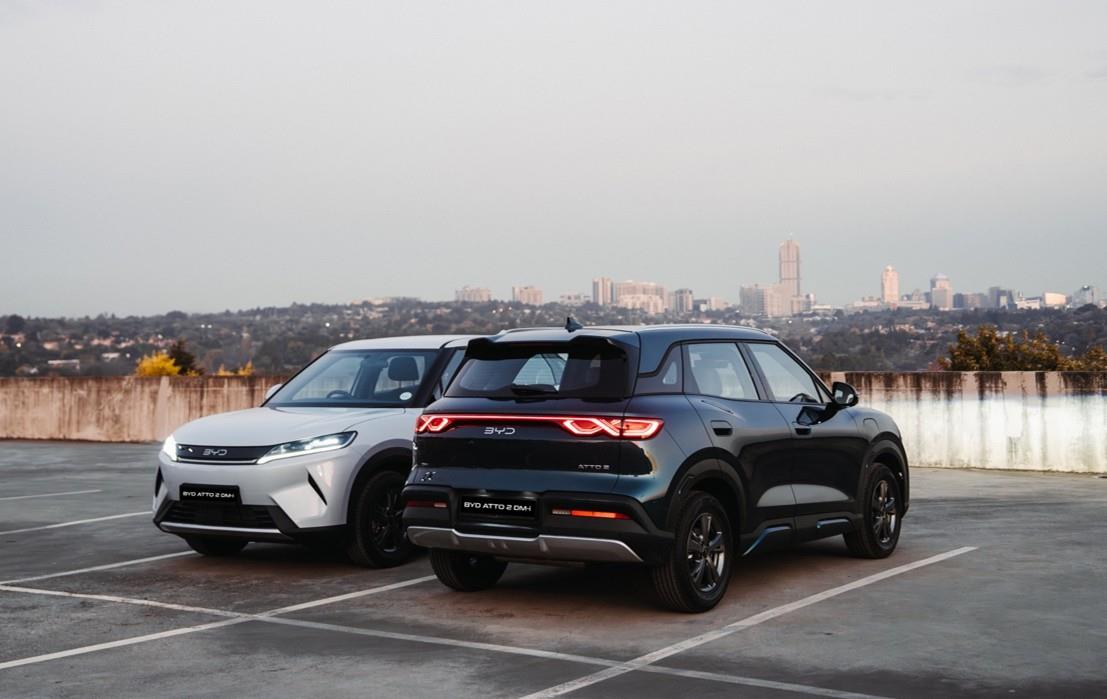
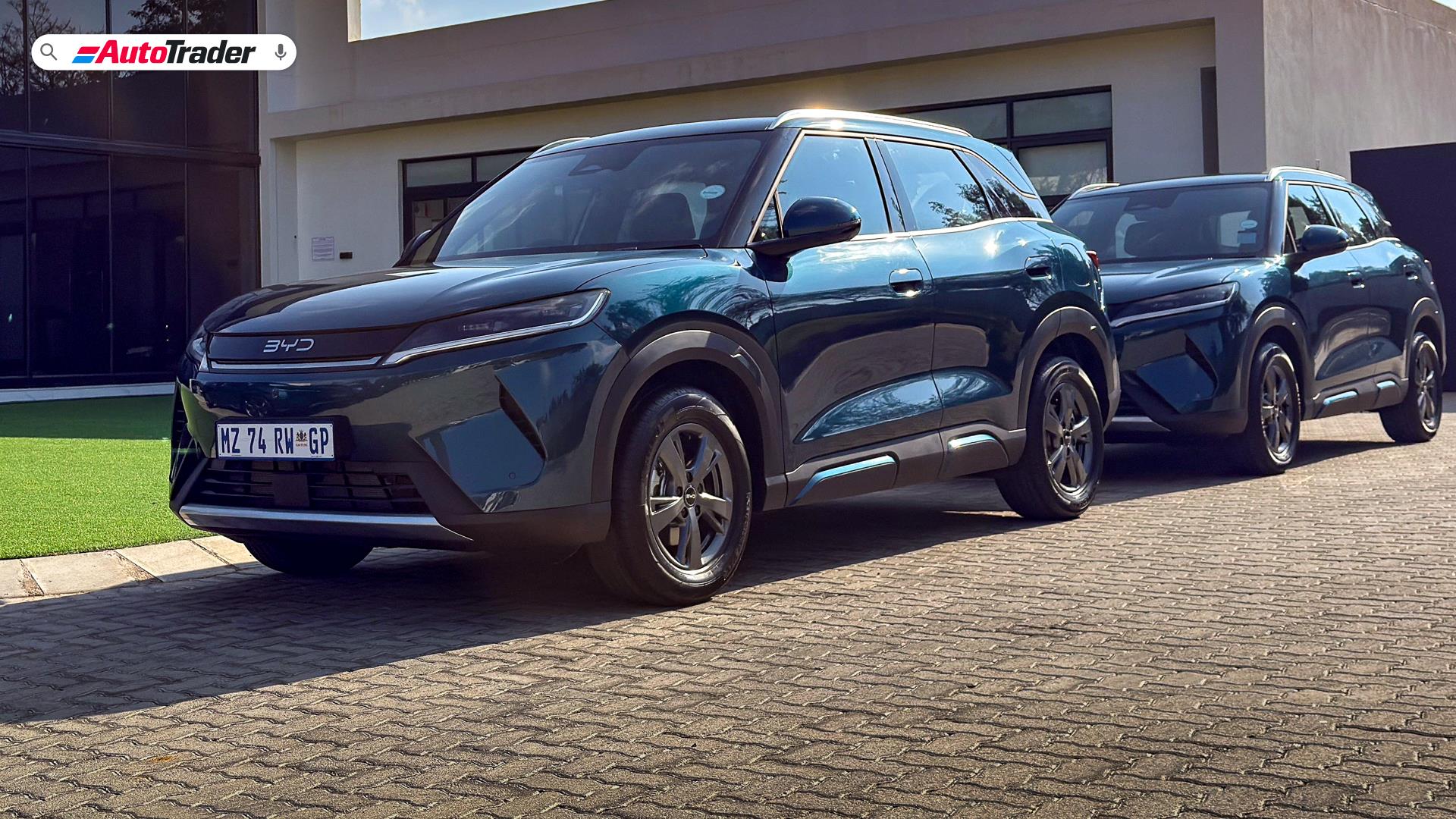

South Africa's new-energy vehicle market just got a significant entrant. The BYD Atto 2 DM-i, launched in June 2026, is now the most affordable plug-in hybrid electric vehicle (PHEV) on sale in the country, and it's going head-to-head with the market benchmark: the Toyota Corolla Cross HEV. But does being cheaper upfront actually translate into lower running costs? Let's crunch the numbers.
Related: BYD ATTO 2 DM-i launched: Cheapest PHEV in SA
But remember that you can sell your car quickly and easily on our website while you search for new or used BYD models on AutoTrader.
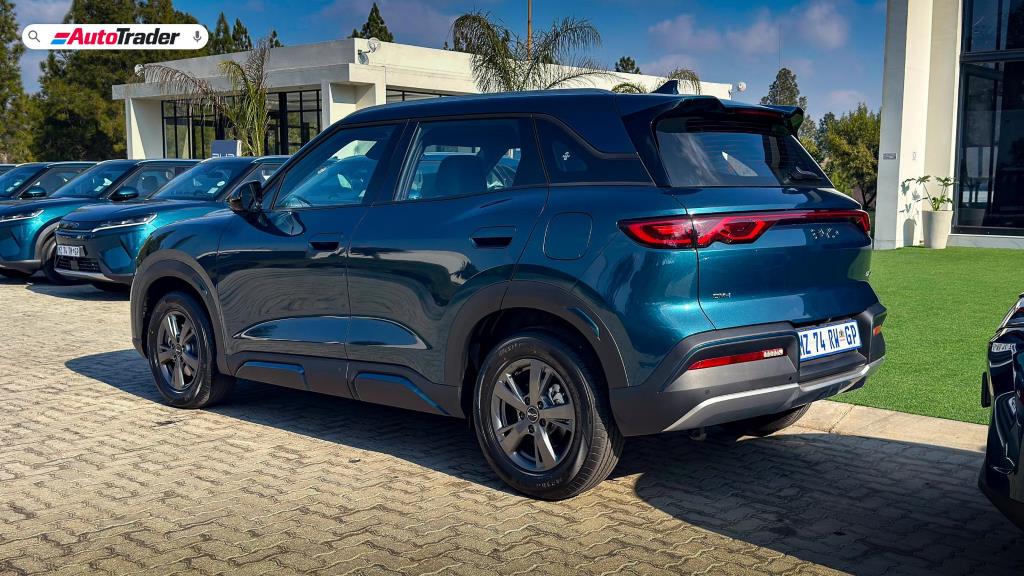
Specification and price comparison
| BYD Atto 2 DM-i | Toyota Corolla Cross HEV | |
|---|---|---|
| Price (entry) | R449,900 (Comfort) | R501,100 (XS) |
| Powertrain | 1.5L petrol + electric | 1.8L petrol + electric |
| Output | 122 kW / 300 Nm | 90 kW / 142+e Nm |
| Type | PHEV (plug-in) | HEV (self-charging) |
| Claimed consumption | 5.1 L/100 km | 4.3 L/100 km |
| Electric-only range | 40 km (WLTC) | None |
| Total claimed range | 930 km | 837 km |
| Vehicle warranty | 5-yr / 150,000 km | 3-yr / 100,000 km |
| Battery warranty | 8-yr / 200,000 km | 8-yr / 195,000 km |
| Service plan | 4-yr / 60,000 km | 6-services / 90,000 km |
*The information contained in this article was correct at the time of publishing; however, it can change at any time and without notice.
The Atto 2 enters at R51,200, less than the Corolla Cross XS, and packs considerably more power, a useful advantage on South African highways.

Running Cost Breakdown
At the time of writing this article, the current inland petrol price is approximately R21.63/litre, and as a result, running the Atto 2 purely on petrol costs around R110.31 per 100 km. The Corolla Cross, using real-world fuel figures of around 5.5 L/100 km (from long-term reviews), comes in at approximately R118.97 per 100 km, slightly higher despite its lower claimed consumption.
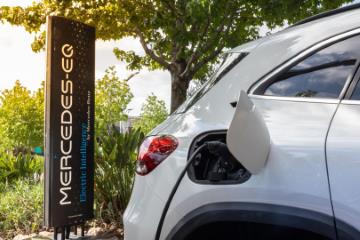
Where the Atto 2 DM-i really differentiates itself is for the typical South African urban commuter. With a pure-electric range of around 40 km on its 7.85 kWh LFP Blade Battery, a driver covering a standard 40–50 km daily round trip can do the bulk of that commute on electricity alone. At residential electricity rates of approximately R3.74–R4.06/kWh (Johannesburg to Cape Town range), this works out to roughly R0.71–R0.77 per kilometre, a meaningful saving over petrol.
The Corolla Cross HEV uses electricity too, but only recovers energy through regenerative braking and cannot be plugged in, so it never achieves true electric-only commuting.
The South African reality
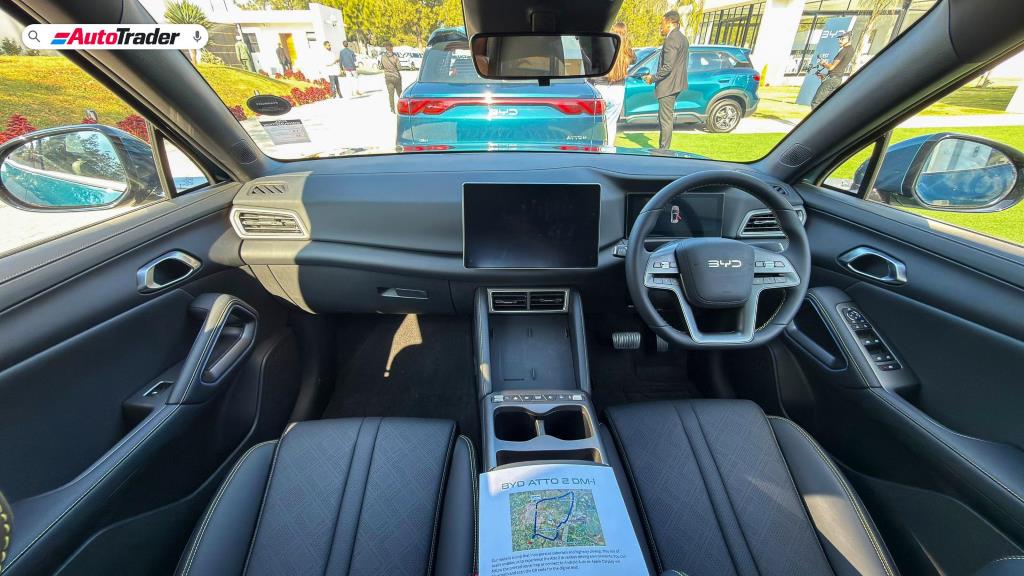
Here's where things get nuanced. The Atto 2's value proposition depends heavily on reliable access to home charging. With only a 3.3 kW AC Type-2 charger (no DC fast charging), a full top-up takes roughly 2.5–3 hours, manageable overnight, but vulnerable to load-shedding. Buyers without a garage, dedicated charging point, or solar backup may find the Corolla Cross HEV's plug-free simplicity more practical day-to-day.
It's also worth being upfront: long-term real-world running-cost data for the Atto 2 DM-i is limited. The car only launched in June 2026, and independently verified South African ownership data does not yet exist. The figures above are based on claimed specs and reference fuel/electricity prices, not extended local experience.

Verdict
The BYD Atto 2 DM-i suits the buyer who commutes 40–60 km daily, has home charging (ideally with solar backup), and wants the lowest possible cost per kilometre and vehicle purchase price. Its longer vehicle warranty, higher power output, and genuine EV daily capability make it a compelling proposition.
The Toyota Corolla Cross HEV remains the safer, more proven choice for buyers who travel varied distances, lack access to charging infrastructure, or want a well-established hybrid. Its locally manufactured status, longer service plan, and years of South African reliability data count for a lot.
Neither is wrong, and they solve different problems for different drivers.