Hands on with BYD in China - Everything you need to know
The last few years have seen a relatively unknown name make waves, disrupting the status quo and dethroning those we thought were NEV juggernauts. BYD has never shied away from a challenge, and its products speak for themselves. Join us as we spend a week with BYD getting to know this Chinese powerhouse a little better.


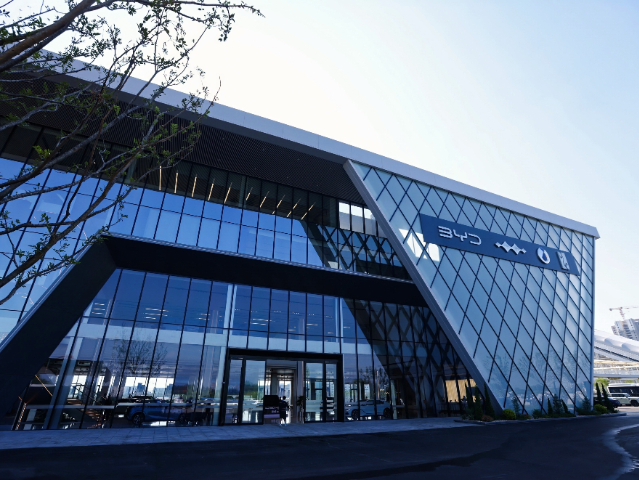
BYD may feel like a fresh new brand to us here in South Africa, a small Chinese brand that is one of the many new names we've been hearing of late, but this couldn't be further from the truth. While it's perhaps not as storied as Mercedes-Benz or Toyota, BYD has a presence that is hard to ignore. A recent excursion to Shenzen and Zhengzhou, China, offered us some insight into what BYD is about and why it's making headlines across the globe.
Related: BYD auto could be SA's next EV importer
The firm that has dethroned Tesla in the NEV space must be doing something right. It didn't take long for us to realise why that is. BYD is not shy about investing in research and development, nor do they skimp on the tools needed to grow at an astronomical rate. Their holistic approach to building products (yes, not just cars) has seen the firm pump more than RMB 160 million into their R&D efforts.
Here's what you need to know about BYD.
Overview
BYD isn't merely a vehicle manufacturer. Wang Chuanfu founded the company in 1995 as a battery manufacturer. The automotive side of things started in 2003, which does make them a newer entrant into the automobile space. Since then, they've grown at an alarming rate with more than 900 000 employees across the entire company.
BYD is adamant that it's a tech company first and foremost, built on the backs of engineers. Their products range from batteries to cars, and include semiconductors, drones, power banks, projectors, printers, laptops, heat sinks, infotainment systems, motherboards, and more. You will be surprised to discover how many cellphones house BYD boards, chipsets, and batteries. The overarching theme is energy; the acquisition, storage, and application thereof. Solar, batteries, and green mobility provide a green solution to the world's power demands.

BYD has more than 120 000 engineers in its R&D sector, which spans 11 research institutes. With constant innovation in mind, BYD has filed for more than 59 000 patents, averaging 45 patents a day.
It also has a global presence, with representation in 112 countries, 30 of which are in the Middle East and Africa region. It has produced over 12 million new energy vehicles globally, with 1.18 million of those exported to countries outside of China.

BYD Technologies
With BYD being so strong on the tech front, it comes as no surprise that they have several key technologies that are helping transform the way we think about mobility. BYD Auto is only a small part of the larger picture, with the company also producing buses and rail transport solutions.

Blade Battery
Their most famous technology is the blade battery, a lithium iron phosphate (LFP) battery for electric vehicles that holds charge better, has a more compact footprint, and, more importantly, is far safer than traditional LFP batteries. This was demonstrated with a nail puncture test, where the traditional battery shot circuits and started to burn, while the Blade battery remained unchanged.

Hybrid and Electric Platforms
In addition, BYD also has a range of proprietary vehicle platforms, drivelines, and suspension systems. Their DM hybrid platforms offer either economy-based performance (DM-i platforms) or performance in the DM-P configuration. The e3 and e4 drivelines cater to their full-electric offerings, indicating whether it is a 3-motor or 4-motor configuration, the latter typically reserved for their performance models.

High-tech Suspensions
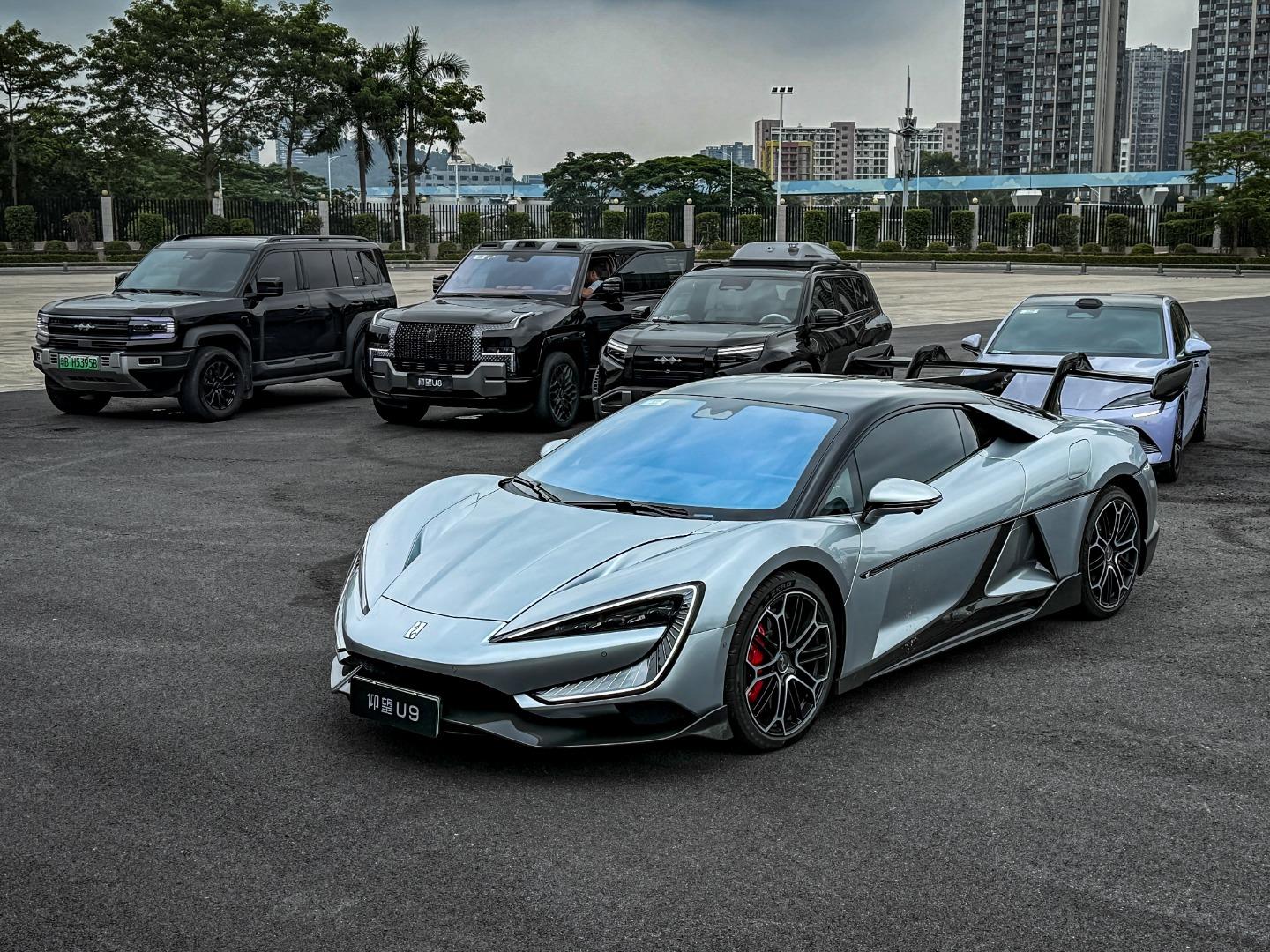
The DiSUS-X suspension, as seen in the jumping and dancing Yangwang U9 supercar, is a fast-responding, electronically activated, and controlled suspension system that helps balance the vehicle through high-speed turns. We were able to witness this firsthand with not one but two Yangwang U9 supercars at their facility for a demonstration. Sadly, we didn't get a chance to drive the 960kW U9, but seeing it up close and in person was rather special.

MegaWatt Charging
BYD is also forging ahead with a MegaWatt charging system. As the name suggests, this rapid charger dishes out 1000kW of electrical charge, allowing suitable vehicles that can handle rapid charging to recharge in no time. For every second that the vehicle is plugged into the MegaWatt charger, it receives 2km worth of charge, allowing you to get 400 km range in only 5 minutes. Imagine a recharge taking as long as a traditional refuel. Total game changer!

Facilities
We were privileged enough to be the first media to be granted access to several of their institutions, including their main mega factory in Zhengzhou. BYD takes a somewhat different approach to the creation of its vehicles, injecting traditional Chinese culture and beliefs into its products. Themes of bravery, love, and dedication find their way into its vehicles, giving it a rather unique feel and separating it from its direct rivals.

Di-Space
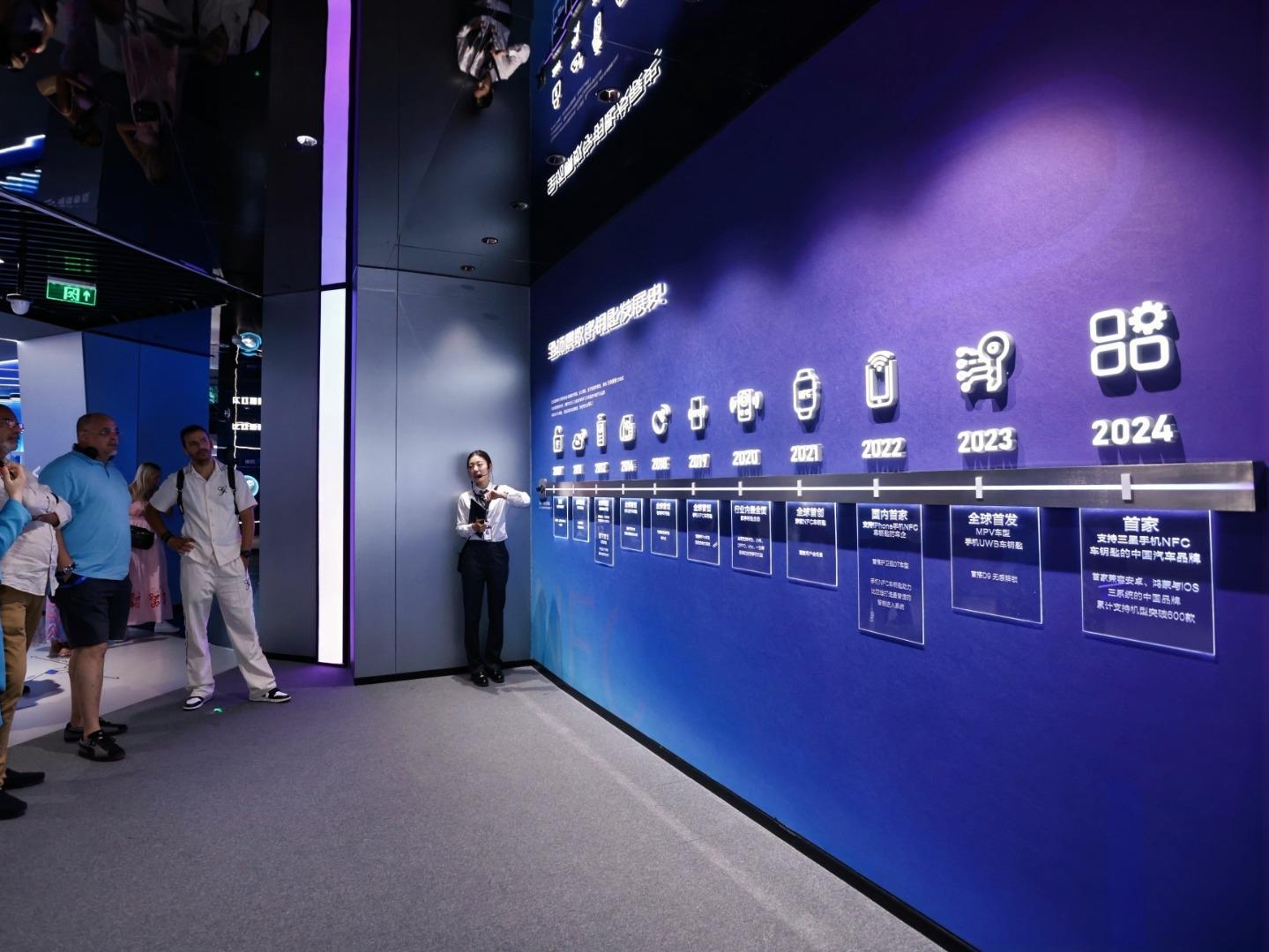
One of their new establishments is the publicly accessible BYD Di-Space. Situated in Zhengzhou, this building takes visitors on an interactive journey through BYD's history, ecosystem, and helps the average Joe better understand the objectives of green energy. It caters for both young and old, and it was wonderful to see several school tours taking young kids through the facility, showing them the science behind New Energy Vehicles, and why they're essential to the world.
Various displays showcased the design process, starting with sketches and clay models and then moving on to the vehicle's metal forming. Exploded and cutaway views showed how all the components were packaged, and olfactory stations showed how important smell is in a car.

Test Track
Their latest unveiling is the BYD Test Facility and Circuit, a state-of-the-art establishment with several areas for testing various functions and features of BYD products. The areas include a full race circuit, multi-purpose area, low-friction area, simulated ice track, intelligent driving area, emergency floating pool, off-road course, and the largest indoor dune in China. All of these areas are used for testing the safety systems, suspension and drivetrains, handling, and, of course, their ability to climb a 28 ° dune!

We were able to get hands-on with the Han 7 around the track, drift a BYD Seal on the low-friction surface, complete a gymkhana in a Denza 7 GT, witness the Denza U8 climb a dune, and then go floating in the U8—the world's first floating production SUV.
The main building also offers visitors the opportunity to interact with the vehicles, rest their feet, grab something to eat and drink, and attend driver's briefings and classes. High-end racing simulators allow you to get a feel for the driving before heading out on track.

Mega Factory
The real honour was being the first media to be allowed into their production facility. This world-class facility produces the greatest number of BYD products in mainland China, producing one car every 45 seconds. It takes roughly 45 minutes for a vehicle to be produced, but that's not the amazing part of this whole exercise.

BYD produces most of its components in-house, from stamping the sheet metal to creating the electronics, with only the glass and tyres supplied by a third-party vendor. Their AI-powered robots take care of the bulk of the assembly, with panel fitment and welding taken care of autonomously. BYD still employs humans, and the final fitment and testing is still done by hand along a multi-story conveyor system. If there is ever doubt about the seriousness of the BYD operations, that myth can quickly be dispelled.

Coming to SA
The South African media was also treated to a first look and drive of some of the new models that will make their way to South Africa shortly. Keep checking back to see what's on the cards for BYD in SA in an upcoming article.