
Ford Motor Company recently announced that it is expanding its Everest range to include Wildtrak, XLT, and 4x2 models. Let's have a look at what the brand has to offer with these new derivatives.
Related: Ford Everest 3.0 V6 4WD Platinum (2023) Review
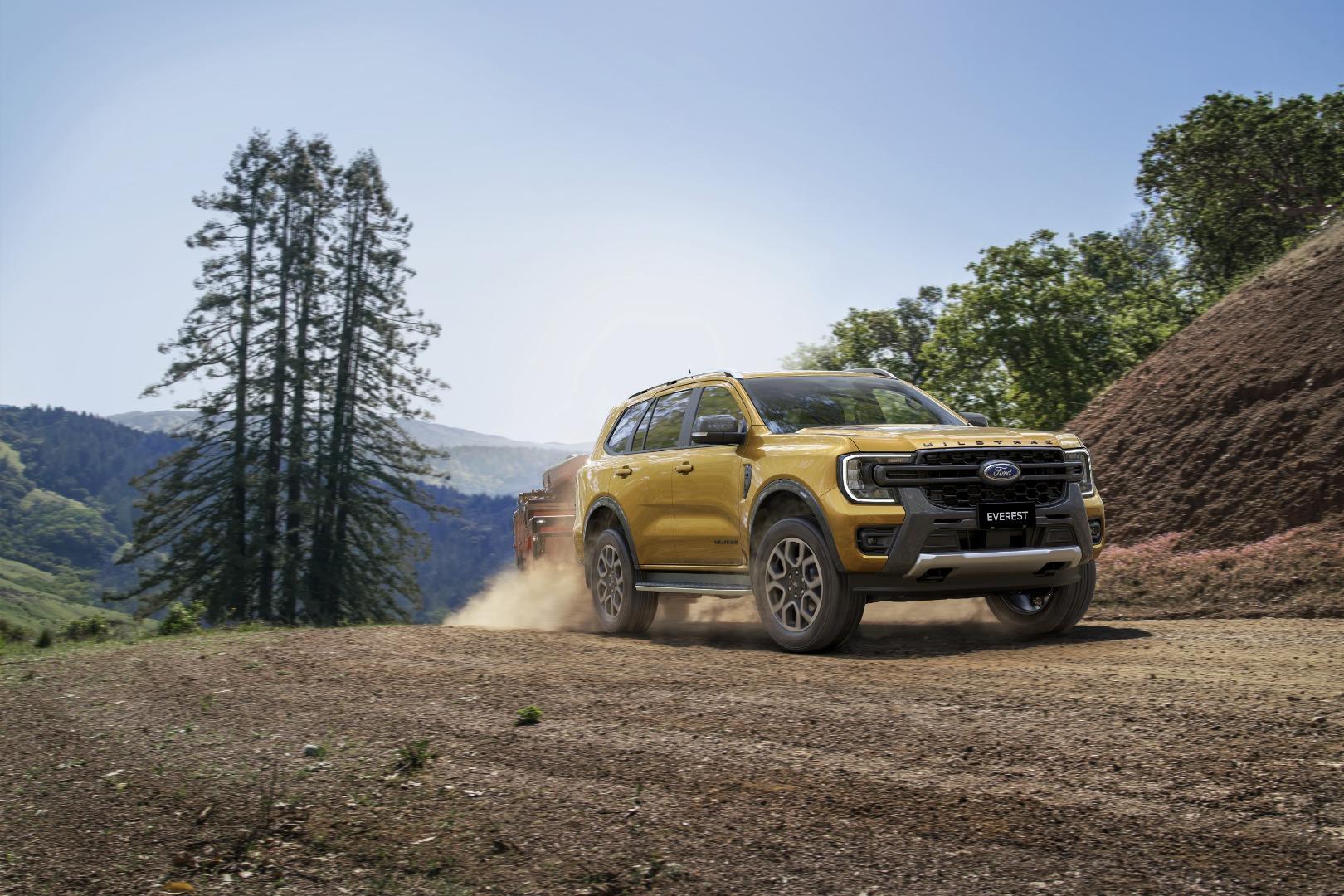
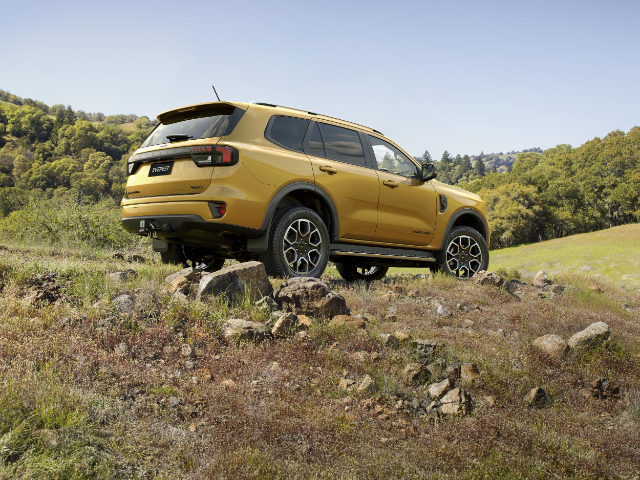
The Everest Wildtrak
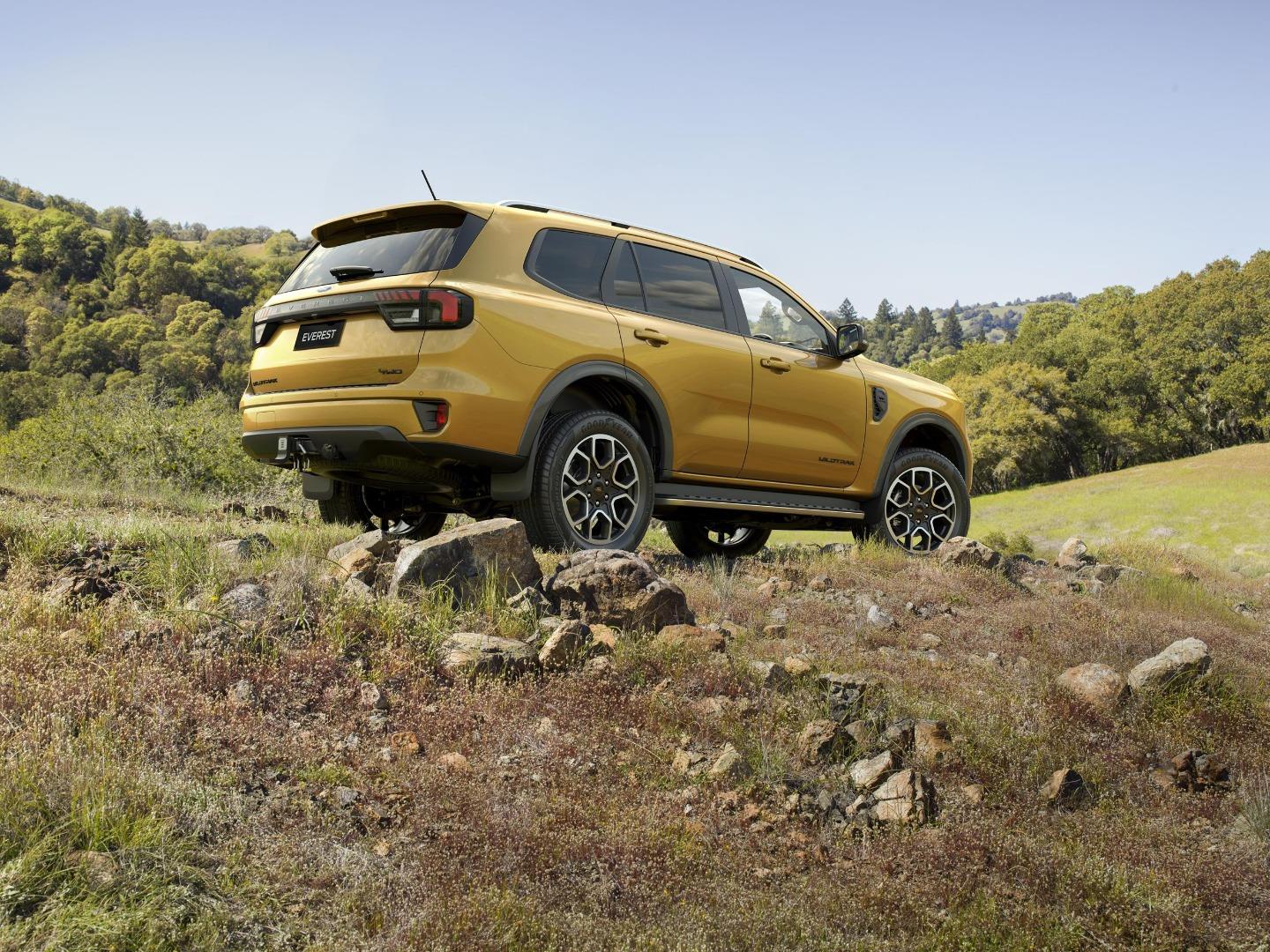
For the first time, the Everest will be available in Wildtrak guise which includes a Wildtrak-specific front grille in a hue called ‘Bolder Grey’ which also adorns the front bumper. This model also includes s silver bash plate and two recovery points up front. Grey 'Wildtrak' badging can also be found on the bonnet and tailgate, which matches the colour of the exterior mirrors and rear bumper. The Wildtrak also gets the C-clamp front lights which incorporate LED technology and LED daytime running lights while there are also LED taillights. There are two wheel and tyre options for the Wildtrak, namely a set of 18-inch wheels with 265/65 R18 all-terrain tyres or 20-inch wheels with 255/55 R20 rubber fitted.
Under the bonnet is the same 3.0-litre V6 turbodiesel engine seen in the Everest Platinum and Ranger models. It produces 184kW and 600Nm, and is paired with a 10-speed automatic gearbox.
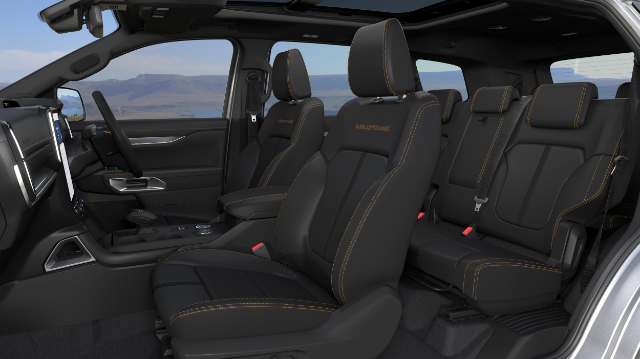
As with its bakkie sibling, the Wildtrak's interior gets more soft-touch appointments along with yellow contrasting stitching on the dashboard, door trims, steering wheel, gear lever and the electrically adjustable seats, which are trimmed in leather and feature the Wildtrak logo. There is also a so-called 'Moon Roof' along with a dark headliner, completing the interior.
In terms of infotainment, the same 12.0-inch SYNC 4-powered infotainment system is standard along with a digitised instrument cluster with Apple CarPlay and Android Auto functionality. There is also a wireless charging pad, an 8-speaker sound system, a 400W inverter and both USB A and USB C charging ports. In addition to the off-road and Drive Modes selection, there are several semi-autonomous driver aids such as Adaptive Cruise Control, Blind Spot Monitoring with Trailer Coverage, Cross Traffic Alert, Evasive Steer Assist, Lane Keeping System with Road Edge Detection and Pre-Collision Assist.
The Everest XLT
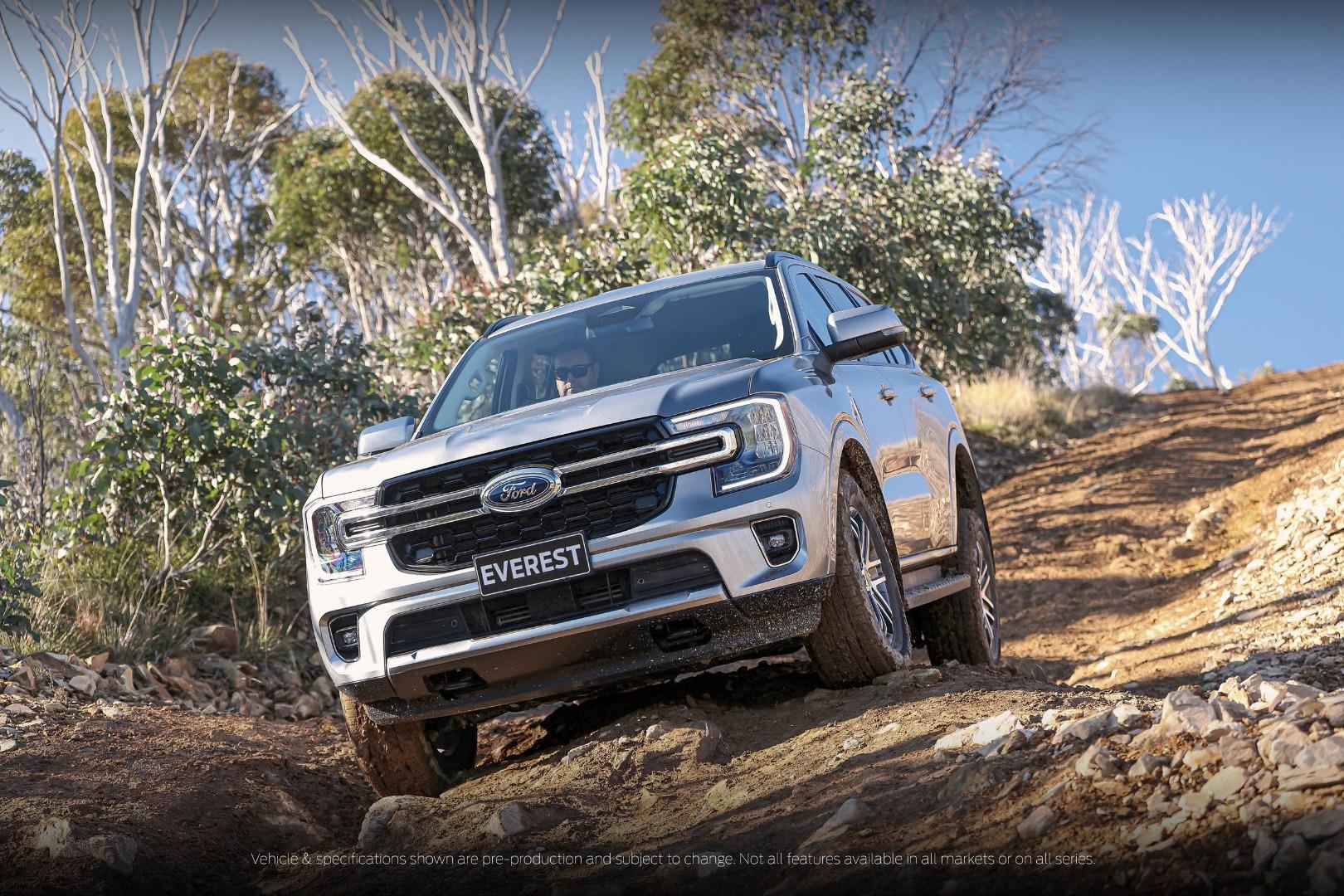
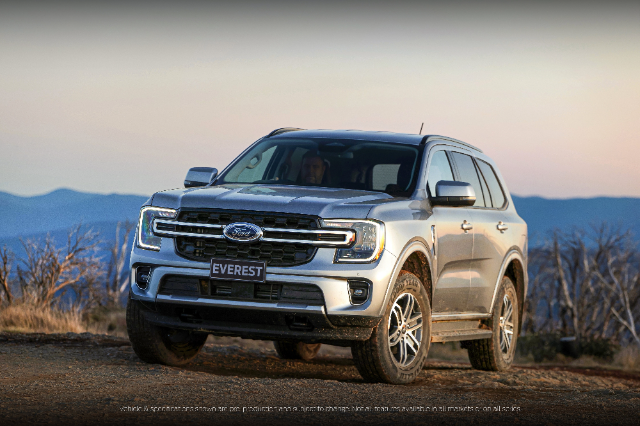
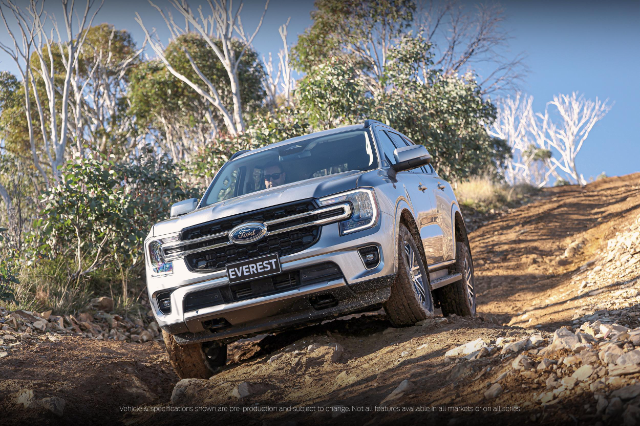
Ford has also launched the Everest XLT, which is also the most affordable Everest model within the range, and a true rival to the recently updated Toyota Fortuner. which is the least expensive model in the line-up, making Ford’s exceptional seven-seater SUV accessible to a broader range of customers. The XLT can be distinguished by its chrome finish on the front grille, colour-coded door handles and mirrors, LED headlights, daytime running lights, fog lights and rear lights as the high-spec models.
Inside, the XLT is said to mirror the current Sport model with partial leather seats, with eight-way power adjustment for the front pews. There is an 8.0-inch digitised instrument cluster and a 12.0-inch infotainment system with the same functionality as listed in the Wildtrak. Other features include keyless entry/start, a powered tailgate, dual front, side and curtain airbags, Pre-Collision Assist, Lane Keeping System, Blind Spot Information System, Reverse Brake Assist, Hill Launch Assist and front and rear parking sensors with a rearview camera.
Powering the XLT models is a 2.0-litre Bi-Turbo four-cylinder diesel engine with 154kW and 500Nm that is mated with a 10-speed automatic transmission, with the option of either two or four-wheel drive derivatives.
Pricing
Everest XLT 2.0L BiT 4x2 10AT: R832 400
Everest XLT 2.0L BiT 4x4 10AT: R896 300
Everest Sport 2.0L BiT 4x2 10AT: R918 500
Everest Sport 2.0L BiT 4x4 10AT: R984 800
Everest Wildtrak 3.0L V6 4WD10AT: R1 084 000
Everest Platinum 3.0L V6 4WD 10AT: R1 146 500
The pricing includes a 4-year/120 000km warranty while a service plan is an optional extra.