


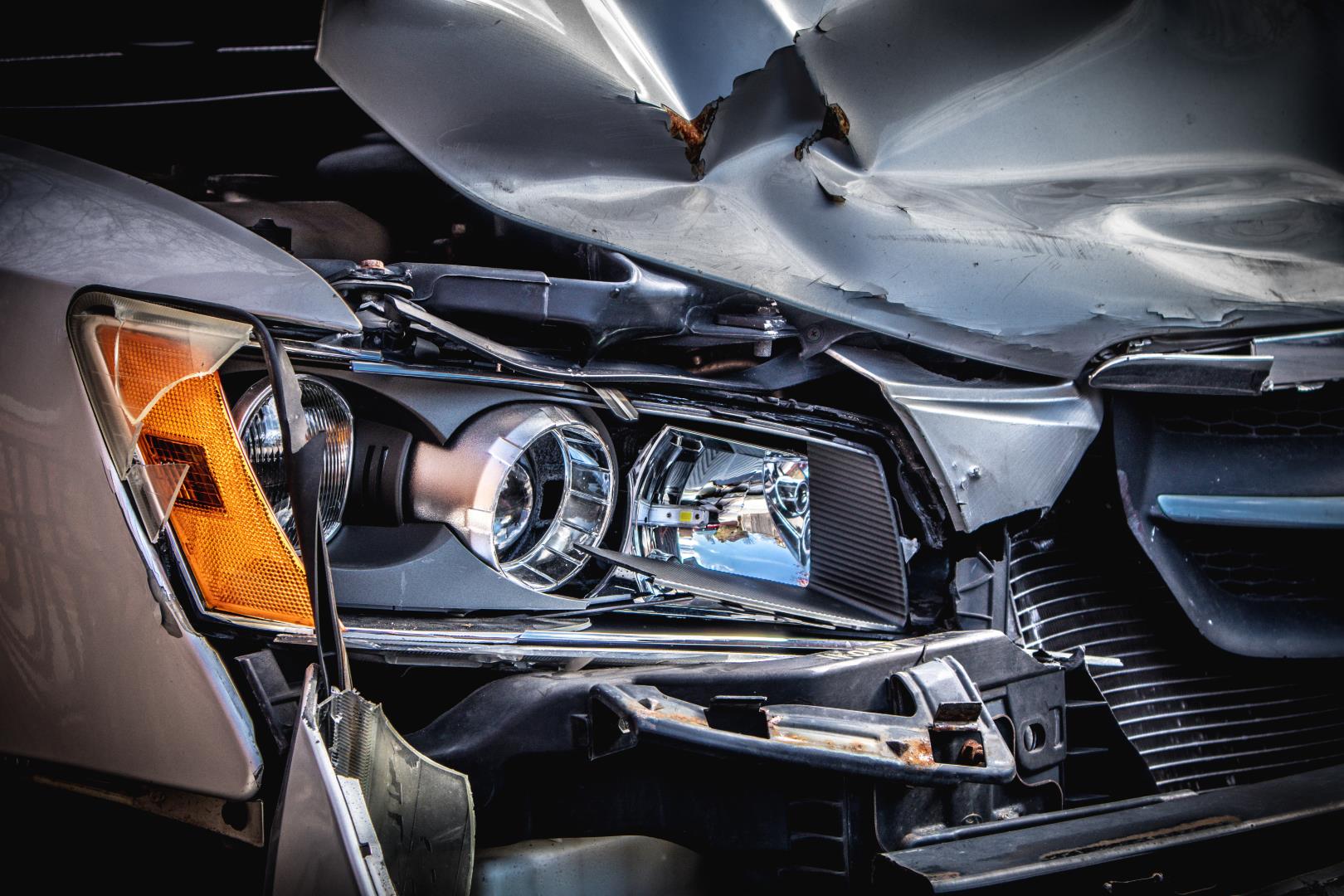
Have you ever seen a vehicle with a tempting list price, but the term 'Code 3' attached to the sales advertisement? In this article, we will tackle this topic and explore the various codes attached to vehicles locally. We have utilised The Code of Motor Salvage (2014) for all information supplied in this article.
Related: Is a car worth less after an accident?
Code 1
This code is attached to new motor vehicles delivered by a dealer to the first owner.
Code 2
This code is attached to a second-hand vehicle with one or more previous owners.
Code 3
These coded vehicles have been built up or are permanently unfit for use. These motor vehicles are Code 1 or 2 motor vehicles involved in an
incident and subsequently declared unfit for use as a motor vehicle. These vehicles may be rebuilt; however, will forever reflect a Code 3
allocation and undergo the stringent procedures set out in the legislation. A motor vehicle is “Built up or Permanently unfit for use” when the extent
of the damage includes structural defects that require substantial repair.

Code 4
These vehicles have been deemed 'Permanently Demolished'. This means that the chassis of a motor vehicle has been compacted, compressed, melted, destroyed or damaged to such an extent that the motor vehicle concerned cannot be made roadworthy, and the chassis cannot be used to build a motor vehicle.
Other considerations
Uneconomical to Repair
This may also be attached to a vehicle, and suggests that the cost of parts, the availability of parts, the repair duration and motor vehicle rental costs or other costs associated with the repair are high concerning the vehicle's value. The status of the motor vehicle will not be altered. Therefore, in the insurer’s discretionary opinion, the motor vehicle is uneconomical to repair but structurally sound, subject to specific agreement between the relevant bank and insurance companies.
Dealer Stock
This is when motor vehicles are exempt from licencing and registered in the name of the insurance company or the salvage agent; as the titleholder of the motor vehicle, it is referred to as 'dealer stock', which must take place per the indications in the relevant sections of this Code. The following is agreed upon:
-The insurance company takes responsibility for dealer stocking.
-The insurance company will implement dealer stocking itself, oversee the process thereof, or contract another party, such as a salvage agent, to dealer stock.
-The insurance company will decide whether the dealer stocking will take place in the name of the insurance company, or the name of a third party, i.e. a salvage agent, as per relevant legislation and regulations and contracts in place.
-The insurance company will contract the third party (salvage agent) according to the above-mentioned decisions.
-The insurance company will undertake regular audits to ensure that the actions agreed to in the contract with the third party (salvage agent) are being implemented.
-The insurance company will ensure that the correct audit trail exists.


