Does anyone want an electric Ferrari? Meet the Ferrari Luce
For decades, the soul of a Ferrari has been defined by the scream of a V12 or the bark of a V8. So, when Maranello announced it was going full electric, the "Ferraristi" held their collective breath. Now, we have an answer to what that future looks like.


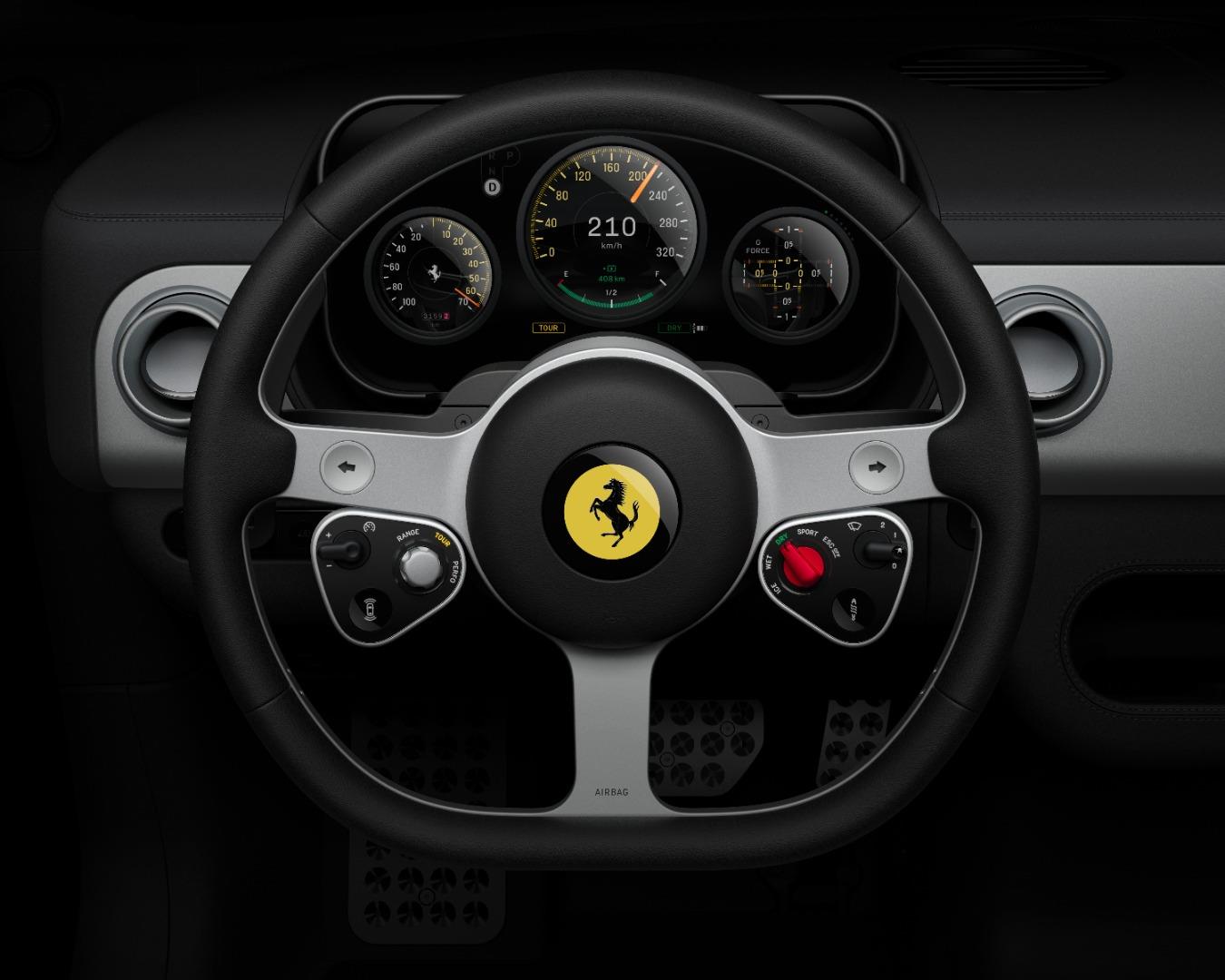
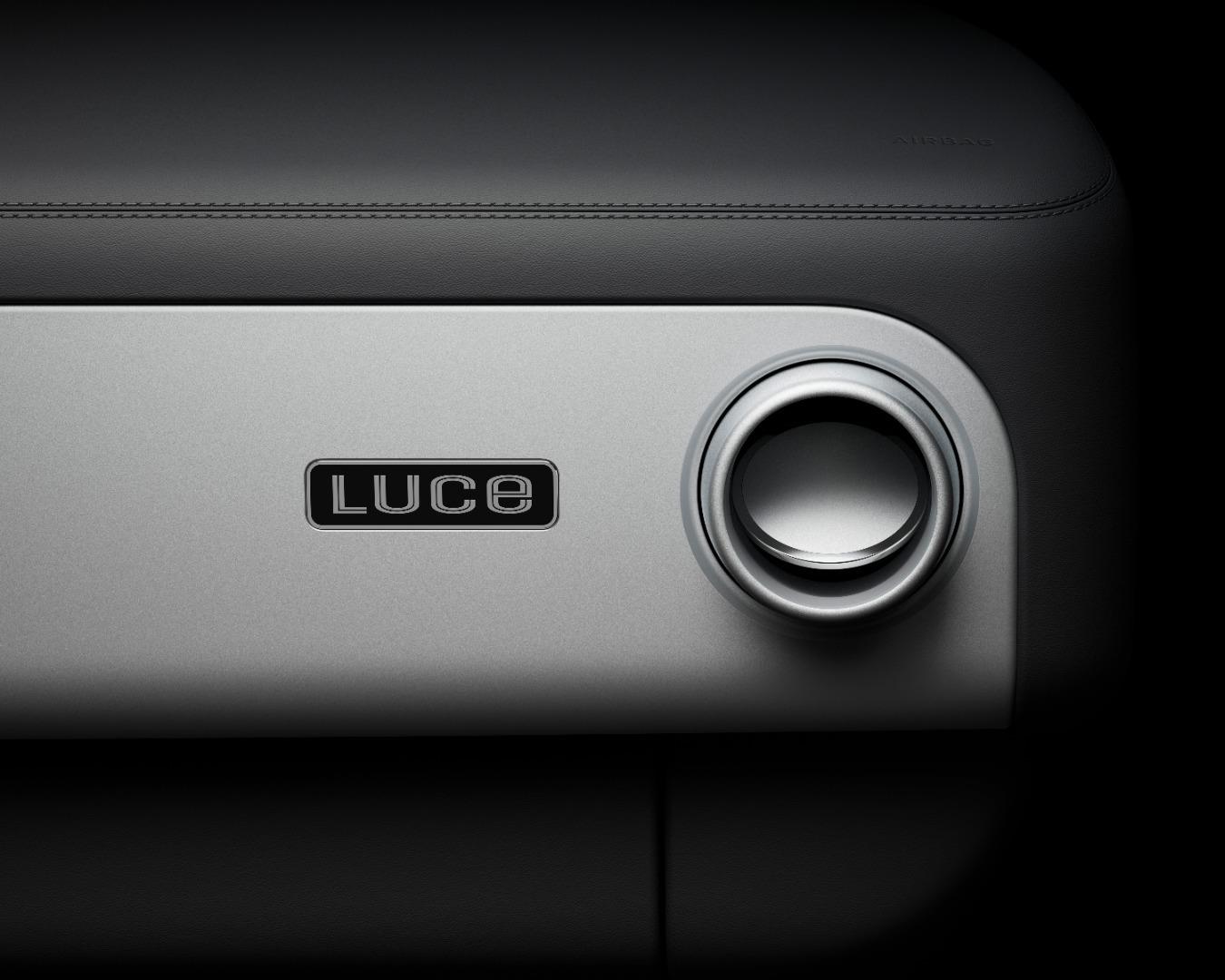
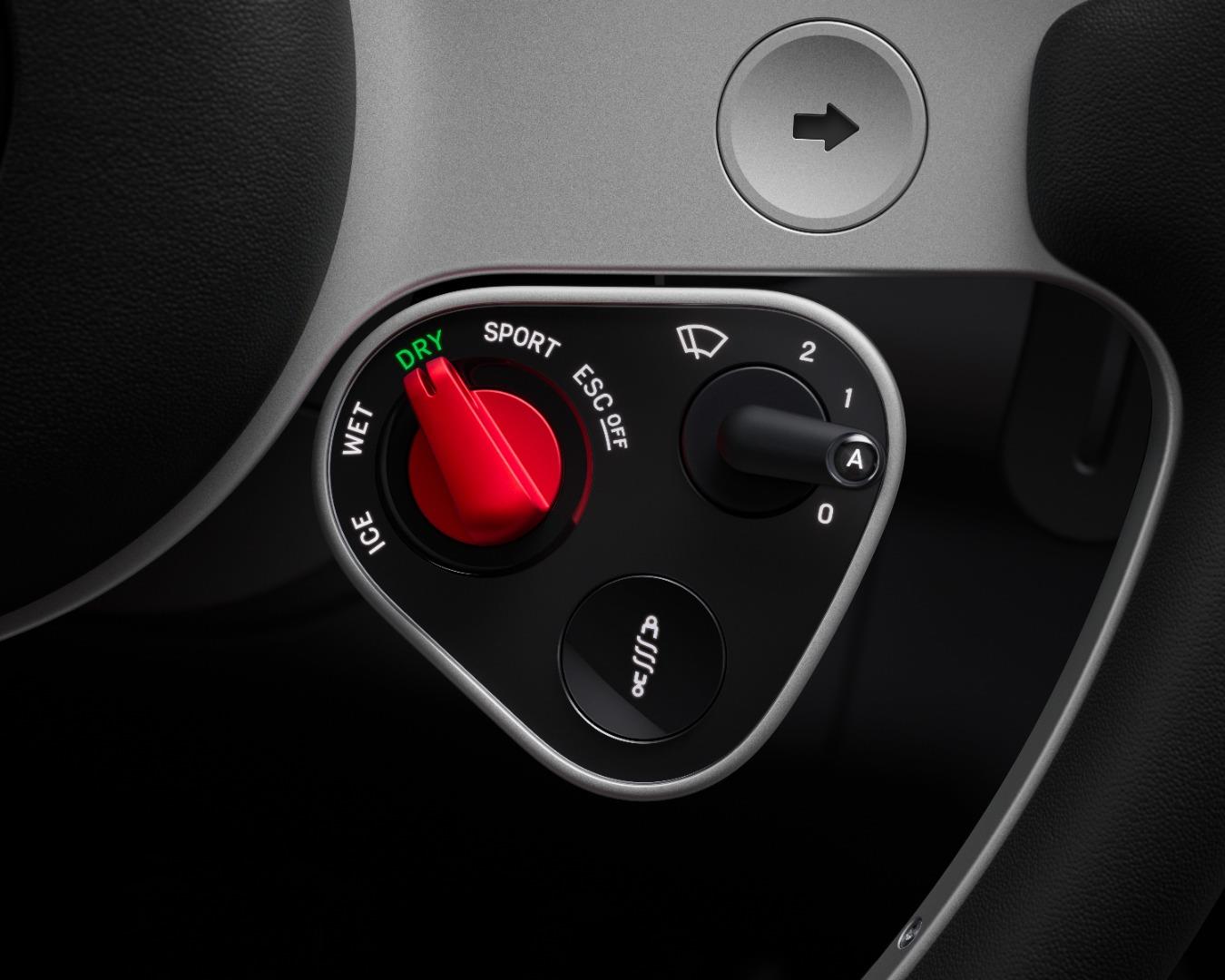
Ferrari has officially unveiled the name and interior of its first-ever full-electric sports car: the Luce.
Hosted in San Francisco, the reveal marks a collaboration five years in the making with LoveFrom, the creative collective founded by legendary former Apple designer Sir Jony Ive and Marc Newson.
"Luce": A Philosophy of Light
In Italian, Luce means "Light.", a word never associated with electric cars. Ferrari insists this isn't just a label for a new powertrain; it’s a "vision where design, engineering, and imagination converge." While some feared a silent Ferrari might lose its character, the Luce aims to replace the roar of an engine with "silent energy felt in every fibre." That remains to be seen, but one thing is for sure: the value of your V12 Ferrari just went up after reading that sentence.
The naming strategy highlights the Luce as a permanent, significant addition to the Prancing Horse line-up, rather than a mere experimental side project.
The Interior: Apple Meets Maranello
The collaboration with Jony Ive is immediately apparent in the cabin. Moving away from the button-heavy cockpits of recent years, the Luce embraces a "Single Clean Volume" philosophy.
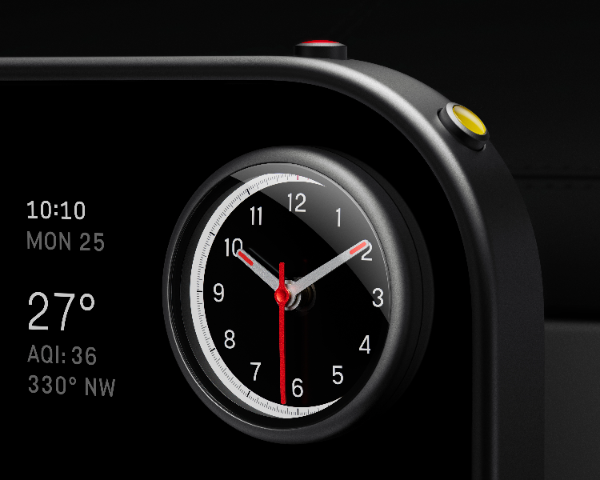
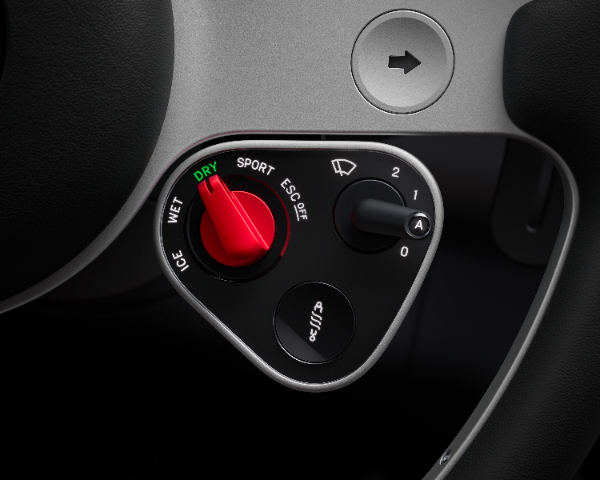
Tactile over touch: In a refreshing move for an EV, Ferrari and LoveFrom have prioritised physical controls. Many functions are operated via precision-engineered mechanical toggles and switches rather than menus on a screen.
The "Analogue" digital dash: The driver’s binnacle features a multi-layered display. It uses stacked OLED panels and a physical needle to create a 3D effect, offering a digital reinterpretation of classic aviation dials.
Cutting-edge materials: The interior features 100% recycled aluminium machined from solid billets and Corning Gorilla Glass for the interfaces, ensuring the cabin feels as durable as it is luxurious.
The Ritual: Even starting the car is theatrical. The glass key features an E-Ink display (think Kindle) that glows yellow; when docked into the magnetic centre console, the light "transfers" into the car’s shifter to symbolise the "transference of life."
Performance
While this reveal focused on the "soul" and design, the hardware underneath is purely Maranello:
Power: Around 745kW from a quad-motor setup.
Acceleration: 0–100 km/h in under 2.5 seconds.
Range: Approximately 530 km (WLTP) from a 122 kWh battery.
Top Speed: 310 km/h.
Fighting depreciation
Predicting the depreciation of the first all-electric Ferrari is a fascinating exercise in balancing "The Ferrari Effect" against the "EV Gravity" that has pulled down the resale values of almost every other high-end electric car.
While most EVs depreciate like consumer electronics, Ferrari operates under a different set of economic rules. Here is how the battle between brand prestige and battery technology is likely to play out.
The "EV Gravity" Factor
Historically, luxury EVs have been depreciation disasters. The Porsche Taycan, for instance, typically retains only about 41% of its value after five years, whereas its internal combustion sibling, the 911, retains over 80%.
Obsolescence: In the EV world, next year’s battery is always lighter and faster. This "iPhone-on-wheels" effect makes older models feel dated quickly.
Battery Anxiety: Second-hand buyers fear the massive cost of a replacement battery once the warranty expires.
Ferrari's plan
Ferrari is aggressively fighting this trend with a strategy they call "Value Protection." To prevent the Luce from tanking, they are implementing several unique measures:
Battery subscription service: Ferrari is introducing a programme (estimated at R120k/year) that guarantees a new battery every 8 years, regardless of health. This essentially "de-ages" the car, removing the biggest fear for used-market buyers.
Artificial scarcity: Unlike Porsche, which produced tens of thousands of Taycans, Ferrari will strictly limit Luce production. Ferrari's business model relies on demand always exceeding supply by at least one car.
Tactile heritage: Interestingly, the Luce (revealed Feb 2024) moves away from "screen-only" interiors. It features high-quality, physical mechanical controls—designed by Jony Ive’s firm, LoveFrom—to ensure the interior feels timeless rather than an outdated iPad in ten years.
The Comparison: Hybrid Precedent
We can look at Ferrari’s recent hybrids, the SF90 Stradale and the 296 GTB, for clues. Early data shows they are depreciating faster than traditional naturally aspirated V12 models (like the 812 Superfast), but they are still outperforming almost every other brand on the market.
| Feature | Typical Luxury EV | Ferrari Luce (Estimated) |
| 3-Year Retention | 45% – 55% | 80% – 85% |
| Primary Driver | Technology/Utility | Exclusivity/Emotion |
| End-of-Life View | Recyclable Tech | Collectible Asset |
If you compare it to a Ferrari F40 or a 250 GTO, the Luce will likely be a "bad" investment because it lacks the mechanical soul and "forever-engine" appeal that collectors crave.
However, compared to a Tesla Roadster or a Porsche Taycan, the Luce will likely be a strong value holder in the EV segment. It won't "fall off a cliff," but it likely won't appreciate as much as a limited-run V12. Expect a "U-shaped" curve: a 15–20% initial drop, a decade of stability, and then a slow rise once it becomes a "historic" milestone as Ferrari's first-ever EV.
The Verdict
The Ferrari Luce isn't trying to be a Tesla competitor; it's trying to redefine what a luxury lifestyle sports car can be in a world without petrol. By bringing in the minds behind the iPhone to design the user experience, Ferrari is betting that best-in-class thrills now include how a car feels to touch and interact with, not just how it sounds at 9 000 r/min.
The full exterior reveal is expected in Italy this May. Whether the South African market—notoriously loyal to the internal combustion engine—will embrace a silent Prancing Horse remains the multi-million-rand question. Personally, I think we already have an answer here: the brand will simply make purchasing the Luce an essential stepping stone for clients to buy more limited-run models, so it's not really a case of who wants the Luce, but rather who wants another special edition Ferrari.