
Datsun Go vs Renault Kwid vs Hyundai Grand i10: which one has the lowest running costs?
Datsun’s Go is one of the most affordable hatchbacks on the South African market. Here we compare running costs with the even more affordable Renault Kwid and the pricier but more solid Hyundai Grand i10.



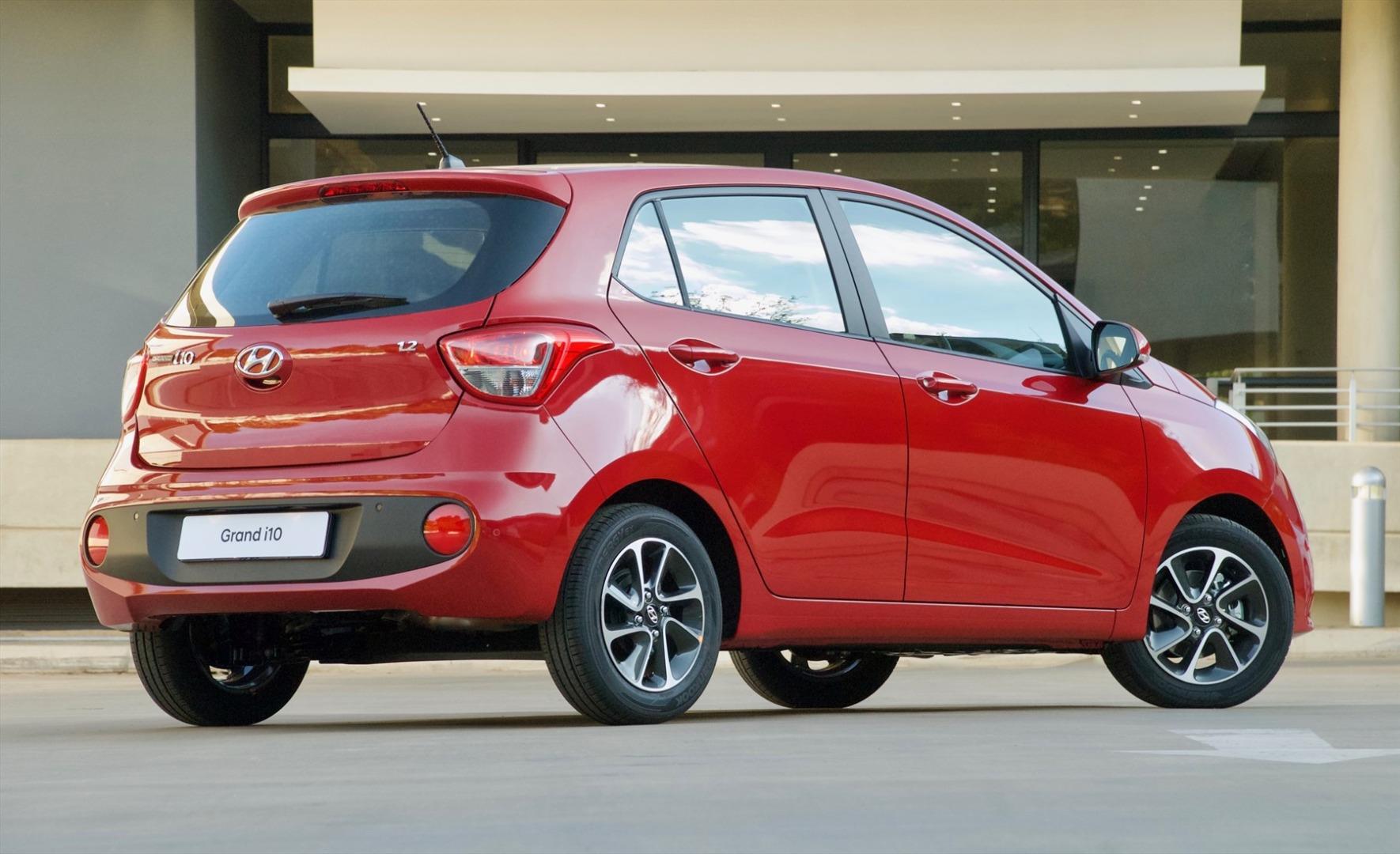
The Datsun Go was launched here a few years ago following parent company Nissan promising to launch the brand at a cost of under R100 000. That was in 2015 , and since then both household and motoring costs have spiralled. The cheapest Datsun Go, the 1.2 Mid model, now costs R159 900.
The Go’s reputation was dented somewhat soon after its launch with poor crash test results, but since then Nissan’s Datsun division offers all Go models with dual airbags as standard, as well as ABS braking. At the same time Datsun relocated the handbrake to a sensible position between the front seats.
Related: Datsun Go+ Panelvan - Video review
What about the Go’s competition?
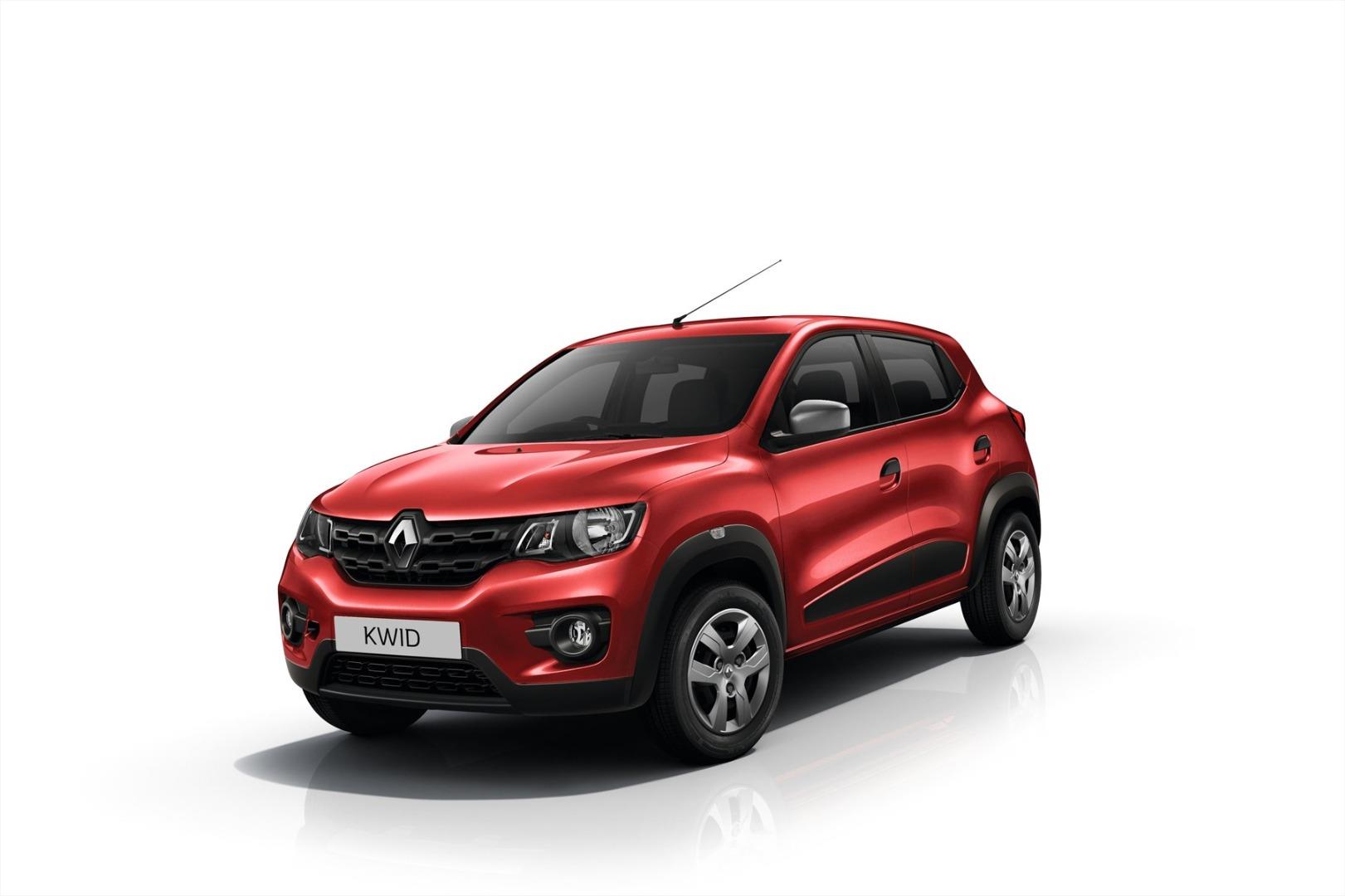
The Datsun Go is a cheerful little car and has sold reasonably well, sometimes notching as high as 700 sales in a single month here. However, the biggest thorn its side has been Renault’s Kwid, an even more-affordable car launched just over a year after the Go came on the scene.
Related: VIDEO REVIEW: Renault Kwid 1.0 Dynamique
Free insurance for one year
Since its 2016 launch, the Kwid has built huge sales momentum, thanks to Renault’s masterstroke of offering first time buyers free insurance for the first year of ownership.
Since then Datsun has responded with a similar scheme for the Go, but the Kwid has maintained its sales edge. It regularly tops the 1 000 units per month mark. This is despite road testers generally lambasting the car for poor open-road handling and a flimsy build-quality.
Recently Renault introduced ABS braking on all Kwid models but it still only has one airbag for the driver. However a new revised Kwid is expected to launch shortly which is expected to address at least some of these criticisms.
Related: 9 out of (Grand i)10 (Review)
The Hyundai is a big step ahead in quality
Both the Go and the Kwid are lightweight cars, cheaply constructed, with not too much in the way of body shell rigidity. This is not the case with the third car in this running cost comparison, the Hyundai Grand i10. Small it may be, but it has an admirably rigid body shell and its fittings are generally of a higher quality than both the Kwid and the Go. The same goes for its road-holding.
We include the Hyundai Grand i10 in this running cost shoot-out, as it provides a good perspective on what a truly well-sorted car in the same size category costs, and what the running costs are likely to be.
List price comparison
The pricing of these cars is a significant factor. Finance charges make up a large portion of the monthly spend on the car, and here the Renault Kwid has an advantage as it is the cheapest car by some way. We chose the base models in the range from each manufacturer for this comparison. The Renault Kwid 1.0 Expression sells for R140 900. Next up is the Datsun Go 1.2 Mid at R159 900, and the most expensive is the Hyundai Grand i10 1.0 Motion at R171 900.
Datsun Go cost factors vs competitors
Datsun Go 1.2 Renault Kwid 1.0 Hyundai Grand i10 1.0
| Price: | R159 000 | R140 900 | R171 900 |
| Engine power/torque | 50 kW/104 Nm | 50 kW/01 Nm | 48 kW/ 94 Nm |
| Monthly HP costs | R3 160 | R2 800 | R3 390 |
| Fuel consumption: | 5,2 l/100 km | 4,9 l/100 km | 5,4 l/100 km |
| Tyre size | 165/70 R14 | 155/80 R13 | 165/65 R14 |
| Service parts basket | R2 047 | R3 023 | R4 350 |
| Repair parts basket | R8 846 | R11 223 | R15 904 |
| Service intervals | 15 000 km | 15 000 km | 15 000 km |
| Service plan: | optional | no | no |
| Warranty: | 6 years/150 000 km | 5 years/100 000 km | 5 years/150 000 km 200 000 km drivetrain |
Notes on comparison items
- The biggest cost of ownership is the finance repayment. An extra R10 000 or R20 000 on the list price adds a lot to your overall repayment costs. Monthly HP repayments on these cars listed here figure a yardstick of a 10 per cent deposit, a prime interest rate, and a repayment period of five years (60 months)
- Insurance costs can be high and should be factored in as a running cost. Even though the Go and the Kwid offer free insurance for the first year, there will be insurance costs down the line. We don’t list insurance charges as they vary too widely depending on specific situations.
- Tyre sizes are listed, as smaller tyres are generally cheaper than wider, bigger diameter tyres. Tyres typically last well over 50 000 km, but if one is damaged it will have to be replaced earlier..
- Spares basket prices refer to items likely to be replaced at a service. These are courtesy of the AA Kinsey Report 2019.
- Repair basket prices refer to costs of typical items that may fail if the car has mechanical problems. Again these prices are courtesy of the AA Kinsey Report 2019.
So which car wins?
- As they enjoy very similar levels of moderate performance, fuel consumption is not likely to vary much between the three. Tyre sizes are, again, modest across all three models.
- The Hyundai is the most expensive car to buy by some margin and its parts baskets are also the most expensive. However, Hyundai’s come with the best warranty of these cars in this respect, as they offer a seven-year/200 000 km drive-train warranty, over and above the normal five-year warranty that covers the car as a whole. None of them come with a service plan.
- The Hyundai is also likely to retain a better re-sale price than the Kwid or the Go, because it is built of higher-quality materials. The Go wins the parts basket competition by some margin, but with servicing only done every 15 000 km, his advantage very much depends on the mileage covered.
- So, on sheer running costs the Renault Kwid just shades this competition, thanks to its lower finance costs and marginally better (theoretical) fuel consumption.
However, if it was peace of mind we were judging, as well as the most enjoyable driving experience, we would go for the Hyundai, even with its higher purchase price.