Claimed vs Real-World Fuel Economy: SA's Best Performers Tested
Trying to find a car that will help you get through the fuel price crisis? We have assembled a list of non-NEV and some New Energy Vehicles from a variety of manufacturers that return rather impressive fuel consumption figures.


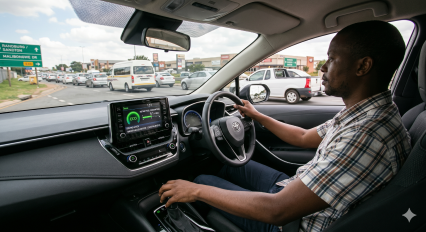
Fuel economy has become one of the biggest deciding factors for South African car buyers. With fluctuating fuel prices and long commuting distances in cities such as Johannesburg, Cape Town and Durban, motorists are paying closer attention to how much their cars actually consume, not just what the brochure claims.
The problem is that manufacturer fuel figures are tested under ideal laboratory conditions. In reality, South African drivers deal with traffic, high-altitude driving, rough road surfaces, air-conditioning use and stop-start commuting, all of which increase fuel consumption. Many vehicles consume 10% to 15% more fuel in real-world driving than official claims suggest.
Related: Beating the South African fuel price: A guide to being more frugal
Non-NEV best performers tested
With fuel prices rising, especially amid such big increases, more people are searching for new energy vehicles such as hybrids, plug-in hybrids, and battery-electric vehicles. But for some, a conventional combustion configuration, whether turbocharged or naturally aspirated, remains preferred. So we have collated a list of these models, which are frugal and have gotten rather close to their manufacturer-claimed average fuel consumption figures.
Hatchback
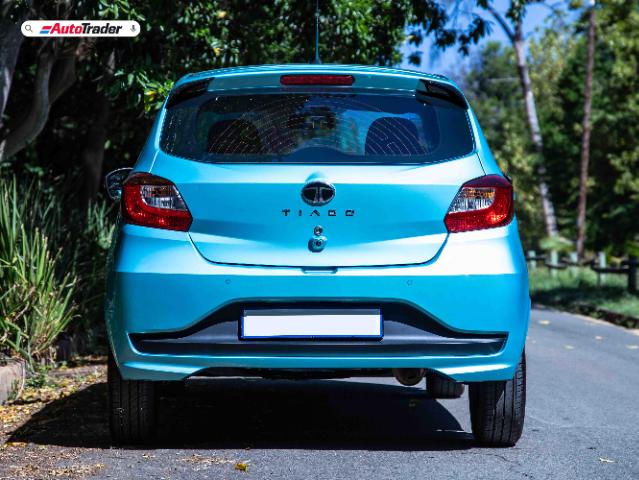
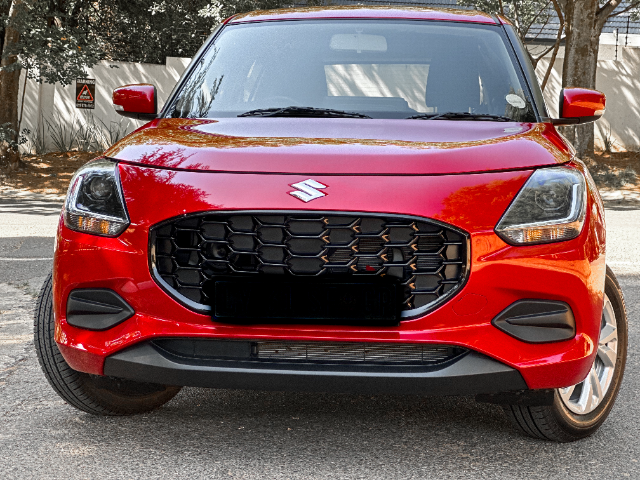
If you need a small runaround, the Suzuki S-Presso, Renault Kwid, or Tata Tiago may interest you. With small and light bodies and frugal little 3-cylinder motors, you will be able to zip around town without using much fuel. In fact, Tayedza recently tested the Tata Tiago and averaged around 5.8 L/100km, which is rather close to the claimed 5.0 L/100km. Read more about the Tata Tiago here. For something a little larger, perhaps the Suzuki Swift will suffice? When Sean Nurse reviewed the Suzuki Swift GL+, which you can read here, he achieved an average fuel consumption of around 5.2 L/100km, while Suzuki claims 4.4 L/100km.
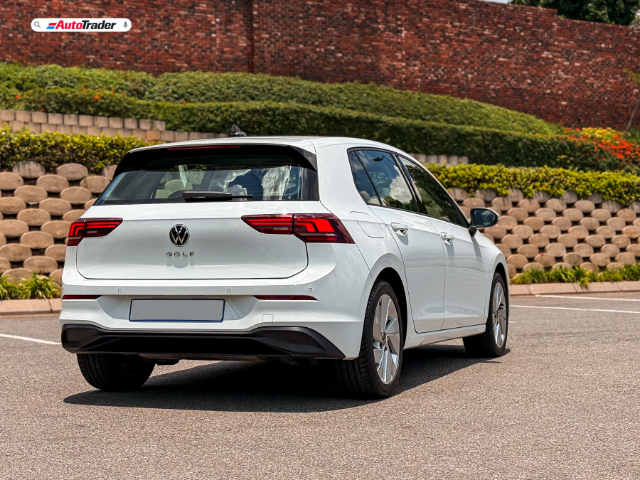
Want something a little more premium? We had a Volkswagen Golf 8.5 long-term test vehicle, which was shared by the entire team. This time, Chad Lückhoff tested to see how low he could get the average fuel consumption, and while Volkswagen claimed a modest 6.3 L/100km, Chad managed to get it down to 6.1 L/100km. Read more about the Volkswagen Golf 8.5 Life Plus here.
Crossover/SUV
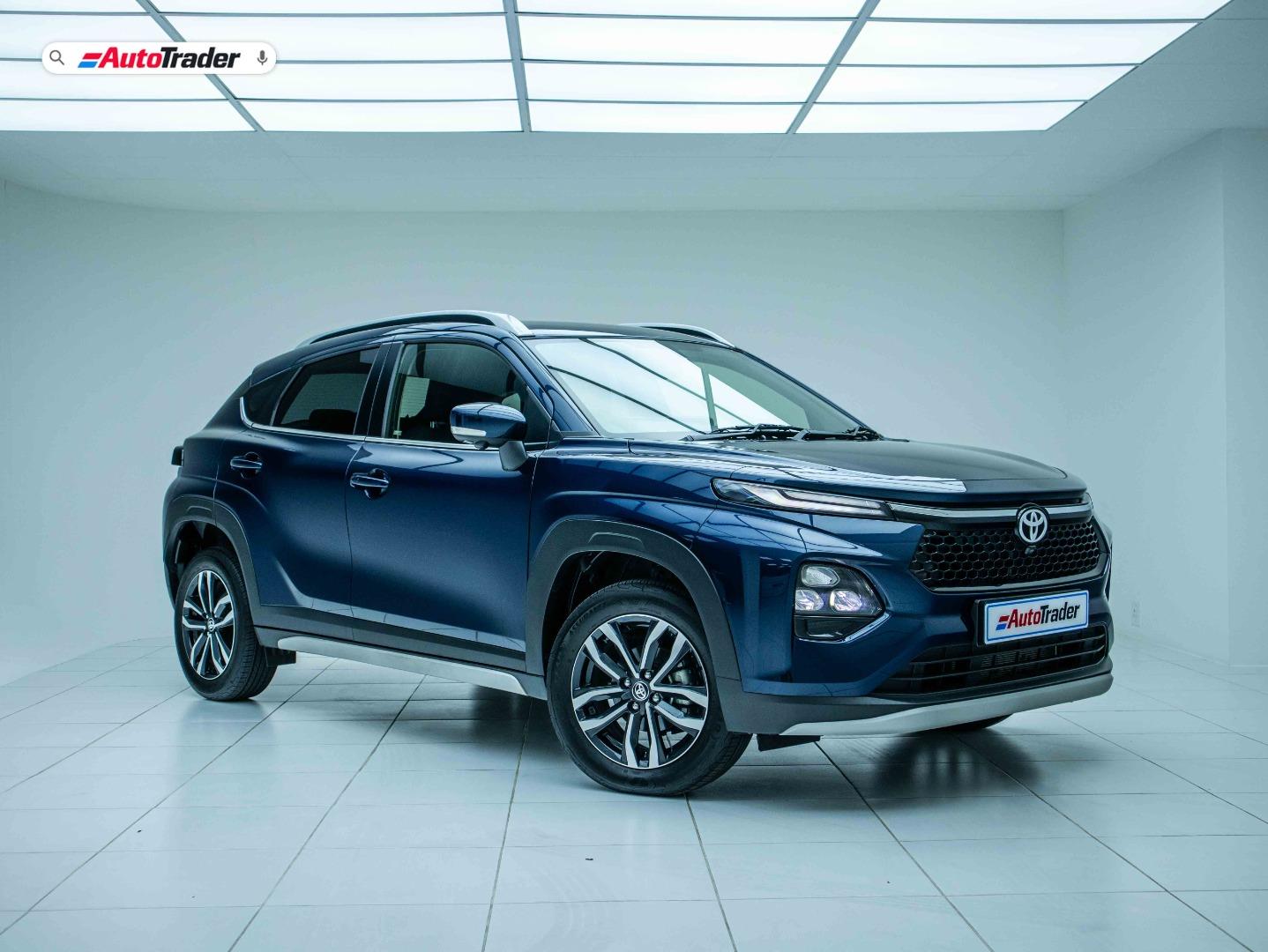
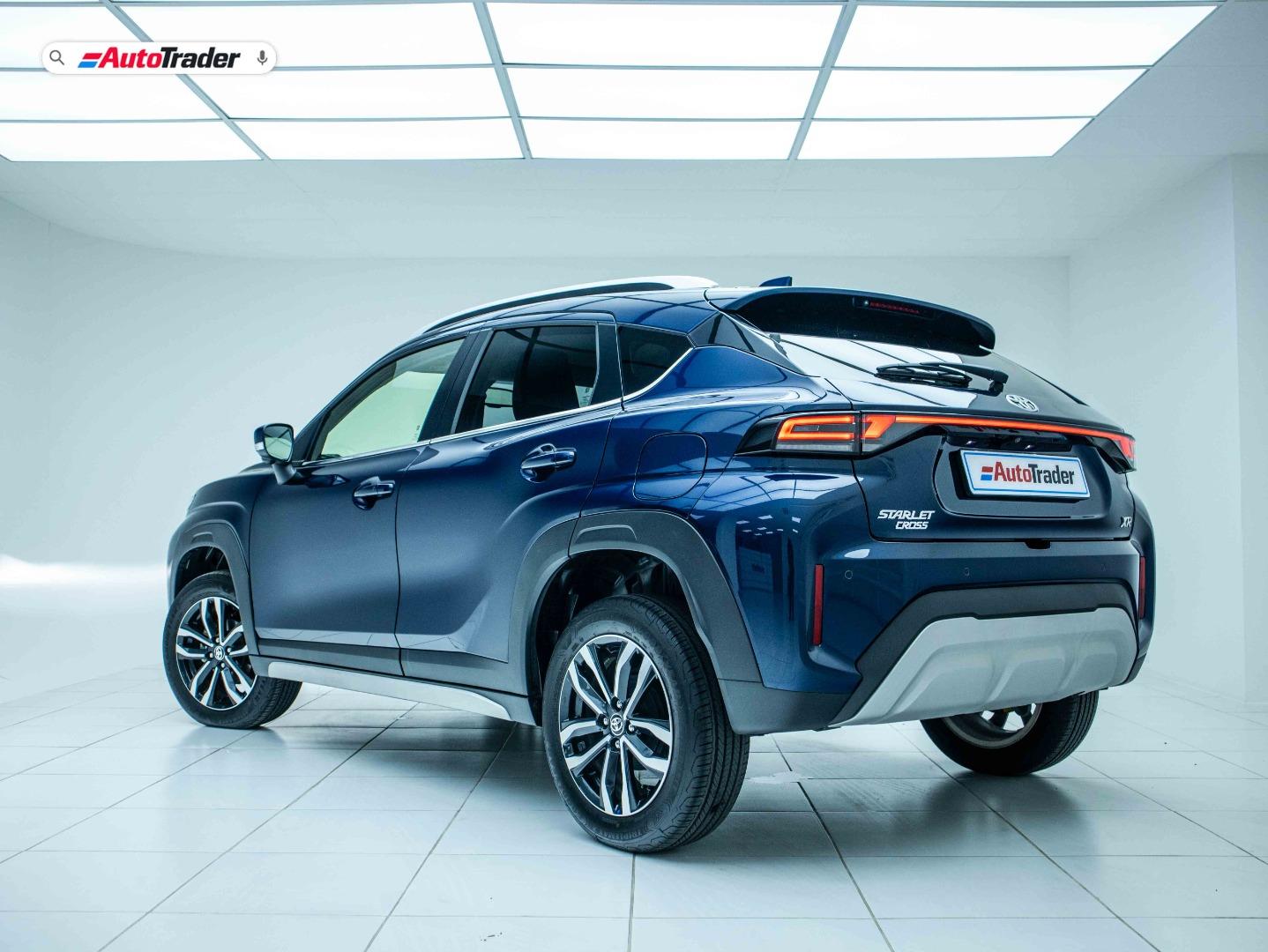
More OEMs are adopting hybrid technology to make their crossovers and SUVs more frugal, but a few still rely on more traditional naturally aspirated and turbocharged configurations. Take, for instance, the Toyota Starlet, which Tayedza tested. It has a claimed average fuel consumption figure of 5.8 L/100km, but Tayedza managed a little closer to 6.7 L/100km, which is still admirable. Watch the Toyota Starlet review here. If you prefer the styling of the Mahindra XUV 3XO, Lawrence Minnie managed a rather frugal 5.9 L/100km driving in ECO mode. Read more about the XUV 3XO here.
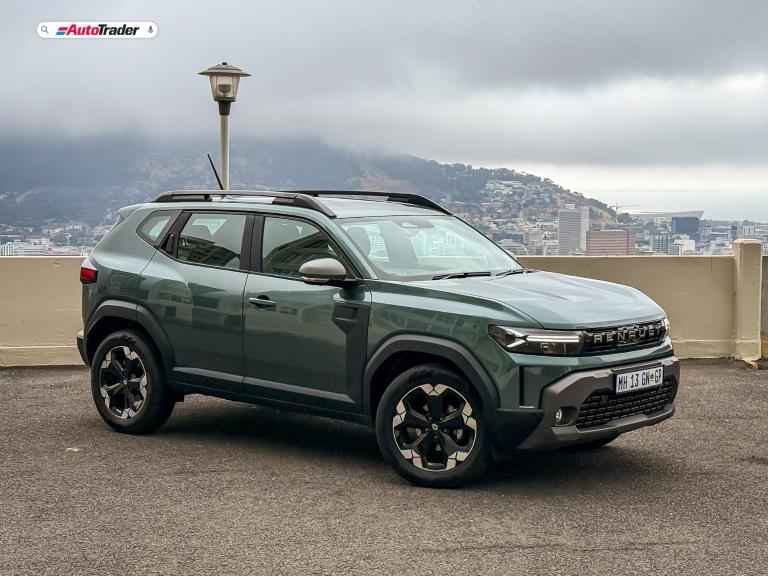
Perhaps you want to step it up in size. The recently introduced Suzuki Across 1.5 GL in manual guise returned a rather frugal 6.0 L/100km for Tayedza, and that wasn't all he liked about the Japanese SUV. Read more about the Across here. But where does the Renault Duster stand? Even though the range no longer offers the frugal 1.5 dCi diesel motor, the latest Renault Duster in 1.3T Intens guise still managed a rather impressive 6.4 L/100km during Chad Lückhoff's test. Why not learn a little more about the Renault Duster here?
NEV best performers tested
As alluded to earlier, OEMs are shifting their focus to hybrid and battery-electric vehicles. Automakers from the far east have been leading the charge in this category with a host of their new ranges featuring hybrid and plug-in hybrid variants.
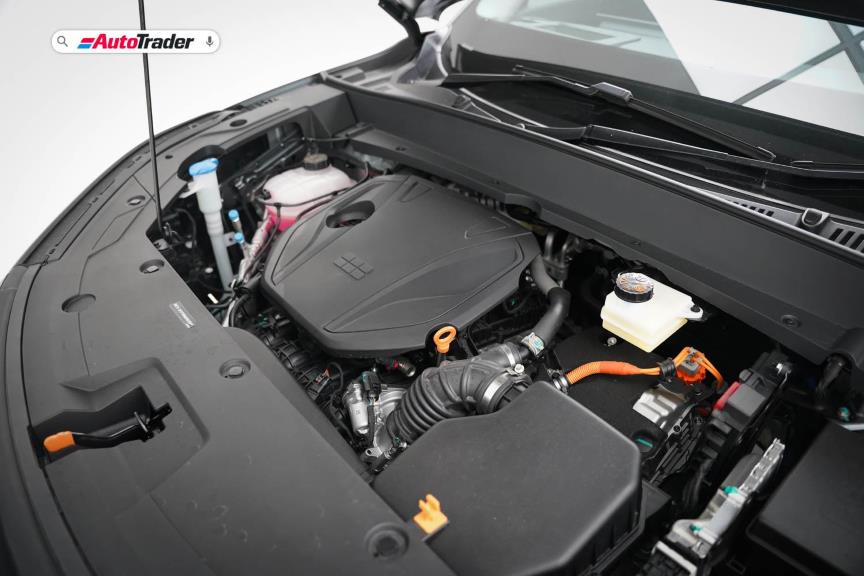
Hatchback
While the most affordable hybrid hatchback currently in SA is the MG MG3 model, with a claimed fuel consumption figure of 4.3 L/100km, we are yet to test this for ourselves. We, however, did test the Honda FIT e:HEV, which had a claimed average fuel consumption figure of 3.7 L/100km. The lowest average consumption Tayedza managed was around 4.0 L/100km, but there are many other areas where the Honda Fit HEV excels. Read more about the hybrid Honda Fit here.
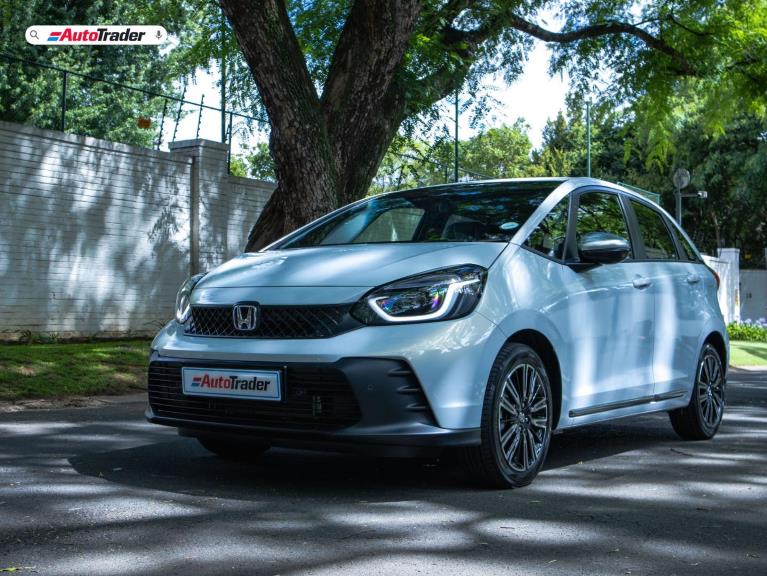
Crossover/SUV
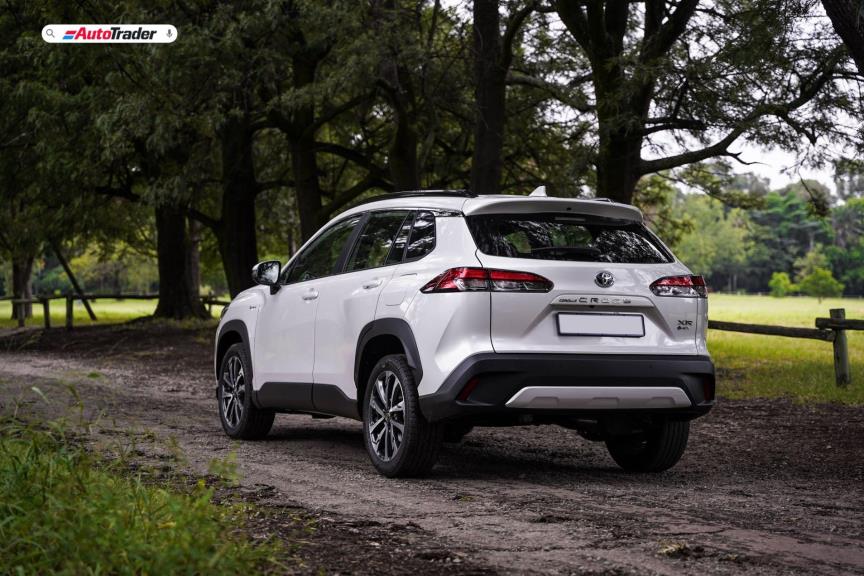
But the most affordable hybrid vehicle in SA at the moment is the Chery Tiggo Cross 1.5 CSH Hybrid Comfort, coming at R 439 900. Chad, on the other hand, grabbed the keys to the more premium derivative in the Elite trim and while Chery claims an average fuel consumption figure of 5.4 L/100km, Chad got it returning 4.9 L/100km. See what else you get with the Tiggo Cross here. But what about the more established brands? Toyota recently added hybridised derivatives of the Corolla Cross, and when Chad was behind the wheel, he managed to register around 5.6 L/100km, which wasn't too far off the claimed 4.3 L/100km. Find out what Chad thought of the Toyota Corolla Cross Hybrid here.
Next is a car that truly started conversations among the journalists here in the office: the Geely E5 EM-i. Not only did it impress with its build quality, but Lawrence also managed to return an average fuel consumption of 0.00 L/100km through charging the car daily. Learn more about how the Geely E5 EM-i achieved this figure here.