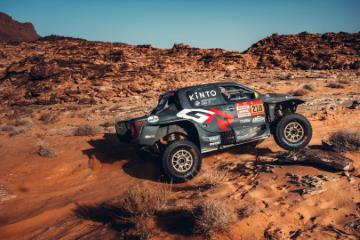
Bakkie Wars: The Battle for South Africa’s Light Commercial Crown
In South Africa, a bakkie is not just a vehicle; it is a cultural cornerstone, a financial barometer, and a trusted business partner. The Light Commercial Vehicle (LCV) segment—dominated aggressively by one-tonne bakkies—accounts for up to a third of all monthly new vehicle sales nationwide. It is a highly lucrative, fiercely contested space where brand loyalty is passed down through generations.

The battleground has reached a boiling point. The traditional “Big Three” have all launched either heavily updated or entirely refreshed models within a two-month window. At the same time, a fascinating sub-plot is unfolding: Chinese brands, which have completely re-engineered the passenger car market, are throwing everything they have at the LCV segment—yet they face a far steeper hill to climb.
The clash of the titans
If you want to understand how intense the local bakkie market is, look no further than the recent rapid-fire product updates from Toyota, Ford, and Isuzu.
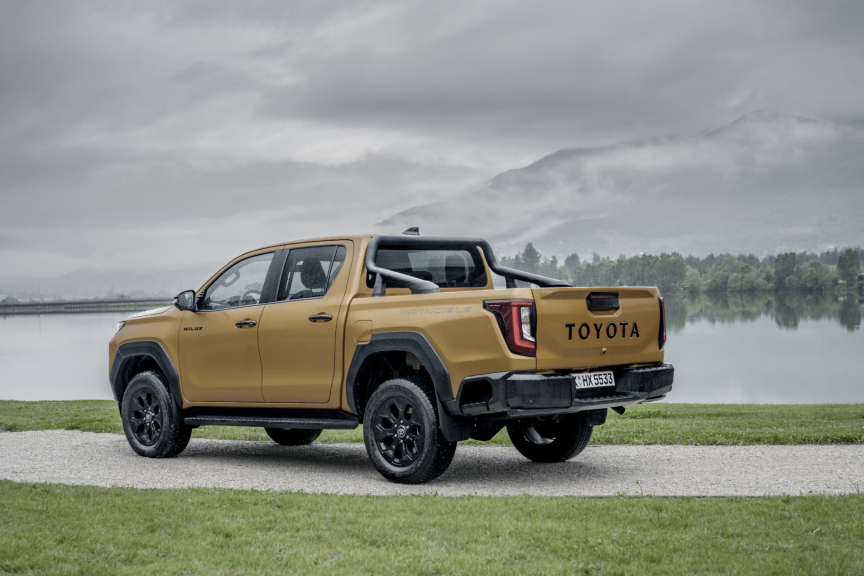
1. Toyota Hilux
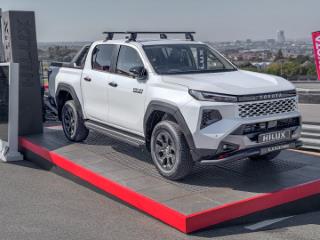
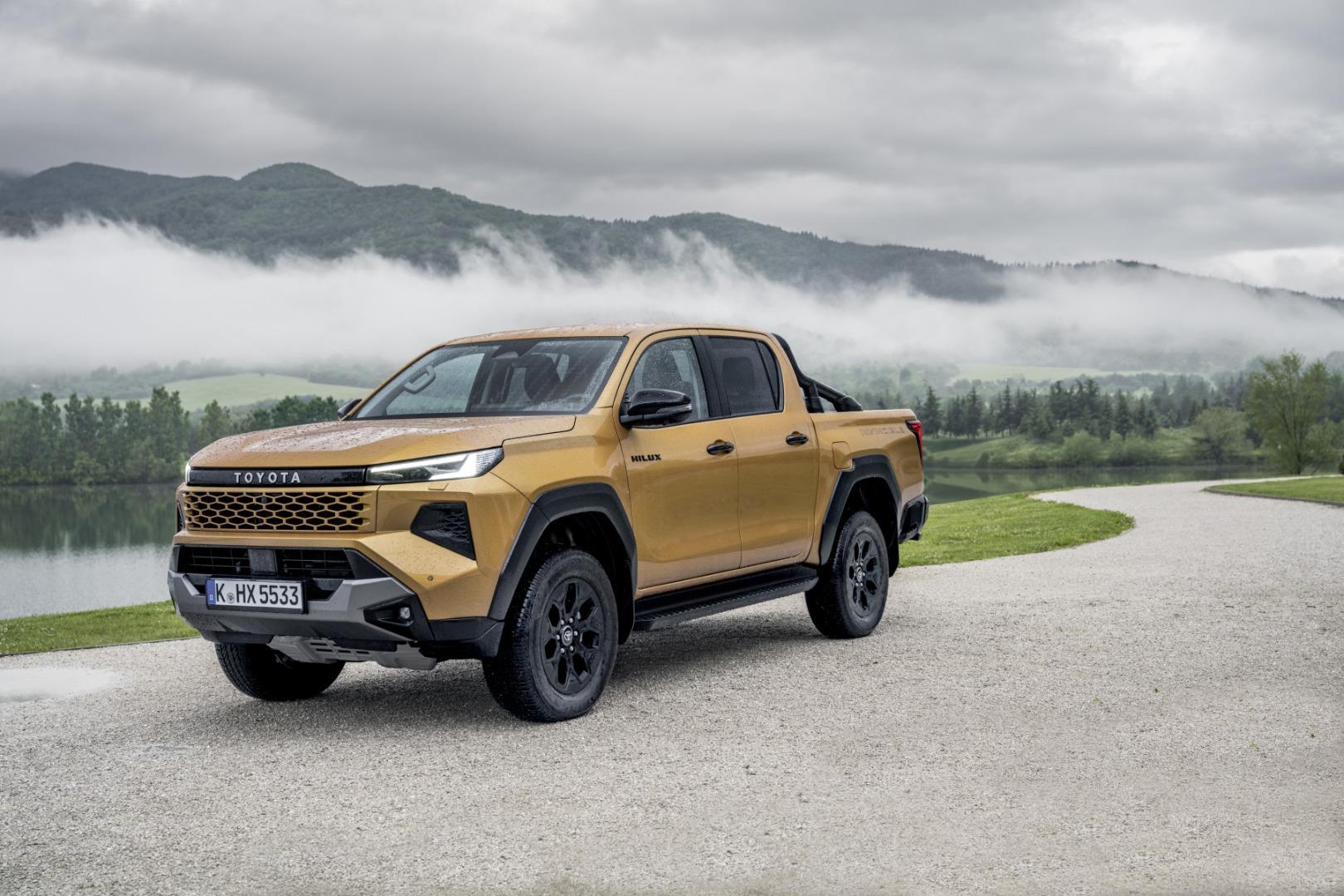
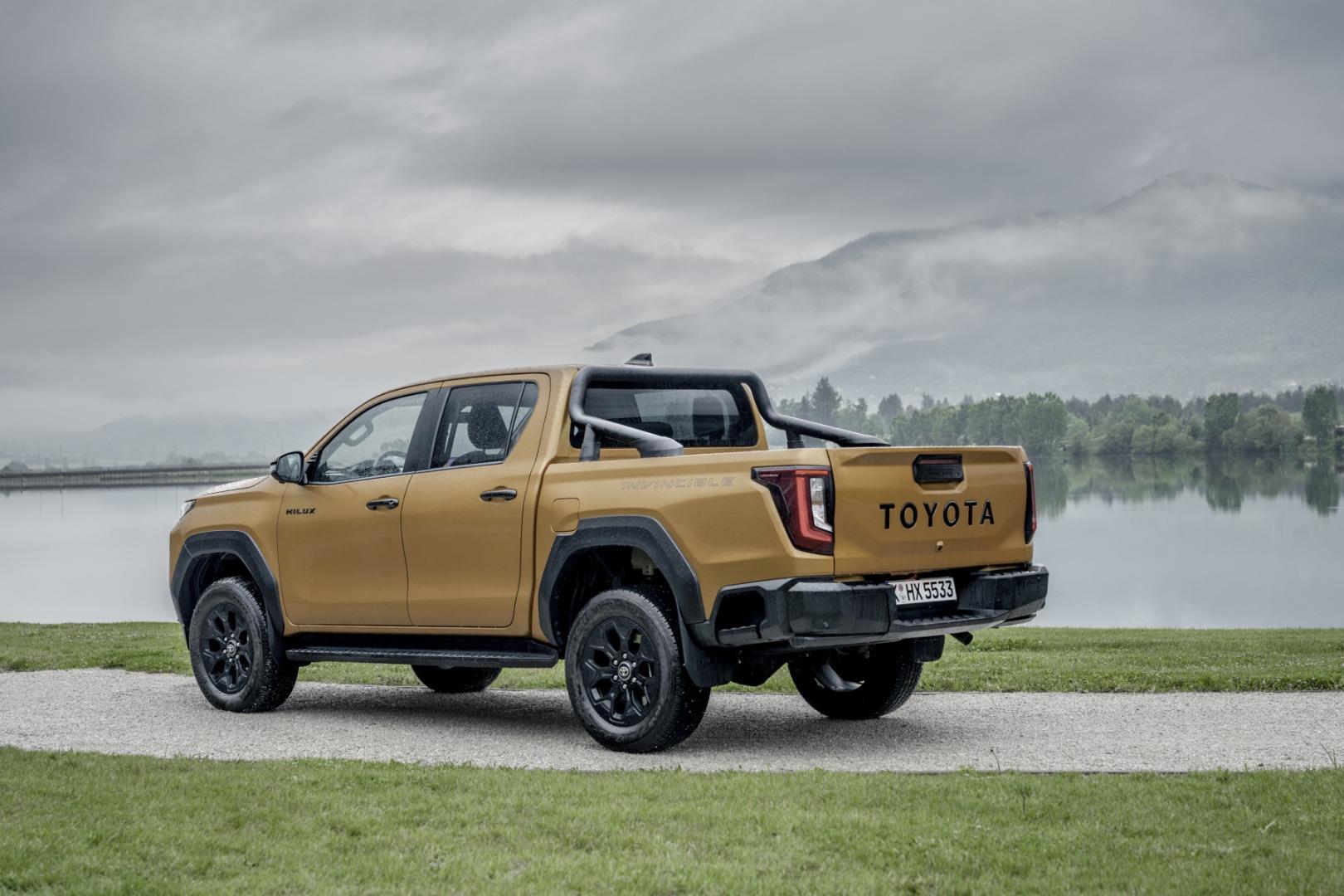
Toyota didn't just update the Hilux; they unleashed the highly anticipated ninth-generation model. Built locally at Prospecton, the new Hilux undergoes a dramatic front-end design overhaul inspired by global truck platforms. Inside, the changes are massive: a Land Cruiser Prado-inspired dual 12.3-inch screen layout replaces the ageing dash. Crucially, Electric Power Steering (EPS) debuts to drastically reduce driver fatigue, while the 2.8-litre GD-6 engine receives an optional 48V V-Active mild-hybrid system to smooth out low-speed response and cut fuel consumption.
2. Ford Ranger
Ford has aggressively streamlined its Silverton-built Ranger lineup. In an audacious move, the blue oval has phased out its popular 2.0-litre bi-turbo diesel engine. Instead, Ford is expanding the use of its heavy-hitting 184 kW/600 Nm 3.0-litre V6 turbodiesel and introducing a high-performance 222 kW/452 Nm 2.3-litre EcoBoost petrol engine across mainstream trims, including the new "Sport" grade. Furthermore, the base 2.0-litre single-turbo diesel gets a structural durability upgrade by swapping its wet belt system for a timing chain, while a 10-speed automatic becomes standard across all self-shifting models.
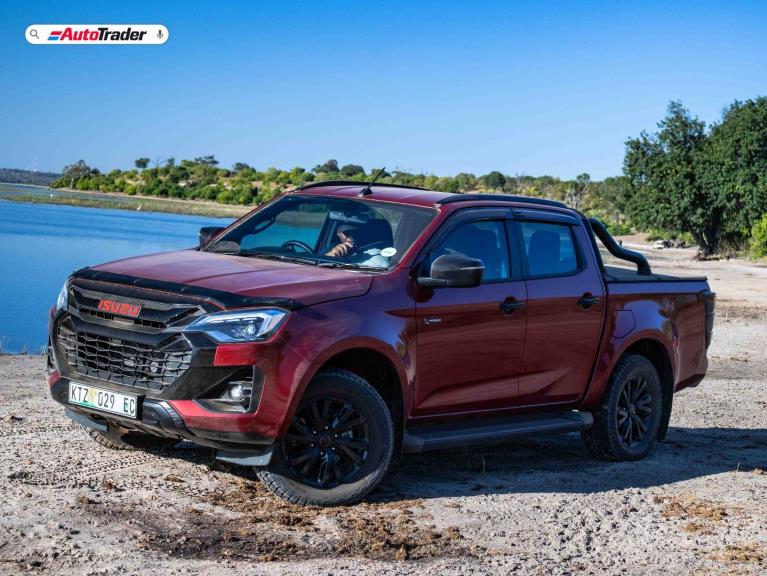
3. Isuzu D-Max
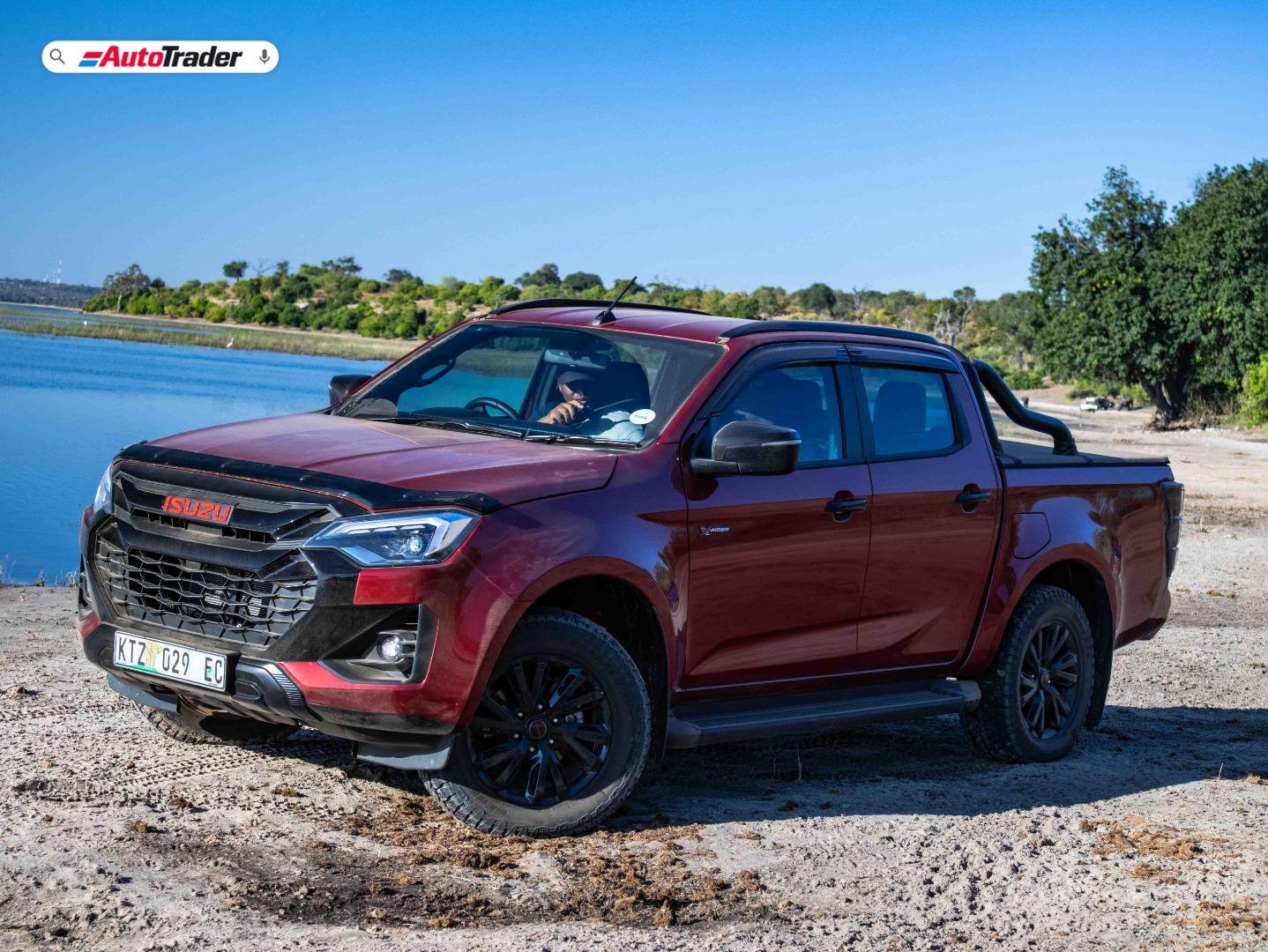
Isuzu completed the trifecta by rolling out its facelifted RG-series D-Max from its Struandale plant. Mirroring updates seen in global markets, the local D-Max boasts an aggressive new power bulge bonnet, sleeker LED lighting signatures, and vastly upgraded digital interfaces (featuring new 8-inch and 9-inch infotainment hubs). Isuzu chose consistency over mechanical overhaul, retaining its bulletproof 1.9-litre (110 kW) and 3.0-litre (140 kW) turbodiesels, while expanding its Extended Cab lineup to target lifestyle buyers who need 4x4 capability without the double-cab price tag.
The Chinese infiltration
Over the last few years, Chinese automotive groups have executed a masterclass in market penetration within the passenger vehicle space. Brands like Chery, GWM (via Haval), and newcomers like BYD have achieved stunning success.
Look at any monthly naamsa sales chart, and you'll find the Haval Jolion or Chery Tiggo 4 Pro fighting for podium spots. They won the passenger market with a simple formula: affordable technology, luxury features, and striking designs offered at thousands of Rands less than traditional European or Japanese rivals.
Yet, when it comes to Light Commercial Vehicles, the narrative shifts dramatically.
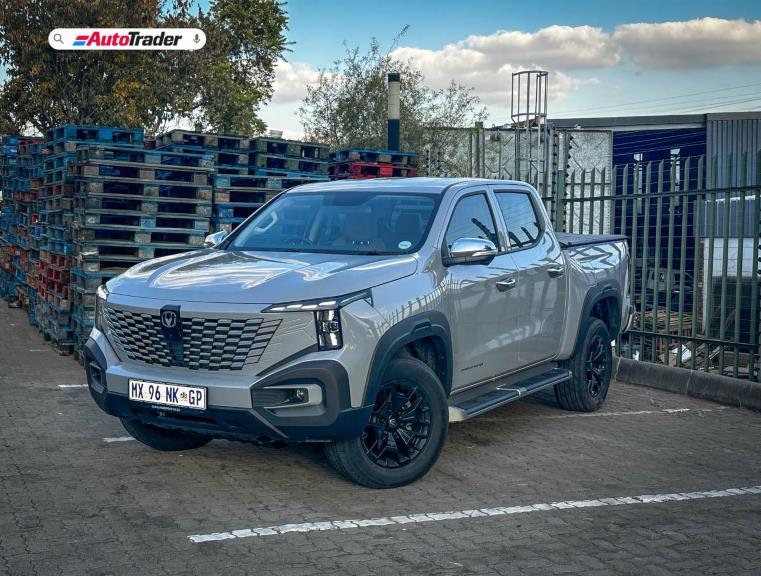
Despite an absolute onslaught of capable products—including GWM’s heavy-duty P300 and luxury P500 series, and JAC’s striking T8 and T9 double-cabs—Chinese bakkies occupy a significantly smaller portion of the LCV sales pie.
+-------------------------------------------------------------------------+
|                  THE DISCONNECT IN CHINESE MARKET SHARE                 |
+-------------------------------------------------------------------------+
| PASSENGER CAR MARKET                    | LCV / BAKKIE MARKET           |
| High prominence                         | Lower Prominence              |
| Driven by: Tech features, cabin style,  | Hindered by: Fleet distrust,  |
| lower price tags, and rapid model       | emotional brand loyalty, and  |
| updates.                                | critical resale value needs.  |
+-------------------------------------------------------------------------+
Why are Chinese bakkies slower to gain traction in the LCV space?
Emotional vs. rational buying: A passenger car purchase is often driven by aesthetic preference and immediate budget. A bakkie purchase—especially for farmers, mining operations, and construction SMEs—is a strictly financial asset.
The fleet factor: Corporate and agricultural fleets buy in bulk. They require absolute certainty that a vehicle can withstand the brutal terrain of the Northern Cape or the Lebombo mountains for 300 000 km. The Big Three have decades of proven structural data; the newcomers are still building theirs.
Dealer footprints & parts availability: If a farmer's bakkie breaks down during harvest season, they need a spare part within hours, not weeks. Toyota and Isuzu have footprints in nearly every small town across Southern Africa. While Chinese dealer networks are growing rapidly, their rural footprint still cannot match that of the incumbents.
The crucial question of resale value: The Hilux and D-Max are practically financial commodities in South Africa; their predictable residual value is factored into business balance sheets. Chinese LCVs still face steep depreciation curves on the secondhand market, making them a harder sell to corporate bean-counters.
The Indian exception
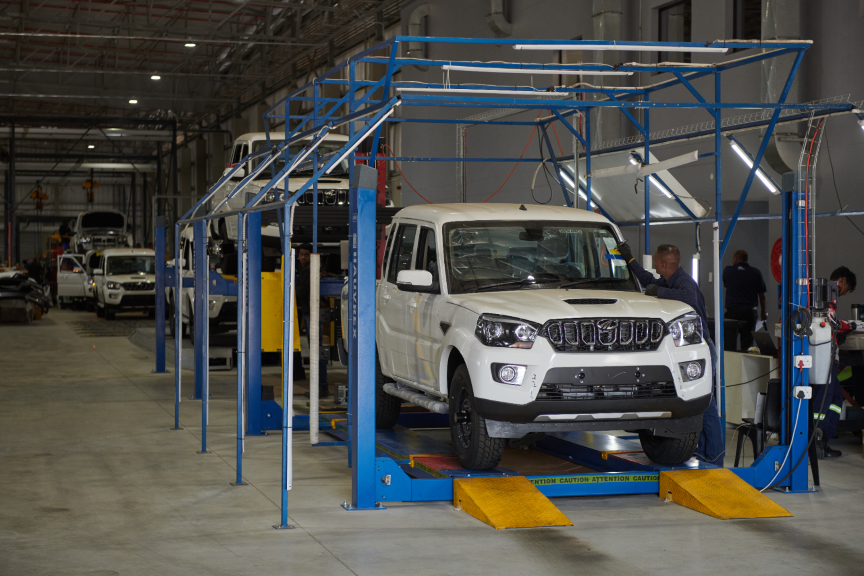
While Chinese manufacturers work to turn passenger-car success into major LCV volume, an entirely different story has been written by India's Mahindra. Unlike new market entrants, Mahindra has spent two decades building trust on South African soil, culminating in a sales surge that catapulted the brand deep into the local top-10 list of automakers.
The Durban-assembled Mahindra Pik Up has achieved what Chinese bakkies are still fighting for: genuine acceptance as a primary workhorse. Regularly breaching the 1 000-unit monthly milestone, it stands firmly as the country's fourth best-selling bakkie behind the Big Three, with its single-cab models locked in as a top-three choice for local businesses. By focusing on a bulletproof 2.2-litre mHawk turbodiesel, low cost-per-kilometre maintenance, and specialised local editions like the Karoo range, Mahindra cracked the reliability formula in the platteland.
With an aggressive roadmap to introduce their next-generation "Global Pik Up" built on the Scorpio-N platform, the Indian brand isn't just defending its fourth-place crown—it is actively preparing to squeeze the established lifestyle players from the bottom up.
What lies ahead for the local bakkie market?
The South African bakkie market is entering an era of transition. The next five years will be defined by two distinct forces: propulsion evolution and the rise of the value-workhorse.
Hybrid and EV crossroads
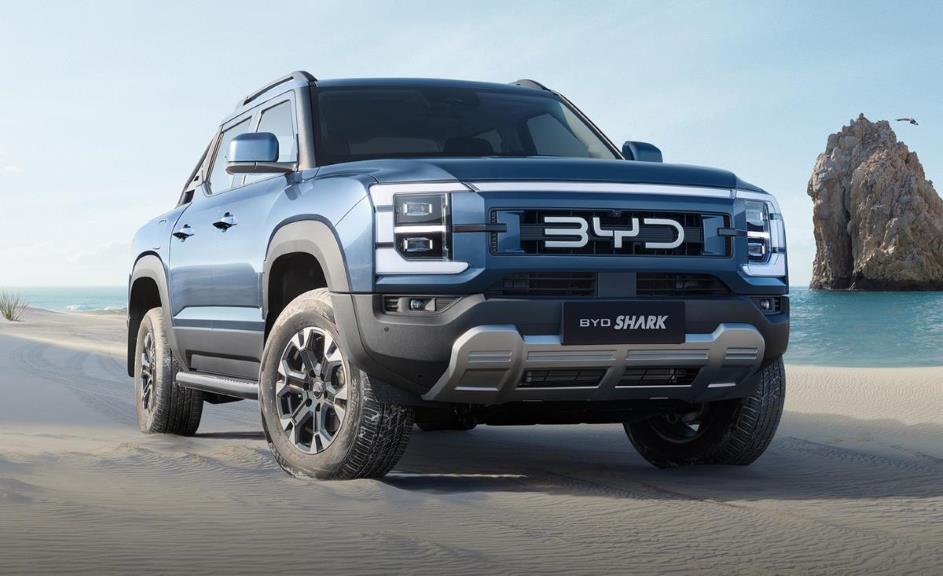
While Europe and China sprint toward full electrification, South Africa’s unique infrastructure challenges and massive towing requirements mean the local bakkie market will take a pragmatic route. We are seeing the rise of bridge technologies. Toyota’s 48V mild-hybrid Hilux, BYD's Shark 6 and GWM's introduction of high-end hybrid variants are the first steps. Electric bakkies like the Changan Hunter REEV, the JAC X200 EV, or global prototypes of the electric Hilux offer potential for local all-electric options, but in the short- to medium-term, diesel- and petrol-hybrid options are likely to be the choice for local drivers.
The rise of alternative brands
The Chinese brands aren't going anywhere; in fact, they are playing a long, calculated game. As the price of top-tier double-cabs from the Big Three routinely breaks the R1-million barrier, a massive affordability gap has opened at the middle and lower ends of the market.
This is where the infiltration will eventually succeed. The rise of affordable single-cab workhorses like JAC’s T6, Mahindra's Pik Up, Foton's Tunland G7, and JMC's Vigus Pro are systematically targeting price-sensitive small businesses and entrepreneurs. As these products accumulate real-world, high-mileage abuse in local conditions, fleet buyer scepticism will either erode or solidify.
Verdict
The Big Three have successfully defended their turf with brilliant, timely updates in mid-2026. However, complacency is not an option. The Chinese brands have already proven they can conquer the passenger car market; as they refine their parts distribution, stabilise their resale values, and keep undercutting the market on price, South Africa's bakkie wars are only going to get more intense.