
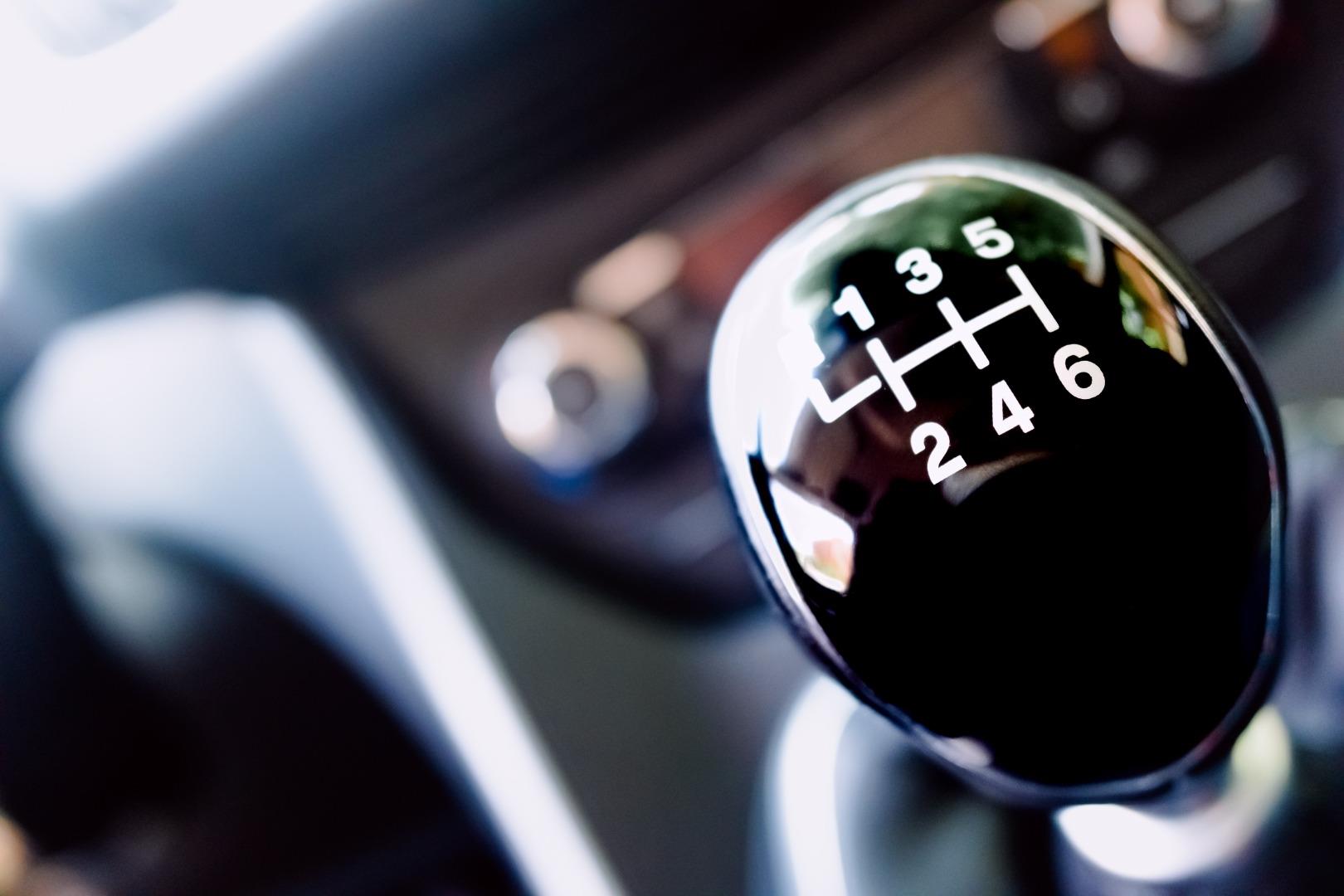
The topic of which is more fuel efficient, an automatic transmission or a manual gearbox, has been a popular one amongst motoring enthusiasts for a long time, but we need to put personal preferences aside and look at the facts. But even so, it is more complex than you would think, so let us jump in.
Related: The CVT Crossover: What South African Drivers Need to Know
But also remember that you can sell your car quickly and easily on our website, regardless of transmission type. You can also search for new or used automatic models on AutoTrader here. But if you want the alternative, you can find new or used manual models on AutoTrader here.
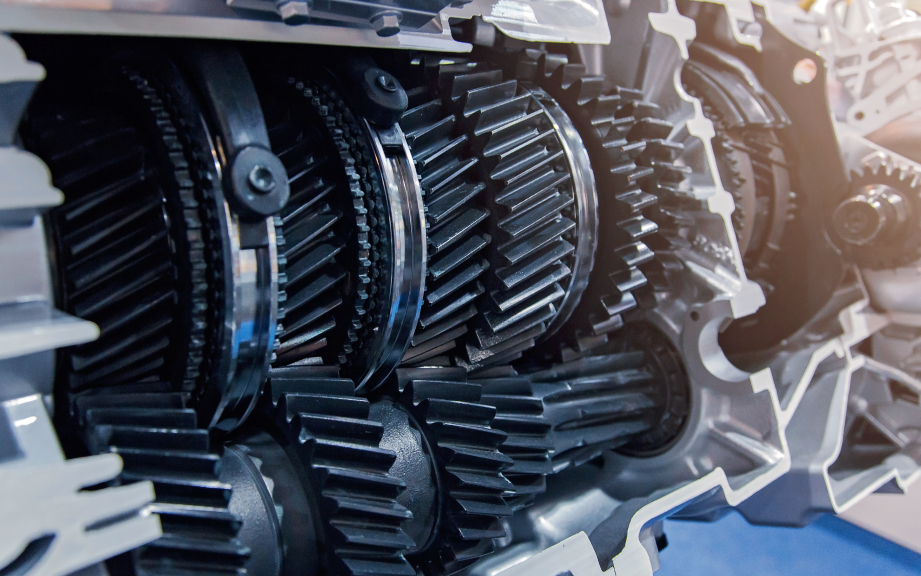
Automatic VS Manual: Which saves more fuel?
For decades, manual transmissions were considered the champion of fuel efficiency. Older automatic gearboxes were heavier, slower to shift and often wasted energy through outdated torque converters. However, advances in automotive technology have dramatically changed the picture. Today, the answer to whether an automatic or manual transmission is more fuel-efficient depends largely on the vehicle and the type of automatic transmission.
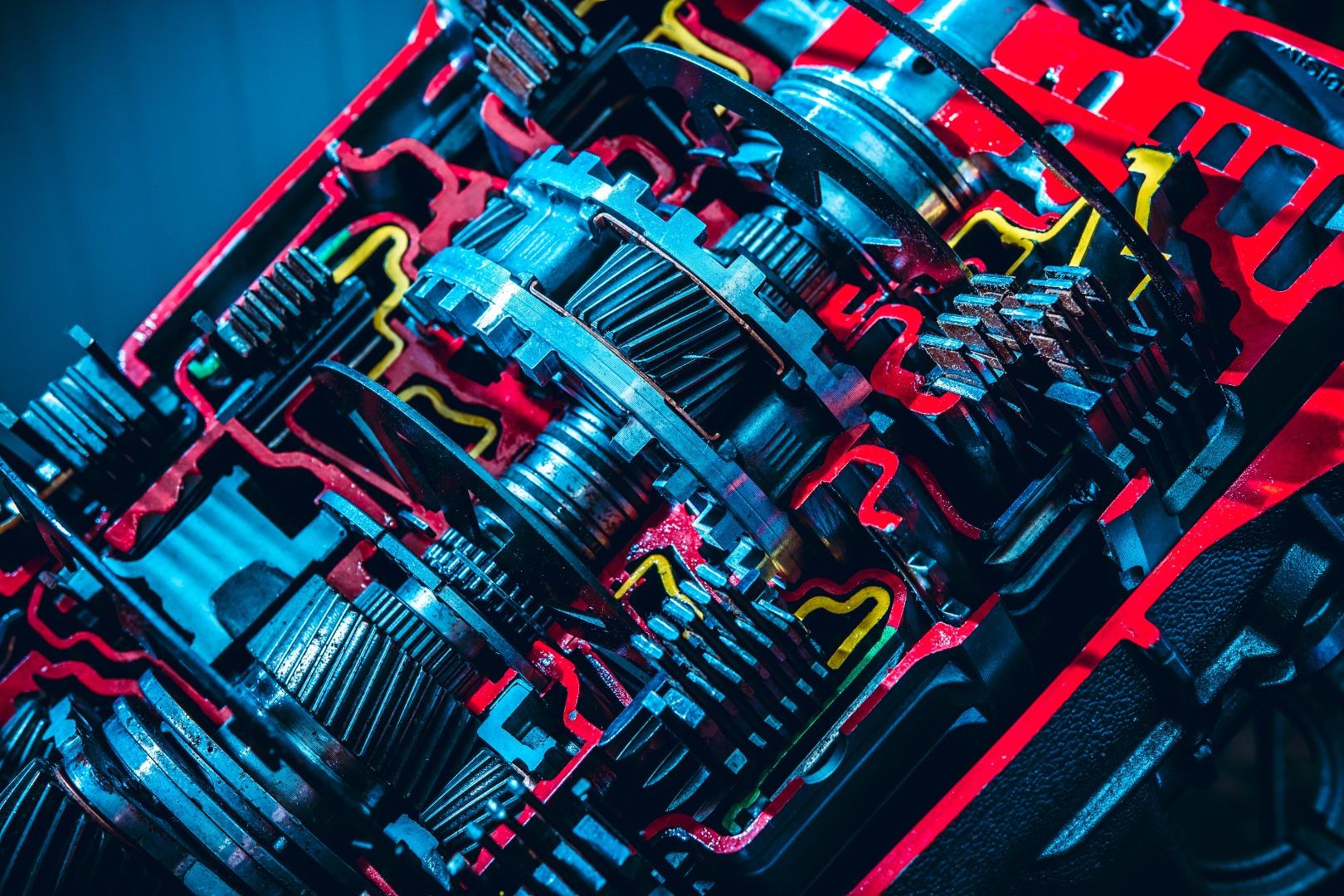
Modern automatic transmissions, particularly continuously variable transmissions (CVTs) and dual-clutch transmissions (DCTs), are now often more efficient than manuals. Automatic transmissions have, on average, delivered better fuel economy than manuals since 2016 due to improved gear ratios, smarter software and more efficient designs.
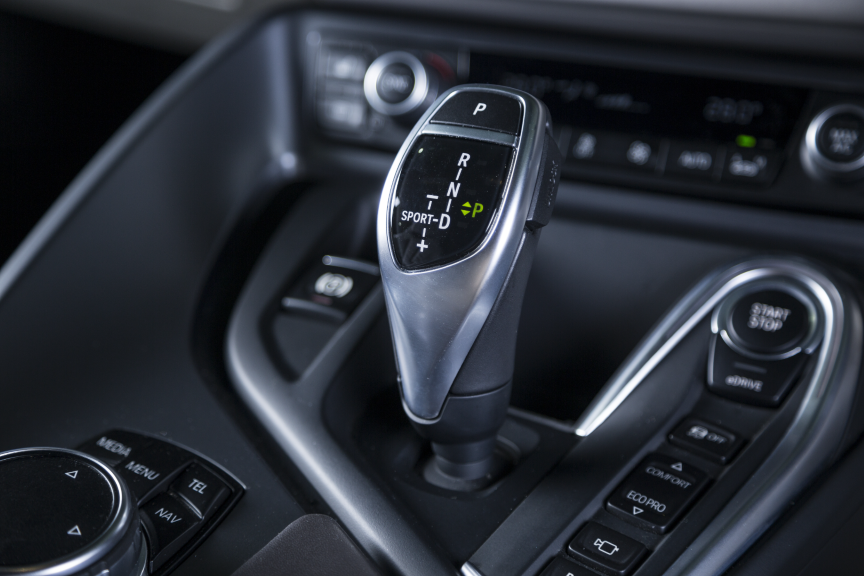
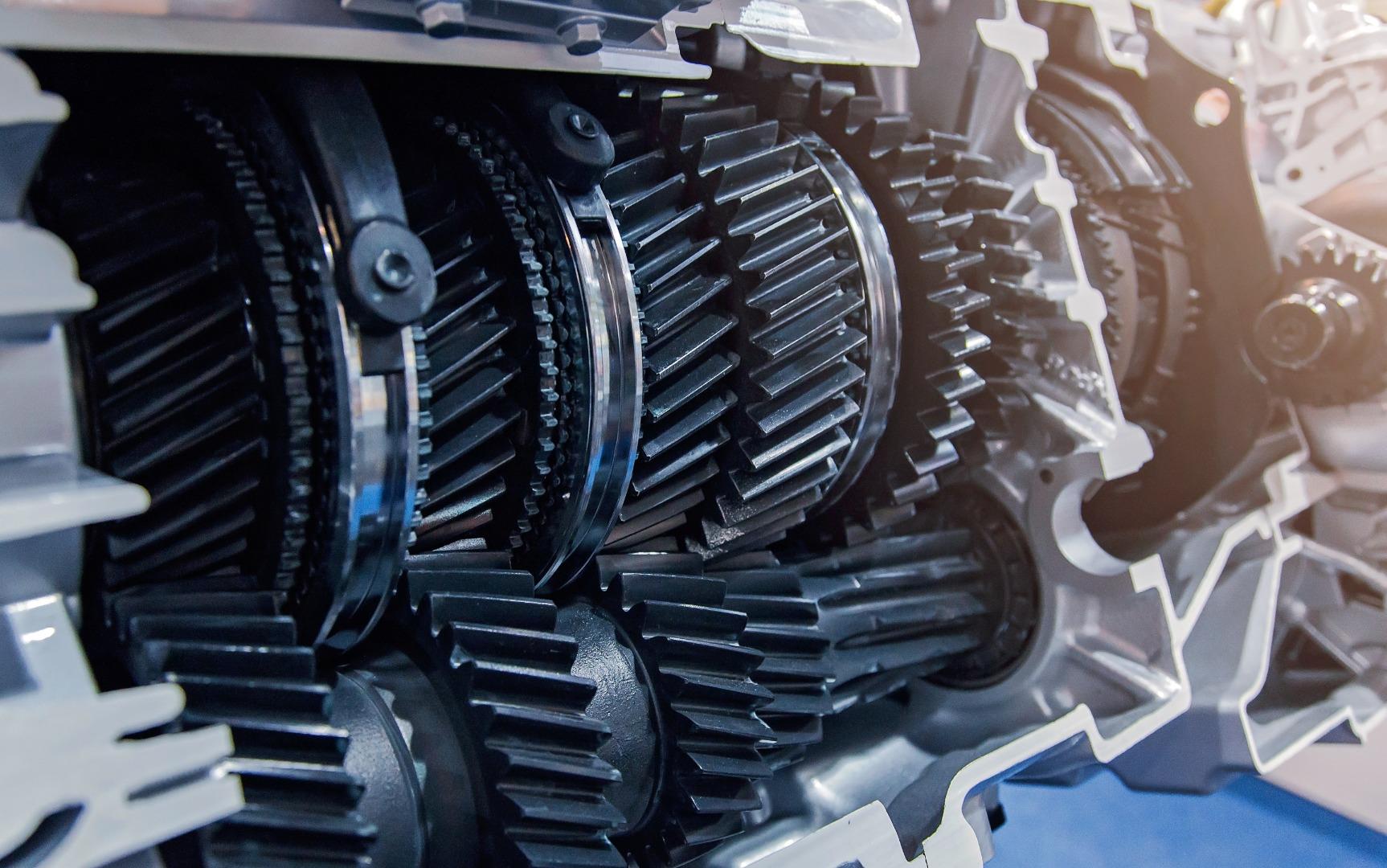
One of the biggest reasons for this shift is the increased number of gears in modern automatics. Many automatic vehicles now feature between six and ten gears, allowing the engine to stay within its most efficient operating range more consistently than a manual transmission can. Automated systems can also shift gears faster and more accurately than most drivers, reducing unnecessary fuel consumption.
The same argument holds for continuously variable transmissions (CVTs), which can make the smallest adjustments to keep the engine speed in the sweet spot for maximum efficiency.
Efficient driving style and practices
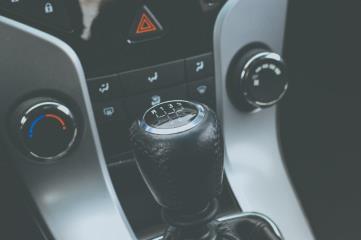
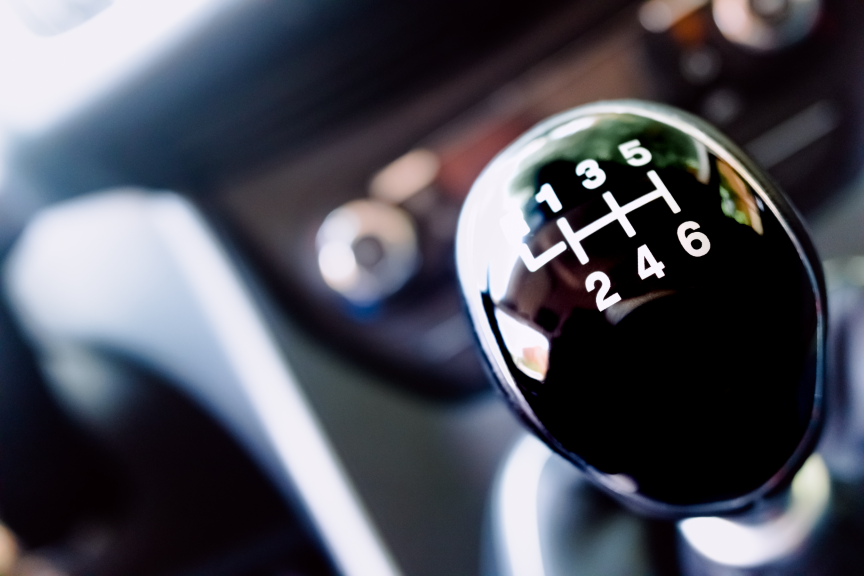
That said, manuals can still be efficient in the hands of a skilled driver. A driver who shifts smoothly and keeps engine revs low may achieve impressive fuel economy. Manuals are also generally lighter and mechanically simpler, which can reduce drivetrain losses. However, in real-world driving, especially in urban traffic, many drivers will struggle to maintain optimal shifting patterns consistently.
Ultimately, while manuals once held the fuel-efficiency crown, modern automatic transmissions have overtaken them in most new vehicles. With smarter electronics, more gears and advanced transmission technologies, today’s automatics deliver not only greater convenience but also better overall fuel economy in everyday driving conditions.