Manual vs. Automatic Transmission - Which is best?
The debate about which transmission type is better continues. However, many automakers have made their decision and are mostly only including automated units in their modern products. We list a few pros and cons of each type here.

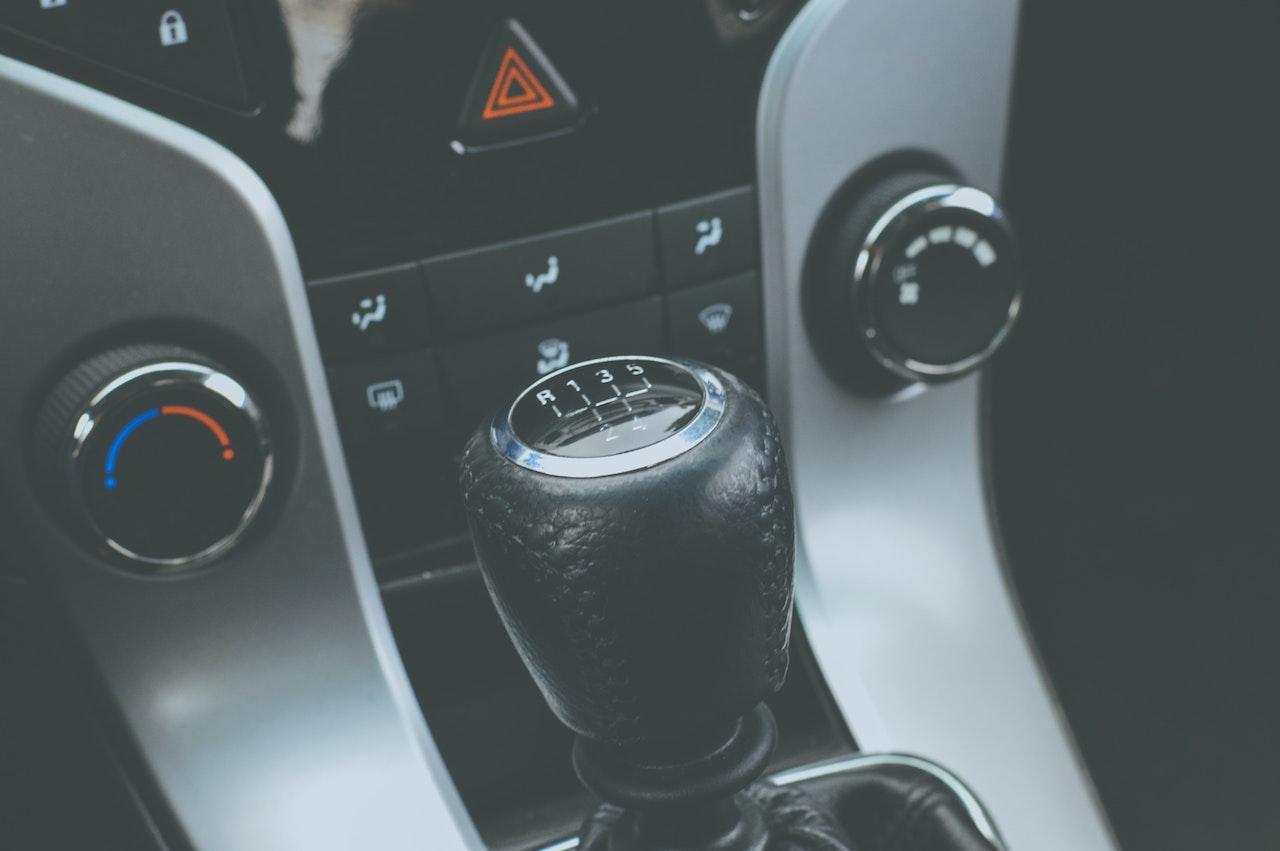
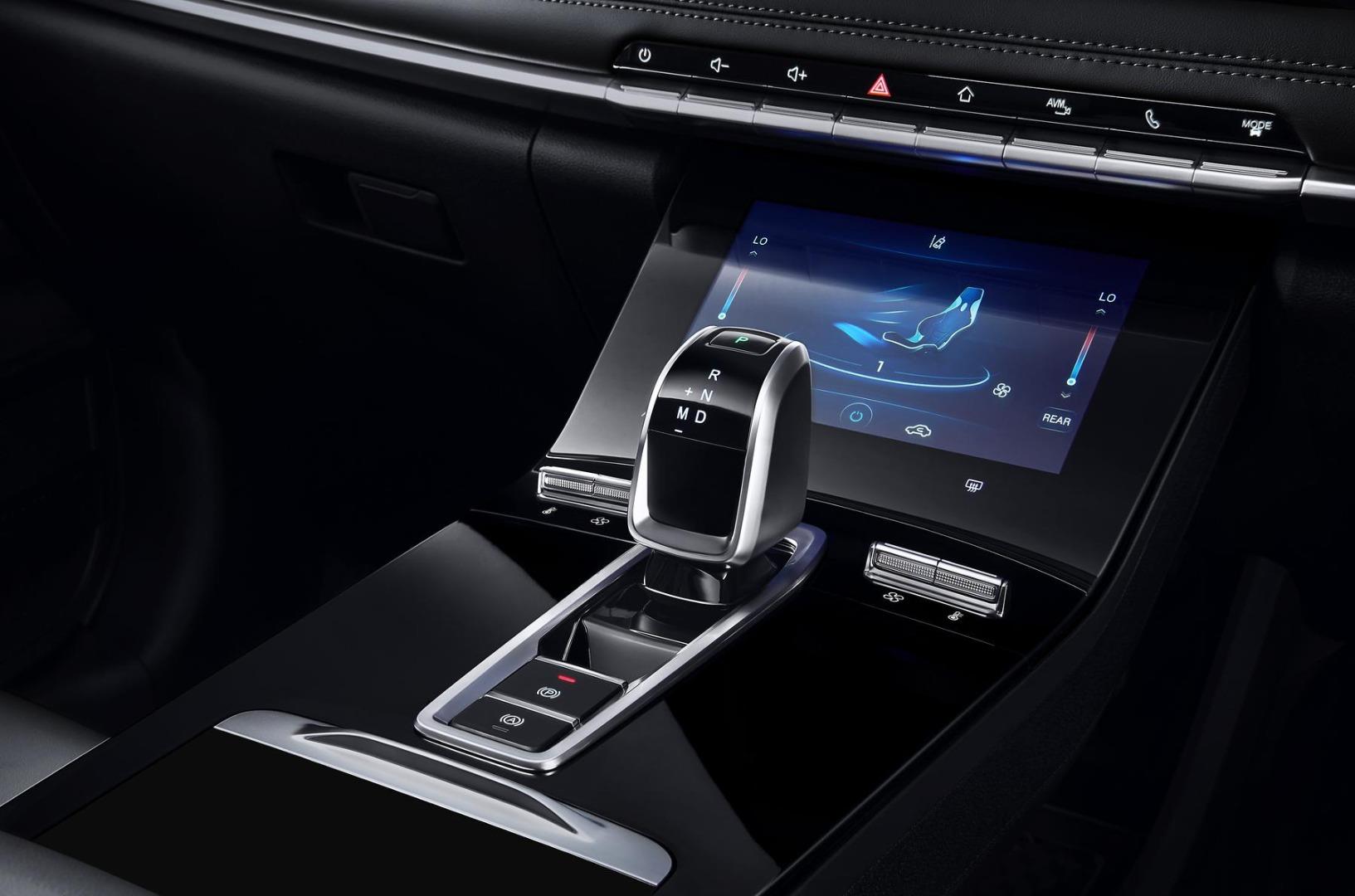
Many factors can influence which car or bakkie a customer chooses. While items such as colour and styling are very subjective, when it comes to the engine and transmission, it becomes more objective as the figures don't lie. Early iterations of automatic transmissions were sluggish and sometimes less reliable but as time moves on, manufacturers are producing more efficient and faster units that in most aspects outshine manual gearboxes.
But while the numbers and reliability of a transmission type might already convince most car buyers of which to get, comfort and personal preference still play a big role in the purchasing decision. So before you get an Instant Offer on your car and start your search for new or used models on AutoTrader that feature the transmission you prefer, here are a few pros and cons of each.
Related: What are the cheapest automatic cars in South Africa?
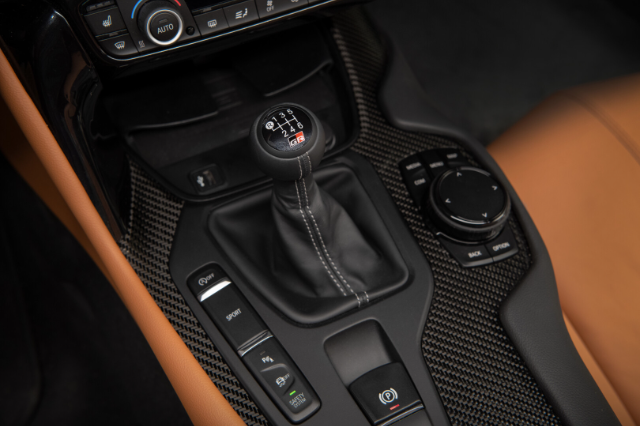
Manual Gearbox
License
When you go through your free K53 learner and driver's licence help guides here, you will notice that if you complete your learner and licence test with a vehicle fitted with a manual transmission, you are also endorsed to drive vehicles with automatic transmissions. However, if you have a license that only endorses you to drive automatic vehicles, you are not allowed to drive a car with a manual gearbox.
Less expensive
The process of manufacturing a manual gearbox is a lot simpler than an automatic transmission and, as a result, is usually cheaper. This price difference can usually be seen in the recommended retail price of identical trims being offered with both transmission types.
Takes practice
Purchasing or owning a vehicle with a manual transmission means that you will have three pedals to control, the accelerator, brake and clutch pedal. If you are new to driving, getting used to the perfect balance between the throttle and clutch pedal positions to set off can be challenging at first, however, once mastered, it becomes second nature. Ultimately practice makes perfect, especially on inclines.
Performance
The less complex construction of manual transmissions means that they usually weigh less than their automatic counterparts. Traditionally, manual gearboxes also returned less power loss. However, as manufacturers continue to develop automatic transmissions, auto boxes have faster shifting times and better power retention.
Fun factor
While automatic transmissions have faster shifting times and the onboard computers can match the engine speed perfectly, a lot of motorsport enthusiasts prefer to shift manually. This is partly due to retaining control of what the car is doing and because they might be anticipating shifts. Ultimately this is just a personal preference and could be purely based on the experience or fun factor of shifting gears manually and getting it just right.
Recommended: AutoTrader's Car Buying Glossary of Terms
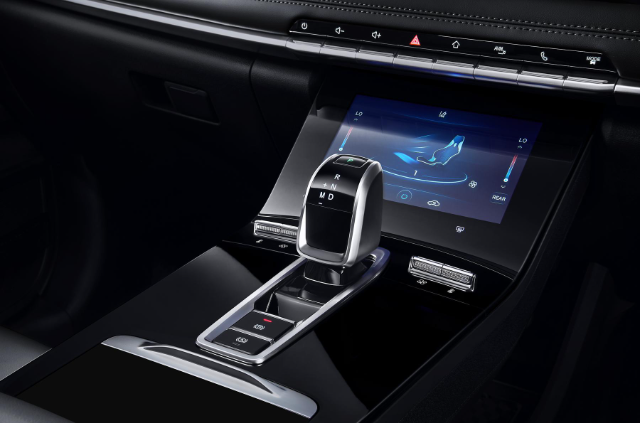
Automatic Transmission
Easier to drive
Automatic transmissions take the struggle out of setting off. Where usually you will need to balance the inputs of two pedals in a vehicle fitted with a manual gearbox, which can get more difficult on inclines. With an automatic transmission, the driver merely has to select the drive and make an input on the accelerator.
Safe driving
When you go through your free K53 learner and driver's licence help guides here, you will note that both hands should remain on the steering wheel at the 10 and 2 positions like on an analogue watch. In a vehicle with a manual transmission, you will often have to remove your left hand to switch between gears and although this is not illegal, it does mean that intermittently you are piloting a vehicle with only one hand at the helm. Thus, it should be safer to drive a vehicle with an automatic transmission, and both hands can remain on the steering wheel at all times.
Traffic
While on the open road or in flowing traffic, piloting a vehicle with a manual transmission takes marginally more effort as you need to disengage the clutch and shift gears. But in heavy traffic conditions, the effort increases dramatically and depending on how stiff the particular vehicle's clutch actuation is, your left leg can experience a lot of fatigue as it needs to control the clutch pedal constantly. In an automatic vehicle, your legs should experience less fatigue considering the clutch automatically engage and disengage depending on your throttle and brake input.
Stalling
Unless there is a problem with any of the systems in an automatic transmission, you should never stall the vehicle setting off from a standstill. However, with a manually operated clutch, this could be an embarrassing occurrence, especially if you are a new driver or don't drive regularly.
Hills
As alluded to above, achieving the perfect throttle and clutch pedal inputs to set off can be difficult at first. This is especially true when you try to set off on inclines. While many modern manual transmitted vehicles come with hill-start assist systems, automatic transmissions do this almost automatically, mitigating any rearward roll on its own.
Recommended: AutoTrader's Engines & Body Types Glossary of Terms
Which should you buy?
Previously manual gearboxes were more responsive under acceleration, had less power loss and were more reliable. Modern automated transmissions have been developed to mitigate many of these issues and have become the primary form of transmission choice for many automakers. Considering the convenience and efficiency, an automatic transmission might be the option to take. However, if having full control and lower maintenance costs is what you are looking for, then a traditional manual gearbox might be the choice for you.