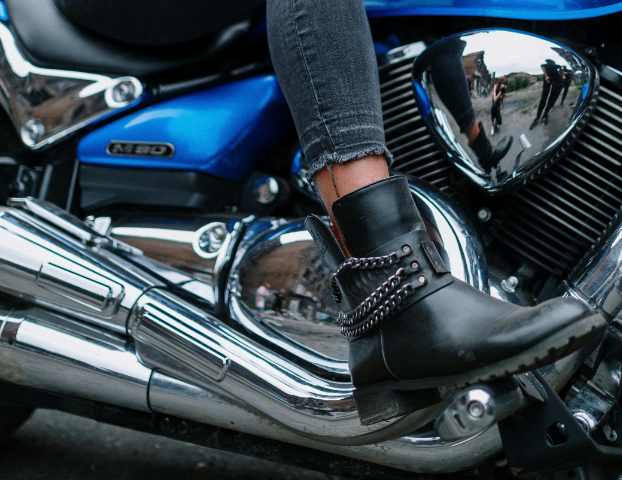
An often overlooked piece of kit is what riders wear on their feet when heading out on their favourite bike. Having on the wrong shoes when things go wrong can result in serious injury and, in the worst case, complete loss of an essential limb. Those skater sneakers may be super comfy to spend the day walking around in, but they won't protect your feet when things go south.
Related: Essential motorcycle gear for South African riders
Ensuring you have the appropriate footwear for the riding you plan to do is essential. This is our guide on what, where, and how of motorcycle footwear.
Helmet safety standards - What is ECE and DOT certification?
1. Prioritise Protection
Regardless of your riding style, certain safety features are non-negotiable.
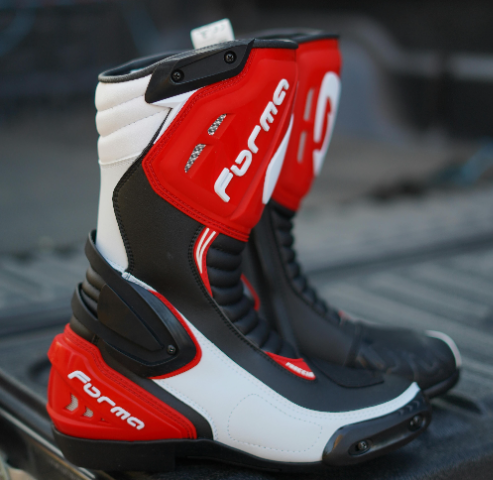
CE Certification (EN 13634): This is your baseline. Look for a label with a number like "1222" or "1111." A Level "2" rating is superior to a Level "1" rating in categories like abrasion, impact, and transverse rigidity, which is side-to-side crushing.
Ankle Support: The ankle is highly vulnerable. Boots must extend over the ankle bone and have internal armour/reinforcement to prevent twisting and impact injuries.
Reinforced Toe and Heel Cups: These are essential to protect against crushing impacts and abrasion.
Shank (Mid-sole Plate): An internal rigid insert (often steel or composite) that runs the length of the sole. This prevents your foot from bending or being crushed in an accident and provides stability on the pegs.
Oil-Resistant, Anti-Slip Sole: Crucial for maintaining grip on foot pegs, especially in wet conditions, and when putting your foot down on potentially oily road surfaces.
Secure Closure: Zippers, Velcro, or buckles must keep the boot firmly in place on your foot in the event of a crash. Laces should be short or have a retainer strap to prevent snags.

2. Match the Boot to Your Riding Style
The required balance of protection, comfort, and weatherproofing varies significantly depending on where you ride.
| Riding Style | Best Boot Type | Key Features to Look For | Trade-Offs |
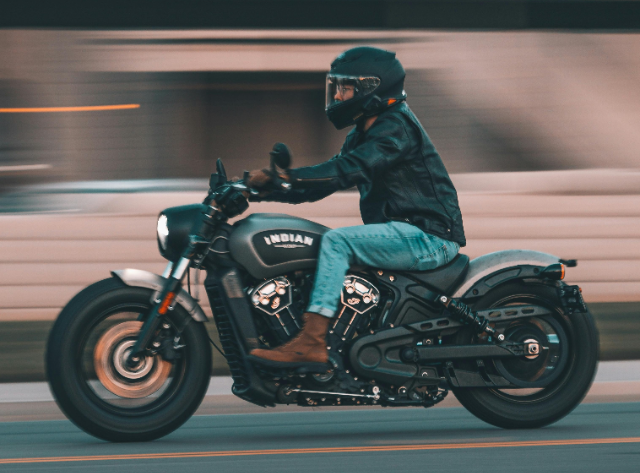
| Street / Urban | Riding Shoes or Low/Mid-Height Boots | Walkability (flexible sole), Discreet Protection (internal armour), Side zipper for convenience, and Abrasion-resistant materials. | Less shin/calf protection, lower water resistance than tall boots. |
| Touring / Sport Touring | Full-Height Boots | Waterproof/Breathable Membrane (Gore-Tex, Drystar, D-WP, etc.), All-day comfort (padding, flexible panels), Reinforced shin plate, Robust shank. | It can be warmer in extreme heat, and it has less walkability than street boots. |
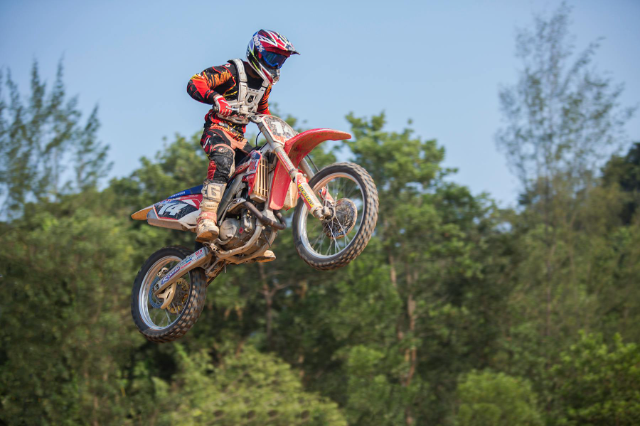
| Off-Road / Motocross | Motocross or Adventure Boots | Maximum Rigidity (stiff, tall construction), Multiple Buckle Closures (secure fit), Heavy-duty impact armour (shin, ankle brace), Aggressive Tread pattern, often Replaceable Soles. | Very stiff, with poor walkability and minimal control feel (Similar to Motocross style), and bulky. |
| Adventure (ADV) | Adventure Boots | A balance of off-road protection and touring comfort, Waterproof, Tall height, Grip for standing on pegs, Buckles for quick adjustment and security. | Less protective than dedicated MX boots, but much more comfortable for street riding and walking. |
3. Finding the Perfect Fit and Sizing
Fit is everything. An ill-fitting boot won't protect you correctly and will be uncomfortable on long rides.
Sizing Tips
Consult the Brand's Size Chart: European sizing (EU) is common for motorcycle gear, but conversions vary. Always measure your foot and compare it to the specific manufacturer's chart.
Factor in Socks: Try boots on with the type of socks you plan to wear while riding (e.g., thicker socks for winter touring).
Snug but Not Tight: The fit should be snug, especially around the ankle and heel, to prevent your foot from shifting in a crash. However, you should still be able to comfortably wiggle your toes.
Break-in Period: Quality leather boots and very stiff off-road boots will require a break-in period. Start with shorter rides.
Note: Boots should feel snug and secure at the store, but not painful. If they are painful, they are the wrong size or shape for your foot.
The Seat Test
The actual test of a motorcycle boot happens on the bike
Sit on your motorcycle or a bike with a similar riding posture.
Operate the foot controls (shifter and brake).
Ensure the boot does not pinch, restrict, or impede your smooth operation of the controls. An overly bulky toe box, for example, can make shifting difficult.
4. Materials and Weatherproofing
Leather (Full-grain): Excellent abrasion resistance and durability. Requires regular care (cleaning, conditioning) to stay supple.
Synthetic Microfiber: Often lighter, can offer high levels of abrasion resistance, and typically requires less break-in.
Waterproof Membranes: Look for established systems, such as Gore-Tex, Drystar, or D-WP. These membranes keep water out while allowing sweat/moisture vapour to escape (breathability). For hot weather, look for perforated leather or textile panels that enhance airflow.