Delivery Bikes: Why Small Motorcycles Are Booming in SA
You've seen them weaving perilously through traffic, skipping robots and stop streets, heading off with someone's next delivery in the attached box, but who are these daredevils and what drives them? We take a closer look.


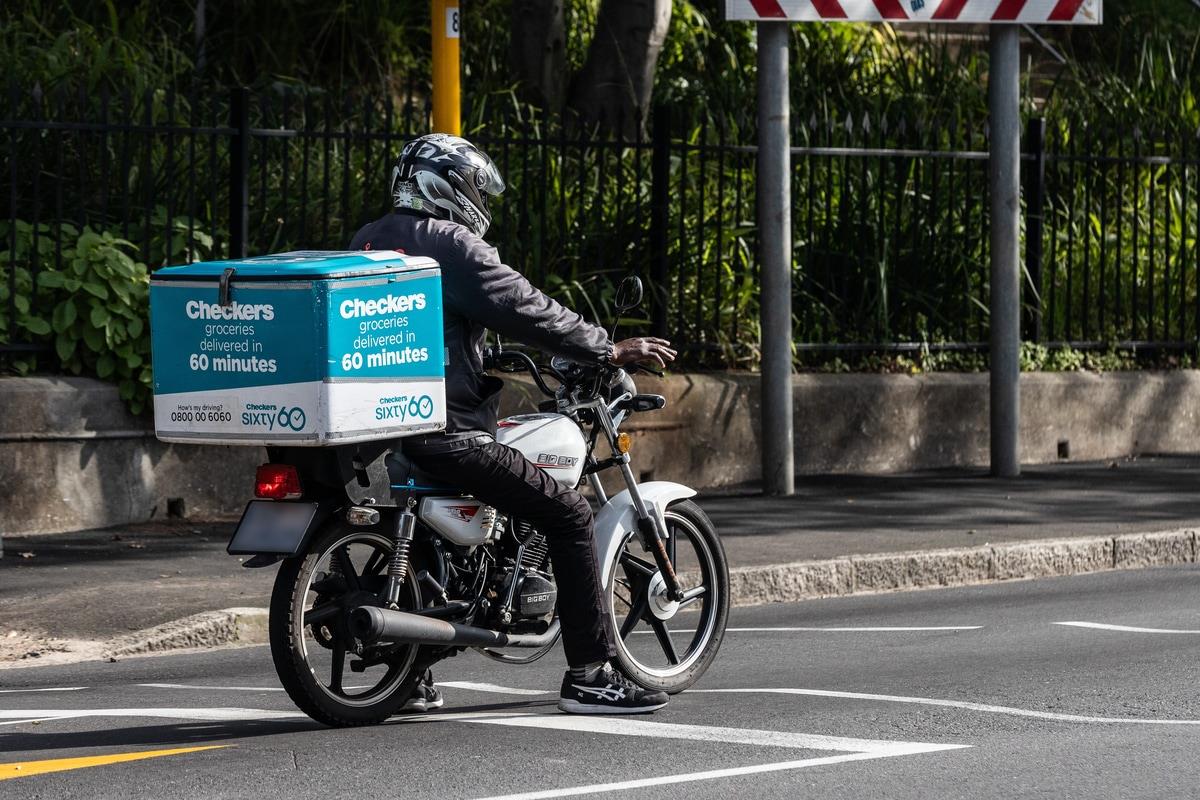
Back in the late 80's and early 90's, the humble delivery bike was quite common, usually run by the local post office or chemist. They fell out of favour for a while in the 2000s, but recently there has been a massive explosion in their popularity and visible presence on our roads. How has it come about, and what has been driving this?
Related: Solving the mystery of the delivery bike phenomenon
The hum of a small-displacement engine has become the unofficial soundtrack of South African suburbs. While the broader automotive industry has faced significant headwinds, the small motorcycle segment (125cc to 200cc) is experiencing a transformative boom. This shift isn't just about enthusiasts; it’s about a fundamental change in how the South African economy moves goods.
What are the top 10 most economical new bikes?

The Sixty60 Effect: E-Commerce Explosion
The primary driver is the massive growth in on-demand retail. South Africa’s online retail market is projected to pass R130 billion in 2025, with its share of total retail rising toward 10% by 2026.
Hyper-local delivery: Services like Checkers Sixty60, Pick n Pay asap!, and Woolies Dash have turned grocery shopping into a "minutes-not-hours" game.
The last-mile logic: Small motorcycles are the only vehicles that can reliably meet 60-minute delivery windows in South African traffic.
- Explosive E-commerce growth: South Africa's e-commerce sector has surged dramatically - sales jumped from R37.4 billion to R86.8 billion between 2018 and 2022, with e-commerce's share of total retail doubling from 3.9% to 7.7%. This creates massive demand for last-mile delivery vehicles.
Superior Economics: Total cost of ownership heavily favours motorcycles for delivery work:
- Lower purchase price
- Better fuel economy
- Reduced maintenance costs
- Higher uptime (less downtime = more deliveries)

Economics of the Gig Economy
In a country with high unemployment, motorcycles have become core economic infrastructure rather than a discretionary luxury.
Barrier to entry: A small delivery bike (like a Honda Ace or TVS HLX) is significantly cheaper to finance than a car, making it a viable entry point for independent contractors.
Operational savings: With fuel prices remaining volatile, the high mileage-per-litre (often exceeding 40km/L offered by small bikes makes them the only profitable choice for "gig" riders.
- Micro-entrepreneurship: Two-wheelers have become productive assets, enabling income generation. They're seen as "core economic infrastructure" for riders building micro-businesses in the gig economy.
- Expanding delivery categories
The delivery sector has grown beyond food into high-frequency convenience retail, groceries, and other goods, increasing the number of short-range trips that motorcycles excel at.

Beating the Gridlock
Traffic gridlock in South African cities makes two-wheelers the fastest, most practical option for time-sensitive deliveries. Small bikes can navigate congested corridors far more efficiently than cars or vans. Urban congestion in hubs like Sandton, Cape Town, and Umhlanga has reached a breaking point.
Lane splitting: Motorcycles can filter through stationary traffic, ensuring that last-mile delivery remains fast even during peak hours.
Agility: Small bikes can navigate narrow township streets and complex apartment blocks where traditional delivery vans struggle.

The Rise of the Green Fleet
While internal combustion engines (ICE) currently dominate, 2026 is seeing a pivot toward electric two-wheelers (e-bikes).
Cost neutrality: Corporate fleets (like SPAR2U) are adopting e-bikes because the total cost of ownership is roughly 20-25% lower than petrol equivalents when charging at central depots.
Load-shedding resilience: Major delivery hubs are increasingly using solar-backed charging stations to ensure their fleets remain operational regardless of the national grid status.
Summary Comparison
| Feature | Small ICE Motorcycle (125cc) | Electric Delivery Bike | Delivery Van |
| Fuel/Energy Cost | Moderate | Low | High |
| Traffic Agility | Excellent | Excellent | Poor |
| Load Capacity | Small (Box only) | Small (Box only) | High |
| Maintenance | Frequent (Oil/Chains) | Minimal | Moderate |

Challenges to the growth
Despite the boom, the industry faces growing pains that are becoming central to policy discussions in 2026.
Safety & infrastructure: South African roads lack dedicated motorcycle lanes, leading to high accident rates.
Security: Delivery riders remain high-priority targets for hijackings and robberies, prompting the rise of real-time tracking and panic button tech integrated into delivery apps.