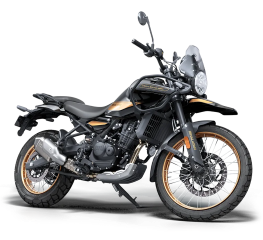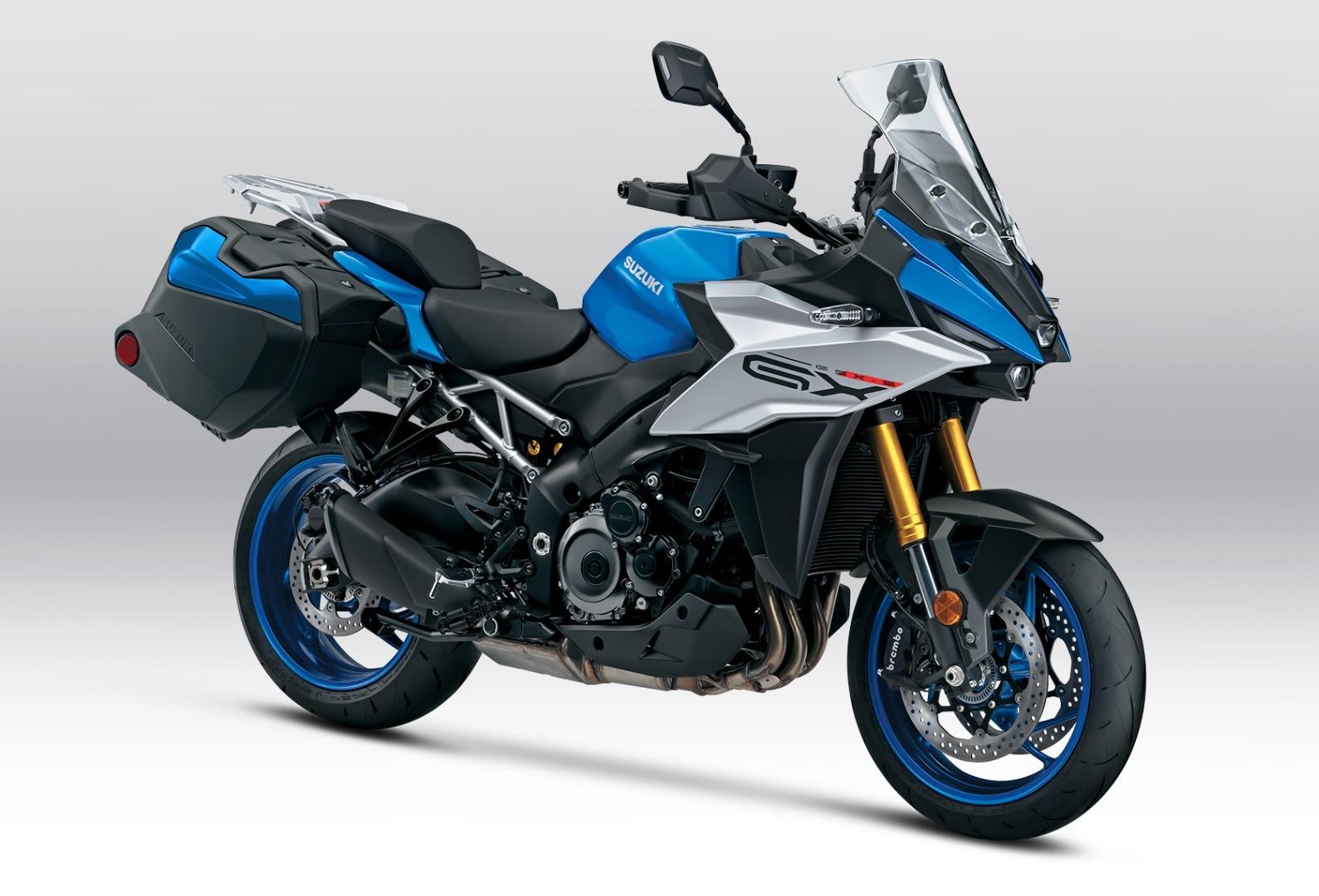
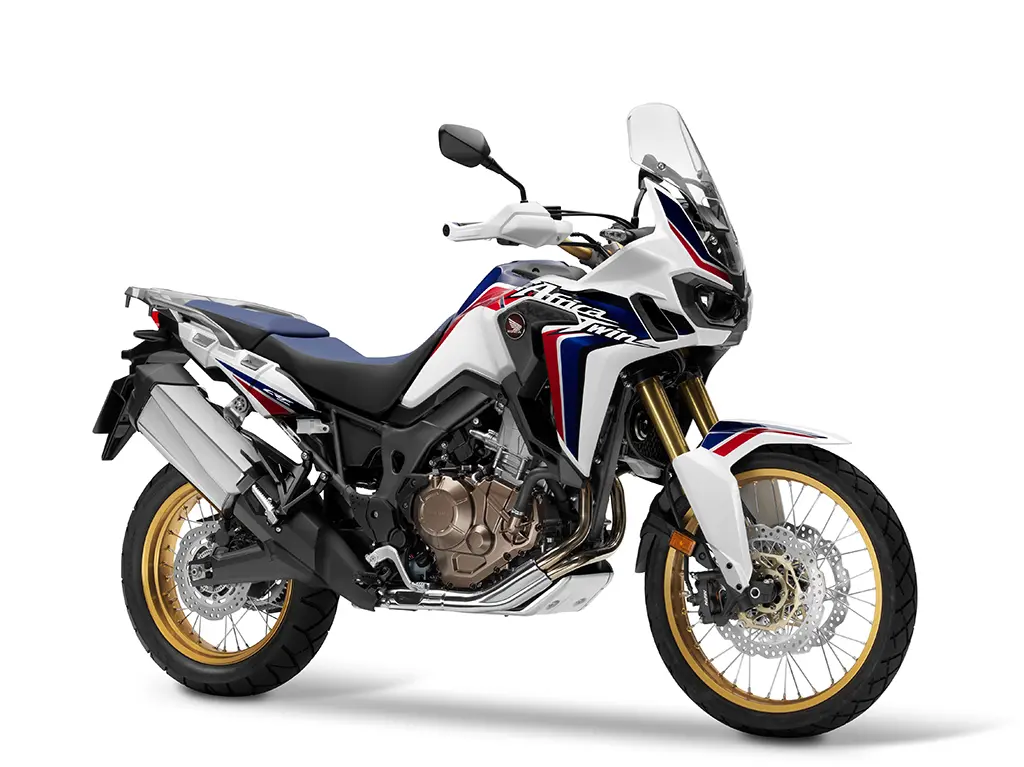
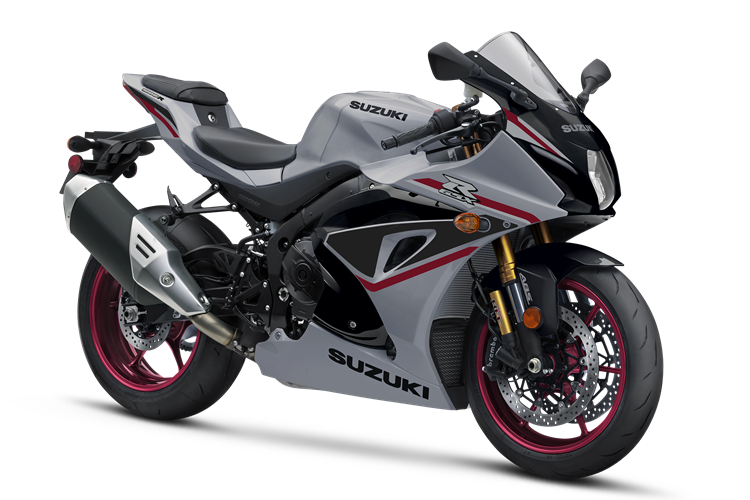
In South Africa, the "Big Three" Japanese manufacturers—Honda, Suzuki, and Yamaha—form the backbone of the motorcycling community. While all three are globally renowned for engineering excellence, the South African landscape (with its heat, varied road quality, and specific dealer footprints) creates a unique hierarchy for long-term ownership. Here is how they stack up in the 2026 reliability showdown.
What are common motorbike buying mistakes to avoid?

1. Reliability & Failure Rates
According to industry data (including 2026 reliability surveys), the Japanese manufacturers continue to lead the world, with significantly lower failure rates than European or American counterparts.
| Brand | 4-Year Failure Rate | Reputation in SA |
| Yamaha | 11% | Known for bulletproof "CP" engine platforms (MT-07, Ténéré 700). |
| Honda | 12% | The gold standard for build quality and "forever" engines (Africa Twin, NC750X). |
| Suzuki | 15% | Famous for "unkillable" older designs (V-Strom, SV650, Hayabusa). |

2. Brand Breakdowns
Honda: The Safe Bet
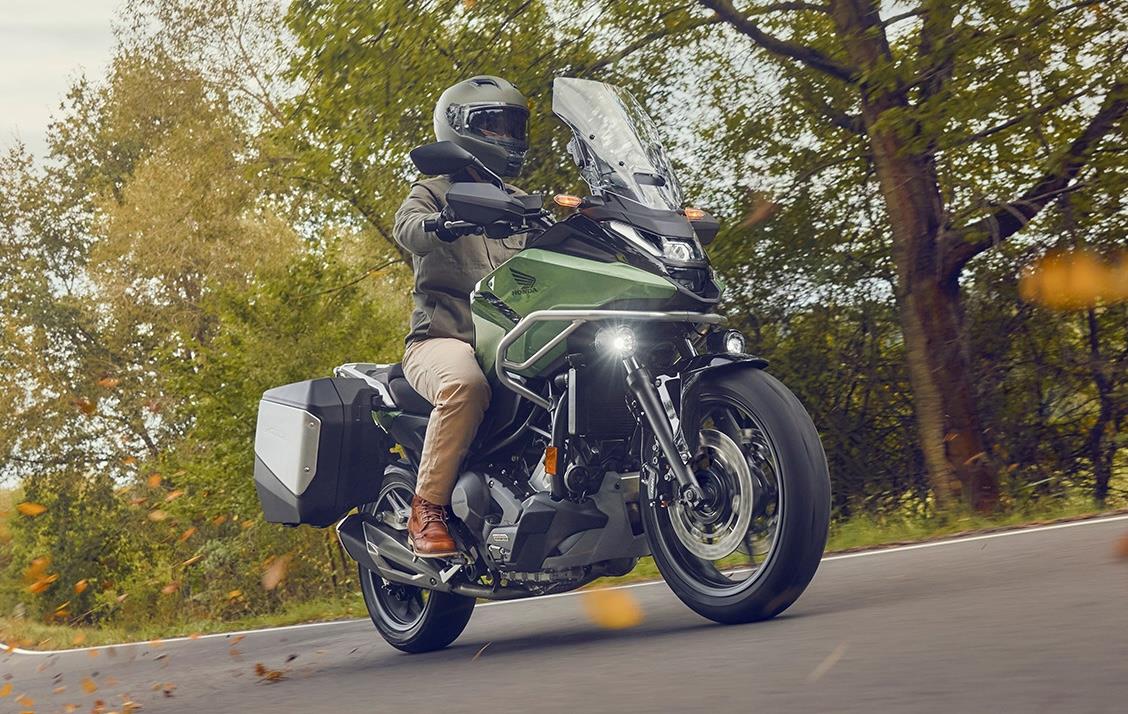
Honda’s reliability is less about fancy tech and more about over-engineering. In South Africa, the NC750X and XR125/150 are legendary for surviving abuse with minimal maintenance.
Pros: Exceptional paint and finish quality, less prone to corrosion in coastal cities like Durban or Cape Town; the largest dealer network in SA.
Cons: OEM spare parts can be pricier than Suzuki or Yamaha.
Best for: Commuters and long-distance tourers who want a bike that starts every single morning without fail.
Yamaha: The Performance Reliable
Yamaha currently holds the global title for the lowest failure rate. Their CP2 engine, found in the MT-07 and Ténéré 700, is widely considered one of the most reliable modern engines ever built.
Pros: High-quality components, forged pistons are standard in many models; strong resale value in the SA second-hand market.
Cons: Some riders find the finishes (plastics/fasteners) slightly less premium than Honda’s.
Best for: Riders who want character and performance without the diva behaviour of a European bike.
Suzuki: The Value Survivor
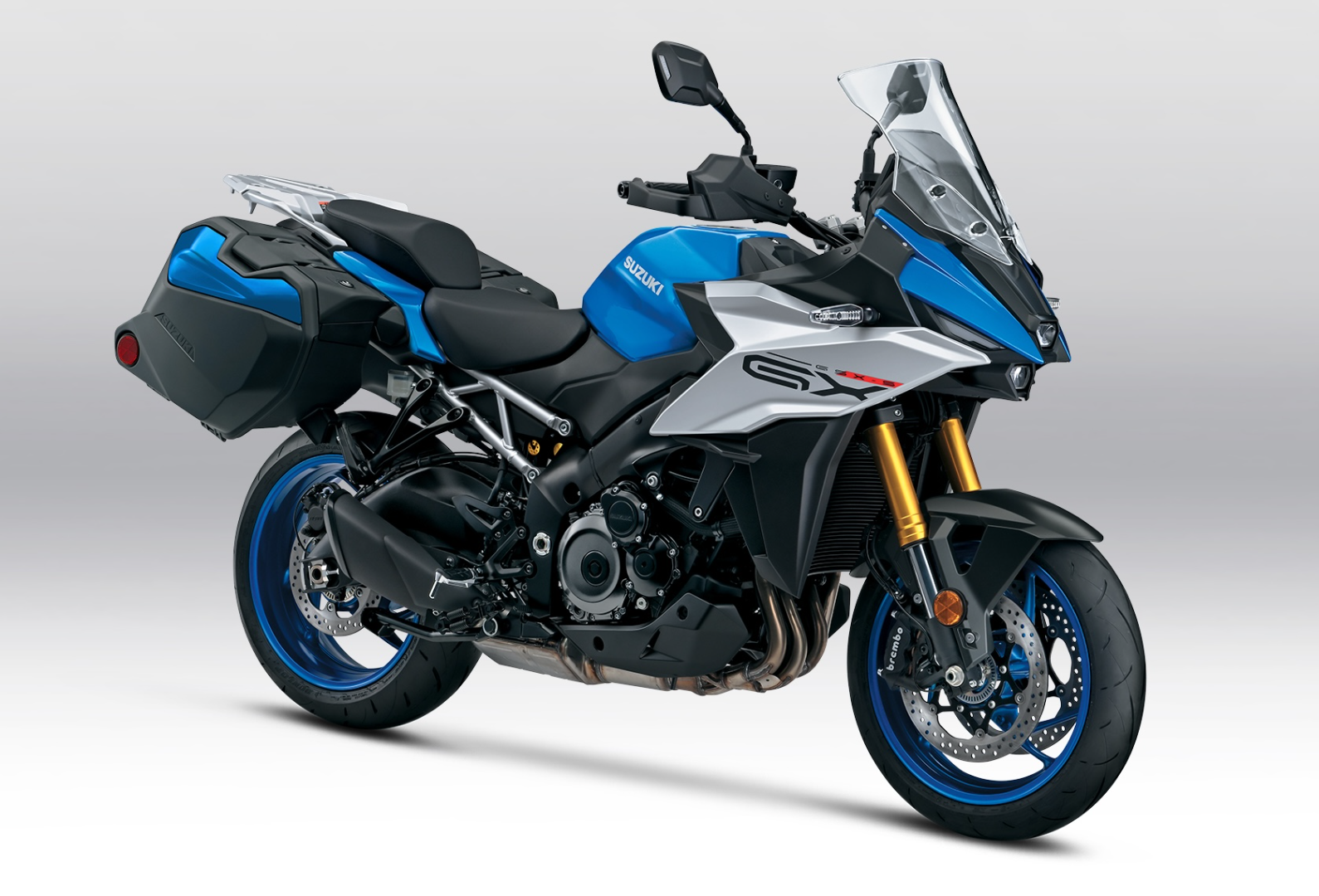
Suzuki often uses older, proven engine designs. While they may lack the latest TFT screens or rider aids, their mechanics are "idiot-proof." The V-Strom 650 is a South African favourite for its ability to handle 100 000+ km with ease.
Pros: Generally, the most affordable parts; very easy for DIY mechanics to work on.
Cons: Technology often lags behind the other two; some models are prone to what owners refer to as Suzuki rot; fasteners and finishes can dull if not kept clean.
Best for: Budget-conscious riders and those who plan to do their own maintenance.
3. South African Ownership Factors
Spare Parts & Support
Honda has the most extensive dealer footprint in South Africa, making it easier to find a shop in smaller towns.
Suzuki and Yamaha have excellent support in major hubs (Joburg, Pretoria, CT, Durban), but you might wait a few days longer for specialised parts in rural areas.
Resale Value
In the local market, Honda and Yamaha tend to hold their value slightly better than Suzuki. A clean, high-mileage Africa Twin or Ténéré 700 is currently liquid gold on the South African used market.
The Verdict
For "Set and Forget" Reliability: Pick Honda. The build quality is unmatched, and the dealer network is a safety net.
For Mechanical Longevity: Pick Yamaha. Their modern engine platforms are statistically the least likely to leave you stranded.
For Rugged Simplicity: Pick Suzuki. If you want a bike that a "plaas" mechanic can fix with a basic toolkit, Suzuki wins.