Solving the mystery of the delivery bike phenomenon
Menace or essential service? The explosion of the delivery bike industry is driving massive motorcycle sales in the market, but also creating its own set of problems. How does this industry work? We get to the bottom of the delivery biker industry.

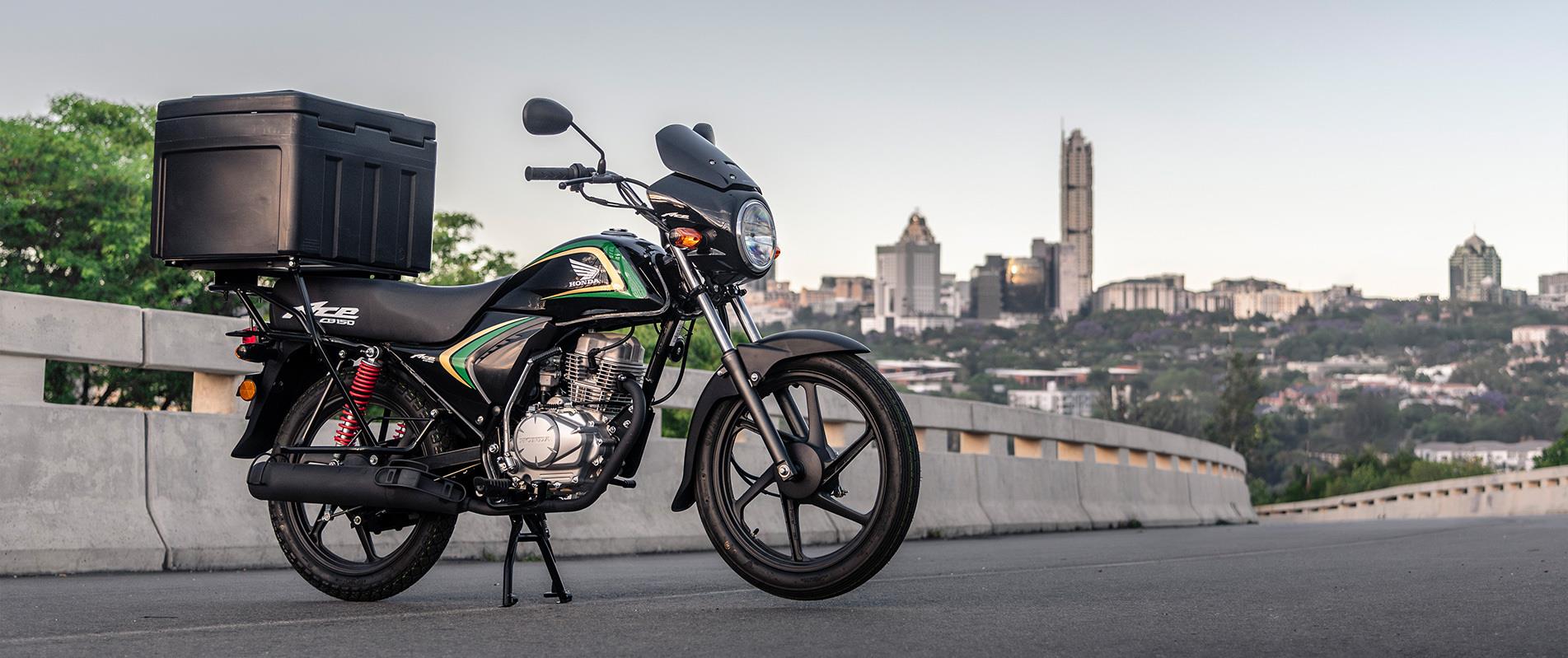


Anyone paying attention will have seen them, a fleet of intrepid fellows weaving their way through traffic to deliver someone’s takeaways or latest online order, sometimes well-behaved, often completely oblivious to the rules of the road. Delivery bikes are not a new phenomenon, but we are seeing an incredible number of them as of late.
Related: What is the difference between a Honda Ace 150 and a TVS Trak 150?
The delivery bike has been around for decades, in the 80s and 90s it was your local pharmacy delivering prescriptions, or a document delivery service for corporates, there just weren’t that many of them. Today they are everywhere, and one has to ask, how the heck did this happen, what’s driving the boom and how on earth are these guys affording these bikes?
TVS Motorcycles launches in SA (2026) First Ride Review

Driving the gig economy
As of Jan 2026, there were an estimated 65 000 delivery bikes on South African roads, with many operators using third-party rental or rent-to-own schemes to access jobs on popular online platforms. The delivery bike ownership system in South Africa is heavily driven by a "rent-to-own" model designed to overcome high capital barriers for drivers, often referred to as riders, within the booming gig economy. Here is a breakdown of how the system works.

The Rent-to-Own Model
This is the primary avenue for many drivers to become owners without needing a large lump sum of money upfront.
- Weekly/monthly payments: Riders pay a weekly fee to a rental company (e.g., Bike2Own, RTO Bikes, East Point Rentals).
- Contract term: Payments typically span 18 to 24 months.
- Ownership transfer: Once the contract is fully paid off, the rider gains full ownership of the motorcycle.
- All-inclusive fees: Often, the rental payment includes insurance, tracking, and, in some cases, maintenance, reducing the rider's immediate financial risk.
The Role of Fleet Owners
Many motorcycles used in the delivery industry are owned by individuals or companies who own a fleet of bikes, ranging from 5 to 10+ bikes.
- These owners invest in the bikes and then rent them out to independent drivers, or sometimes contract their services directly to larger platforms.
- Fleet owners should handle maintenance and, in some cases, insurance.
- Ensure contractor-employed riders are fully licensed
- Subsidise or pay for proper rider training
- Outfit employed riders with a proper riding kit
- Inspect the riding kit of both employed and contract riders on a regular basis
- Inspect the motorcycle/scooter of each rider on a regular basis (involve local dealers to participate in inspections and servicing)
- Subsidise medical or life insurance policies on each rider
- Ask local riding school instructors to give monthly safety training.
Key Players and Financing Options
- Specialised providers: Companies like Bike2Own, RTO Bikes, and RoadLink Rentals specialise in this sector, allowing riders to start working immediately with an equipped bike.
- Requirements: To qualify, riders generally need a valid South African ID or work permit, a valid motorbike license (or learner's license), and sometimes a small deposit (e.g., R1500).
- Financing: Some manufacturers (e.g., Hero, Big Boy) and specialised financiers offer rental or financing, often without stringent bank credit checks.
Direct purchase/financing
While less common for new, independent, entry-level drivers, some riders with better credit profiles may purchase their own bikes through traditional finance, such as WesBank. This is highly unlikely, though, as the lowest financing threshold is R50 000, and many of these bikes fall well below that.

Costs and earning potential
- Weekly rent: Weekly payments are roughly R750–R850 per week for rent-to-own, or similar amounts for pure rental, depending on the provider.
- Earnings: A diligent rider can earn around R3 000 per week, with some reporting around R2 800 left over after covering fuel, rent, and maintenance costs.
- Safety & maintenance: The bikes are usually equipped with tracking devices for security. Maintenance is often managed through accredited, specialised repair partners, but there is a booming “backyard mechanic” business in tow.
- Payments: To streamline the payment process, companies like Bike2Own have partnered with platforms like WigWag to use automated payment links, allowing for easy, cashless weekly payments and improved compliance
Rider vetting
- Large customer-facing providers will require rider vetting to ensure they are legal and meet the fleet owner's minimum requirements for equipment and training. These are easy to spot, as the vehicles and riders are often heavily branded and are normally the best-behaved of the lot.
- The smaller fleet operators who don’t monitor rider behaviour, and independent riders, are usually the most reckless and are more than likely to ride bikes barely held together and not wear their gear properly.

Challenges
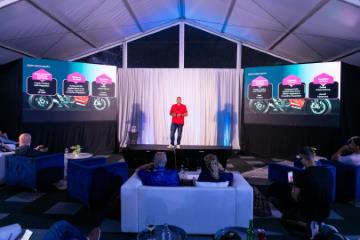
We recently attended the local launch of TVS Motorcycles in South Africa, where the Indian manufacturer laid out its plans for pushing and developing the rollout these types of bikes, the launch revealed some very interesting insights into the industry as a whole.
It appears there is very little, if any, governmental oversight of these mini-fleets' operations. There appears to be no regulation or specification regarding load boxes or load-bearing capabilities for these delivery motorcycles. The industry has been pretty much left to its own devices and self-regulation for now, which is more than likely the cause of the obscene number of accidents these vehicles are involved in.
Many of the gig workers are foreign nationals with no local licensing and are prepared to work long shifts, racking up deliveries to make payments or meet their daily quota. The vast majority don’t follow rider code, traffic laws, or safety regulations regarding protective gear or its proper use.
None of the riders, managers, or tracking companies consulted could indicate any such delivery motorcycles being tracked or monitored through fleet monitoring systems.
And then there is the general malaise of South Africans towards motorcycles that don’t meet a narrow set of expectations.

Final thoughts
So if we are seeing so many of these small, cheap bikes on our roads, why are South African commuters not embracing two wheels and the attainable mobility they represent?
Small bikes are an essential form of mobility in developing areas such as South America, Thailand, India, China, and Taiwan. Interestingly, South Africa has never been a 3rd world developing nation, between the 60’s and early 90’s, SA was on par with developed nations like America and Western Europe where motorcycles were seen as leisure items or a toy and not an essential mobility option.
It seems a mindset has developed amongst local commuters: a car is the aspirational item, and a motorcycle is not an option. In South Africa, if you can't have a car, you take a taxi, which is another consideration. In the aforementioned developing nations, there is no robust taxi industry to transport workers, so they look toward motorcycles as their primary mode of transport.
Perhaps over time, this mindset will change as more commuters see the value of this form of mobility and its attainable nature, but only time and finances will tell. For now, the fleet of delivery bikes will continue to grow, far outpacing expectations, and hopefully someone in the Department of Transport will step in to create oversight for this fast-developing industry.