With fuel prices still spiralling out of control, many commuters are taking a serious look at two wheels to get around without breaking the bank. How much you spend on fuel will depend entirely on how far you want to go, given your engine size.
Related: What Size Motorcycle Should I Buy? Engine Size Guide
Breaking down fuel consumption by engine size (displacement) gives an accurate picture of what to expect from your fuel budget. Generally speaking, as engine capacity increases, fuel economy drops—with one massive, rule-breaking exception in the 750cc class. The top-performing fuel misers available in South Africa are categorised below by engine size.
How Much Does Motorcycle Maintenance Really Cost Per Year?

1. The Tiny Sippers: 125cc – 200cc
These are the kings of the urban hustle. These single-cylinder engines power South Africa's massive delivery fleet infrastructure and daily inner-city commuters.
Honda Ace 125: ~1.8L to 2.2L/100km
The undisputed champion of local delivery fleets. Ridden gently, it can break past 45 km per litre.
TVS Raider 125 / Apache 220R: ~2.3L/100km
Incredibly popular in Gauteng and Western Cape metro areas for balancing style with tiny fuel bills.
SYM Blaze 200: ~2.8L/100km
Gives you a little more breathing room for brief highway stints while keeping consumption well under 3 litres.

2. The Urban Sweet Spot: 250cc – 400cc
Bikes in this range can comfortably sustain South African highway speeds (120 km/h) without thrashing the engine, making them perfect for longer metropolitan commutes.
Suzuki V-Strom 250SX / Gixxer 250: ~3.1L/100km
Suzuki's oil-cooled 250cc single is remarkably efficient, yielding roughly 32 km per litre.
Honda CRF300L / Rally: ~3.2L/100km
A lightweight dual-sport that easily handles nasty regional potholes or dirt detours on a tiny budget.
KTM 390 Duke / 390 Adventure: ~3.4L to 3.8L/100km
Higher performance, but modern fuel injection keeps it highly efficient until you aggressively pin the throttle.

3. The Midweights: 500cc – 750cc
This is where you find practical everyday commuters and mid-tier weekend tourers.
The Rule-Breaker — Honda NC750X: ~3.5L to 3.8L/100km
This bike defies its engine size. Honda essentially built it using half of a Honda Jazz car engine. It revs very low, meaning this 750cc parallel-twin gets better fuel economy than many 300cc or 400cc bikes. It is arguably SA’s ultimate long-distance commuter.
Honda CB500X / NX500: ~3.6L/100km
A masterclass in efficiency for a twin-cylinder adventure bike.
Suzuki V-Strom 650: ~4.2L/100km
A legendary bulletproof V-twin that remains relatively light on fuel despite its age and capability.

4. The Heavy Hitters: 800cc – 1300cc+
Large displacement adventure tourers and heavy cruisers dominate SA highways on weekends. You do not buy these to save fuel, but some manage their weight and power incredibly well.
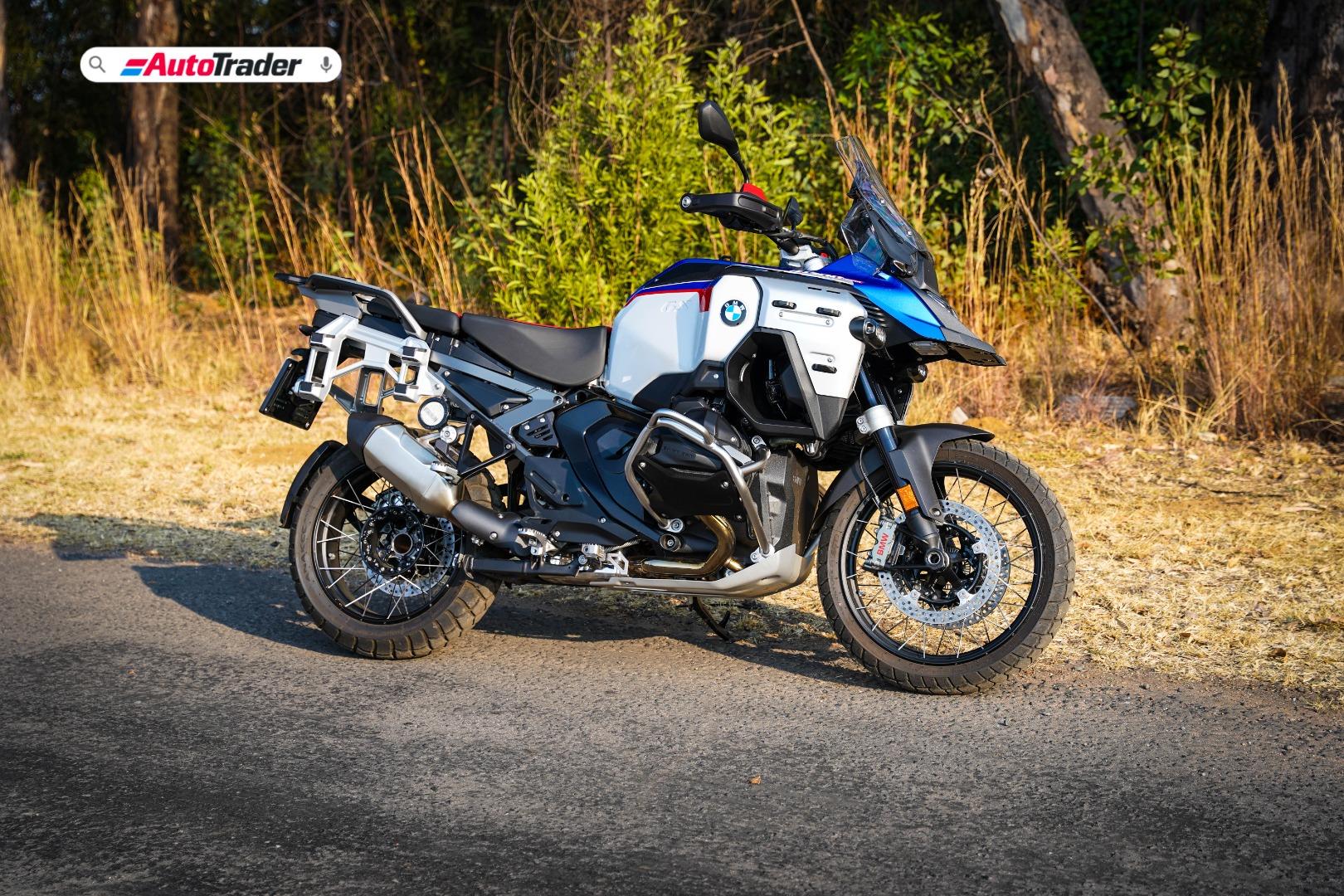
BMW R 1300 GS (and R 1250 GS): ~4.7L to 5.0L/100km
For a massive 1300cc boxer engine pushing a heavy frame, hitting roughly 20 km per litre on the highway is a serious engineering feat.
BMW F 850 GS / F 900 GS: ~4.3L to 4.5L/100km
Yamaha Ténéré 700 (689cc): ~4,5L/100km
The CP2 engine is highly responsive, but if you push it hard into a headwind on the open road, it will creep closer to 5.0L/100km.

Fuel Consumption by Displacement Class
| Engine Size (cc) | Real-World Economy Range | Average Cost per 100km* | Best Local Example |
| 125cc – 200cc | 1.8L – 2.5L / 100km | ~R45 – R60 | Honda Ace 125 |
| 250cc – 400cc | 3.1L – 3.8L / 100km | ~R75 – R90 | Suzuki V-Strom 250SX |
| 500cc – 750cc | 3.5L – 4.5L / 100km | ~R85 – R110 | Honda NC750X |
| 800cc – 1200cc+ | 4.5L – 6.0L+ / 100km | ~R110 – R145+ | BMW R 1300 GS |
*Note: Estimated costs are based on typical South African inland 95 petrol pricing thresholds. Heavy wind, carrying a pillion passenger, or fitting boxy aluminium panniers will increase these numbers.