
In the world of off-road and adventure (ADV) motorcycling, we spend a considerable amount of time discussing helmets, boots, and chest protectors. But your neck—the bridge between your heavy helmet and your torso—is one of the most vulnerable points on your body.
Related: Neck brace vs. Neck roll: Which motorcycle protective gear is safer?
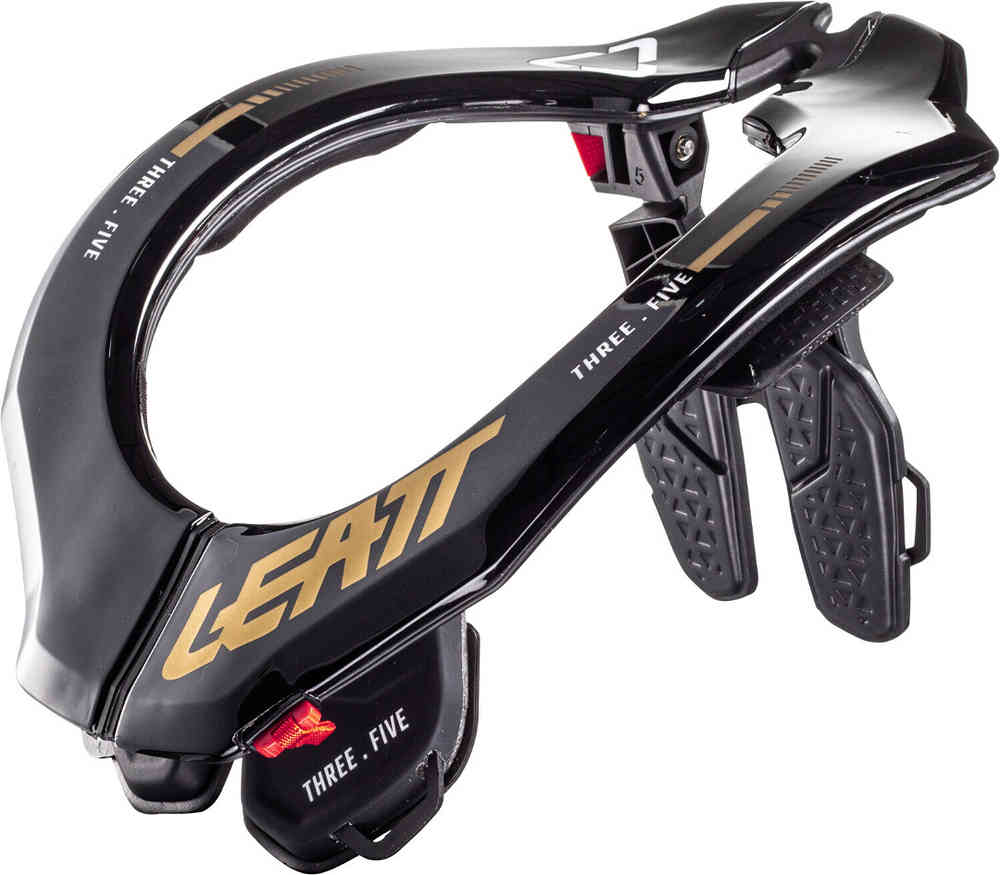
Whether you’re navigating a technical rock garden or cruising a gravel fire road, a neck brace is designed to do one thing: limit extreme head movement during a crash.
Cleaning and Maintaining Your Neck Brace: A Guide to Longevity and Hygiene
Why neck protection is essential
The primary goal of a neck brace isn't necessarily to prevent a "broken neck" in the way many people think. Instead, it acts as an "alternative load path."
When you impact the ground, the brace catches the bottom of your helmet, preventing your neck from overextending. This transfers the energy of the impact from your small cervical vertebrae to your much stronger shoulders and upper back. It protects against:
Hyperflexion: Extreme forward head movement.
Hyperextension: Extreme backward head movement.
Lateral Hyperflexion: Extreme side-to-side movement.
Axial Loading: Compression of the spine from a top-down impact.

What to look for when choosing a brace
Not all braces are built the same, and the best one is the one that fits your body and your gear. Keep these factors in mind:
1. Fit and adjustability
A neck brace must sit close to the body to work effectively. Look for models with adjustable struts, the parts that sit on your back, and shim kits. You want it tight enough that it doesn't bounce around, but loose enough that it doesn't restrict your breathing or basic range of motion.
2. Compatibility with body armour
If you already wear a chest protector or pressure suit, check if the neck brace is compatible with it. Many modern braces feature cut-outs or removable plates to tuck under or over your existing armour.
3. Materials and weight
Carbon Fibre: Lightest and strongest, but most expensive. Ideal for long ADV rides where weight fatigue is a factor.
Reinforced Polyamide: More affordable and slightly heavier, but offers excellent energy absorption.
4. Range of motion
You need to be able to look up for steep climbs and side-to-side for checking traffic or trails. A good brace stops the extreme ranges of motion without making you feel like you’re in a cast.

Common questions
Will a neck brace cause my collarbone to break?
This is a common myth. While older designs occasionally put pressure on the clavicle, most modern braces, such as those from Leatt or Alpinestars, are designed with a split over the collarbone or utilise engineered crumple zones to ensure the brace breaks before your bone does.
Does it feel restrictive?
At first, yes. It feels different to have something near your chin. However, within 20 minutes of riding, most riders forget they are wearing it. It’s a bit like wearing a seatbelt—odd at first, but eventually, you feel naked without it.
Is it necessary for ADV riding?
While often associated with Motocross, ADV riders are frequently on heavy bikes at higher speeds. A low side on a gravel road can still result in a tumble, where your helmet catches the ground. If you're leaving the pavement, a brace is a wise investment.
Summary checklist
| Feature | What to Look For |
| Profile | Low profile for better helmet clearance. |
| Safety Standard | CE certified as Personal Protective Equipment (PPE). |
| Emergency Release | Red tabs or easy-open mechanisms for medics. |
| Weight | Under 800g is ideal for long-distance comfort. |