Motorcycle safety tips for South African roads
Riding a motorcycle is considered dangerous, and it can be if you don't know what you are doing. What compounds this is the state of SA roads, the road etiquette, and the driver education of the people using them. So what is a biker to do?


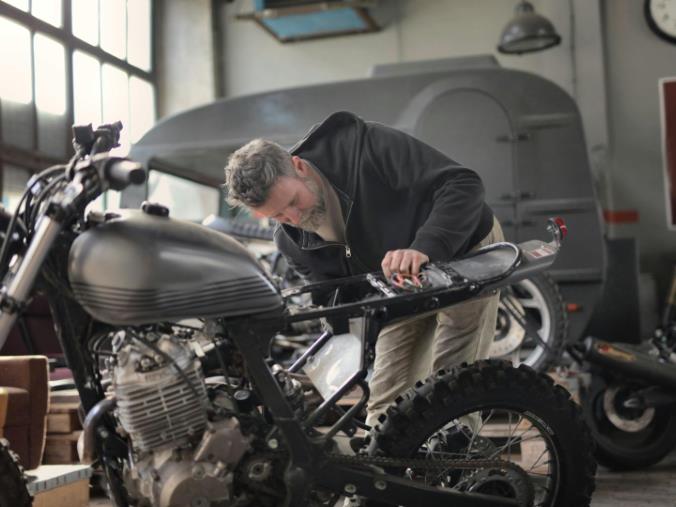

Some of the most vulnerable road users in South Africa are motorcyclists. When a motorbike is involved in an accident, death and permanent disability are the most likely results. Despite this, bikers continue to swing a leg over their favourite machine and take to the roads every day in South Africa, defying their mortality.
Related: S.I.P.D.E. Explained: The 5 Steps Every Beginner Motorcyclist Must Master
Riding a motorcycle on South African roads requires extra vigilance due to diverse road conditions, heavy traffic, and the increased vulnerability of riders. Here are some key safety tips, covering preparation, riding techniques, and everyday hazards
Neck brace vs. Neck roll: Which motorcycle protective gear is safer?

Prioritise Gear and Visibility
Helmet: Wear a properly fitted, full-face helmet that meets safety standards (DOT, ECE, SNELL, or SHARP).
Protective clothing: Wear a jacket and pants with armour for impact protection (shoulders, elbows, knees, hips) and abrasion resistance (leather or reinforced fabrics).
Footwear: Wear sturdy, over-the-ankle boots to protect your feet and ankles.
Gloves: Use full-finger, durable gloves for grip and hand protection.
Visibility: Wear reflective or high-visibility gear, especially at night or in poor weather conditions. Always ride with your headlight on.

Pre-Ride inspection (T-CLOCS)
Before every ride, check:
Tyres and wheels (pressure, tread depth, damage).
Controls (levers, pedals, cables, throttle).
Lights and electrics (headlight, brake light, turn signals, battery).
Oil and other fluids (levels and leaks).
Chassis (frame, suspension, chain tension, sprockets).
Stands (side stand and centre stand).

Defensive riding techniques
Assume you are invisible: The most common cause of multi-vehicle motorcycle accidents is other drivers failing to see the motorcyclist. Always ride as if car drivers haven't seen you.
Maintain a safe distance: Keep a minimum of two seconds of following distance to give yourself time to react to sudden braking or hazards. Increase this distance in poor conditions.
Positioning for visibility:
Choose a lane position (left, centre, or right third) that maximises your visibility to other motorists and gives you an escape path.
Avoid riding in the blind spots of cars and large vehicles, especially trucks.
When approaching intersections, move to a position that allows you to be visible to oncoming traffic.
Scan and anticipate: Constantly scan the road ahead and your mirrors. Look for potential hazards like vehicles preparing to turn, pedestrians, or poor road surfaces.
Braking and cornering skills:
Practice using both the front and rear brakes simultaneously, as the front brake provides most stopping power.
Slow down before the corner, and accelerate gently to maintain stability and traction.
Look through the curve to where you want to go—your bike will follow your eyes.
Avoid Overconfidence: Even experienced riders can make mistakes. Ride within your capabilities and adjust your speed to the conditions.

Addressing specific South African road hazards
Potholes and uneven roads: Potholes, road snakes (bitumen repairs), and general rough surfaces are standard. Constantly scan the road and be prepared to take evasive action.
Distracted drivers: Expect erratic behaviour from drivers who may be using cellphones or multitasking. Be alert for sudden lane changes or braking.
Wildlife and livestock: Be vigilant for animals crossing the road, especially in rural areas and near national parks. Adhere to posted signs and reduce speed.
Rain and Wet Conditions: Heavy rain is common in some seasons. Rain raises oil and diesel from the road, creating an extremely slippery surface (like an ice rink). Reduce speed significantly and increase following distance.
Urban traffic (lane filtering/splitting): While common, be highly cautious when filtering between slow or stopped lanes of traffic. Be aware of unpredictable car movements and do so at a low speed.
Violations of right-of-way: Be prepared for other motorists to pull out in front of you at intersections, even if you have the right-of-way. Never assume a car has seen you.

Training and compliance
Professional training: Consider taking an advanced or defensive riding course to hone your skills, especially for South African conditions.
Licensing: Ensure you have the correct, valid motorcycle license.
Avoid impairment: Never ride under the influence of alcohol or drugs.