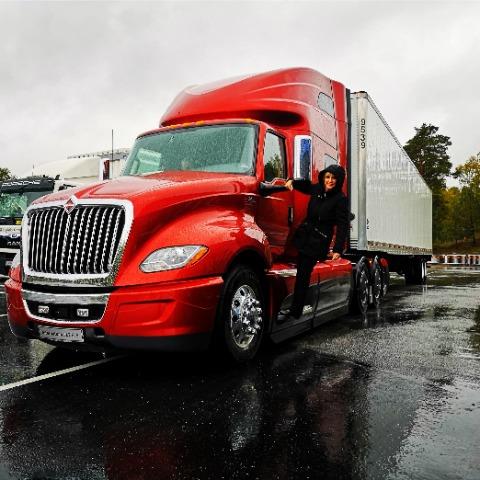
There are now one million connected Volvos – and nearly 9,000 are in South Africa!
Volvo has crossed a major global threshold: one million connected trucks are now operating worldwide. Almost 9,000 of those are in South Africa, where connectivity has shifted from novelty to necessity for most operators.

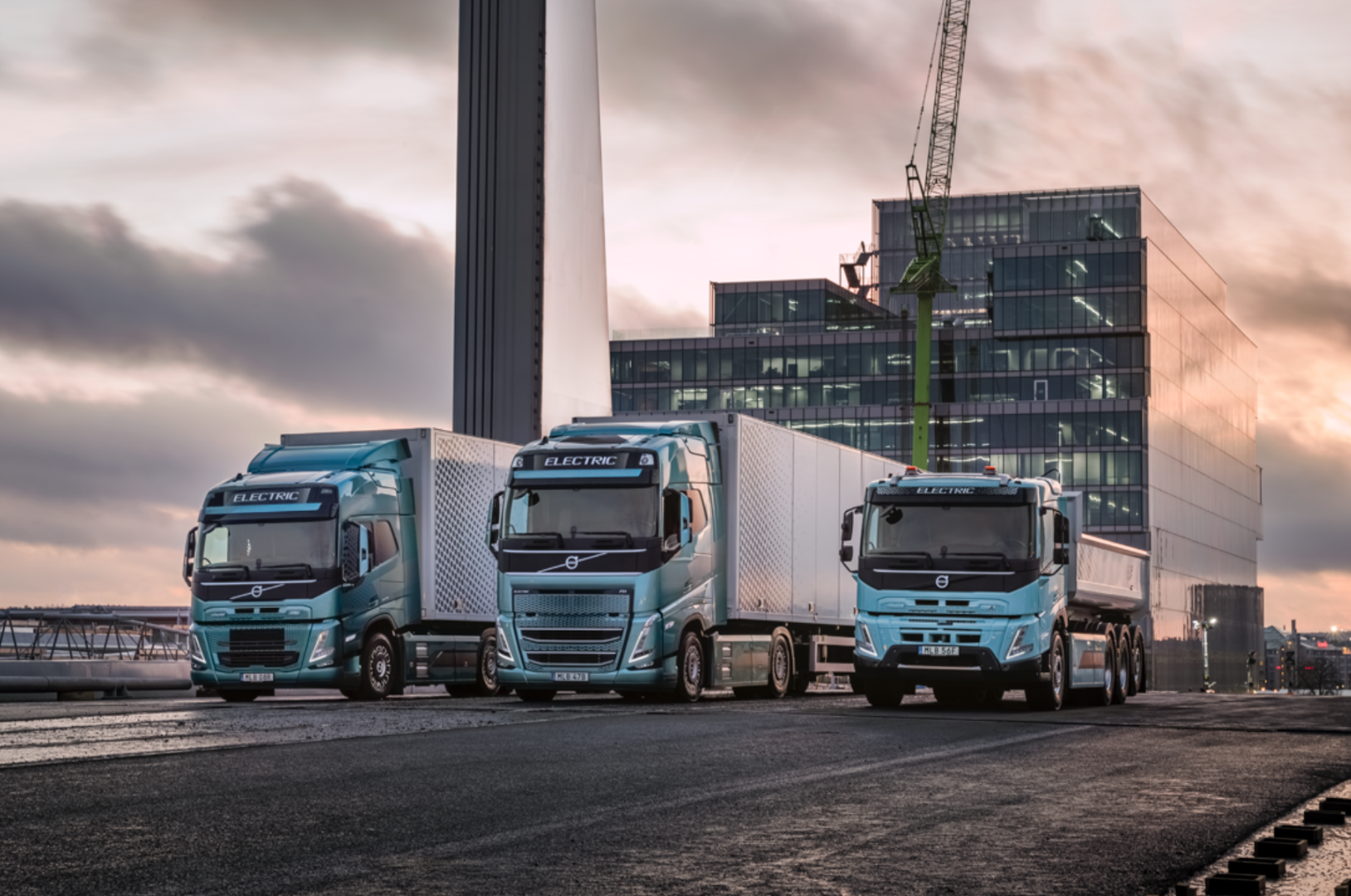


“South African fleets now run 8,963 connected Volvos, and 78% of this year’s deliveries include connectivity as part of the service contract,” says Reshie Balkisson, Director: Aftermarket & Business Development at Volvo Trucks South Africa. The momentum is clear: connectivity is no longer a bolt-on; it is embedded in how fleets plan, run and improve their operations.
But does it pay?
Of course, adoption only matters if it pays its way. On that score, the numbers are compelling. “Up to the end of July 2025, we prevented 432 breakdowns,” Balkisson notes. The alerts that prevented those roadside failures were not exotic engineering riddles; they flagged practical items – air filters, air dryer cartridges, brake pads, clutches and oil – early enough to convert an emergency on the N3 into a planned workshop visit.

Fuel remains the other fixation for every fleet manager. Rather than offering magical percentage promises, Volvo is giving customers the levers and the visibility to find savings themselves. Inside Volvo Connect, the Fuel & Environment module compiles clear reports and scores covering fuel consumption, driving distance, emissions and more. Crucially for boardrooms, it also tracks CO₂ output. “Volvo Connect Fuel & Environment allows customers to track their CO₂ emissions,” says Balkisson, adding that several local fleets have begun setting internal emissions targets rather than waiting for regulation to dictate the pace.

Safety to the fore
Safety is equally central, and here the priority is prevention rather than post-mortem. South Africa’s shocking road safety record requires systems that change bad behaviour – and don’t just record it. The positioning service makes it easy to follow everything from a truck’s location to driver, load and vehicle details, while the safety service highlights speeding, harsh braking and unsafe driving behaviour.

That data is meant to trigger timely interventions – coaching calls, route adjustments, refresher training – rather than to power surveillance. “The commercial team has a fully staffed driver training team,” says Balkisson. “Driver training support is discussed at point of sale and during customer engagements, then delivered during ownership.”
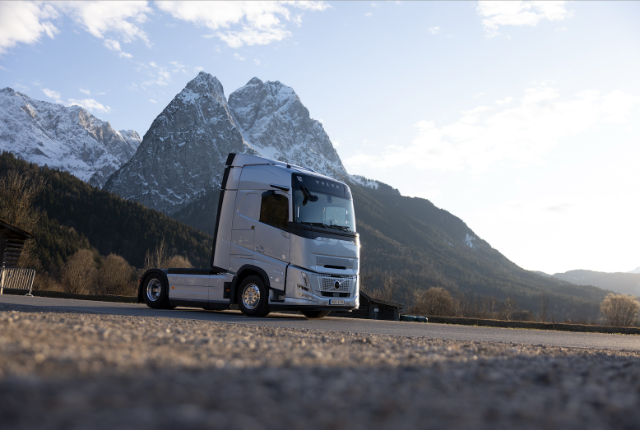
Coverage is not perfect, but it is workable. Connected trucks communicate via a telematics gateway using a SIM card. Volvo partners with AT&T as its global network provider. While mobile coverage through AT&T has proved strong in practice, connectivity can be patchy in certain areas. However, the system is built for that reality: when the truck comes out of a dead zone, the data catches up with it and the platform updates.

New energy vehicles covered too
As decarbonisation gathers pace, connectivity is following suit. “Volvo Trucks South Africa has integrated connected services with electric and LNG trucks,” Balkisson says. This allows early adopters to manage new drivelines with familiar dashboards, alerts and reports. Today’s fuel graphs become tomorrow’s kilowatt-hour curves; driver coaching and route planning translate directly; and the learning loop stays intact.

Local data also flows back into global product development. “With the use of advanced analytical methods and AI, we can analyse large amounts of data and use the findings in our product development,” says Balkisson. South African duty cycles – high ambient temperatures, altitude shifts, mixed road quality – stress components in distinctive ways. Feeding that experience into global R&D helps Volvo design products and services that are more productive, more sustainable and safer everywhere, not just in one market.
Fully integrated digital ecosystem coming
Looking ahead, the roadmap focuses on predictability and integration. The immediate priority is “further buy-in and enhancement of the predictive failure project”, aiming to convert more unplanned stops into scheduled maintenance and to push uptime higher still. Beyond that lies a broader ambition: “a fully integrated digital ecosystem that combines real-time vehicle data, predictive maintenance, remote diagnostics and driver-behaviour analytics.” In practice, that means fewer blind spots in operations, and faster decisions on the workshop floor and in the control room.
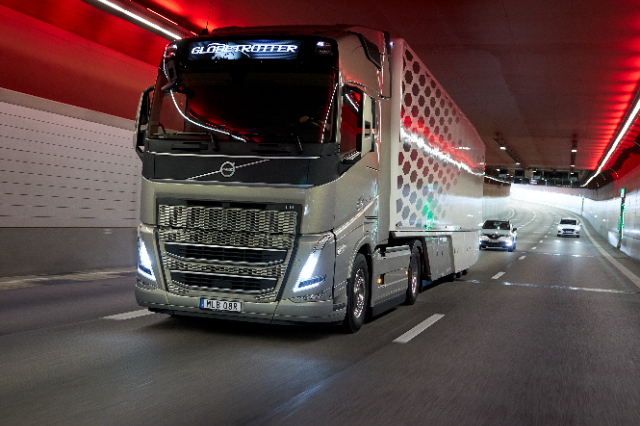
The million-truck milestone is therefore less about a headline number and more about a pattern of use. South African fleets are already applying connectivity to maintenance planning, fuel and emissions management, safety and coaching. And, thanks to that connectivity, the right message is being delivered to the right person at the right time – before a small issue becomes a big bill.