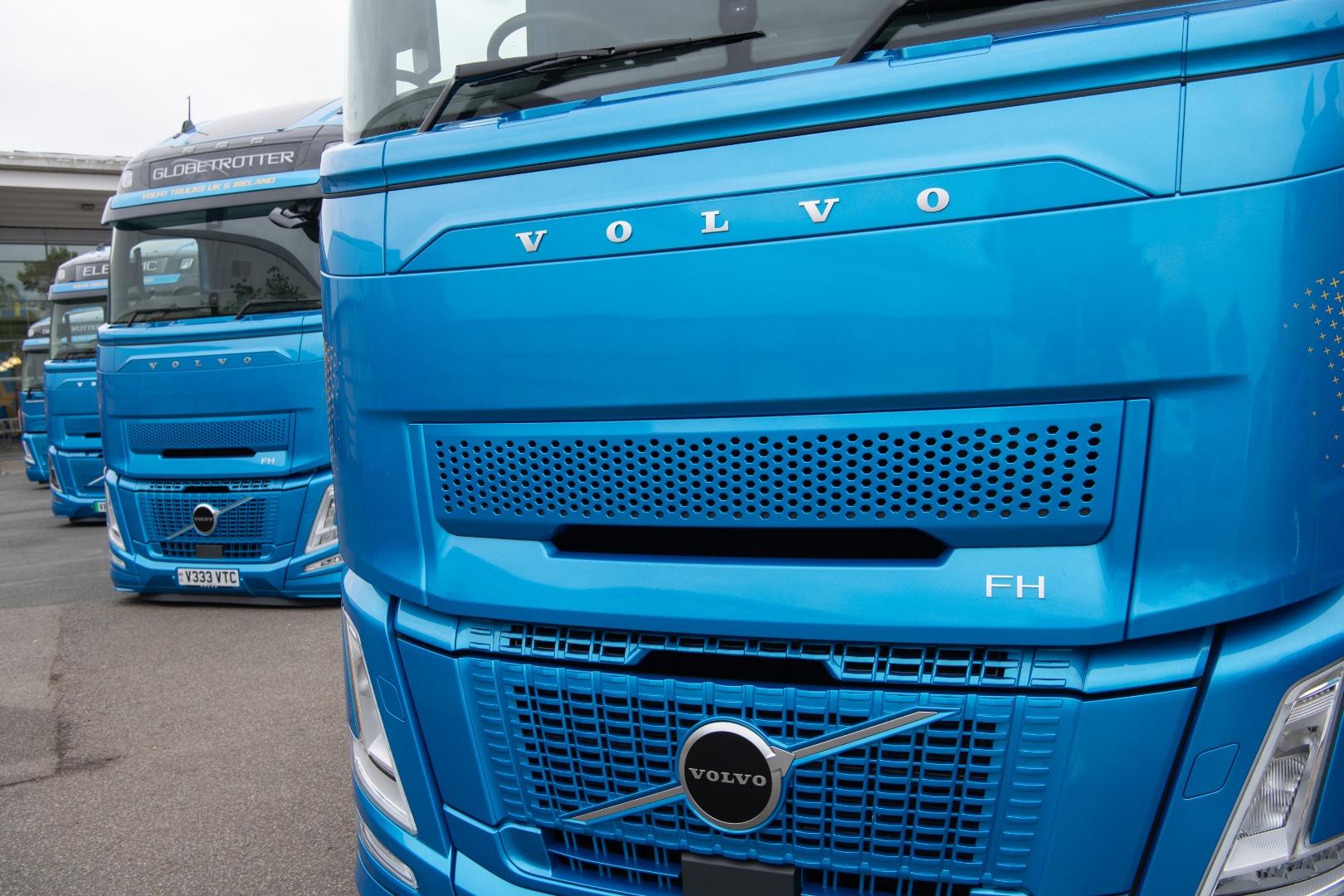
Amid the impressive showcase of Swedish engineering was a clear message with potential implications not only for European hauliers, but also for fleet operators across South Africa and the broader continent: real-world innovation can lead to meaningful reductions in fuel consumption — as much as 5%, according to Volvo.
The big showstopper: FH16 780 XXL
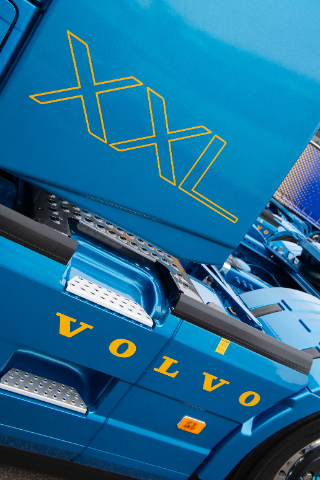
The clear standout was the Volvo FH16 780 XXL, billed as Europe’s most powerful truck, equipped with a newly developed D17 engine delivering 780hp and 3,800Nm of torque. While those numbers alone are impressive, they don’t fully convey the machine’s long-haul muscle or relevance.
With emissions regulations tightening worldwide and fuel prices remaining volatile, power is no longer enough – efficiency and versatility matter more than ever. According to Volvo, the new engine offers a 5% fuel efficiency improvement and roughly 7% more torque than its predecessor. For operators dealing with varied terrain and long stretches – as we see across South Africa – that combination could mean fewer gear changes, better climbing ability, and lower fuel bills.
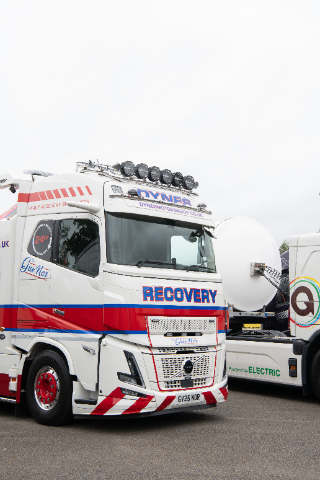
The cab itself – the Globetrotter XXL Aero – has also undergone a significant upgrade, extended by 250mm to provide a more spacious and comfortable sleeper configuration. While that may seem like a small change, it translates to 600 litres of additional cabin space, a full-size bed, and multiple new storage options. The Volvo FH16 780 XXL is not currently available in South Africa and, to be frank, we can’t see Volvo launching a 780hp truck here any time soon.
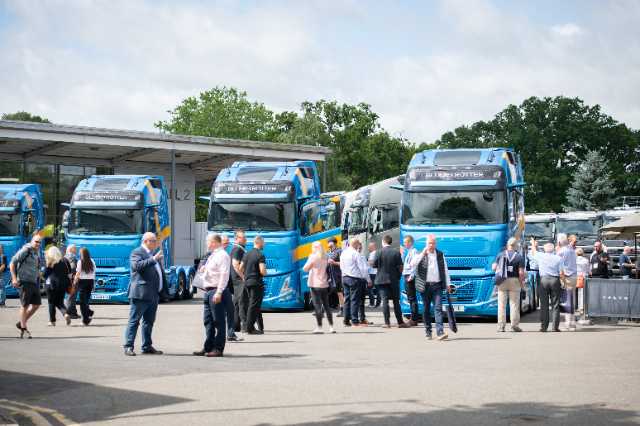
Aero evolution – and it’s coming to SA
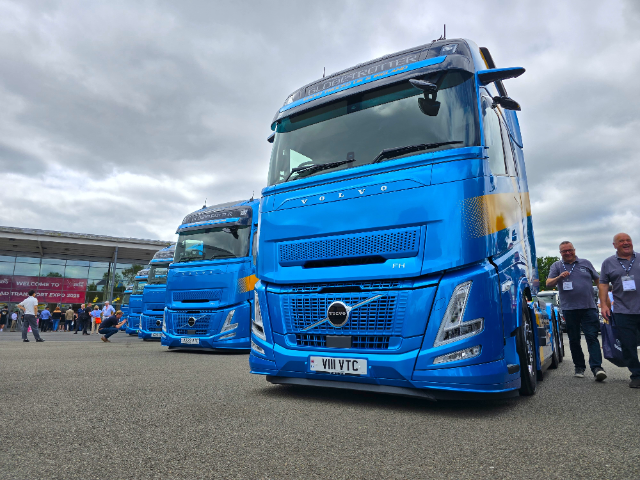
Another headline at RTX was the debut of Volvo’s new aerodynamic cab design, applied to both the FH and FH16 Aero models. The good news is that we will see some Aero models coming to South Africa later this year.
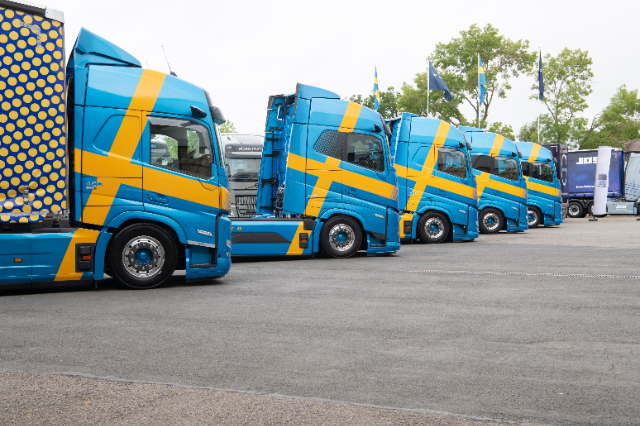
“The changes aren’t just cosmetic,” said Mattias Ahlberg, total offer intro manager at Volvo Trucks. “Reduced drag leads to improved energy efficiency, regardless if it’s a diesel, gas, or electric driveline. In turn, this translates to reduced CO₂ emissions and reduced costs for the customer.”
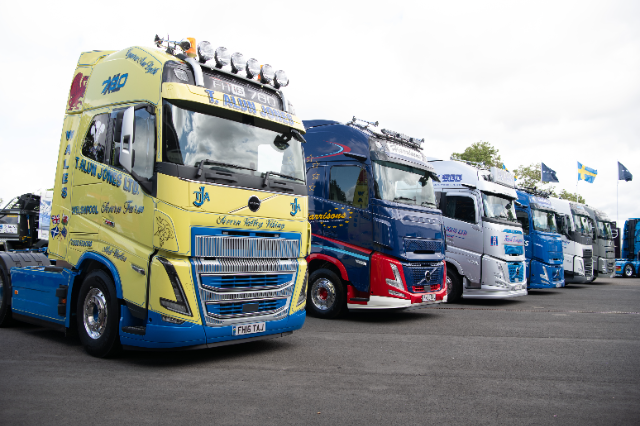
For South African operators, that last point is key. With diesel remaining dominant, trucks that offer better fuel economy without sacrificing performance are likely to become essential fleet investments over the next decade. And the FH Aero achieves up to 5% reduction in fuel consumption and emissions, thanks to its streamlined cab design and innovations like the Camera Monitor System.

A push towards low and zero emissions
Volvo didn’t just bring diesel power to the show. Their RTX stand also included two notable alternatives to traditional internal combustion engine (ICE) powertrains: the FM Electric tag-axle tractor and the latest LNG-powered FH.

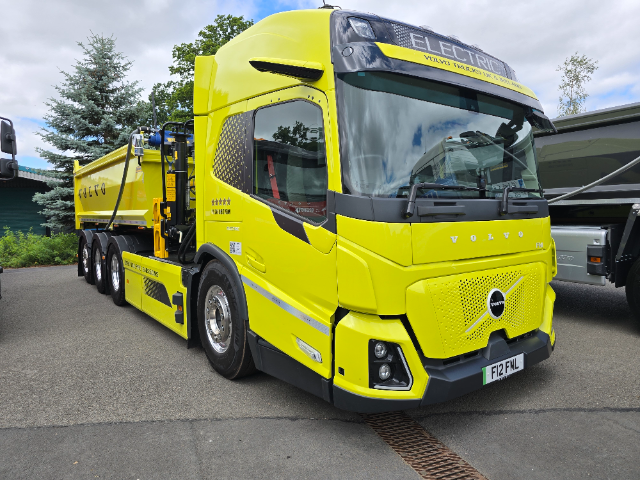
The FM Electric was especially noteworthy. While electric trucks still face infrastructure and range limitations in South Africa, the tag-axle configuration (6x2) demonstrated Volvo’s push to deliver electric units that can handle heavier payloads with more flexibility. With up to six battery packs and the I-Shift transmission optimised for electric drivelines, the FM Electric presents a clear vision of how zero-emission trucks might become feasible in urban or specialised applications, such as local tanker delivery – a use case already being trialled in the UK.
On the gas front, Volvo’s LNG-powered FH trucks provide a real-world compromise – delivering the same torque and horsepower as their diesel counterparts, but with CO₂ savings of up to 100% when running on bio-LNG. While gas infrastructure in South Africa is not yet mature, the potential to cut emissions without changing engine architecture entirely could be significant in future fuel strategy planning.
More than just new metal
Volvo’s RTX stand also included customer favourites like Des Hartley’s FH 500 Aero XXL and a carefully curated range of Selected Used trucks – each under 300,000km and sold with multi-year warranties. These models highlight the brand’s commitment to lifespan value – something that resonates strongly in South Africa, where second-life fleets form a major part of the transport sector.

What Volvo Trucks demonstrated at RTX wasn’t just innovation for its own sake – it was a clear, grounded look at how the industry is evolving to meet new operational, environmental, and regulatory challenges. From the sheer power of the FH16 780 to the emissions-conscious FM Electric and LNG offerings, Volvo laid out a roadmap that’s both ambitious and practical.
As South African fleet owners and operators look toward the next decade, much of what Volvo showcased at RTX may soon shape the decisions they’ll face around powertrain choice, driver comfort, and cost control.