Newcomers and stalwarts face off for 2026 International Van of the Year
The shortlist for the 2026 International Van of the Year (IVOTY) has been revealed, and this year’s line-up captures the changes sweeping across the light commercial vehicle (LCV) sector. With the arrival of Asian brands alongside the European heavyweights, the competition is underlining the sector’s transition to electric power.


Oscars of the van game
The IVOTY award, now in its 34th year, is regarded as the most prestigious recognition for LCVs worldwide. Vehicles are judged on their contribution to efficiency, safety, sustainability, and environmental standards, as well as the extent to which they introduce genuine innovation. To qualify, entrants must be in series production by the end of the award year.

The winner of the 2025 IVOTY was the Renault Master. The award was presented to the new fourth-generation Renault Master at the IAA Transportation in Hanover in September 2024. The jury praised the new Master for its innovative design, multi-energy platform (including diesel, electric, and hydrogen options), advanced aerodynamics, increased efficiency, enhanced safety features, and greater usability and comfort.

This time around, there are seven finalist entries, including one joint nomination between Volkswagen and MAN.
The jury – comprising commercial vehicle journalists from Europe and South Africa – will announce the winner at Solutrans in Lyon, France, on 19 November 2025. South Africa is represented on the jury by Charleen Clarke.
New players from Asia
Two of the most striking finalists on the list come from Asia: Farizon, a Geely subsidiary from China, and Kia from South Korea. Both are entering the global LCV market with bold electric vans.
Farizon’s SV is notable for being built on a bespoke electric platform, not a converted combustion design. It offers a choice of lithium iron phosphate (LFP) or nickel manganese cobalt (NMC) batteries and a range of up to nearly 400km, coupled with rapid charging capability. Cargo space varies from a solid 6.95m³ to an impressive 13m³, making the SV a serious contender in terms of practicality.

Kia’s PV5 is another dedicated EV, built on Hyundai’s E-GMP.S platform. It is central to Kia’s new “Platform Beyond Vehicle” programme, which re-imagines vans as modular tools adaptable for cargo, passenger, or even wheelchair-accessible configurations. With around 400km of targeted range and fast charging ability, the PV5 is clearly aimed at modern urban logistics.
Ford’s triple entry
Ford Pro continues to dominate the headlines with three finalists. The E-Transit Courier is the brand’s smallest electric van, designed with clever loadspace optimisation and rapid DC charging.
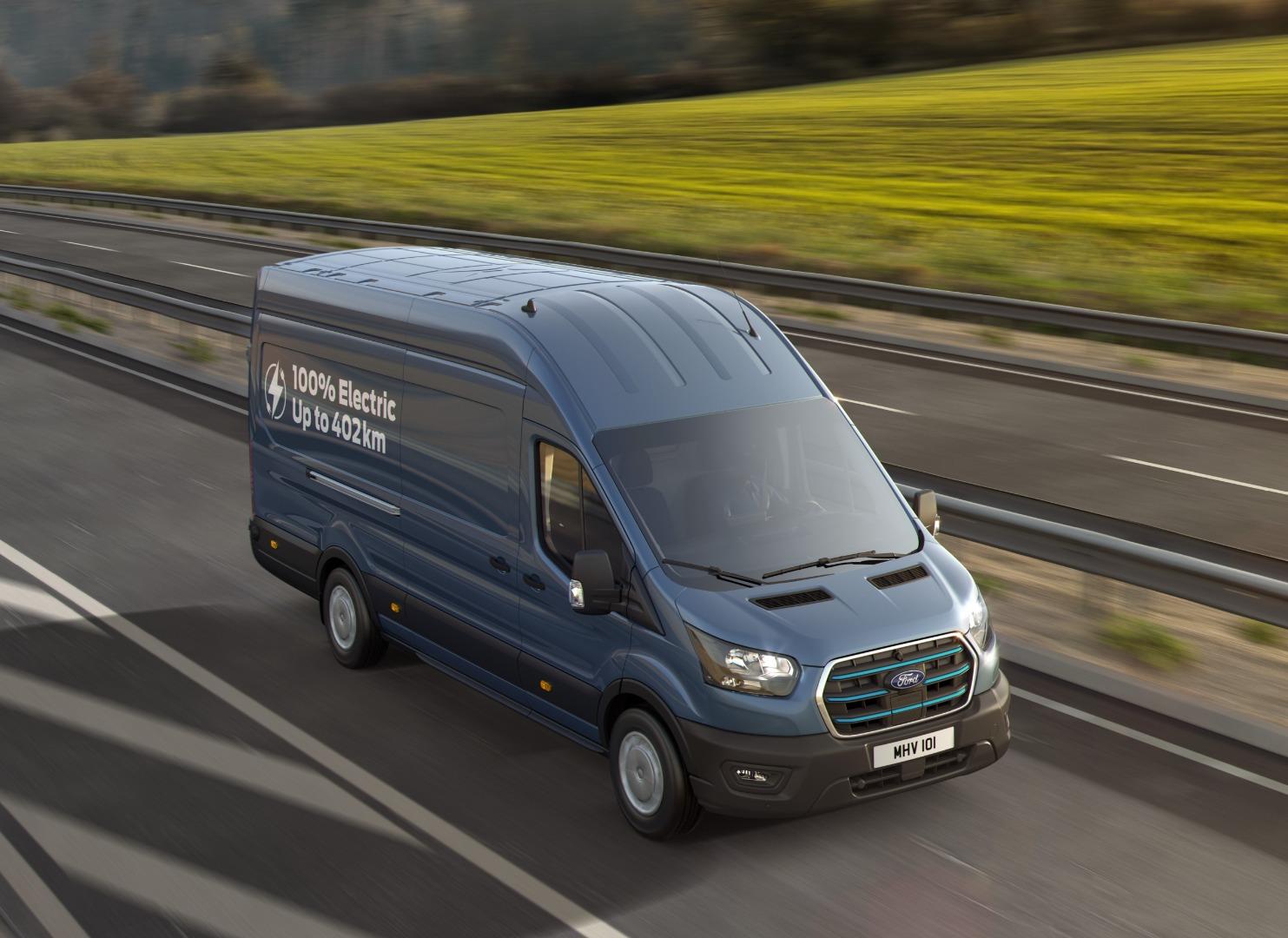
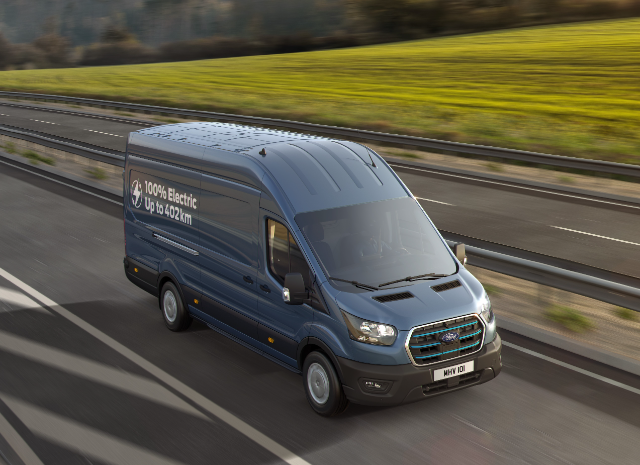
The E-Transit Long Range expands Ford’s electric line-up for operators needing more kilometres between charges. With its 89kWh battery, the van can travel up to 402km, making it ideal for longer regional work.

Meanwhile, the Transit Connect PHEV introduces plug-in hybrid technology to Ford’s compact range, giving fleets a balance between electric driving in cities and petrol power on longer trips.
Joint nomination for Volkswagen and MAN
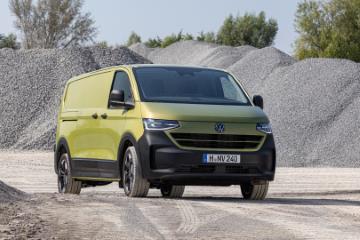
Volkswagen Commercial Vehicles also feature strongly. The new Transporter range, co-developed with Ford, includes diesel and full-electric versions, with a plug-in hybrid coming soon. Payloads are competitive, while the E-Transporter offers up to 337km of range.

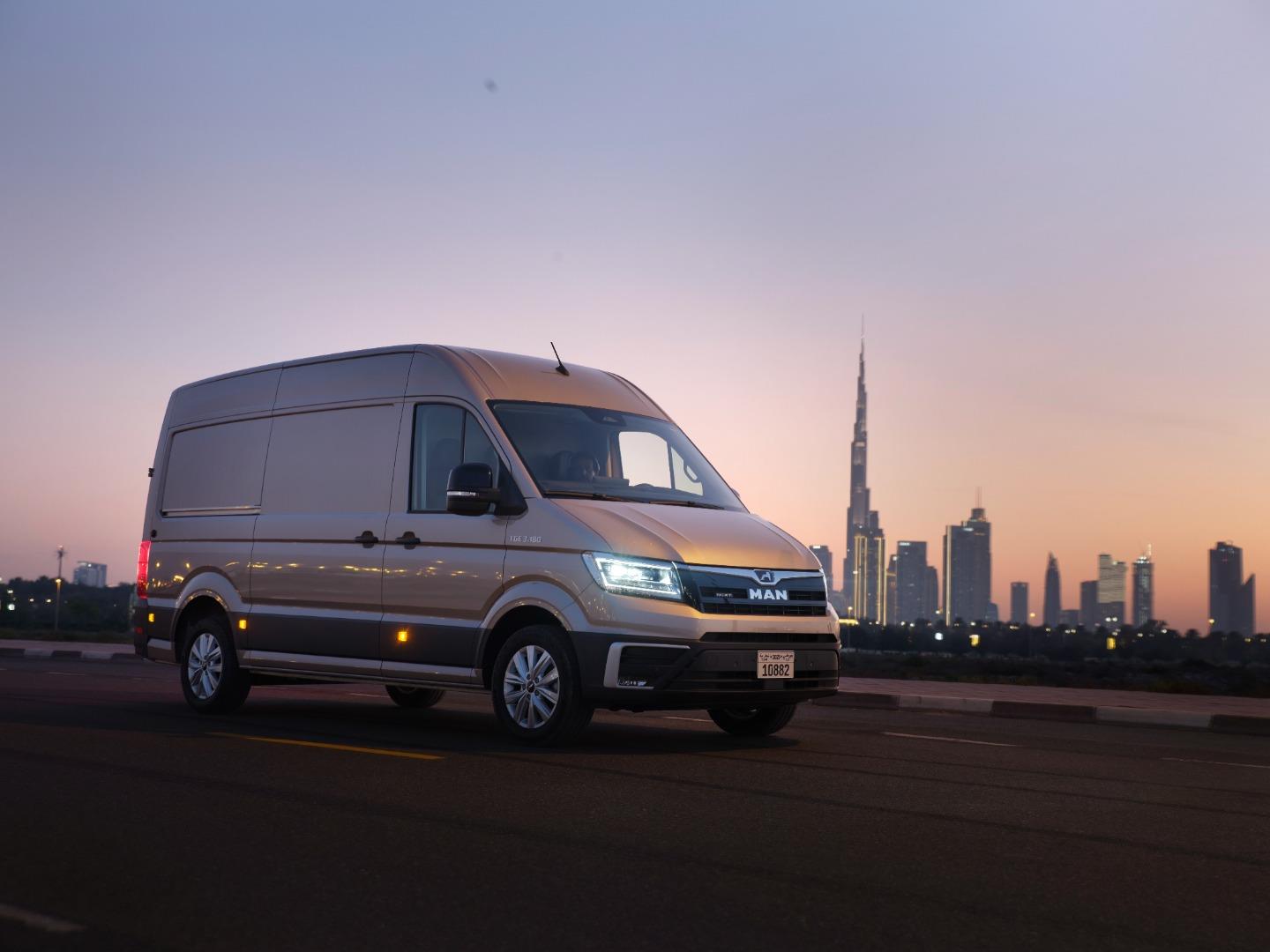
The Volkswagen Crafter and MAN TGE, which share platforms, have been nominated jointly. Their 2025 updates bring refreshed interiors, advanced safety systems, and new digital features. The TGE also introduces stronger engine options and a wide range of specialist body conversions.
A sector in flux
What unites all these vehicles is a clear push toward electrification, modularity, and digital connectivity. The presence of Asian newcomers reflects the globalisation of the van sector, while the established brands continue to adapt with longer ranges, hybrid choices, and enhanced safety.

Jarlath Sweeney, Chairman of the IVOTY jury, summed up the mood: “We’re in a very interesting period, with new players creating new segments and offering fresh solutions. These new brands are welcome, and their inclusion alongside household names makes our voting task more difficult.”
The outcome in Lyon will be closely watched, particularly in South Africa, where the move to electrification is finally gaining impetus. Fleets here may not yet have widespread charging networks, but the international momentum is clear.
So, will the crown go to a newcomer or a seasoned favourite? We will know on 19 November!