
Fendt Unveils Its First Hydrogen Tractor: A Glimpse into the Future of Farming
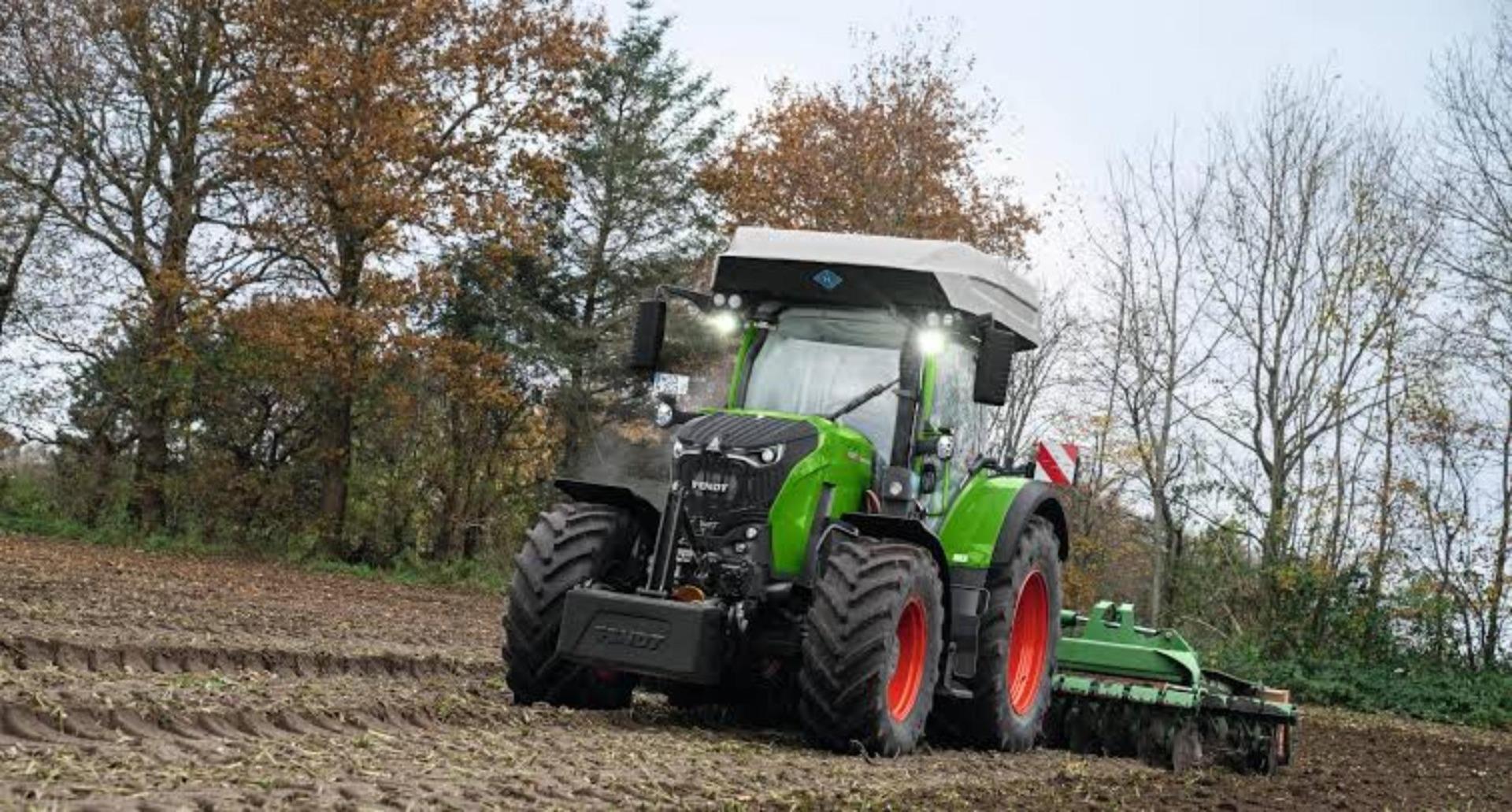
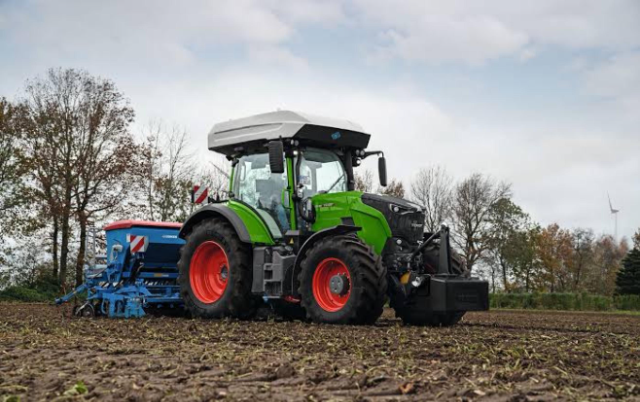
Fendt has taken a bold step into the future of agricultural technology with the unveiling of its first hydrogen-powered tractor at the German Hydrogen Summit. The debut of Fendt’s hydrogen tractor marks an essential milestone in the brand’s long-standing commitment to innovation. It signals not just a new type of power source, but a shift in how agricultural machinery can integrate with the broader energy transition, turning farms into both producers and consumers of renewable energy.


A Tractor Powered by Hydrogen
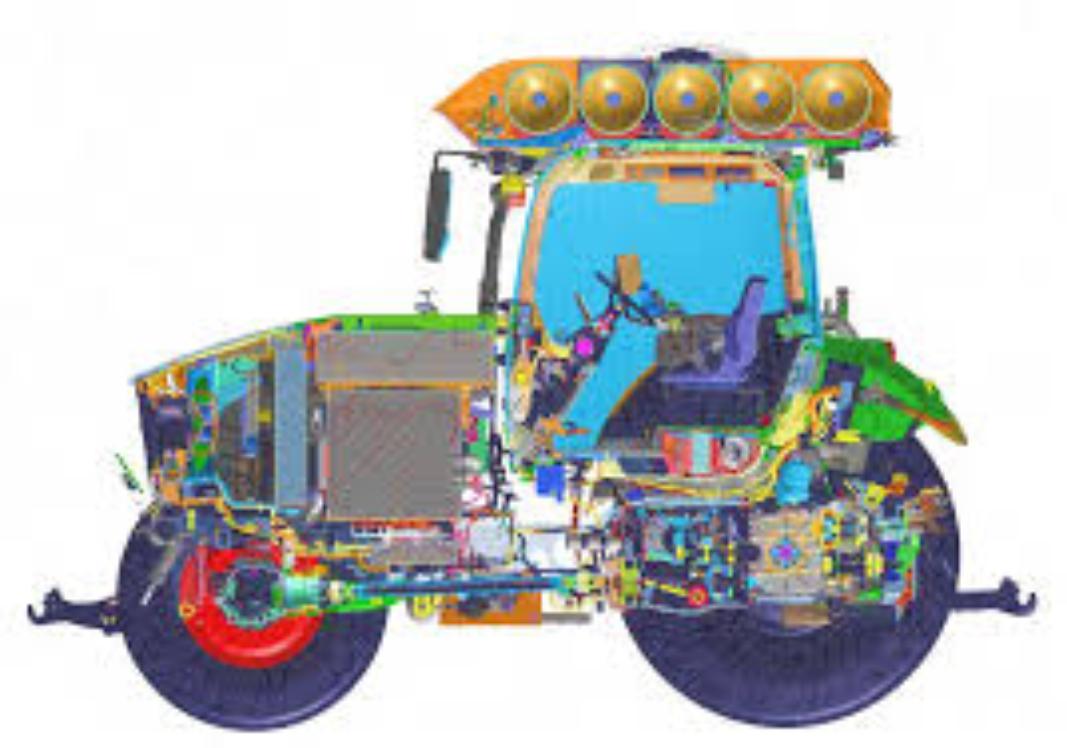
At the heart of this prototype is a hydrogen fuel-cell system. Unlike traditional diesel engines, which burn fossil fuels, hydrogen fuel cells generate electricity by combining hydrogen and oxygen, producing only water vapour as a by-product. This means that, in operation, the tractor emits no carbon dioxide at all—a breakthrough for an industry under increasing pressure to reduce emissions.

The hydrogen tractor is part of a wider research initiative known as H2Agrar, based in Lower Saxony, Germany. Through this project, Fendt will test the prototype on real farms, where it will perform everyday agricultural tasks. These trials will help engineers and farmers evaluate its practical performance, fuel consumption, reliability, and ease of refuelling under genuine working conditions. The goal is to understand how hydrogen-powered machinery could integrate into normal farm operations without compromising on power or productivity.
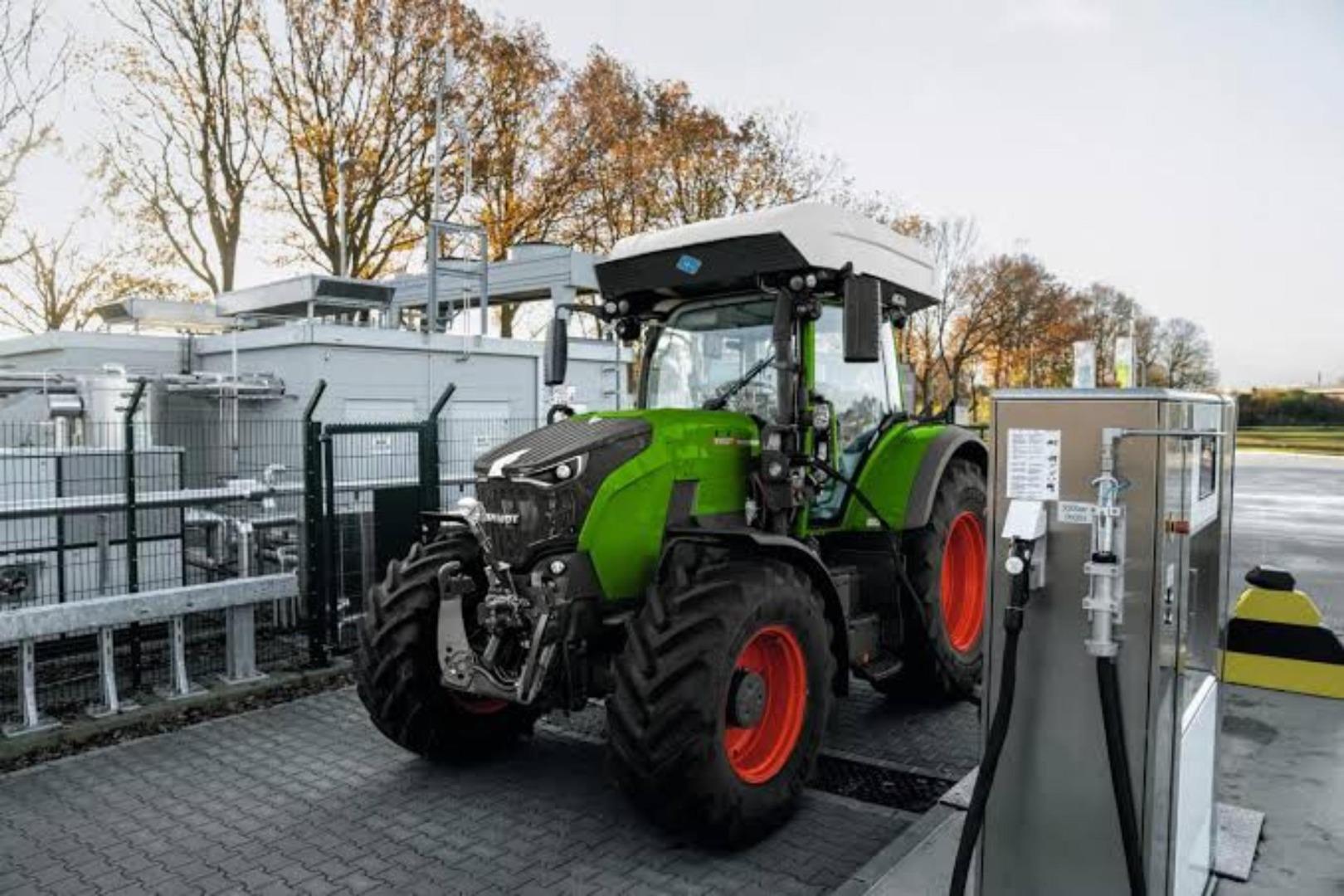
Infrastructure: The Missing Piece
While the technology behind hydrogen power is promising, one of the biggest challenges lies in building the infrastructure to support it. Unlike diesel, hydrogen is not yet readily available in rural areas, and refuelling networks are still in their infancy. Through the H2Agrar project, Fendt and its partners are working to develop a local hydrogen ecosystem that could be replicated elsewhere.

This includes producing hydrogen from renewable energy sources, such as wind turbines or biogas plants, and creating on-site storage and refuelling systems that make hydrogen farming self-sufficient. The idea is that farms could not only use hydrogen to power their tractors but also produce it themselves, becoming part of a circular energy economy.
The Promise and the Questions
The potential benefits of hydrogen tractors are clear. With zero tailpipe emissions, they offer an immediate way to reduce agriculture’s carbon footprint. They could also utilise surplus renewable electricity generated on farms, converting intermittent energy into a storable and portable fuel source.
However, the move toward hydrogen farming is not without its uncertainties. The cost of hydrogen production and storage remains high, and the technology for fuel cells must prove durable enough to withstand the harsh realities of farm work, including dust, vibrations, and long operating hours. Furthermore, without a reliable network of hydrogen filling stations, early adopters may face logistical challenges.
The upcoming field trials will therefore be critical. They will determine not only whether hydrogen tractors can match diesel performance but also whether they can do so efficiently, safely, and economically. These findings will help shape the next steps in Fendt’s development program and may influence the broader direction of sustainable farm machinery worldwide.
A New Chapter for Sustainable Agriculture
Fendt’s hydrogen tractor is more than just a prototype - it’s a symbol of what the future of farming could look like. By combining cutting-edge technology with practical on-farm testing, Fendt is showing that the transition to low-emission agriculture is not just a distant ideal but an achievable goal.
While it may be years before hydrogen tractors become commonplace, the groundwork being laid today is crucial. If the trials succeed, hydrogen could one day join electrification and biofuels as a viable path toward sustainable, self-powered agriculture.


