4 Fuel-saving tips for your tractor operations
Given the significant contribution of fuel to a farmer's input costs, every increase in fuel prices directly affects the farm's financial outcome. Adhering to fundamental fuel-saving guidelines can help mitigate rising fuel and energy expenses. Godfried Heydenrych, Managing Director of ARGO Tractors SA, emphasizes, "Even a minor enhancement in efficiency can positively impact the financial standing."


Tillage and field operations account for a significant portion of energy consumption in crop and livestock production. At McCormick, we're dedicated not only to providing top-tier equipment to our customers but also to offering exceptional service and advice to enhance on-farm efficiency," noted Heydenrych.
The following tips aim not only to decrease fuel consumption on your farm but also to extend the lifespan of your McCormick tractors and equipment while safeguarding the environment.
The tips are categorized into the following areas:
1. Tractor Efficiency, Operation, and Maintenance:
Maintaining farm vehicles and equipment as per the operator's manual is a simple yet effective way to achieve fuel efficiency. Regular maintenance and optimal equipment conditions save fuel and money, reduce repair costs, and enhance reliability.
A study by the University of Maryland demonstrated that a comprehensive service led to a nearly 15% reduction in fuel consumption for 50 tractors. Additionally, the maximum horsepower of these tractors increased by an average of approximately 11%.
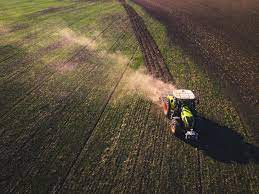
A timely maintenance schedule conducted by an authorized McCormick dealer ensures equipment remains in good condition, extends its life, and improves fuel efficiency. Heydenrych underscores the importance of preventative maintenance, stating, "Preventative maintenance and services are crucial to ensure tractors operate at maximum efficiency."
Adequate maintenance before and after planting and harvesting is especially critical. Following the instructions in the McCormick operator’s manual, including routine fuel, oil, and air filter changes, is vital for maintaining engine efficiency and reducing fuel consumption.
Selecting high-quality parts during maintenance and seeking advice from the nearest Argo dealership are essential practices.
Correct engine oil with the appropriate viscosity for a specific engine should always be used. Properly inflated tires, aligned wheels, and using the right size tire for each tractor significantly impact fuel consumption and tire longevity.
Refraining from straining tractor engines, avoiding quick starts, minimizing idling, and operating tractors at appropriate settings for specific tasks are practices that enhance fuel efficiency.
2. Implement Efficiency:
Matching the tractor size to the implement being used in the field saves energy and reduces operational frustration. Selecting the smallest, lightest, and most suitable tractor for the job improves fuel economy and efficiency.

Considering the horsepower needed for a specific field task before purchasing a tractor or implement helps optimize fuel usage.
3. Cultivation Efficiency:
Embracing conservation tillage practices can lead to significant fuel savings compared to traditional methods. Additionally, reduced tillage can halve tractor use, extending the life of the equipment. Being mindful of the speed at which implements are pulled is crucial, as increased speed requires more power and, consequently, more fuel.
Adhering to precision agriculture principles aids in cost reduction by utilizing fuel more efficiently. Implementing GPS guidance systems and auto-steer technology optimizes routes, eliminates overlaps, and reduces time and fuel consumption.
Maintaining a consistent wheel traffic pattern in the field minimizes soil compaction, enhancing crop growth and energy use efficiency.
4. General Farm Efficiency:
Correct storage of fuel and lubricants is essential for both safety and efficiency. Utilizing approved, well-maintained, secure aboveground storage tanks prevents fuel loss due to evaporation, leaks, theft, and fuel contamination.
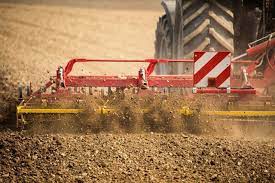
Buying diesel in bulk can save costs, but it's crucial to use the stock within a reasonable timeframe and maintain accurate records of fuel stock and usage.
Routine inspections and shading of fuel tanks, along with proactive checks for leaks, are necessary precautions.
Incorporating these strategies into farm operations can lead to substantial fuel savings, prolong equipment life, and contribute positively to the farm's overall efficiency and financial health.