
2024 Honda Elevate 1.5 Elegance Review
With the compact SUV segment bursting at the seams, how do you decide on a specific model? If the brand has a solid reputation for reliability and the model doesn't cost the earth, the choice should be an easy one. We spent some quality time in Honda's top-spec Elevate model to find out if it's a win.


In this article:
Honda's new Elevate has South Africans talking; who doesn't love a reliable car and if it's an affordable compact crossover from a brand that builds near-bomb-proof vehicles, even better! After attending the launch earlier this year, the top-spec Elevate came to visit us in Hermanus for a week-long test.
Related: Honda Elevate (2024) First Drive Review
Styling
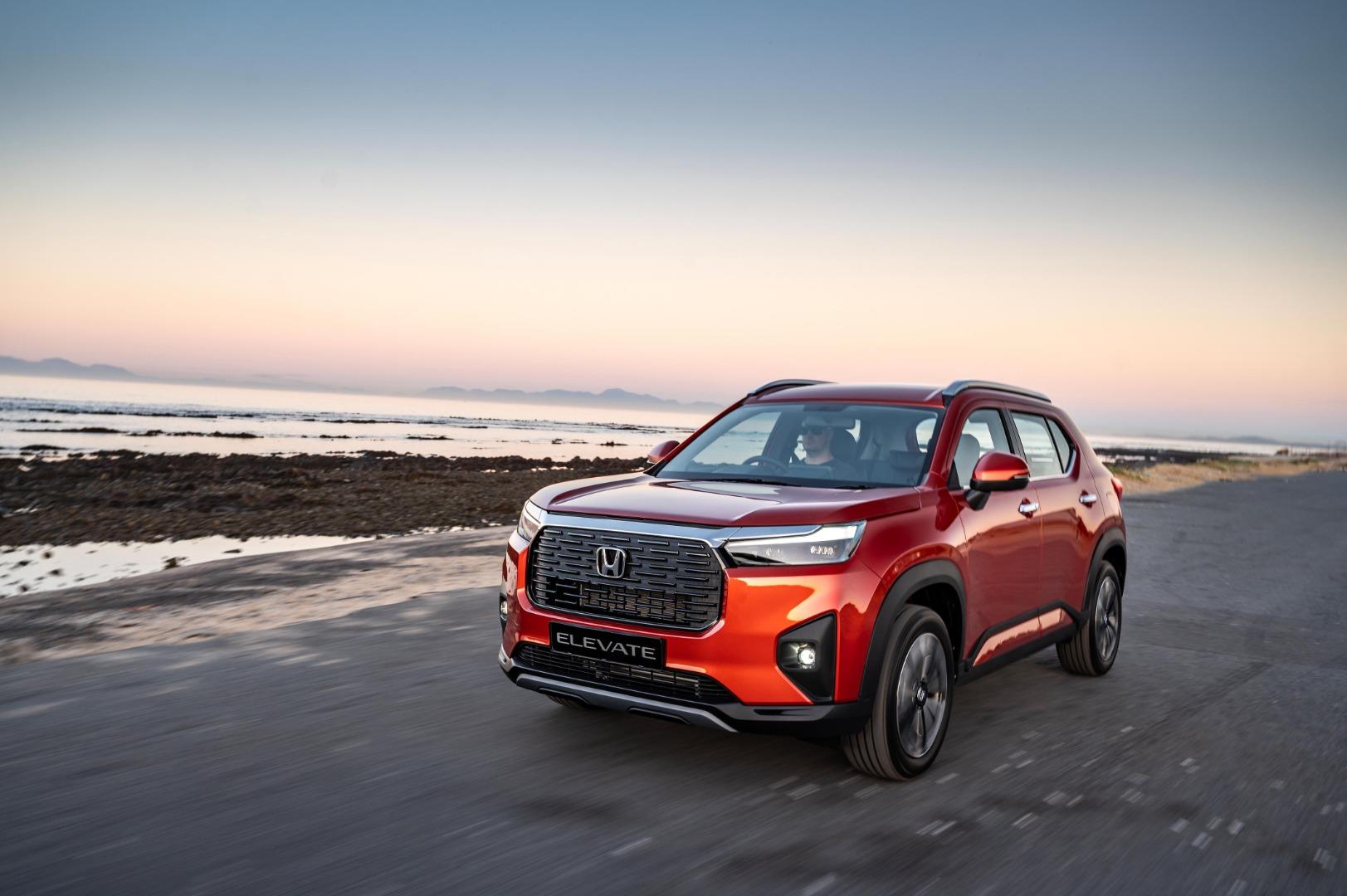
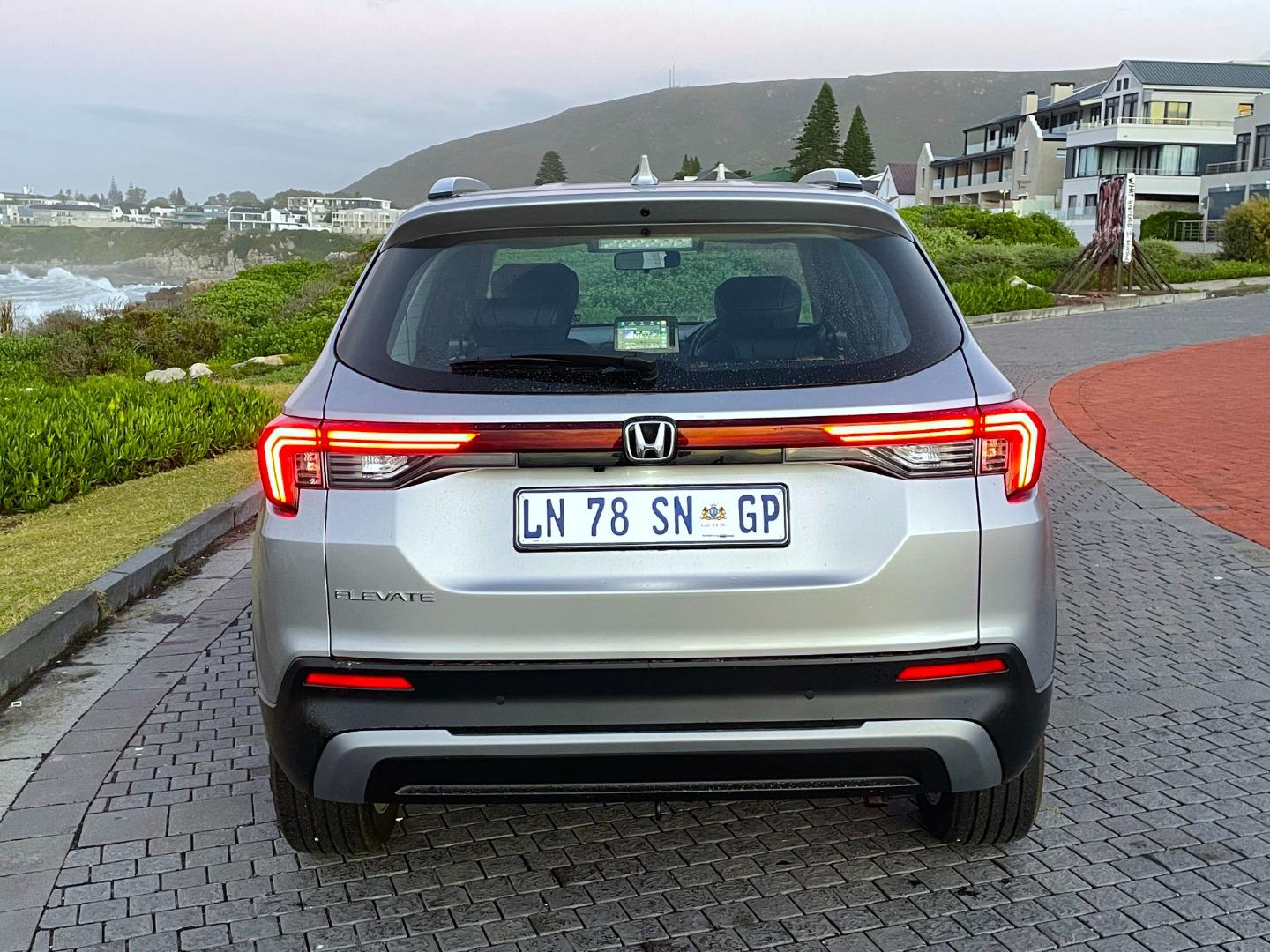
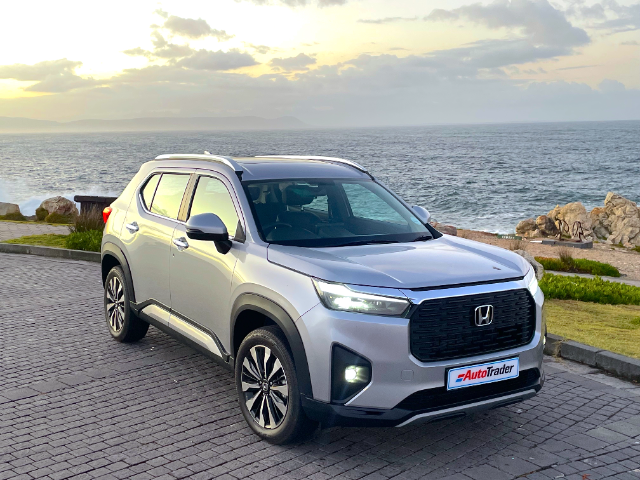
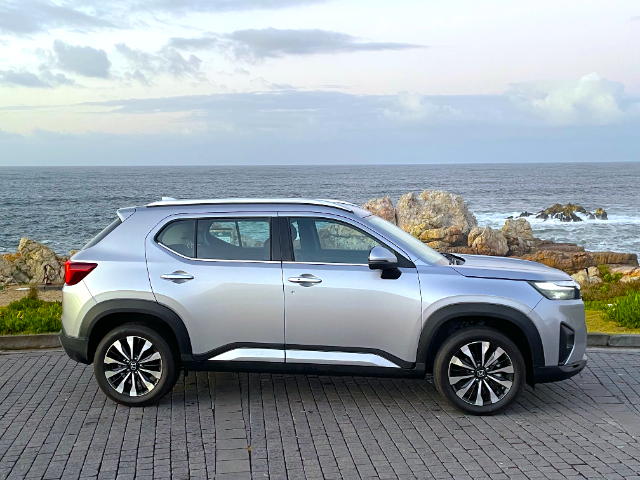
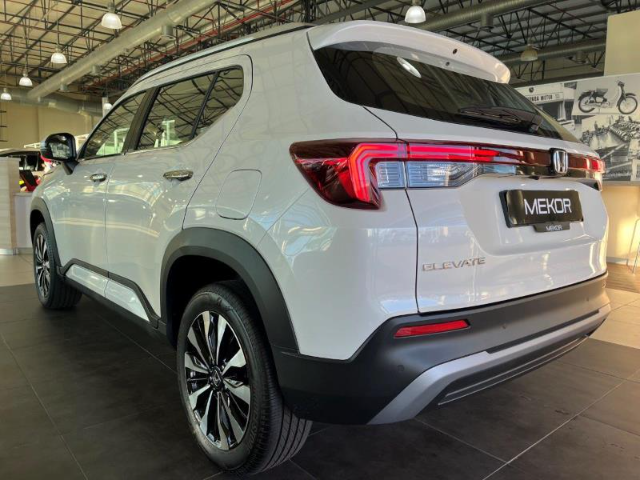
At first glance, the Elevate looks like a previous-gen Toyota Urban Cruiser or Suzuki Vitara Brezza, but upon closer inspection, you realise the Elevate looks more upmarket, inside and out. At the rear, and viewed from the side, there's some Kia Sonet influence too; in fact, almost all of the Honda Elevate (apart from the swept-back headlamps) looks like it could hail from something else.
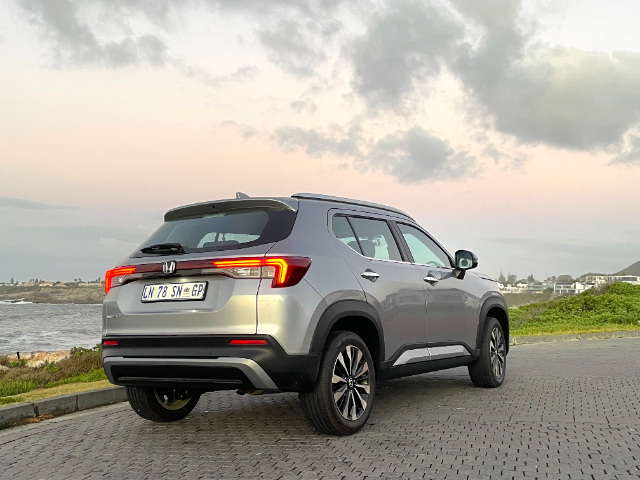
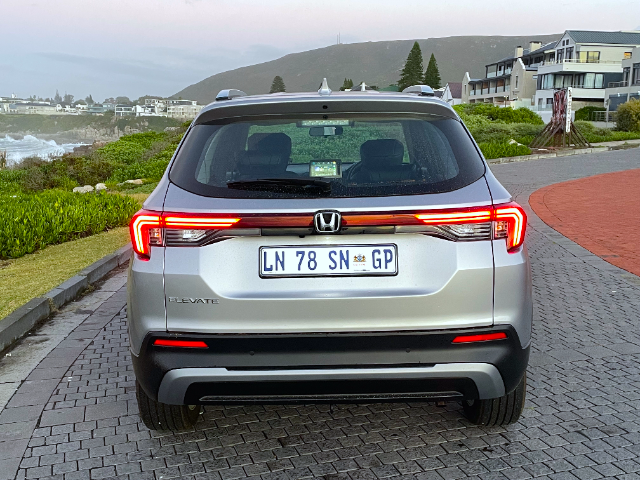
This isn't a bad thing; at the moment, all these design elements are very much in fashion, and people love features like the roof rails, side cladding, and cool alloy wheels (only present on the Elegance model), 3D taillights, high ground clearance (22 cm!) and the boxy shape that allows the designers to carve out more space inside.

Space & Interior
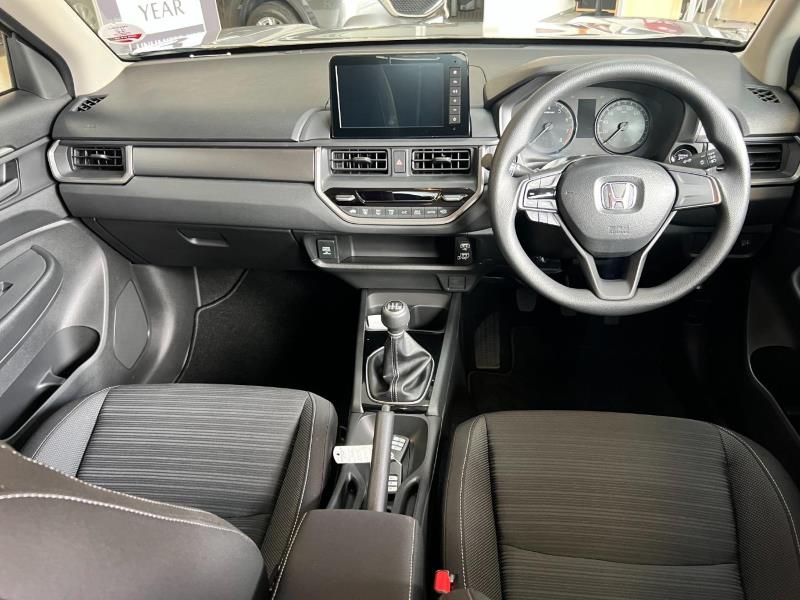
Overall, it may not be the most exciting interior, but it's the true-to-form Honda build quality and practicality that we know and love, and despite some of the surfaces being hard (it's not supposed to be a premium offering), there are enough soft-touch surfaces for an upmarket ambience. In the Elegance model, potential owners also have a lovely sunroof to look forward to and full leather seats that allow for a quick wipe if your garage pie's filling falls out en route somewhere.
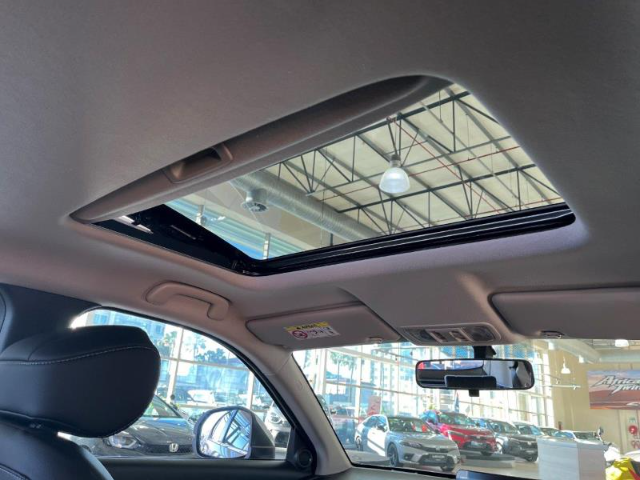
And speaking of space, it is ample! Whether you're playing DJ in the front passenger seat or lounging in the back, you have legroom and shoulder room galore. Do you have to cart off three to four teenagers to school every morning? No problem; three fit side-by-side on the second row and the boot is a massive 458 litres, which is class-leading for the segment. So massive, that you can fit an adult bicycle into it without removing a front wheel—you just need to fold the seats flat when the kids aren't riding along, and angle the wheel to the side.
Related: Is the Honda Elevate good for families?

Comfort & Convenience
The interior layout is well thought-out and not much brain power is required to operate the touchscreen system and everything else, making it a great vehicle for new drivers.
You have your steering wheel buttons, a sufficient number of cupholders and binnacles for smaller items, plush carpets, climate control, and two USB-A ports up front, while the rear passengers have a 12V power socket at their disposal, which can be used to plug in a portable USB hub.
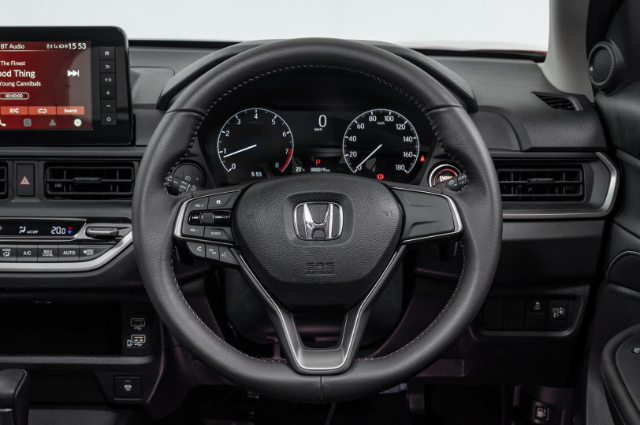
With built-in Apple CarPlay and Android Auto functionality, the touchscreen also allows for hands-free operation and the 6-speaker sound system sounds decent, even when you're travelling at 120 km/h on the highway. It's evident that Honda invested in sound-deadening materials because the cabin is quiet and you don't really hear the engine until you put your foot down, but more on that later.
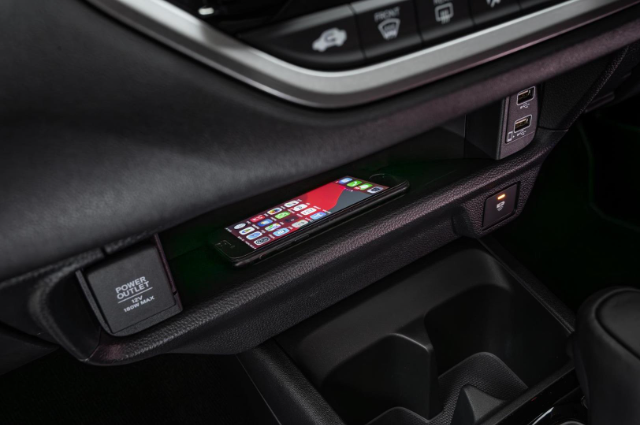
Elegance models have a wireless charging pad for your phone but it is completely useless. I tested it out on launch and again in our test model, but it was unable to charge my iPhone at all. In the end, I used this surface for storing my basement parking ticket instead.
As for seat comfort, the Elevate's seats are exceptionally comfortable and the driving position is exemplary, allowing for excellent visibility. My co-driver on launch complained that the driver's seat doesn't move back far enough, but this is only an issue if you're on the taller side. I would recommend visiting the dealership and trying it out for yourself.
Performance and ride quality
The reliable, naturally aspirated 1.5-litre engine (also available in other well-known Honda products like the Ballade) is of a free-revving nature, and energetic enough to overtake slower traffic as needed.
Honda's tried-and-tested CVT gearbox has that ubiquitous drone that we've come accustomed to over the last few years, but it's only if you put your foot down hard that you're really aware of it. You'll also find some 'flappy paddles' for 'manual' gear changes but it's not something I ended up using; after all, the transmission is built to keep the engine where it needs to be, rev-wise.
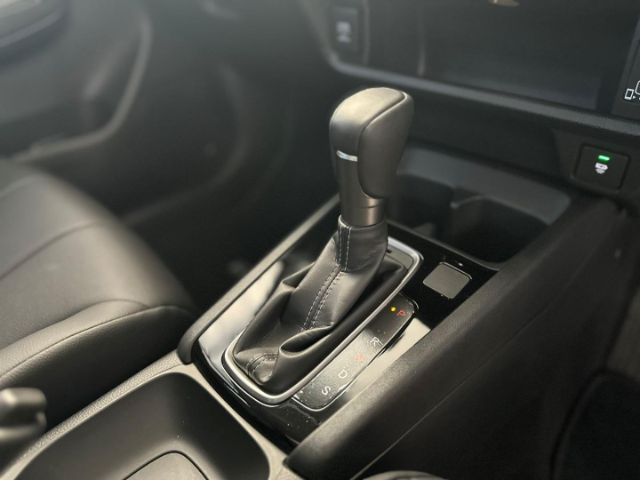
Most people are irritated by that CVT soundtrack because it sounds like the engine is gritting its teeth but it's not like that at all, it's just the way that CVTs (continuous variable transmissions) work:
Because there are no actual gears or physical changes, a CVT gearbox can come across as whining, especially when accelerating at full throttle. Most times, the engine revs will remain pretty high and constant, with no discernable change in the engine note, all while the vehicle accelerates forward. This can be disconcerting at first but we assure you, there's nothing wrong with it. -Chad Lückhoff, from What is a CVT gearbox?
As for the ride quality, the Honda is perfectly sprung: not too soft so it feels unsettled around corners, and not too hard so it shakes your fillings loose. The surefooted driving experience almost borders on the dynamic side, which is not what we usually expect in this segment.
Fuel Economy
Because a CVT transmission is designed to keep the engine operating at its most efficient RPM range at all times, it also keeps feel usage to a minimum. After our week of mixed driving, the trip computer registered a frugal 7 litres per 100 km, which included a few fast trips to the airport and plenty of heavy city traffic.
The Elevate has a 40-litre fuel tank and your range stretches to about 570 - 580 km, depending on things like your speed and general driving style.
Safety
Hondas are known for building safe cars and both models in the lineup have features like traction and stability control to complement ABS and EBD, a rearview camera and rear-parking sensors, LED daytime running lamps, LED headlights, headlight levelling, and indicators in the side mirrors. The outer rear seats are Isofix compatible.
The Elegance model has six airbags, while the entry-level Comfort model only has two up front.
Top 3 safety features on a Honda Elevate

Price
Pricing is up slightly since the launch; the 1.5 Comfort model now costs R371 000 and the 1.5 Elegance we tested now retails for R430 800. Honda includes a 5-year / 200 000 km warranty and a 4-year / 60 000 km service plan. You'll service your Elevate every 15 000 km.
How much are car repayments on the Honda Elevate?
Competitors
There are so many competitors in this segment, but we reckon its fiercest rivals include Kia's Sonet, the Suzuki Grand Vitara, Toyota Urban Cruiser, Hyundai Venue, Renault Duster and even the Haval Jolion, along with the VW T-Cross, and Mazda CX-3, to name a few.
Cheaper options like the Suzuki Fronx, Nissan Magnite, and diesel-powered Mahindra XUV300 shouldn't be ignored either.
Honda Elevate vs Toyota Urban Cruiser vs Kia Sonet: Running cost comparison
Verdict
Honda's Elevate feels right on so many levels. It's conservative, well-built interior should age well; it's low on fuel, big on space and features, and is perfect for families. In short, it has everything a modern urban dweller needs.
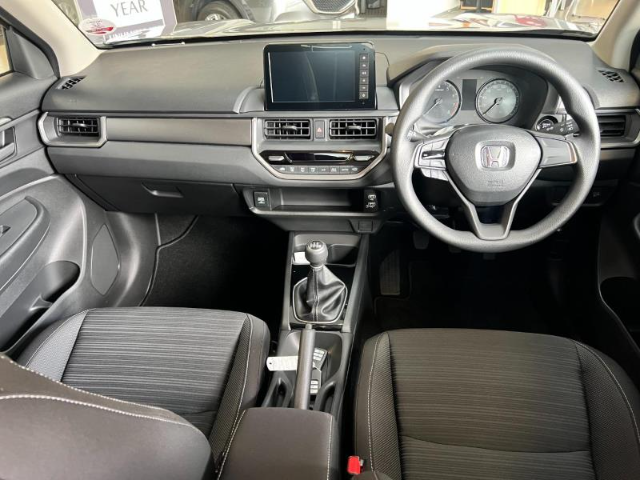
While the top-spec model may be out of reach for many buyers, we recommend going for the entry-level Comfort model (see above), which is significantly more affordable, and has a six-speed manual gearbox.
ENDS


