
As manufacturers continuously strive to improve the efficiency and driveability of their offerings, we see various methods of achieving a particular objective. In the name of making cars easier to drive and reducing emissions, the CVT gearbox has made a resurgence in recent years. A CVT gearbox is a form of automatic transmission that allows for smooth operation, a reduction in fuel consumption, and reduced maintenance costs.
Related: Manual vs. Automatic Transmission - Which is best?
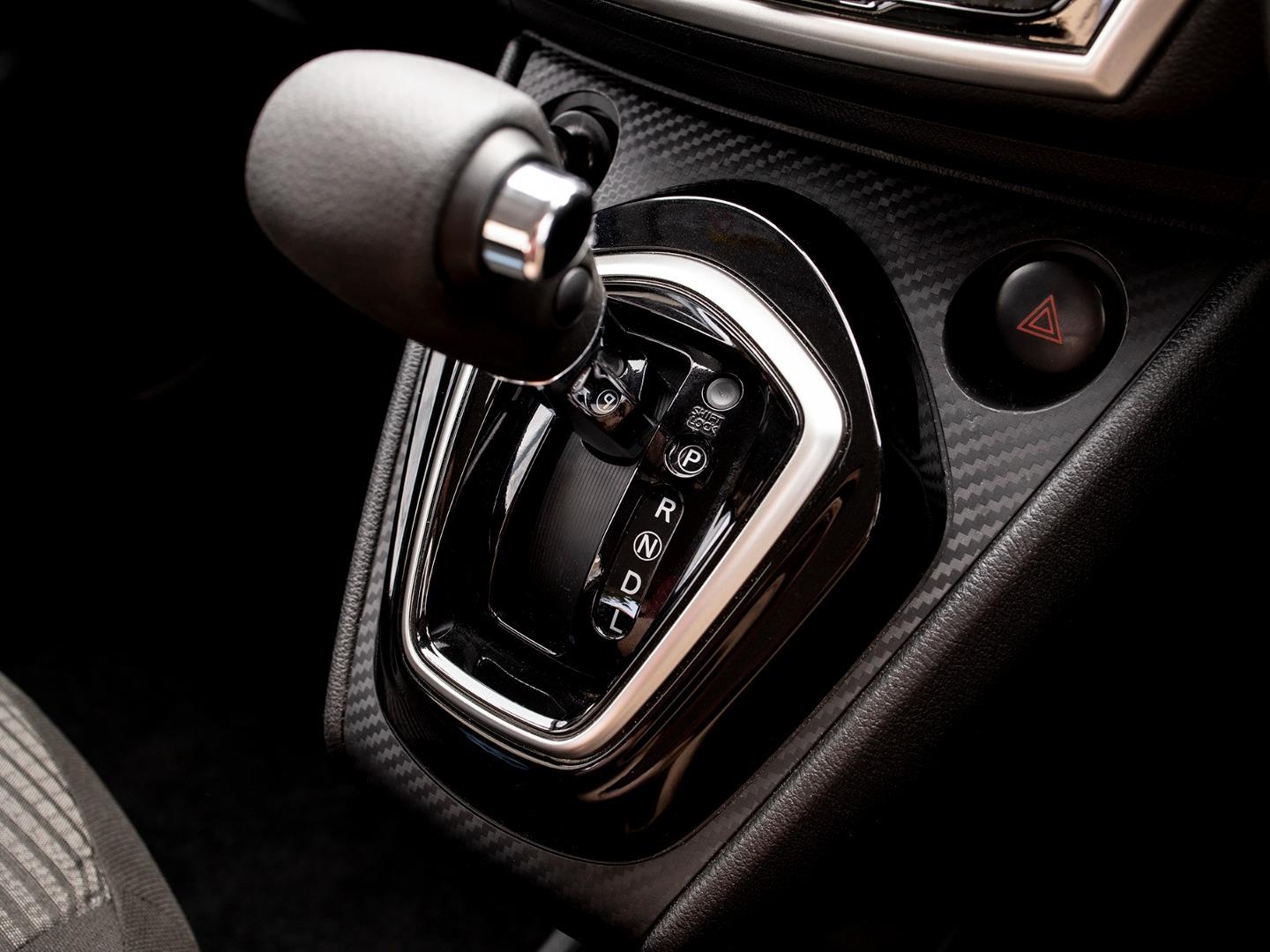
Cars with CVT gearboxes work virtually identical to other automatics. The only user intervention required is the selection of either Park, Reverse, Neutral or Drive - the same as any other conventional automatic. So if you have concerns about buying a CVT-equipped vehicle, fear not - there's nothing in your driving style that you need to change.

How CVT gearboxes work
The CVT term stands for Continuously Variable Transmission and is a gearbox that is capable of proving near-infinite gear ratio combinations. Gears are required as internal combustion engines have a rev range that they operate best in. We need to change the gears constantly to keep the engine in this operating range as we speed up and travel at speed. As one gear is no longer able to keep the engine in its ideal operating range, the next gear is selected and the progress starts from the start of this engine RPM range.
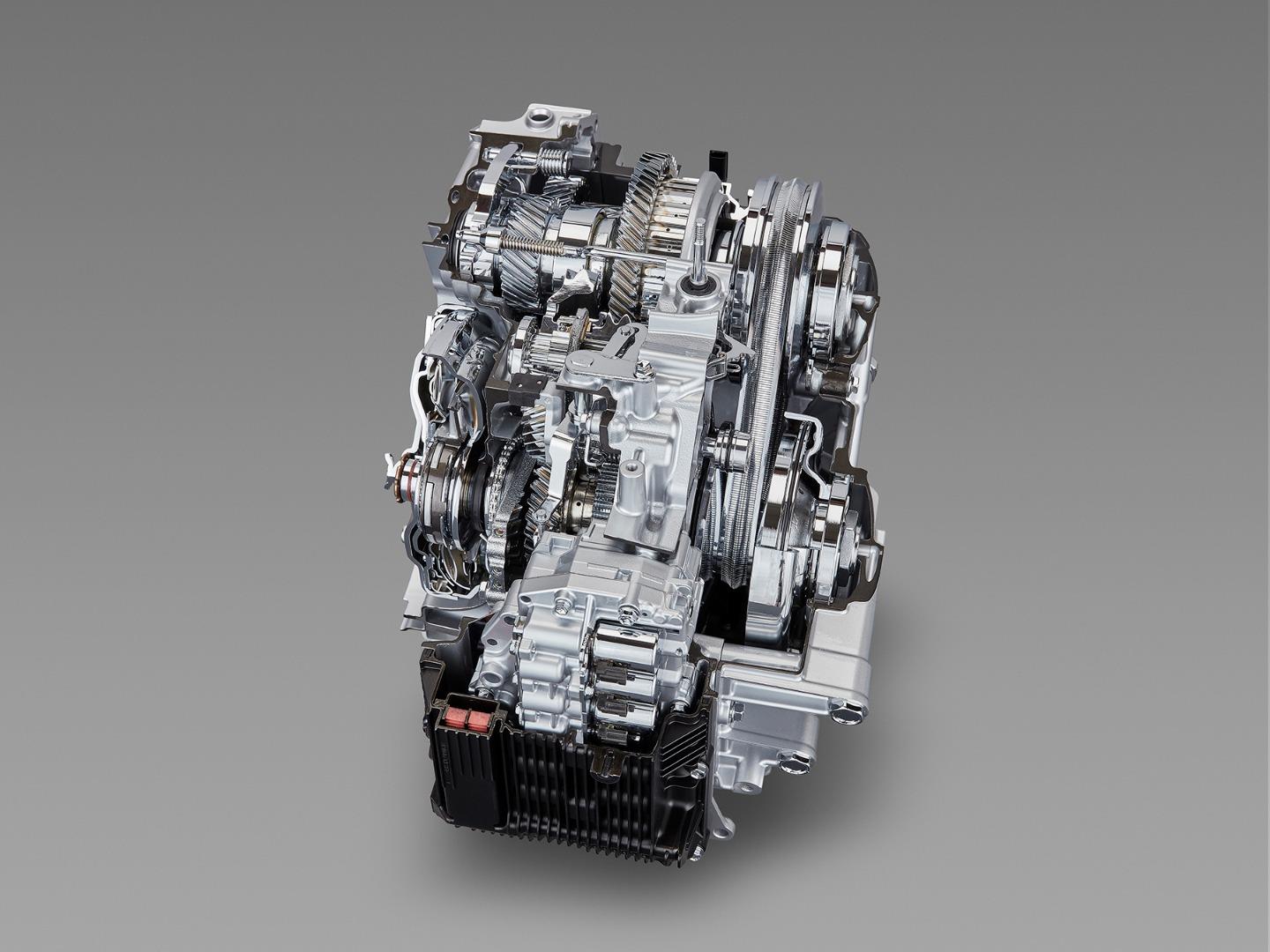
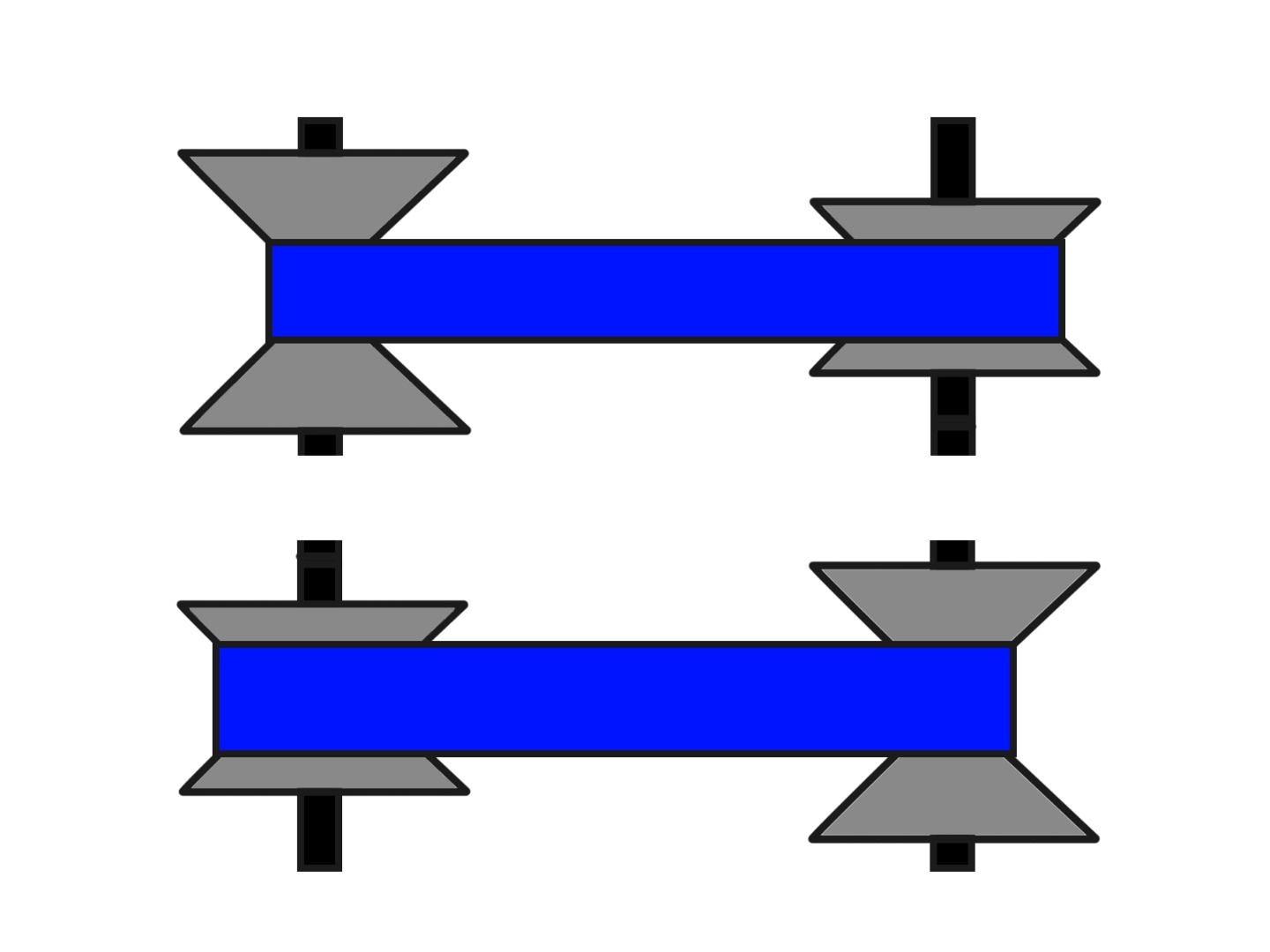
CVT gearboxes combine two pulleys with a belt or chain to provide a seamless transition of gearing. As the engine RPM increases, one pulley will open up, widening and allowing the chain to slip closer to the shaft. Conversely, the opposing pulley closes, forcing the chain away from the shaft and increasing the effective gearing. It sounds complicated but the principle is relatively simple.

Because there are no actual gears or physical changes, a CVT gearbox can come across as whining, especially when accelerating at full throttle. Most times, the engine revs will remain pretty high and constant, with no discernable change in the engine note, all while the vehicle accelerates forward. This can be disconcerting at first but we assure you, there's nothing wrong with it.
Many manufacturers will program in 'steps' to simulate actual gear changes as most drivers are accustomed to this sensation. Either way, the CVT saves you fuel and makes driving a more comfortable experience.